Inspiring Recycled Craft Ideas for School Projects
recycled craft ideas for school

Inspiring Recycled Craft Ideas for School Projects

Transform everyday waste into imaginative creations, nurturing young minds and promoting environmental awareness.

Start Crafting Sustainably!

Key Takeaways

  • ✓ Recycled crafts teach environmental responsibility.
  • ✓ They enhance fine motor skills and creativity.
  • ✓ Utilize readily available, often free, materials.
  • ✓ Promote problem-solving and innovative thinking.

How It Works

1
Gather Your Materials

Collect common household items like plastic bottles, cardboard, newspaper, and toilet paper rolls. Encourage students to bring items from home, making it a collective effort.

2
Brainstorm Project Ideas

Discuss various themes or learning objectives for the craft. Encourage students to come up with their own ideas, fostering ownership and creativity.

3
Plan and Design

Help students sketch out their designs or discuss the steps involved. This teaches planning skills and helps visualize the final product.

4
Create and Share

Guide students through the crafting process, offering assistance and encouragement. Celebrate their finished projects, perhaps with a classroom display or presentation.

The Power of Upcycling: Transforming Trash into Treasure for Learning
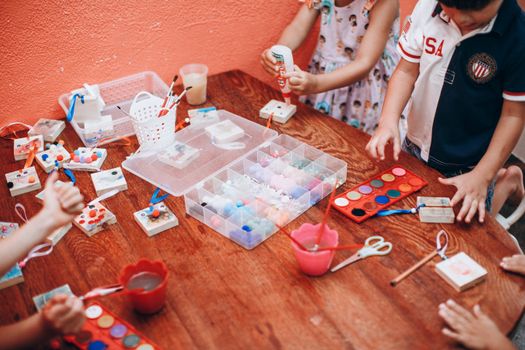
From above of crop anonymous children gathering around wooden table and painting with  colorful watercolors Photo: Helena Lopes / Pexels
In today's world, where environmental consciousness is paramount, integrating sustainability into education is no longer an option but a necessity. Recycled craft ideas for school offer a brilliant, hands-on approach to teaching children about waste reduction, resourcefulness, and creative problem-solving. Beyond the immediate benefit of keeping materials out of landfills, these activities foster a deeper understanding of ecological principles and ignite a passion for environmental stewardship from a young age. When students transform an empty milk carton into a bird feeder or a plastic bottle into a vibrant flower, they're not just making an object; they're internalizing the concept of value beyond its original purpose. This process of upcycling encourages them to look at everyday 'waste' with new eyes, seeing potential where others might only see trash. It's a powerful lesson in innovation and repurposing that extends far beyond the classroom walls. Moreover, recycled crafts provide an accessible and equitable platform for learning. Unlike crafts that require specialized or expensive materials, recycled projects rely on items readily available in most homes and classrooms. This accessibility ensures that all students, regardless of their socioeconomic background, can participate fully and feel empowered in their creative endeavors. It also teaches them the valuable skill of making do with what they have, fostering adaptability and ingenuity. Imagine a science project where a volcano is constructed from newspaper and a plastic bottle, or a history project where a castle is meticulously crafted from cardboard boxes. These projects not only bring academic subjects to life but also demonstrate how sustainable practices can be integrated into every aspect of our lives. The tactile nature of working with different materials – cutting, gluing, painting, and assembling – also significantly enhances fine motor skills, hand-eye coordination, and spatial reasoning. These are foundational developmental skills that benefit children across all academic disciplines. By engaging in these types of activities, children learn to follow instructions, think critically about design, and troubleshoot challenges as they arise, all while contributing to a healthier planet. The joy and pride they experience in creating something beautiful and functional from discarded items is immeasurable and reinforces positive attitudes towards sustainability. For more general crafting tips, explore our guide on easy craft projects for kids. Beyond individual skill development, recycled craft ideas for school also promote collaboration and community. Group projects, such as constructing a miniature city from cardboard or a mural from bottle caps, require students to work together, share ideas, and compromise. This collaborative environment strengthens social skills, teaches teamwork, and builds a sense of shared responsibility for the project and its environmental message. Displaying these creations in the classroom or school hallway further amplifies their impact, serving as tangible reminders of the students' efforts and inspiring others to consider their own waste habits. These projects can be integrated into various subjects, from art and science to social studies and language arts, making learning multidisciplinary and engaging. For instance, creating puppets from old socks can lead to storytelling sessions, while building a model ecosystem from plastic containers can introduce concepts of biodiversity and conservation. The versatility of recycled materials means that the possibilities are virtually endless, limited only by imagination. This section emphasizes the holistic benefits, from environmental education to skill development and social learning, positioning recycled crafts as a cornerstone of modern, responsible education.

Inspiring Projects: Creative Recycled Craft Ideas for Every Grade Level

The beauty of recycled craft ideas for school lies in their adaptability, offering engaging projects suitable for a wide range of age groups and skill levels. For younger students, simplicity and bold results are key. Think about transforming toilet paper rolls into adorable animal puppets or binoculars for imaginative play. Empty plastic milk jugs can become watering cans for a classroom garden, teaching both crafting and basic gardening skills. Cereal boxes, when cut and decorated, make excellent picture frames or small storage boxes, helping children personalize their spaces while learning about geometry and design. These projects emphasize basic cutting, gluing, and decorating techniques, building foundational fine motor skills and encouraging free expression. The focus here is on the process and the joy of creation, rather than perfection, fostering a positive attitude towards crafting and recycling from an early age. As students progress to middle elementary grades, projects can become slightly more complex, introducing concepts of engineering, structure, and more detailed artistic expression. Cardboard boxes can be the foundation for elaborate dollhouses, robot costumes, or even miniature towns, complete with roads and buildings made from smaller recycled items. Plastic bottles can be cut and reshaped into planters, decorative vases, or even intricate wind chimes, exploring principles of sound and aesthetics. Old newspapers and magazines are excellent for papier-mâché sculptures, allowing students to create three-dimensional forms like bowls, masks, or even anatomical models for science class. These activities encourage more planning and problem-solving, as students consider how different materials interact and how to achieve a desired outcome. They also provide opportunities to integrate learning from other subjects, such as history (building a pyramid from cardboard) or science (creating a water filtration system from plastic bottles and fabric scraps). For upper elementary and middle school students, the projects can delve into more sophisticated design principles, requiring greater precision, critical thinking, and potentially, a more refined aesthetic. Old CDs can be transformed into shimmering mosaics, reflective suncatchers, or even unique art pieces. Discarded clothing or fabric scraps can be repurposed into patchwork quilts, functional tote bags, or even stuffed animals, introducing basic sewing skills and textile design. Even electronic waste, under proper supervision and safety guidelines, can be disassembled to create 'robot' sculptures or conceptual art pieces, sparking interest in engineering and technology. The emphasis shifts towards innovative uses of materials, sustainability challenges, and the potential for recycled art to convey messages or solve practical problems. Projects could include building a solar oven from a cardboard box and aluminum foil, or designing a functional storage system from various recycled containers. These advanced projects not only hone technical skills but also encourage students to think like designers, engineers, and environmental innovators, fostering a deeper understanding of product lifecycle and responsible consumption. The diversity of these projects ensures that every student can find something that sparks their interest and allows them to contribute meaningfully.

Essential Supplies and Best Practices for Sustainable Crafting in the Classroom

Embarking on a journey of recycled crafts requires more than just innovative ideas; it demands a thoughtful approach to materials and a commitment to best practices that ensure safety, efficiency, and maximum environmental impact. The beauty of these projects is that many 'supplies' are already considered waste. Start by establishing a designated collection point in the classroom for clean, dry recyclables. Encourage students and their families to contribute items like plastic bottles (various sizes), cardboard boxes (cereal, shoe, delivery), toilet paper and paper towel rolls, newspaper, magazines, old CDs/DVDs, fabric scraps, bottle caps, plastic lids, and even clean food packaging like yogurt cups or milk cartons. This not only provides a constant stream of materials but also instills a sense of shared responsibility and community participation. Remember, the cleaner the materials, the easier and safer they are to work with, so emphasize proper cleaning before contribution. For more inspiration on sourcing materials, check out our guide on creative material sourcing. Beyond the 'recycled' components, a few basic crafting tools are invaluable. These include child-safe scissors (for younger students) and utility scissors (for older students and teachers), non-toxic glues (PVA glue, hot glue guns with supervision), tape (masking, clear, painter's), paint (acrylic, tempera, watercolors), paintbrushes, markers, crayons, rulers, and pencils. Additionally, having a supply of decorative elements like googly eyes, yarn, pipe cleaners, glitter (biodegradable options are best), and construction paper can elevate projects and add personality. Always prioritize safety: ensure good ventilation when painting or using adhesives, supervise hot glue gun usage closely, and teach proper handling of cutting tools. It's also crucial to discuss potential allergens if using materials like egg cartons or certain fabrics, although most recycled crafts focus on inert packaging materials. Best practices for sustainable crafting extend beyond material collection. Plan projects to minimize waste during the crafting process itself. Encourage students to use materials efficiently, cut carefully, and save scraps for future projects. Teach them to clean brushes and tools properly to extend their lifespan and reduce water waste. When projects are complete, discuss responsible disposal of any remaining non-recyclable waste. Consider setting up a 'recycled art gallery' in the classroom or school to showcase the finished products, celebrating the students' creativity and reinforcing the value of their efforts. This also allows for reflection and discussion on the environmental messages embedded in their artwork. Furthermore, integrate learning objectives directly related to sustainability. For example, when making a bird feeder from a plastic bottle, discuss local bird species, their habitats, and the importance of conservation. When creating a model city from cardboard, talk about urban planning and sustainable architecture. By weaving these educational threads throughout the crafting process, teachers can maximize the impact of recycled craft ideas for school, turning simple art activities into profound learning experiences that empower students to become environmentally conscious citizens. This holistic approach ensures that the crafts are not just fun activities, but powerful tools for education and advocacy.

Overcoming Challenges and Maximizing Impact: Tips for Educators

Implementing recycled craft ideas for school can be incredibly rewarding, but like any educational endeavor, it comes with its own set of challenges. One common hurdle is the perception of 'messiness.' Crafting, especially with paint and glue, can be untidy. To manage this, designate specific craft areas, use newspaper or disposable tablecloths to protect surfaces, and have wet wipes and paper towels readily available. Establishing clear cleanup routines and involving students in the process teaches responsibility and minimizes stress. Another challenge can be material consistency; recycled items vary in size, shape, and condition. Embrace this variability as an opportunity to teach adaptability and creative problem-solving. Instead of seeing a crooked box as a flaw, encourage students to incorporate its unique characteristics into their design, fostering innovative thinking. This teaches them to work with what they have rather than striving for unattainable perfection, a valuable life skill. Another significant consideration is storage. Recycled materials can quickly accumulate, so dedicated storage bins or shelves are essential. Label bins clearly for different material types (e.g., 'Cardboard Rolls,' 'Plastic Bottles,' 'Fabric Scraps') to keep things organized and easily accessible. Involving students in sorting and organizing materials reinforces classification skills and promotes a sense of ownership over their craft station. Safety is paramount, particularly with younger children. Always supervise the use of scissors, craft knives (for adult use only), and hot glue guns. Choose non-toxic adhesives and paints, and ensure good ventilation. Before starting any project, discuss safety rules and potential hazards with the students, empowering them to make safe choices. To maximize the educational impact, integrate recycled crafts directly into the curriculum. Connect projects to science lessons (e.g., building a water cycle model), history (e.g., recreating historical artifacts), language arts (e.g., crafting puppets for storytelling), or math (e.g., measuring and cutting shapes). This cross-curricular approach deepens learning and makes subjects more tangible and engaging. Encourage reflection: after completing a project, ask students to discuss what they learned, what challenges they faced, and how they overcame them. This metacognitive process enhances critical thinking and solidifies learning. Celebrate their achievements by displaying their crafts, perhaps with a short write-up about the materials used and the environmental message. This not only boosts student confidence but also educates the wider school community about the value of recycled art. By proactively addressing potential challenges and strategically planning for maximum educational impact, educators can transform recycled craft activities into powerful tools for fostering creativity, critical thinking, and environmental stewardship in the classroom.

Comparison

FeatureRecycled Crafts (Best Option)Store-Bought Craft Kits (Alternative 1)Traditional Art Supplies (Alternative 2)
CostVirtually FreeModerate to HighModerate
Environmental ImpactVery Low (Upcycling)Moderate (New Materials, Packaging)Moderate (New Materials, Production)
Creativity & InnovationHigh (Open-ended, Problem-solving)Moderate (Follows instructions)High (Open-ended)
Resourcefulness Taught
Accessibility of MaterialsHigh (Household items)Low (Requires purchase)Moderate (Requires purchase)
Curriculum IntegrationExcellent (Science, Math, Art, etc.)Limited (Often art-focused)Good (Art, but less sustainability focus)
Safety ConcernsLow (With supervision)Low (Often pre-cut)Low (Standard art supplies)
Social ResponsibilityHigh (Promotes sustainability)LowLow

What Readers Say

"These recycled craft ideas for school transformed our art class! The kids loved turning old bottles into planters, and it sparked so many conversations about recycling and caring for the environment. It's truly a win-win."

Sarah J. · Austin, TX

"As a third-grade teacher, finding engaging and affordable projects is key. This resource provided fantastic recycled craft ideas that kept my students engrossed and taught them valuable lessons about sustainability without breaking the bank."

Michael Chen · Seattle, WA

"Our school's 'Eco-Club' used several of these ideas, and the results were incredible. We built an entire miniature city from cardboard boxes and plastic caps, which significantly boosted student participation and community awareness of waste reduction."

Emily R. · Denver, CO

"The ideas are brilliant, though some required a bit more teacher prep than I initially anticipated. However, the educational payoff and student engagement were well worth the extra effort. Highly recommend for fostering creativity and environmental consciousness."

David Lee · Boston, MA

"I'm a homeschooling parent, and these recycled craft ideas for school were perfect for supplementing our science curriculum. My kids loved making a water filter out of a plastic bottle, and it made abstract concepts so much more concrete and fun."

Jessica M. · Phoenix, AZ

Frequently Asked Questions

What are the most popular recycled craft ideas for school?

Some of the most popular recycled craft ideas for school include creating animal figures from toilet paper rolls, building structures or robots from cardboard boxes, making planters or bird feeders from plastic bottles, and crafting collages or sculptures from old newspapers and magazines. These projects are versatile, use readily available materials, and offer great opportunities for creativity and learning.

Are recycled crafts safe for all age groups in school?

Yes, recycled crafts can be adapted for all age groups. For younger children, focus on projects with simple cutting and gluing, using child-safe scissors and non-toxic adhesives. For older students, more complex tools like hot glue guns can be used with strict supervision. Always ensure materials are clean and free from sharp edges or harmful substances.

How can I integrate recycled crafts into different subjects?

Recycled crafts are excellent for cross-curricular integration. For science, build ecosystems from plastic containers or create working models of simple machines. In history, reconstruct ancient artifacts from cardboard. For language arts, make puppets for storytelling. Math can involve measuring and designing structures. The possibilities are endless, making learning tangible and engaging.

Do recycled crafts save schools money compared to traditional crafts?

Absolutely. One of the biggest benefits of recycled crafts is their cost-effectiveness. By utilizing items that would otherwise be thrown away, schools significantly reduce their expenditure on craft supplies. This makes high-quality, engaging art and science projects accessible even with limited budgets, promoting resourcefulness.

What is the environmental impact of using recycled craft ideas in schools?

The environmental impact is overwhelmingly positive. By transforming discarded materials into new creations, schools actively reduce waste going to landfills, conserve natural resources, and decrease the demand for new manufactured goods. It teaches students the importance of the 'reduce, reuse, recycle' mantra in a practical, memorable way.

Who should consider implementing recycled craft ideas in their school curriculum?

Every educator, parent, and school administrator looking to foster creativity, promote environmental awareness, and provide engaging, hands-on learning experiences should consider implementing recycled craft ideas. They are ideal for art teachers, science teachers, after-school programs, and even homeschooling environments aiming for sustainable education.

What are the common challenges when doing recycled crafts with students?

Common challenges include managing mess, ensuring material availability and consistency, and supervising tool usage. However, these can be overcome by establishing clear routines, organizing material collection, embracing material variations as creative opportunities, and prioritizing safety with appropriate supervision and non-toxic supplies.

How can schools encourage families to contribute recycled materials for crafts?

Schools can encourage family contributions by sending out clear communication about needed items, establishing dedicated collection bins, showcasing completed projects to illustrate the impact, and making it a fun, collaborative effort. Highlighting the environmental and educational benefits will motivate greater participation.

Embrace the power of repurposing and ignite a passion for sustainability in your students. These recycled craft ideas for school are more than just projects; they're lessons in creativity, resourcefulness, and environmental stewardship, paving the way for a greener future. Start transforming 'trash' into 'treasure' today!

Topics: recycled craft ideas for schooleco-friendly school craftssustainable school projectsupcycled crafts for kidsclassroom recycling activities
Leo List
Brampton weed
Adultwork EstrelaBet Vai de Bet R7 Bet Betão Galera Bet Rainbet Bet9ja Shop SportyBet BetKing Sisal Loto Foot Hollywoodbets YesPlay Odibets RushBet Jugabet BetWarrior BetCity MSport betPawa Fortebet