✓ Paper crafts enhance fine motor skills and hand-eye coordination.
✓ They encourage imaginative play and problem-solving.
✓ Many paper crafts require only basic, inexpensive supplies.
✓ Crafting together strengthens family bonds and communication.
How It Works
1
Gather Your Supplies
Most paper crafts require just paper, scissors, and glue. Check each project for specific, simple additions like markers or googly eyes.
2
Choose a Project
Browse our diverse list of easy paper crafts, from origami to paper plate animals, and pick one that sparks your child's interest and skill level.
3
Follow Simple Instructions
Each craft includes clear, step-by-step guidance. Read through them first, then guide your child as they create their masterpiece.
4
Enjoy and Display
Celebrate your child's creation! Display their artwork proudly, encouraging their creativity and sense of accomplishment.
The Magic of Simple Paper Projects for Kids
Photo: Anastasia Shuraeva / Pexels
In an increasingly digital world, the simple, tactile joy of creating something with your own hands remains an invaluable experience for children. Easy paper crafts for kids offer a fantastic entry point into the world of art and creativity, requiring minimal supplies but delivering maximum engagement. These activities aren't just about keeping little hands busy; they are powerful tools for development, fostering crucial skills that extend far beyond the craft table. Think about the humble sheet of paper. It's affordable, readily available, and incredibly versatile. With just a few folds, cuts, or tears, it can transform into a majestic bird, a vibrant flower, or a whimsical character. This transformative power is what captivates children, encouraging them to experiment and imagine. For parents and educators, paper crafts are a godsend. They are generally mess-free compared to paints or clay, easy to set up, and even easier to clean up. This makes them ideal for spontaneous creative bursts or structured activity times.
Beyond the practical benefits, paper crafts play a significant role in cognitive development. When a child meticulously cuts along a line, they are refining their fine motor skills and hand-eye coordination – precursors to writing and other complex tasks. When they decide which colors to use or how to arrange different paper shapes, they are engaging in problem-solving and decision-making. Furthermore, the process of following instructions, even simple ones, helps develop their ability to concentrate and follow sequences. The sense of accomplishment a child feels when they complete a paper craft is immense. It boosts their self-esteem and encourages them to tackle new challenges. It teaches them that effort leads to tangible results, a vital lesson for life. These crafts also provide an excellent opportunity for parent-child bonding. Sitting together, sharing ideas, and collaborating on a project creates lasting memories and strengthens communication. It's a chance to unplug from screens and reconnect with each other in a meaningful, creative way. Whether it's a rainy afternoon, a quiet weekend, or a special holiday, having a repertoire of easy paper crafts for kids at your fingertips ensures that boredom is never an option. Dive into the world of paper and watch your child's imagination soar. Discover more craft ideas that ignite creativity and learning.
Classic & Creative Paper Craft Ideas for Children
Photo: Burst / Pexels
Let's dive into some timeless and innovative easy paper crafts for kids that promise hours of fun with minimal fuss. These projects are perfect for various age groups, offering adaptability for younger children with a bit of adult assistance, and allowing older kids to explore their creativity independently.
**1. Paper Plate Animals:** A true classic! All you need are paper plates, construction paper, glue, and markers. Kids can transform a plain plate into a lion's face with a fringed mane, a flapping bird, or a cute frog. Cut out ears, eyes, and other features from colored paper and glue them on. This craft is fantastic for teaching about animal characteristics and shapes.
**2. Paper Chain Rainbows:** Simple, repetitive, and wonderfully colorful. Cut strips of paper in rainbow colors (red, orange, yellow, green, blue, indigo, violet). Form a loop with one strip, glue the ends together, then thread the next color through the first loop and glue its ends. Continue until you have a vibrant chain. This is excellent for color recognition and fine motor skills.
**3. Origami for Beginners:** While some origami can be complex, many beginner-friendly folds are perfect for kids. Think simple boats, fortune tellers (cootie catchers), or even a basic flapping bird. Look for visual guides online that simplify the steps. Origami teaches precision, patience, and spatial reasoning.
**4. Paper Bag Puppets:** Transform a plain paper lunch bag into a character! Use construction paper for clothes, yarn for hair, and markers for facial features. Kids can create their favorite storybook characters or invent new ones, then put on a puppet show. This promotes storytelling and imaginative play.
**5. Paper Flower Bouquets:** Cut out various sized circles or petal shapes from colored paper. Stack and glue them to create layered flowers. Add a green paper stem and leaves. These make wonderful gifts and never wilt! It's a great way to introduce concepts of symmetry and layering.
**6. Tissue Paper Suncatchers:** Tear or cut tissue paper into small pieces. On a sheet of contact paper or clear sticky plastic, arrange the tissue paper pieces to create a design. Cover with another sheet of contact paper, trim, and hang in a window. The light shining through creates beautiful stained-glass effects.
**7. Paper Roll Creatures:** Toilet paper or paper towel rolls are goldmines for crafting! Paint them, add googly eyes, pipe cleaner limbs, and construction paper features to create anything from owls and monsters to rockets and binoculars. This encourages repurposing and imaginative design.
**8. Accordion Fold Animals/Figures:** Fold a strip of paper back and forth like an accordion. Then, draw and cut out a shape (like a person or an animal) with the fold as a central line, ensuring some part of the shape remains connected at the folds. When unfolded, you'll have a string of identical figures holding hands. This is a fun way to explore patterns and repetition.
**9. Paper Weaving:** Cut slits into a piece of paper, leaving a border around the edges. Cut strips of another color paper. Weave the strips over and under the slits. This introduces basic weaving techniques and patterns, enhancing fine motor control and concentration.
**10. Paper Mache Bowls/Balloons:** While a bit messier, paper mache is incredibly rewarding. Tear newspaper into strips. Mix flour and water to create a paste. Dip strips, wipe off excess, and layer them over an inflated balloon or an inverted bowl. Let it dry completely, then pop the balloon or remove the bowl, and paint your creation. This is a multi-day project that teaches patience and the concept of building form.
These easy paper crafts for kids are just the beginning. The beauty of paper is its adaptability, allowing children to personalize each project and infuse it with their unique creative vision. Encourage them to experiment with colors, textures, and additional embellishments to truly make each piece their own.
Boosting Creativity and Fine Motor Skills Through Simple Kids Crafts
Photo: Vanessa Loring / Pexels
The benefits of engaging children in simple kids crafts, especially those involving paper, extend far beyond just creating a pretty object. These activities are foundational for developing a wide array of cognitive and physical skills that are crucial for a child's overall growth. One of the most immediate and visible advantages is the enhancement of **fine motor skills**. The act of cutting with scissors, folding paper with precision, tearing strips, or gluing small pieces all require intricate movements of the small muscles in the hands and fingers. This strengthens their grip, improves dexterity, and refines hand-eye coordination. These are the very skills needed for writing, drawing, buttoning clothes, and using utensils, making paper crafts an excellent preparatory exercise for daily life tasks and academic success.
Beyond the physical, paper crafts are powerful catalysts for **creativity and imagination**. Unlike pre-made toys that often dictate play scenarios, a blank sheet of paper or a simple paper plate presents an open canvas. Children are challenged to envision what it could become and then figure out how to make that vision a reality. This process of ideation, planning, and execution nurtures their imaginative faculties. They learn to think outside the box, experiment with different approaches, and embrace trial and error. There's no single 'right' way to make a paper monster or a paper flower, which empowers children to express their unique artistic voice.
**Problem-solving** is another key skill honed through these activities. A child might encounter a challenge – perhaps the glue isn't holding, or their paper shape isn't quite right. Instead of giving up, they learn to adapt, find alternative solutions, or ask for help, developing resilience and critical thinking. Following step-by-step instructions, even for the easiest crafts, also helps with **sequencing and memory**. They learn to understand that certain actions must be performed in a specific order to achieve a desired outcome. This structured thinking is invaluable for academic subjects like math and reading comprehension.
Moreover, paper crafting often involves **color recognition, shape identification, and spatial awareness**. Children learn to distinguish between different hues, identify circles, squares, and triangles, and understand how objects fit together in three-dimensional space. These are early geometry and visual perception skills that are vital for later learning. The social aspect of crafting is also significant. When children craft together or with an adult, they learn to share materials, communicate ideas, and collaborate on projects. This fosters **social skills and teamwork**. Displaying their finished crafts instills a sense of pride and accomplishment, boosting their **self-esteem** and encouraging them to pursue more creative endeavors. In essence, easy paper crafts for kids are not just playtime; they are an engaging and effective form of developmental learning, preparing children for a future where creativity, adaptability, and fine motor proficiency are highly valued. For more ideas on how to engage your children creatively, explore our guide on fun indoor activities for kids.
Tips for Successful Paper Crafting & Common Mistakes to Avoid
To ensure a smooth and enjoyable paper crafting experience for both you and your child, consider these practical tips and be mindful of common pitfalls:
**Tips for Success:**
* **Prepare Your Workspace:** Lay down newspaper or a washable mat before starting, especially if glue or paint is involved. Have all supplies within easy reach to avoid interruptions.
* **Pre-Cut for Younger Children:** For toddlers and preschoolers, pre-cutting some of the more intricate shapes can prevent frustration and allow them to focus on assembly and decoration.
* **Embrace Imperfection:** Remind children (and yourself!) that crafts don't have to be perfect. The process and effort are more important than the final product. Encourage their unique interpretations.
* **Start Simple and Progress:** Begin with very basic crafts and gradually introduce more complex ones as your child's skills and confidence grow. This prevents overwhelm.
* **Tell a Story:** Encourage children to create a story around their craft. Who is the paper plate animal? What adventures will the paper boat go on? This adds another layer of imaginative play.
* **Recycle and Repurpose:** Keep an 'art bin' with old magazines, cereal boxes, toilet paper rolls, and fabric scraps. These can be fantastic additions to paper crafts, teaching kids about sustainability.
* **Display Their Art:** Create a dedicated spot to display your child's creations. This validates their efforts and boosts their self-esteem, encouraging them to craft more.
**Common Mistakes to Avoid:**
* **Over-Complicating Projects:** Choosing crafts that are too difficult for a child's age can lead to frustration and a lack of interest. Keep it age-appropriate.
* **Too Much Glue:** A common mistake! Explain that a small dot or thin line of glue is usually enough. Too much glue makes paper soggy, prolongs drying time, and can make the craft fall apart.
* **Lack of Supervision (for young kids):** While encouraging independence, always supervise young children, especially when using scissors or small embellishments that could be choking hazards.
* **Expecting Adult-Level Precision:** Children's fine motor skills are still developing. Their cuts might be wobbly, and their folds uneven. Celebrate their effort, not just the outcome.
* **Not Having Enough Supplies:** Running out of a key color of paper or glue mid-project can be a real mood killer. Do a quick check before you start.
* **Ignoring Child's Input:** While guidance is good, allow children to make their own creative choices. If they want to make a blue lion or a polka-dotted flower, let them! It's their art.
By keeping these tips in mind, you can transform easy paper crafts for kids into truly enriching and joyful experiences, fostering a lifelong love for creativity and learning.
Comparison
Feature
Paper Plate Animals
Origami Fortune Teller
Paper Chain Rainbow
Materials Needed
Plates, paper, glue, markers
One square paper
Colored paper, glue/stapler
Skill Level
Beginner
Intermediate Beginner
Very Easy
Developmental Benefits
Creativity, animal recognition
Fine motor, sequencing
Color recognition, fine motor
Mess Level
Low
Very Low
Low
Time to Complete
15-30 minutes
5-10 minutes
20-40 minutes
Age Range
2+
6+
3+
What Our Readers Say
5★★★★★
"These easy paper crafts for kids saved our rainy day! My 4-year-old loved making the paper plate animals, and I was impressed with how simple the instructions were. We spent hours crafting and giggling."
Sarah M.Austin, TX
5★★★★★
"As a dad, I appreciate activities that don't require a ton of setup. The paper chain rainbow was a hit with my 7-year-old. It's fantastic to see them engaged without a screen."
David L.Chicago, IL
5★★★★★
"My kids always ask for 'something to do,' and this list of easy paper crafts for kids is my new go-to. We made paper flowers for grandma, and the pride on their faces was priceless. Highly recommend!"
Emily R.Seattle, WA
4★★★★☆
"Great ideas, though some of the 'easy' origami was a bit tricky for my youngest. Still, the variety is excellent, and we found many projects that were perfect for our different age groups."
Jessica T.Miami, FL
5★★★★★
"We used these paper craft ideas for a scout meeting activity, and they were a huge success. The kids learned to follow instructions, worked together, and loved taking their creations home. Perfect for group settings!"
Mark K.Denver, CO
Frequently Asked Questions
What are the best age groups for easy paper crafts for kids?
Easy paper crafts are incredibly versatile and can be adapted for almost any age group. Toddlers (2-3 years) can enjoy tearing paper, gluing pre-cut shapes, and scribbling. Preschoolers (4-5 years) can handle basic cutting and simple folds. Older children (6+) can follow more complex instructions, try beginner origami, and work on projects with multiple steps, making it an engaging activity for a wide range of ages.
Do I need special supplies for paper crafts?
Not at all! One of the biggest advantages of easy paper crafts for kids is that they typically require very basic and inexpensive supplies you likely already have at home. Essentials include various types of paper (construction paper, printer paper, paper plates, paper bags), child-safe scissors, and glue sticks or liquid glue. Markers, crayons, and maybe some googly eyes are often the only 'extra' items needed.
How can I make paper crafts less messy?
Mess management is key! Lay down newspaper, an old tablecloth, or a craft mat before starting. Use glue sticks whenever possible, as they are less messy than liquid glue. For liquid glue, teach children to use small dots rather than large squeezes. Keep a damp cloth or paper towels handy for quick clean-ups, and designate a specific 'craft zone' to contain the mess.
Are paper crafts good for developing fine motor skills?
Absolutely! Paper crafts are excellent for developing and refining fine motor skills. Activities like cutting with scissors, folding paper precisely, tearing paper into specific shapes, and carefully gluing small pieces all require intricate movements of the small muscles in the hands and fingers. This strengthens dexterity and hand-eye coordination, which are crucial for writing and other daily tasks.
How can I encourage my child's creativity with paper crafts?
Encourage creativity by providing a variety of materials and allowing for open-ended play. Instead of strict instructions, offer suggestions and let your child experiment. Ask open-ended questions like, 'What color would make this unique?' or 'What story does your creation tell?' Praise their effort and unique ideas, rather than focusing solely on a 'perfect' outcome. Let them personalize their crafts and make them their own.
Who should use easy paper crafts for kids?
Easy paper crafts are perfect for parents, grandparents, teachers, babysitters, and anyone looking for engaging, educational, and low-cost activities for children. They are ideal for individual play, family bonding time, classroom projects, birthday party activities, or simply a fun way to fill a rainy afternoon. They cater to children of almost all ages and skill levels.
Are there any safety concerns with paper crafts?
Generally, paper crafts are very safe. The main concerns involve the use of scissors and small parts. Always use child-safe scissors appropriate for the child's age and supervise younger children closely when cutting. For very young children (under 3), avoid small embellishments like googly eyes or tiny paper cutouts that could be choking hazards. Ensure non-toxic glue and markers are used.
What are some future trends for paper crafts?
Future trends in paper crafts are likely to emphasize sustainability, with more focus on recycled and upcycled materials. We might see an increase in digital templates for printing and cutting, integrating technology with traditional crafting. Additionally, personalized craft kits tailored to specific interests or educational goals, and crafts that encourage storytelling through augmented reality integration, could become more popular, blending the physical and digital creative worlds.
Unlock a world of imagination and skill development with these easy paper crafts for kids. Gather your simple supplies, choose a project, and embark on a creative adventure that promises smiles, learning, and cherished family memories. Start crafting today and watch your child's creativity unfold!

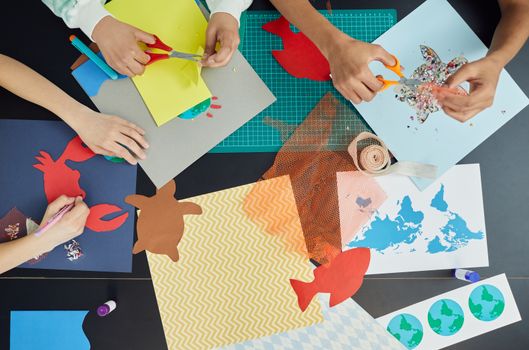 Photo: Vanessa Loring / Pexels
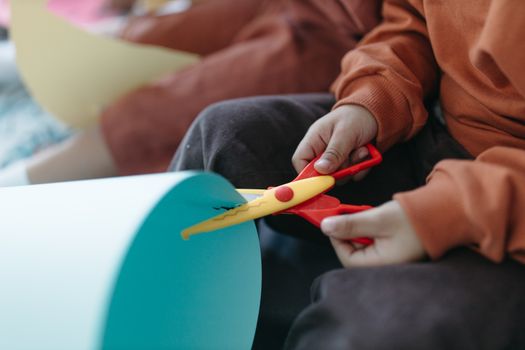 Photo: Anastasia Shuraeva / Pexels
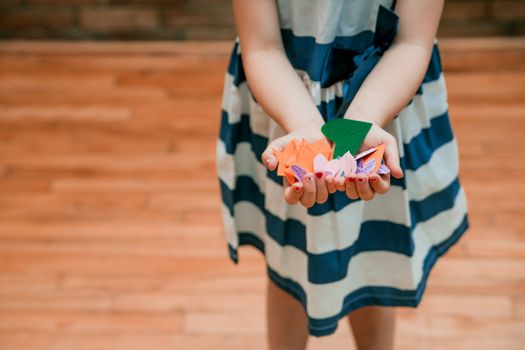 Photo: Burst / Pexels
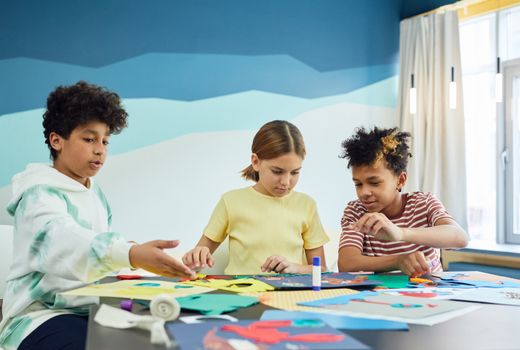 Photo: Vanessa Loring / Pexels