20+ Easy Craft Ideas for Kids at Home: Fun & Simple!
June 19, 2026 16 min read 3,207 words
Unleash creativity and beat boredom with a treasure trove of simple, engaging crafts using materials you already have.
Start Crafting Now!
Unlocking Creativity with Household Items: Simple Kids Crafts
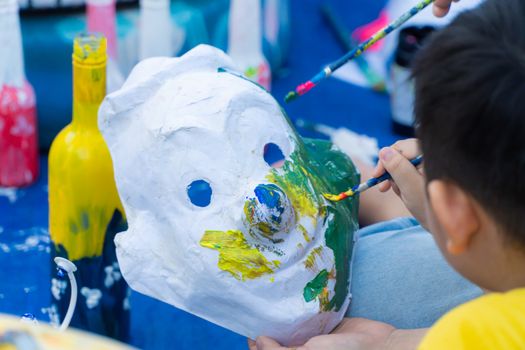 Photo: Quyn Phạm / Pexels
In today's fast-paced world, finding engaging and enriching activities for children that don't involve a screen can feel like a daunting task. However, the solution often lies right within your own home: easy craft ideas for kids at home! Crafting offers a fantastic outlet for children to express themselves, develop crucial skills, and spend quality time with family, all without requiring expensive supplies or elaborate setups. This guide is your ultimate resource for discovering a wealth of simple, fun, and accessible craft projects that will spark joy and creativity in children of all ages.
Crafting isn't just about making pretty things; it's a powerful developmental tool. When children engage in crafts, they're actively honing their fine motor skills through cutting, gluing, drawing, and manipulating small objects. This directly contributes to better handwriting, increased dexterity, and improved hand-eye coordination. Beyond physical skills, crafting nurtures cognitive development. Kids learn to follow instructions, solve problems (like how to make a pom-pom stick to a pipe cleaner), and think creatively about how to transform ordinary materials into something extraordinary. Imagine a child turning an empty toilet paper roll into a majestic castle or a simple paper plate into a vibrant animal mask – these acts are pure innovation!
One of the greatest advantages of these easy craft ideas for kids at home is their reliance on everyday household items. You don't need a specialized craft store haul to get started. Think about your recycling bin: cardboard, plastic bottles, paper, and egg cartons are goldmines for creative projects. Your pantry might hold pasta, rice, food coloring, or flour perfect for sensory play or homemade dough. Even old clothes, buttons, or yarn scraps can be repurposed into charming creations. This approach not only makes crafting affordable and accessible but also teaches children about sustainability and resourcefulness. It encourages them to see potential in discarded items, fostering an environmentally conscious mindset from a young age. This focus on readily available materials means you can jump into a project almost instantly, whenever inspiration strikes or boredom sets in. For more sustainable craft ideas, check out
eco-friendly kids crafts.
Moreover, crafting sessions provide invaluable opportunities for family bonding. Parents and caregivers can sit alongside their children, collaborating on projects, sharing ideas, and simply enjoying each other's company. These shared experiences create lasting memories and strengthen family ties. It's a chance to put aside distractions, engage in meaningful conversation, and witness the pure delight on a child's face as they bring their vision to life. From a toddler's first finger painting to an older child's intricate paper sculpture, every creation is a testament to their imagination and effort. So, let's dive into a world where creativity knows no bounds and the simplest items become the building blocks for endless fun and learning right in your own home.
Top Picks for Toddlers and Preschoolers: Engaging Little Hands
 Photo: Jonathan Borba / Pexels
For our youngest crafters, the key is simplicity, safety, and sensory engagement. Toddlers and preschoolers thrive on activities that allow them to explore textures, colors, and shapes with minimal frustration. These easy craft ideas for kids at home are specifically designed to cater to their developmental stage, focusing on large movements, non-toxic materials, and immediate gratification. Remember, for this age group, the process is far more important than the perfect outcome.
**1. Sensory Bags:** Fill Ziploc bags with hair gel, glitter, beads, or small toys. Seal tightly with duct tape. Kids can squish, poke, and explore without making a mess. This is fantastic for tactile development and visual stimulation.
**2. Cereal Necklaces:** Provide O-shaped cereal (like Cheerios) and yarn or pipe cleaners. Children can string the cereal onto the string, practicing fine motor skills and pattern recognition. It's also a tasty snack if they get hungry during the process!
**3. Toilet Paper Roll Animals:** Collect empty toilet paper rolls. Provide paint, googly eyes, construction paper scraps, and glue. Kids can transform the rolls into anything from owls and bunnies to cars and robots. This encourages imaginative play and repurposing.
**4. Sticker Art:** A simple yet incredibly effective activity. Give children a sheet of stickers and a blank piece of paper. The act of peeling and placing stickers helps develop fine motor control and hand-eye coordination. You can also draw shapes and ask them to fill them with stickers.
**5. Finger Painting:** A classic for a reason! Use non-toxic washable paints and large sheets of paper. Lay down a drop cloth or old newspaper to contain the mess. Finger painting allows for unrestricted artistic expression and sensory exploration. You can even make edible finger paint using yogurt and food coloring for very young children.
**6. Cotton Ball Clouds:** Draw cloud shapes on blue construction paper. Provide cotton balls and glue sticks. Kids can glue the cotton balls onto the paper to create fluffy, tactile clouds. This is excellent for developing the pincer grasp.
**7. Pasta Collages:** Offer various shapes of dry pasta (penne, rotini, macaroni) and liquid glue. Children can glue the pasta onto paper, creating abstract designs or specific shapes. You can even pre-dye the pasta with food coloring for extra vibrancy.
**8. Playdough Fun:** Whether homemade or store-bought, playdough is a staple for a reason. Provide cookie cutters, rolling pins, and plastic knives. Kids can squish, roll, cut, and sculpt, strengthening hand muscles and fostering imaginative play. Add natural elements like leaves or small sticks for an extra sensory dimension.
**9. Paper Plate Masks:** Cut out eyeholes in a paper plate. Provide crayons, markers, construction paper, feathers, and glue. Children can decorate their plates to create animal faces, superheroes, or fantastical creatures. Attach elastic string for a wearable mask.
**10. Nature Collages:** Take a walk outside to collect leaves, small twigs, petals, and grass. Back inside, provide paper and glue. Kids can arrange and glue their natural treasures onto the paper, creating unique textured collages. This connects them with the environment and encourages observation.
When working with toddlers and preschoolers, always prioritize safety. Ensure all materials are non-toxic, supervise closely, and be prepared for some mess – it’s all part of the creative process! These easy craft ideas for kids at home are designed to be low-stress for parents and high-fun for the little ones, laying a foundation for a lifelong love of creativity.
Creative Crafts for Older Kids: Engaging Minds and Hands
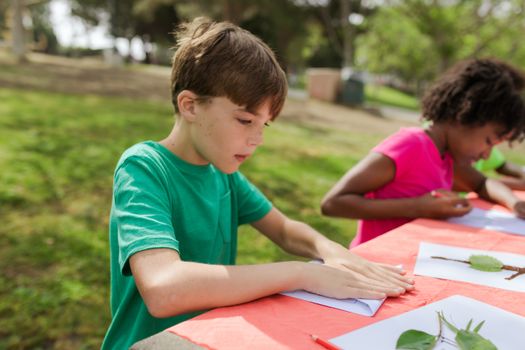 Photo: RDNE Stock project / Pexels
As children grow, their crafting abilities and interests evolve. Older kids (ages 6+) are capable of more intricate tasks, enjoy following multi-step instructions, and often want crafts that result in a functional item or something they can proudly display. The easy craft ideas for kids at home listed here are designed to challenge their creativity, hone their problem-solving skills, and result in impressive finished products, often using materials you might already have around the house. These projects move beyond simple sensory exploration into more deliberate construction and artistic expression. For more advanced projects, explore
DIY science crafts.
**1. Rock Painting:** Collect smooth rocks from your garden or a local park. Provide acrylic paints, brushes, and sealant. Kids can paint designs, animals, mandalas, or inspirational messages. Once sealed, these can be placed in gardens, hidden for others to find, or used as decorative items. This project combines art with outdoor exploration.
**2. Friendship Bracelets:** Using embroidery floss or yarn, teach children how to tie simple knots to create colorful friendship bracelets. There are many beginner-friendly patterns available online. This is excellent for fine motor skills, pattern recognition, and makes a thoughtful gift for friends.
**3. DIY Slime:** A perennial favorite! There are countless recipes for slime using glue, baking soda, contact lens solution, or liquid starch. Kids love experimenting with different colors, glitter, and add-ins. This involves chemistry, measurement, and sensory play, all rolled into one gooey package.
**4. Paper Mache Bowls/Vases:** Tear newspaper into strips. Mix flour and water to create a paste. Children can layer the strips over an inflated balloon (for a bowl) or a plastic bottle (for a vase). Once dry, pop the balloon or remove the bottle, then paint and decorate. This is a multi-day project that teaches patience and construction techniques.
**5. Cardboard Box Forts/Houses:** Gather large cardboard boxes (appliance boxes are ideal). Provide scissors, tape, glue, markers, and paint. Kids can design and build elaborate forts, playhouses, or even miniature cities. This encourages engineering skills, spatial reasoning, and collaborative play.
**6. Yarn Wrapped Letters/Shapes:** Cut letters or simple shapes (stars, hearts) out of cardboard. Provide yarn in various colors. Kids can wrap the yarn tightly around the cardboard, securing with glue where needed. This creates colorful, textured decorations for their rooms.
**7. DIY Bookmarks:** Use cardstock, construction paper, or even old cereal boxes. Kids can cut out shapes, decorate with markers, stickers, glitter, or even pressed leaves. Laminate them for durability or add a tassel. This encourages reading and personalized creativity.
**8. Pressed Flower Art:** Collect various flowers and leaves. Press them between heavy books for a week or two. Once dry, kids can arrange and glue them onto cardstock to create beautiful botanical collages. Frame the finished art for a sophisticated touch.
**9. Salt Dough Ornaments/Magnets:** Mix flour, salt, and water to create a pliable dough. Kids can roll it out, cut shapes with cookie cutters, and bake them until hard. Once cooled, they can be painted and sealed. Add a magnet to the back or a ribbon for hanging. This is a tactile project with a lasting keepsake.
**10. Stop Motion Animation:** All you need is a smartphone or tablet with a stop-motion app, and some LEGOs, clay figures, or cut-out paper characters. Kids can create their own stories, moving characters slightly between each photo. This teaches storytelling, patience, and basic filmmaking principles.
These crafts provide a wonderful blend of challenge and fun, allowing older children to develop their skills while creating something they truly value. Encourage them to personalize their projects and put their unique spin on each idea.
Tips for Successful Crafting & Common Mistakes to Avoid
Ensuring a positive and productive crafting experience for both you and your children involves a bit of preparation and understanding. While the goal is fun and creativity, sidestepping common pitfalls can make all the difference. Here are essential tips for successful crafting sessions and mistakes to avoid when exploring easy craft ideas for kids at home:
**Tips for Success:**
* **Prepare Your Space:** Before you even bring out the supplies, designate a crafting area. Lay down newspaper, an old tablecloth, or a craft mat to protect surfaces. This immediately reduces stress about messes.
* **Gather All Supplies First:** Nothing derails a craft session faster than realizing you're missing a key ingredient halfway through. Collect everything you need beforehand and place it within easy reach.
* **Set Clear Expectations:** Especially with younger children, explain what the craft involves and what the finished product might look like. Emphasize that it's okay if their creation doesn't look exactly like the example; uniqueness is celebrated.
* **Focus on the Process, Not Just the Product:** For kids, especially younger ones, the joy is often in the doing – the squishing, cutting, gluing, and painting. Resist the urge to 'fix' their work or make it perfect. Their unique touch is what makes it special.
* **Provide Age-Appropriate Tools:** Ensure scissors are child-safe, glue is washable and non-toxic, and paintbrushes are easy for small hands to grip. This prevents frustration and promotes independence.
* **Encourage Independence (with supervision):** Let children make choices about colors, shapes, and how they want to assemble things. Offer guidance but avoid taking over. Step in to assist only when truly needed, fostering a sense of accomplishment.
* **Incorporate Storytelling:** Ask your child about their creation. "What's your monster's name?" "Where does this spaceship go?" This adds another layer of imaginative play and language development.
* **Clean Up Together:** Make cleaning up part of the craft activity. Even toddlers can help put caps on markers or throw away paper scraps. This teaches responsibility and reinforces good habits.
* **Display Their Work:** Proudly display your child's finished crafts. Hang them on the fridge, create a dedicated art wall, or frame a special piece. This boosts their self-esteem and shows you value their efforts.
**Common Mistakes to Avoid:**
* **Over-Complicating:** Don't choose crafts that are too difficult or have too many steps for your child's age. This leads to frustration and disengagement. Start simple and build up complexity.
* **Rushing the Process:** Crafting should be a relaxed and enjoyable activity. Don't set strict time limits or rush your child through steps. Allow them to explore at their own pace.
* **Ignoring Safety:** Always supervise children, especially with scissors, glue guns (for older kids), or small parts that could be choking hazards for toddlers. Ensure good ventilation if using strong-smelling glues or paints.
* **Being a Perfectionist:** It's hard for many parents, but resist the urge to correct every crooked line or mismatched color. Their art is a reflection of their current developmental stage and unique perspective.
* **Not Having a Plan B:** Sometimes a craft just doesn't work out, or a child loses interest quickly. Have a backup idea or be flexible enough to pivot to free play with the materials.
* **Forgetting the Cleanup Plan:** A messy craft without a clear cleanup strategy can deter future crafting. Have wipes, paper towels, and a trash can readily available.
By keeping these tips in mind and avoiding common pitfalls, you can transform easy craft ideas for kids at home into enriching, joyful experiences that foster creativity, learning, and family connection.
