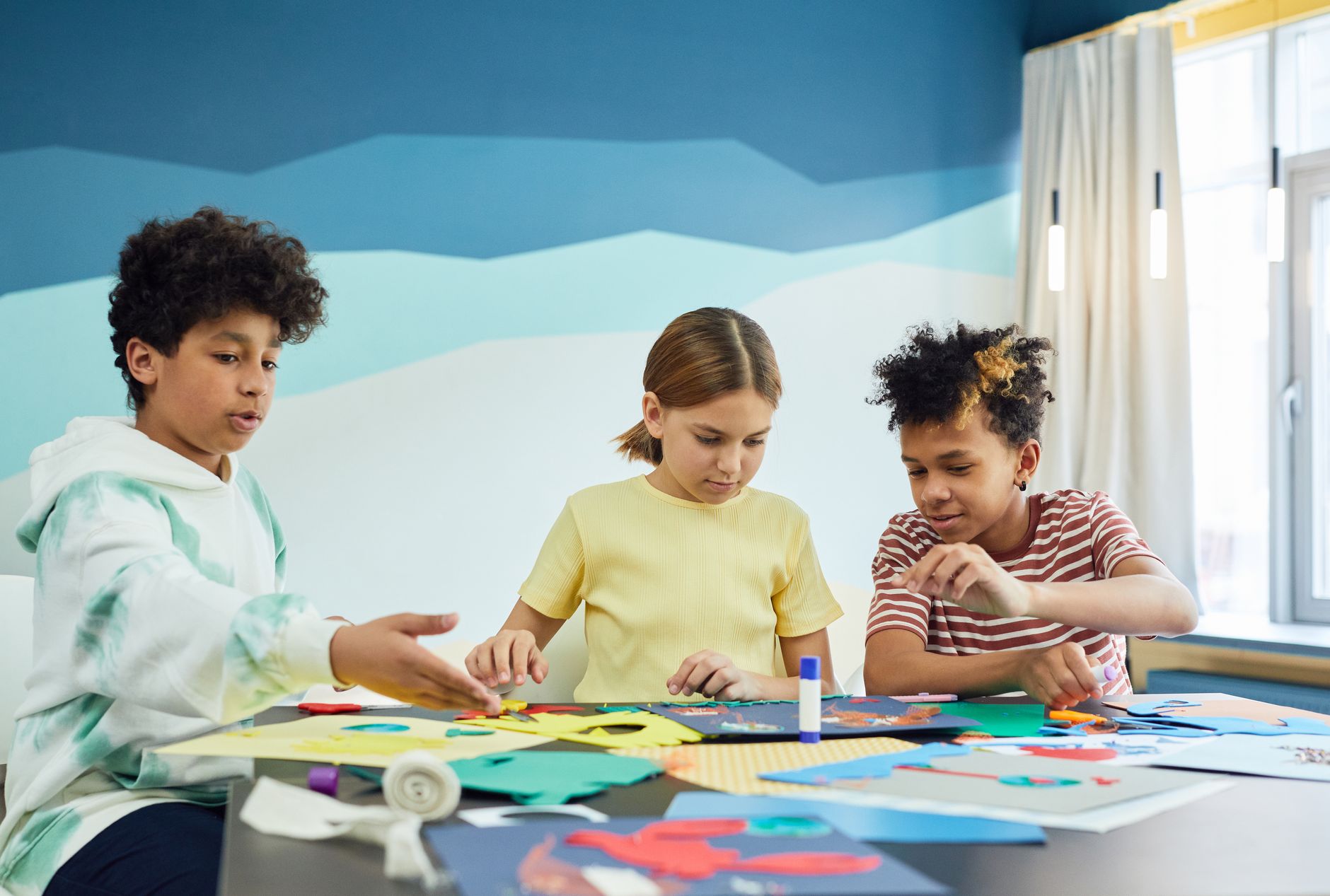
Unleash Creativity: Top DIY Craft Projects for Kids!
diy craft projects for kids

Unleash Creativity: Top DIY Craft Projects for Kids!

Transform everyday materials into extraordinary masterpieces and create lasting memories with your children.

Start Crafting Now!

Key Takeaways

  • ✓ Crafting enhances fine motor skills and hand-eye coordination.
  • ✓ DIY projects boost creativity and problem-solving abilities in children.
  • ✓ Many crafts can be made from common household items, saving money.
  • ✓ Engaging in crafts together strengthens parent-child bonds.

How It Works

1
Choose a Project

Select a DIY craft project from our curated list, considering your child's age and interests. Gather all necessary materials before you begin.

2
Prepare Your Space

Lay down newspaper or a craft mat to protect surfaces from spills and glue. Ensure good lighting and comfortable seating for your little crafter.

3
Craft Together

Follow the instructions, encouraging your child to take the lead where appropriate. Focus on the process and enjoyment, not just the perfect outcome.

4
Display and Appreciate

Once the craft is complete, find a special place to display your child's creation. Celebrate their effort and creativity, reinforcing their artistic confidence.

Why DIY Craft Projects for Kids Are Essential for Development
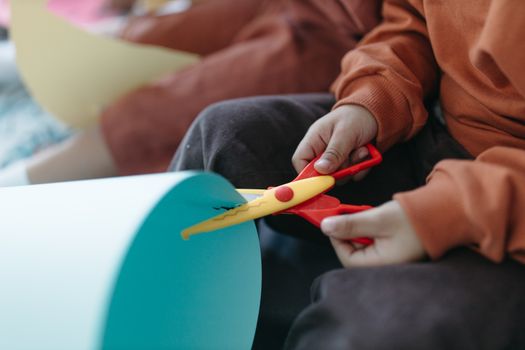
Close-up of children using colorful scissors to cut paper during a craft activity. Photo: Anastasia Shuraeva / Pexels
In a world increasingly dominated by screens, the simple act of creating with one's hands holds immense value, especially for children. DIY craft projects for kids offer a tangible way for young minds to explore their creativity, develop crucial cognitive skills, and express themselves in unique ways. From the moment a child picks up a crayon to the satisfaction of completing a complex paper-mâché sculpture, each step in the crafting process contributes to their holistic development. These activities are not just about making something pretty; they are about fostering problem-solving, improving fine motor skills, and building self-esteem. When children engage in crafts, they learn to follow instructions, adapt to unexpected challenges, and see a project through from start to finish. This teaches them patience and perseverance, qualities that are invaluable in all aspects of life. Moreover, crafting often involves colors, shapes, and textures, which stimulate sensory development and enhance their understanding of the world around them. Beyond the individual benefits, crafting can also be a wonderful social activity. Working on projects with siblings, friends, or parents encourages collaboration, communication, and sharing. It creates opportunities for quality bonding time, allowing families to connect over shared creative pursuits. Imagine the joy of building a miniature city out of cardboard boxes together, or painting a vibrant mural that brightens up a room. These shared experiences become cherished memories and contribute to a stronger family unit. Furthermore, many craft ideas promote eco-consciousness by utilizing recycled materials. Transforming old toilet paper rolls into binoculars or plastic bottles into bird feeders teaches children about sustainability and the importance of repurposing. This early exposure to environmental responsibility can shape their values and encourage them to be more mindful consumers in the future. Ultimately, investing time in DIY craft projects for kids is an investment in their growth, happiness, and future potential. It’s about more than just a finished product; it's about nurturing curious minds and joyful hearts.

Easy and Engaging Craft Ideas for Toddlers and Preschoolers
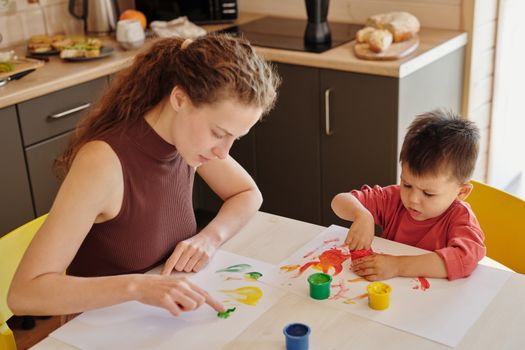
A mother and child engage in creative finger painting at a kitchen table, fostering creativity and family bonding. Photo: Werner Pfennig / Pexels
When it comes to the youngest crafters, simplicity and safety are key. Toddlers and preschoolers thrive on sensory experiences and projects that allow for open-ended exploration. The best DIY craft projects for kids in this age group are those that require minimal adult intervention (after initial setup) and use non-toxic, child-friendly materials. Finger painting, for instance, is a timeless favorite. All you need are some washable paints, large sheets of paper, and a willingness to embrace a little mess. This activity not only stimulates tactile senses but also allows for free expression of color and form. Another fantastic option is making homemade playdough. It’s incredibly easy to whip up with common kitchen ingredients like flour, salt, water, and food coloring. Kids love to knead, roll, and shape the dough, developing their fine motor skills and imaginative play. You can even add essential oils for a calming sensory experience or glitter for extra sparkle. For a quick and easy project, consider paper plate crafts. These versatile items can be transformed into anything from animal masks to colorful fish or even a sun. Simply provide paper plates, crayons, markers, glue, and various embellishments like googly eyes, yarn, or cotton balls. The possibilities are endless, and children can truly make these projects their own. Nature crafts are also a wonderful way to connect young children with the outdoors. After a walk in the park or backyard, collect leaves, twigs, small stones, and flowers. Use these natural treasures to create collages, decorate pinecones, or build miniature fairy houses. This encourages observation skills and an appreciation for the natural world. Remember, the goal for this age group is participation and discovery, not perfection. Celebrate every blob of paint and every crooked stick as a masterpiece in the making.

Creative DIY Craft Projects for Elementary School-Aged Children

As children grow older, their fine motor skills improve, and their capacity for following multi-step instructions increases, opening up a whole new world of DIY craft projects for kids. Elementary school-aged children are ready for more intricate and challenging crafts that still offer plenty of room for personal expression. One popular and rewarding project is creating friendship bracelets. Using embroidery floss and various knotting techniques, children can design unique bracelets for themselves and their friends. This activity not only teaches patience and precision but also fosters a sense of connection and generosity. There are numerous tutorials available online, ranging from simple braids to more complex patterns. Another engaging craft is building and decorating birdhouses or feeders. This project combines creativity with a love for nature. Kids can assemble pre-made wooden kits or construct simple feeders from recycled milk cartons or plastic bottles. Once built, they can paint, glitter, and adorn their creations, learning about local bird species in the process. This provides a wonderful opportunity for discussions about wildlife and environmental care. For those who enjoy working with textiles, simple sewing projects can be incredibly satisfying. Learning to sew a button, create a small felt animal, or even design a personalized tote bag introduces children to basic sewing techniques and the joy of making something functional. These skills can be a foundation for future hobbies and practical life skills. Crafting with recycled materials continues to be a fantastic avenue for this age group. Think beyond paper plates and consider transforming cardboard boxes into elaborate castles, robots, or puppet theaters. Old magazines can be cut and pasted into vibrant collages, while plastic bottles can become planters or decorative vases. These projects encourage children to see potential in discarded items, promoting resourcefulness and imaginative thinking. The key is to provide a variety of materials and allow children the freedom to experiment and innovate.

Tips for Successful Crafting and Common Mistakes to Avoid

To ensure your DIY craft projects for kids are enjoyable and successful, a few key strategies can make all the difference. First and foremost, preparation is paramount. Before starting any project, gather all necessary materials and organize your workspace. This minimizes interruptions and frustration, allowing both you and your child to focus on the creative process. Lay down protective coverings like old newspapers or a plastic tablecloth to make cleanup easier, especially when working with paints or glue. Secondly, choose age-appropriate crafts. Nothing stifles enthusiasm faster than a project that is too complex or too simple for a child's developmental stage. Always consider their fine motor skills, attention span, and cognitive abilities when selecting an activity. If a project seems a bit advanced, break it down into smaller, manageable steps. Thirdly, embrace the mess. Crafting can be inherently messy, and trying to keep everything perfectly clean can detract from the fun. Provide smocks or old clothes for your children to wear, and remind yourself that a little mess is often a sign of active engagement and exploration. Focus on the process, not just the outcome. Encourage creativity and allow children to interpret instructions in their own way. There's no single 'right' way to make art. Celebrate their unique approach and effort, rather than striving for a flawless final product. This builds confidence and fosters a love for creativity. Common mistakes to avoid: * **Over-scheduling:** Don't try to cram too many crafts into one session. Quality over quantity ensures children stay engaged and don't feel rushed. * **Lack of supervision:** While encouraging independence, always supervise young children, especially when using scissors, glue guns, or small parts. * **Ignoring safety:** Ensure all materials are non-toxic and appropriate for the child's age. Keep sharp objects out of reach or use child-safe alternatives. * **Being too critical:** Avoid correcting every mistake or trying to 'fix' your child's artwork. This can discourage their natural creativity and make them feel inadequate. * **Expecting perfection:** Remember that crafting is about the experience and skill development, not creating a gallery-worthy piece every time. Enjoy the journey!

Comparison

FeatureBest OptionAlternative 1Alternative 2
Age RangeElementary (6-10)Toddler (2-5)Pre-teen (11-13)
Key Skill FocusFine Motor, Problem-SolvingSensory, Gross MotorDesign, Complex Thinking
Material CostMediumLowMedium to High
Adult Supervision NeededModerateHighLow to Moderate
Example ProjectFriendship BraceletsFinger PaintingDIY Slime/Bath Bombs

What Readers Say

"This guide to DIY craft projects for kids has been a lifesaver for our family! We've tried so many fun and easy ideas, keeping my kids entertained for hours. It's wonderful to see them create without screens."

Sarah J. · Austin, TX

"As a busy dad, I appreciate the clear instructions and age-appropriate suggestions. My daughter loved making the paper plate animals, and it was a great bonding activity for us."

Mark T. · Denver, CO

"We've completed three of the DIY craft projects for kids from this list already! My son's fine motor skills have noticeably improved, and he's so proud of his homemade bird feeder. Highly recommend!"

Emily R. · Miami, FL

"The ideas are fantastic, though some require a bit more material prep than I anticipated. Still, the creative boost my children got from these projects was well worth the effort. Great resource overall."

David L. · Seattle, WA

"I used these DIY craft projects for kids for a birthday party activity, and they were a huge hit! The kids loved making personalized keychains, and it provided a fun, hands-on element to the celebration."

Jessica M. · Chicago, IL

Frequently Asked Questions

What are the best DIY craft projects for kids under 5?

For children under 5, focus on simple, sensory-rich projects. Finger painting, making homemade playdough, paper plate crafts, and collages using natural elements like leaves and twigs are excellent choices. Ensure all materials are non-toxic and supervision is provided.

Is crafting with kids messy? How can I minimize it?

Yes, crafting can definitely be messy, but it's part of the fun! To minimize mess, cover your workspace with old newspapers, a plastic tablecloth, or a craft mat. Have kids wear old clothes or a smock. Keep wet wipes and paper towels handy for quick cleanups.

How do I choose the right DIY craft project for my child's age?

Consider your child's fine motor skills, attention span, and interests. Toddlers benefit from simple, sensory projects, while elementary-aged children can handle more complex tasks with multiple steps. Always read instructions beforehand to gauge difficulty and material needs.

What common household items can I use for DIY craft projects?

Many fantastic crafts can be made from everyday items! Think toilet paper rolls, cardboard boxes, plastic bottles, old magazines, yarn scraps, buttons, pasta, cotton balls, and even natural items like leaves and pinecones. Repurposing encourages creativity and sustainability.

How do DIY craft projects for kids compare to store-bought craft kits?

DIY projects often offer more flexibility and encourage greater creativity as children aren't strictly following pre-designed instructions. They also tend to be more cost-effective, utilizing materials you already have. Store-bought kits can be convenient and provide all necessary components, but may limit imaginative exploration.

Who should engage in DIY craft projects for kids?

Anyone looking to foster creativity, develop fine motor skills, and spend quality time with children should engage in DIY craft projects. Parents, grandparents, teachers, and caregivers can all benefit from the bonding and developmental opportunities these activities provide for kids of all ages.

Are there any safety concerns with DIY craft projects for kids?

Yes, safety is paramount. Always use non-toxic materials, especially for younger children who might put things in their mouths. Supervise children when using scissors, glue guns, or small objects that could be choking hazards. Ensure proper ventilation if using strong-smelling glues or paints.

What are the emerging trends in DIY craft projects for kids?

Currently, there's a growing trend towards eco-friendly and sustainable crafts, utilizing recycled materials and natural elements. STEM-focused crafts that combine art with science or engineering principles are also gaining popularity, encouraging critical thinking alongside creativity. Personalized and functional crafts that kids can use or gift are also on the rise.

Ready to spark imagination and create lasting memories? Dive into our extensive collection of DIY craft projects for kids today and watch your children's creativity flourish. Start crafting, connecting, and making magic happen!

Topics: diy craft projects for kidskids craft ideaseasy crafts for childrencreative kids activitieschildren's art projects
Leo List
Brampton weed
Adultwork EstrelaBet Vai de Bet R7 Bet Betão Galera Bet Rainbet Bet9ja Shop SportyBet BetKing Sisal Loto Foot Hollywoodbets YesPlay Odibets RushBet Jugabet BetWarrior BetCity MSport betPawa Fortebet