Unlocking Wellbeing: The Benefits of Crafting for Mental Health
benefits of crafting for mental health

Unlocking Wellbeing: The Benefits of Crafting for Mental Health

Engage your hands and mind in creative pursuits to reduce stress, boost mood, and foster a deeper sense of accomplishment.

Start Crafting Your Calm

Key Takeaways

  • ✓ Crafting reduces stress and anxiety by promoting a meditative state.
  • ✓ Engaging in creative hobbies boosts self-esteem and a sense of accomplishment.
  • ✓ The repetitive nature of many crafts can improve focus and mindfulness.
  • ✓ Crafting provides a healthy outlet for emotional expression and processing.

How It Works

1
Choose Your Craft

Select a craft that genuinely interests you, whether it's knitting, painting, pottery, or woodworking. The key is to find something that sparks your curiosity and feels enjoyable, not like a chore.

2
Set Aside Dedicated Time

Integrate crafting into your routine by scheduling specific times, even if just for 15-30 minutes daily. This dedicated time signals to your brain that it's a priority for relaxation and self-care.

3
Embrace the Process, Not Just the Product

Focus on the journey of creation, the textures, colors, and movements, rather than obsessing over a perfect outcome. The therapeutic value lies in the act of making, not solely in the finished item.

4
Observe and Reflect

Pay attention to how you feel before, during, and after your crafting session. Notice shifts in your mood, stress levels, and mental clarity, reinforcing the positive impact of your creative endeavor.

The Therapeutic Power of Creative Expression

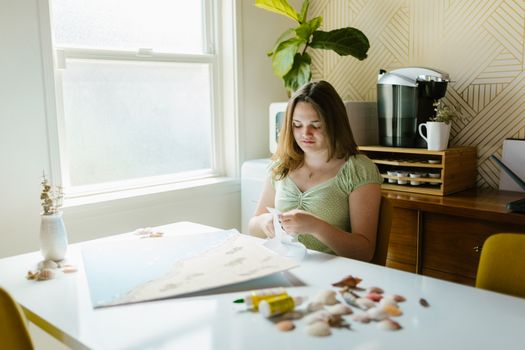
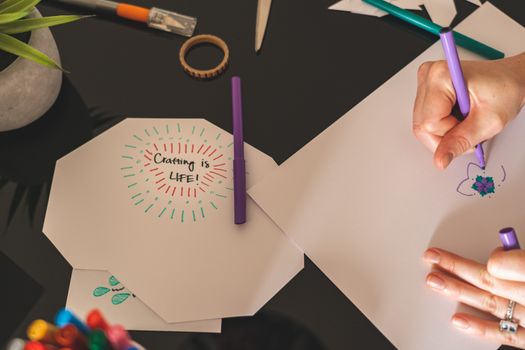
In our fast-paced modern world, where digital distractions and constant demands often leave us feeling overwhelmed and disconnected, the simple act of creating something with our hands offers a profound antidote. The therapeutic power of creative expression, particularly through crafting, has been recognized for centuries, spanning cultures and generations. It’s not merely a pastime; it’s a vital practice for nurturing our mental and emotional well-being. From the rhythmic click of knitting needles to the vibrant strokes of a paintbrush, engaging in craft provides a unique pathway to mindfulness, stress reduction, and self-discovery. At its core, crafting engages multiple senses and cognitive functions simultaneously. The tactile sensation of yarn, clay, or paper, the visual stimulation of colors and patterns, and the focused concentration required to follow a pattern or bring an idea to life all work together to create a deeply immersive experience. This immersion acts as a powerful distraction from anxious thoughts and ruminations, effectively pulling the mind into the present moment. Unlike passive entertainment, crafting demands active participation and problem-solving, which can be incredibly empowering. When you’re focused on threading a needle or shaping a piece of pottery, there’s less mental bandwidth available for worry or self-criticism. This is why many crafters report entering a 'flow state,' a term coined by psychologist Mihaly Csikszentmihalyi, where time seems to disappear, and the activity itself becomes intrinsically rewarding. This state is characterized by intense focus and enjoyment, leading to a heightened sense of happiness and fulfillment. Moreover, creative expression through crafting offers a safe and non-verbal channel for processing emotions. Sometimes, words fail us when we try to articulate complex feelings. Crafting allows these emotions to manifest in a tangible form – perhaps a dark, brooding painting when feeling sad, or a bright, chaotic collage when feeling overwhelmed. This externalization can be incredibly cathartic, helping individuals to understand and release pent-up emotions without the pressure of verbal communication. It provides a sense of control over an internal landscape that might otherwise feel chaotic. The act of bringing something new into existence, even if it’s just a small embroidered motif, can instill a profound sense of purpose and agency. This isn't just about making pretty things; it's about making sense of our inner world and building resilience. Discover more about how various types of crafts can uniquely support this journey.

Reducing Stress and Anxiety Through Focused Creation
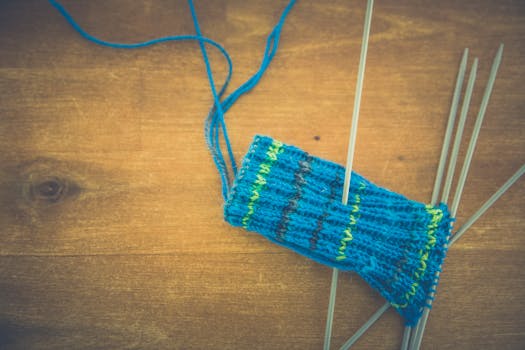
One of the most widely acknowledged benefits of crafting for mental health is its remarkable ability to reduce stress and anxiety. In an era dominated by screens and constant digital notifications, our brains are often in a state of hyper-arousal. Crafting offers a much-needed reprieve, acting as a natural tranquilizer for the nervous system. The repetitive, rhythmic motions inherent in many crafts—like knitting, crocheting, weaving, or even sanding wood—mimic the calming effects of meditation. These actions engage the parasympathetic nervous system, responsible for the body's 'rest and digest' functions, thereby lowering heart rate, blood pressure, and muscle tension. It’s a form of active meditation, where the hands are busy, but the mind finds peace. Consider the act of knitting, for instance. The consistent looping of yarn, the counting of stitches, and the gradual emergence of a fabric pattern demand just enough attention to keep the mind engaged without allowing it to wander into anxious territory. This focused attention diverts mental energy away from stressors and towards a tangible, manageable task. The brain shifts from a state of worry to a state of calm concentration, fostering a sense of control and order. For individuals struggling with generalized anxiety, this structured engagement can be incredibly grounding. It provides a safe mental space where the only 'problem' to solve is the next stitch or the next brushstroke, rather than the overwhelming uncertainties of life. Beyond the immediate calming effect, crafting also offers a sense of predictability and accomplishment, which are crucial for managing anxiety. In a world that often feels unpredictable, the ability to start a project and see it through to completion, understanding the steps involved and anticipating the outcome, can be immensely reassuring. Each completed row, each finished component, serves as a small victory, building confidence and reinforcing a sense of capability. This cumulative effect not only reduces current stress but also builds a reservoir of resilience for future challenges. The tangible evidence of your effort – a finished scarf, a painted canvas, a handcrafted piece of jewelry – provides a powerful reminder of your ability to create, to persevere, and to bring beauty into the world, offering a tangible counterpoint to feelings of helplessness or inadequacy.

Boosting Self-Esteem and Fostering Connection

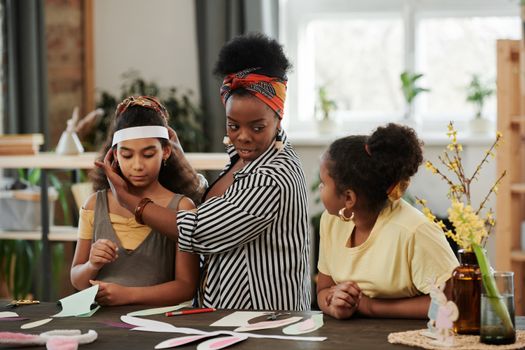
Beyond calming the mind, crafting plays a significant role in boosting self-esteem and fostering meaningful social connections, two pillars of robust mental health. The process of creating something from scratch, whether it's a simple drawing or an intricate quilt, culminates in a tangible product that represents your effort, skill, and unique vision. This visible evidence of accomplishment is a powerful self-esteem booster. When you hold a finished piece in your hands, you're holding proof of your creativity, perseverance, and ability to bring an idea to fruition. This sense of achievement can be particularly impactful for individuals who may feel undervalued in other areas of their lives or who struggle with self-doubt. It provides a concrete example of their competence and worth, leading to a healthier self-perception. Furthermore, crafting often involves learning new skills, overcoming challenges, and problem-solving, all of which contribute to a growth mindset. Each time you master a new technique or successfully navigate a tricky pattern, you're not just improving your craft; you're reinforcing your belief in your own capabilities. This continuous learning process keeps the brain engaged and fosters a sense of personal growth, which is intrinsically linked to positive mental well-being. The positive feedback loop of learning, creating, and achieving helps to build a stronger, more resilient self-image. It moves individuals away from a passive consumption mindset towards an active, empowered creation mindset. Crafting also serves as an incredible catalyst for social connection. While many crafts can be solitary pursuits, they frequently lead to communities of like-minded individuals. Crafting groups, workshops, online forums, and local craft fairs provide opportunities to share experiences, exchange tips, and celebrate successes with others who understand and appreciate the craft. These interactions combat feelings of isolation and loneliness, which are significant contributors to mental health issues. Sharing your creations, receiving positive feedback, and collaborating on projects can create strong bonds and a sense of belonging. Whether it's a knitting circle at a local library or an online community discussing pottery techniques, these shared interests forge connections that extend beyond the craft itself, offering invaluable social support and companionship. Exploring various craft communities can help you find your tribe and enhance these benefits.

Practical Tips for Integrating Crafting into Your Wellness Routine

Integrating crafting into your daily or weekly routine doesn't require a dedicated studio or expert skills; it simply requires intentionality and a willingness to explore. Here are some practical tips to help you harness the benefits of crafting for mental health: * **Start Small and Simple:** Don't feel pressured to tackle an elaborate project right away. Begin with simple crafts like coloring, sketching, basic embroidery, or making friendship bracelets. The goal is engagement and enjoyment, not perfection. A small success can be a powerful motivator. * **Dedicate a 'Crafting Corner':** Even if it's just a small box with supplies or a corner of your kitchen table, having a designated space makes it easier to start and stop projects without a major setup or cleanup. This signals to your brain that this space is for creative relaxation. * **Explore Different Mediums:** Don't limit yourself to one type of craft. Experiment with various mediums like paper crafts, painting, pottery, jewelry making, or even cooking and baking (which can also be very meditative). You might discover a hidden talent or a craft that uniquely resonates with you. * **Focus on the Process, Not Just the Product:** As mentioned, the therapeutic value is often in the act of making. Try to release expectations about the final outcome. Embrace imperfections as part of the creative journey. If a project doesn't turn out 'perfectly,' it's still a learning experience and a moment of mindful engagement. * **Join a Community (Online or In-Person):** Connect with other crafters. Online forums, local craft groups, or workshops can provide inspiration, support, and a sense of belonging. Sharing your work and learning from others can significantly enhance your crafting experience. * **Use Crafting as a Mindfulness Tool:** Before you begin, take a few deep breaths. Pay attention to the textures, colors, and sounds involved in your craft. Notice how your body feels as you work. This intentional presence amplifies the stress-reducing effects. * **Don't Be Afraid to Take Breaks:** If you feel frustrated or stuck, step away for a bit. Sometimes a fresh perspective is all you need to overcome a creative block. Crafting should be a source of joy, not another source of pressure. By consciously weaving crafting into your self-care regimen, you can cultivate a powerful tool for managing stress, boosting mood, and fostering a deeper sense of personal well-being. It’s an investment in your mental health that yields tangible and beautiful returns.

Comparison

FeatureKnitting/CrochetPainting/DrawingPottery/SculptingPaper Crafts (Origami, Card Making)
Stress ReductionHigh (repetitive, rhythmic)High (expressive, focused)High (tactile, grounding)Medium (precise, meditative)
Self-Esteem BoostHigh (wearable, gifts)High (displayable art)High (functional, artistic)Medium (gifts, decor)
Skill Level EntryEasy (basic stitches)Easy (simple sketching)Medium (equipment needed)Easy (folding, cutting)
Material CostLow to MediumLow to HighMedium to HighLow
Social InteractionHigh (groups, circles)Medium (classes)High (workshops, studios)Medium (groups, swaps)
Mess LevelLowMedium to HighHighLow to Medium

What Readers Say

"Picking up embroidery during a tough time was a game-changer. The focus required truly silences my overthinking mind, and seeing a pattern come to life with my own hands is incredibly satisfying. It's become my go-to for de-stressing."

Sarah J. · Austin, TX

"I used to think crafting was just for kids, but woodworking has totally changed my perspective. The precision and patience involved in carving helps me clear my head, and I feel a huge sense of accomplishment with every finished piece. It's a fantastic mental break from my demanding job."

Mark D. · Seattle, WA

"After struggling with anxiety for years, my therapist suggested a creative outlet. I tried painting, and it's been transformative. I can express emotions I can't put into words, and the process itself is so calming. I've noticed a significant reduction in my anxiety attacks."

Emily R. · Denver, CO

"While I wouldn't say knitting cures all my stress, it's definitely a powerful tool. It helps me wind down in the evenings and keeps my hands busy, preventing me from mindlessly scrolling. Sometimes I get frustrated with dropped stitches, but the overall benefit to my mood is undeniable."

David L. · Chicago, IL

"I started making jewelry to cope with a recent loss, and it became my therapy. The delicate work and focus allowed me to channel my grief into something beautiful. Each piece holds a special meaning, and the process helped me heal and reconnect with my inner strength."

Maria G. · Miami, FL

Frequently Asked Questions

What are the primary benefits of crafting for mental health?

The primary benefits include significant stress and anxiety reduction, enhanced mindfulness and focus, a boost in self-esteem and sense of accomplishment, and a healthy outlet for emotional expression. Crafting can also foster social connections and provide a sense of purpose, contributing to overall psychological well-being.

Do I need to be 'artistic' to experience the mental health benefits of crafting?

Absolutely not. The benefits of crafting for mental health are accessible to everyone, regardless of artistic talent or experience. The therapeutic value comes from the process of creation, engagement, and focus, not from producing a masterpiece. Starting with simple projects and focusing on enjoyment is key.

How can I start crafting if I'm a complete beginner?

Begin by choosing a simple, low-cost craft that piques your interest, like coloring books for adults, basic drawing, simple knitting or crocheting, or paper crafts like origami. Look for online tutorials, beginner kits, or local workshops. The most important step is to just start and allow yourself to learn and experiment without pressure.

Is crafting an expensive hobby, and how can I keep costs down?

Crafting can range from very inexpensive to quite costly, depending on the chosen medium. To keep costs down, start with crafts that require minimal supplies (e.g., drawing with pencils, simple embroidery with a basic kit, collecting natural materials). Utilize online resources for free patterns and tutorials, repurpose materials, and check out thrift stores or community craft swaps for supplies.

How does crafting compare to other mindfulness practices like meditation?

Crafting can be considered a form of active mindfulness or 'moving meditation.' While traditional meditation often involves sitting still and focusing on breath, crafting achieves a similar state of focused presence by engaging the hands and mind in a repetitive, creative task. Both practices reduce mental chatter and promote a sense of calm, but crafting offers the added benefit of a tangible outcome and a sense of accomplishment.

Who specifically can benefit from crafting for mental health?

Anyone looking to improve their mental well-being can benefit. This includes individuals experiencing stress, anxiety, depression, or loneliness, those seeking a creative outlet, people recovering from trauma, or even those simply wanting to cultivate more mindfulness and joy in their daily lives. It's a universally beneficial practice.

Are there any risks or downsides to using crafting for mental health?

Generally, crafting carries very few risks. However, sometimes individuals might experience frustration if a project isn't going as planned or if they set unrealistic expectations for themselves. It's important to approach crafting with a mindset of exploration and self-compassion, rather than aiming for perfection, to maximize its positive mental health impact.

What are the future trends in crafting for mental health?

Future trends include a greater emphasis on sustainable and eco-friendly crafting, the integration of crafting into therapeutic practices (e.g., art therapy), personalized crafting experiences through AI recommendations, and the continued growth of online crafting communities and virtual workshops making it more accessible globally. The focus will remain on crafting as a vital tool for holistic well-being.

Embrace the profound benefits of crafting for mental health and transform your daily life. Whether you seek stress relief, a creative outlet, or a boost in self-esteem, the journey of making with your hands offers a powerful path to inner peace and personal growth. Start your crafting adventure today and discover a happier, more balanced you.

Topics: benefits of crafting for mental healthcraft therapycreative expression wellbeingstress relief craftsmindfulness crafting
Leo List
Brampton weed
Adultwork EstrelaBet Vai de Bet R7 Bet Betão Galera Bet Rainbet Bet9ja Shop SportyBet BetKing Sisal Loto Foot Hollywoodbets YesPlay Odibets RushBet Jugabet BetWarrior BetCity MSport betPawa Fortebet