
What is a Craft Brewery? Your Guide to Artisan Beer
Explore the passion, independence, and innovative spirit defining America's craft beer revolution, from local taprooms to your glass.
Discover Craft BeerKey Takeaways
- ✓ Craft breweries are defined by independence, small size, and traditional brewing methods.
- ✓ The Brewers Association sets specific criteria for 'craft' status.
- ✓ Innovation in ingredients and styles is a hallmark of craft brewing.
- ✓ Local community engagement is a core value for many craft breweries.
How It Works
A craft brewery must be less than 25% owned or controlled by an alcoholic beverage industry member that is not itself a craft brewer. This ensures autonomy in decision-making and business practices.
Craft brewers produce 6 million barrels of beer or less per year. This limitation allows for greater attention to detail, quality, and often, experimental small-batch brewing.
The primary focus is on brewing beer, with or without adjuncts, that enhances flavor. This commitment to quality and distinctiveness sets them apart from mass-produced lagers.
Craft breweries are known for pushing boundaries with new styles and ingredients, while also fostering strong ties with their local communities through taprooms and events.
Unpacking the Essence: What Defines a Craft Brewery?
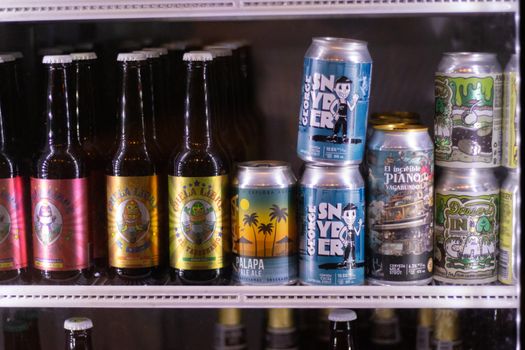 Photo: Rodrigo Ortega / Pexels
The Evolution of Craft: From Homebrew to Industry Powerhouse
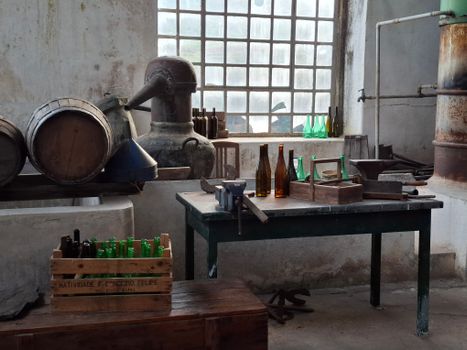 Photo: Filipa Moreira / Pexels
Beyond the Brew: The Community and Culture of Craft Beer
 Photo: cottonbro studio / Pexels
Navigating the Craft Beer Landscape: Tips for Enthusiasts and Newcomers
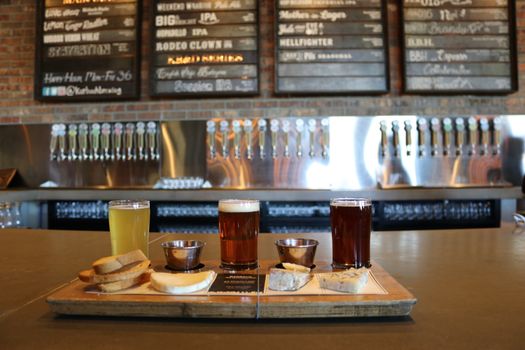 Photo: ELEVATE / Pexels
Comparison
| Feature | Craft Brewery | Macro Brewery | Homebrew Setup |
|---|---|---|---|
| Independence | ✓ (less than 25% non-craft ownership) | ✗ (corporate-owned) | ✓ (100% personal control) |
| Production Volume (Annual) | ≤ 6 million barrels | > 6 million barrels | < 1000 gallons |
| Primary Focus | Flavor, Quality, Innovation | Volume, Consistency, Market Share | Experimentation, Personal Taste |
| Distribution | Local/Regional, sometimes National | National/Global | Personal consumption, sharing with friends |
| Community Engagement | High (taprooms, local events) | Low (marketing campaigns) | High (local clubs, personal network) |
| Ingredient Sourcing | Often local, high-quality, varied | Industrial scale, cost-driven | Personal choice, specialty suppliers |
What Readers Say
"This guide perfectly explains what is a craft brewery! I always loved the local taprooms but never fully grasped the independence and passion behind them. Now I appreciate each pint even more."
Sarah J. · Portland, OR"As a budding homebrewer, understanding the Brewers Association's definition of what is a craft brewery gave me so much insight into the industry I admire. It's truly about quality and community over pure profit."
Mark D. · Denver, CO"I used to just buy whatever was on sale, but after reading this, I'm actively seeking out local craft breweries. The focus on flavor and community is a game-changer for my beer choices."
Emily R. · Austin, TX"The article is very informative about what is a craft brewery, though I wish it delved a bit more into the economic challenges faced by smaller operations. Still, a fantastic overview for anyone curious about craft beer."
David L. · Chicago, IL"This piece clarified the distinction between craft and mass-produced beer for me. I now understand why my favorite neighborhood brewery feels so different and special compared to bigger brands."
Jessica M. · New York, NYFrequently Asked Questions
What is the primary difference between a craft brewery and a macro brewery?
The primary differences lie in independence, production volume, and brewing philosophy. Craft breweries are independently owned (less than 25% non-craft ownership), produce 6 million barrels or less annually, and prioritize flavor, quality, and traditional brewing methods. Macro breweries are typically large, corporate-owned entities with much higher production volumes, often focusing on consistency and market share with broader distribution.
Do craft breweries only make IPAs?
Absolutely not! While IPAs are a very popular style within the craft beer movement, craft breweries are celebrated for their incredible diversity. They brew everything from traditional lagers, pilsners, and stouts to experimental sours, saisons, barrel-aged beers, and fruit-infused ales. The spirit of innovation is a hallmark of craft brewing, encouraging a vast array of styles and flavors.
How can I find a craft brewery near me?
There are several ways to find local craft breweries. You can use online brewery locators provided by organizations like the Brewers Association, or use apps like Untappd, Yelp, or Google Maps to search for 'breweries near me.' Many local tourism boards also list craft breweries as attractions. Visiting local bottle shops or specialty beer stores can also provide excellent recommendations.
Is craft beer more expensive than mass-produced beer?
Generally, yes, craft beer tends to be more expensive than mass-produced beer. This is due to several factors: higher quality and often more expensive ingredients, smaller batch sizes, more labor-intensive brewing processes, and a focus on unique, complex flavors rather than cost-cutting. However, many consumers find the enhanced quality, variety, and supporting local businesses worth the extra cost.
Are all small breweries considered 'craft'?
Not necessarily. While most small breweries meet the size criteria, the 'craft' designation, as defined by the Brewers Association, also requires independence. If a small brewery is owned or significantly controlled by a large, non-craft alcoholic beverage company, it would not be classified as a craft brewery, even if its production volume is low. This distinction is crucial for maintaining the integrity of the craft label.
Who should explore craft breweries?
Anyone with an interest in diverse flavors, supporting local businesses, or experiencing a unique community atmosphere should explore craft breweries. Whether you're a seasoned beer connoisseur looking for new and exciting tastes, a foodie interested in culinary pairings, or simply someone seeking a relaxing and social environment, the craft beer scene offers something for everyone.
Is craft beer safe to drink?
Yes, craft beer is absolutely safe to drink. Craft breweries adhere to strict health and safety regulations, just like any other food and beverage producer. Their focus on quality often means meticulous attention to hygiene and proper brewing practices. As with any alcoholic beverage, responsible consumption is key.
What are the future trends for craft breweries?
Future trends for craft breweries include continued innovation in beer styles (e.g., non-alcoholic craft, functional beers), a growing emphasis on sustainability and local sourcing, increased focus on direct-to-consumer sales and taproom experiences, and greater diversity and inclusion within the industry. We can also expect more breweries to explore hybrid beverage categories and expand into cider, seltzer, and spirits.
Now that you have a comprehensive understanding of what is a craft brewery, we encourage you to embark on your own journey of discovery. Visit a local taproom, sample a new style, and experience the passion and craftsmanship firsthand. Support the independent spirit that continues to shape America's vibrant beer culture.