Explore Diverse Types of Crafting Hobbies for Every Creator
types of crafting hobbies

Explore Diverse Types of Crafting Hobbies for Every Creator

Discover your next passion project and unleash your inner artist with our comprehensive guide to crafting.

Find Your Craft

Key Takeaways

  • ✓ Crafting reduces stress and anxiety by promoting mindfulness and focus.
  • ✓ Many crafts require minimal initial investment, making them accessible to all.
  • ✓ Developing crafting skills can boost self-esteem and provide a sense of accomplishment.
  • ✓ Crafting offers opportunities for social connection through workshops and communities.

How It Works

1
Identify Your Interests

Consider what materials or processes appeal to you. Do you enjoy working with textiles, paper, wood, or digital tools?

2
Research & Explore

Dive into different craft types, watching videos or reading blogs. This helps narrow down options and understand what each entails.

3
Gather Basic Supplies

Start with a beginner's kit or essential tools for your chosen craft. Avoid overspending until you're sure it's a good fit.

4
Start Creating & Learning

Begin with simple projects and don't be afraid to make mistakes. Join online communities or local classes for guidance and inspiration.

Textile Arts: Weaving, Knitting, Sewing, and Beyond
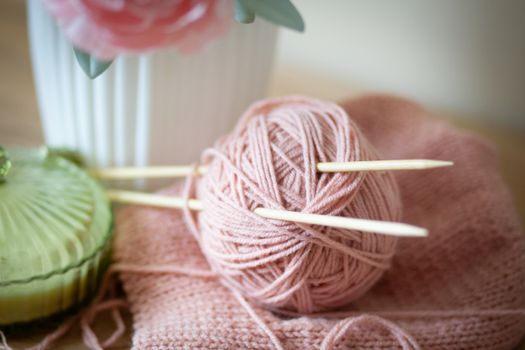
Close-up of pastel pink yarn and knitting needles. Ideal for handmade crafts and needlework themes. Photo: olga Volkovitskaia / Pexels
The world of textile arts is perhaps one of the most ancient and enduring types of crafting hobbies, offering an incredibly rich tapestry of techniques and materials to explore. From the rhythmic click of knitting needles to the whirring of a sewing machine, these crafts allow you to transform fibers into functional items, wearable art, or decorative pieces. Knitting and crocheting, for instance, involve manipulating yarn with needles or hooks to create fabric. They are often lauded for their meditative qualities, as the repetitive motions can be incredibly soothing and stress-reducing. Beginners might start with simple scarves or dishcloths, gradually progressing to intricate garments, blankets, or even amigurumi figures. The beauty of these crafts lies in their portability and the relatively low initial investment required, often just a set of needles/hooks and a skein of yarn. Sewing, on the other hand, opens up possibilities for garment creation, home décor, quilting, and even intricate embroidery. Whether by hand or machine, sewing allows for precise construction and the combination of different fabrics and textures. Quilting, a specific branch of sewing, involves piecing together fabric scraps to create larger, often patterned, designs. It's a craft steeped in history and community, with many quilters joining guilds to share techniques and collaborate on projects. Embroidery, another delicate textile art, uses needle and thread to add decorative designs to fabric. This can range from simple cross-stitch patterns to elaborate, free-form artistry. Beyond these popular forms, textile arts also encompass weaving, macrame, felting (wet or needle), and dyeing, each offering unique challenges and creative expressions. The tactile nature of working with fabrics, the endless color palettes, and the satisfaction of creating something both beautiful and useful make textile arts a deeply rewarding category within the many craft disciplines. Many find that mastering a textile craft not only provides a creative outlet but also fosters a sense of self-sufficiency and an appreciation for handmade goods.

Paper Crafts: From Scrapbooking to Origami and Card Making

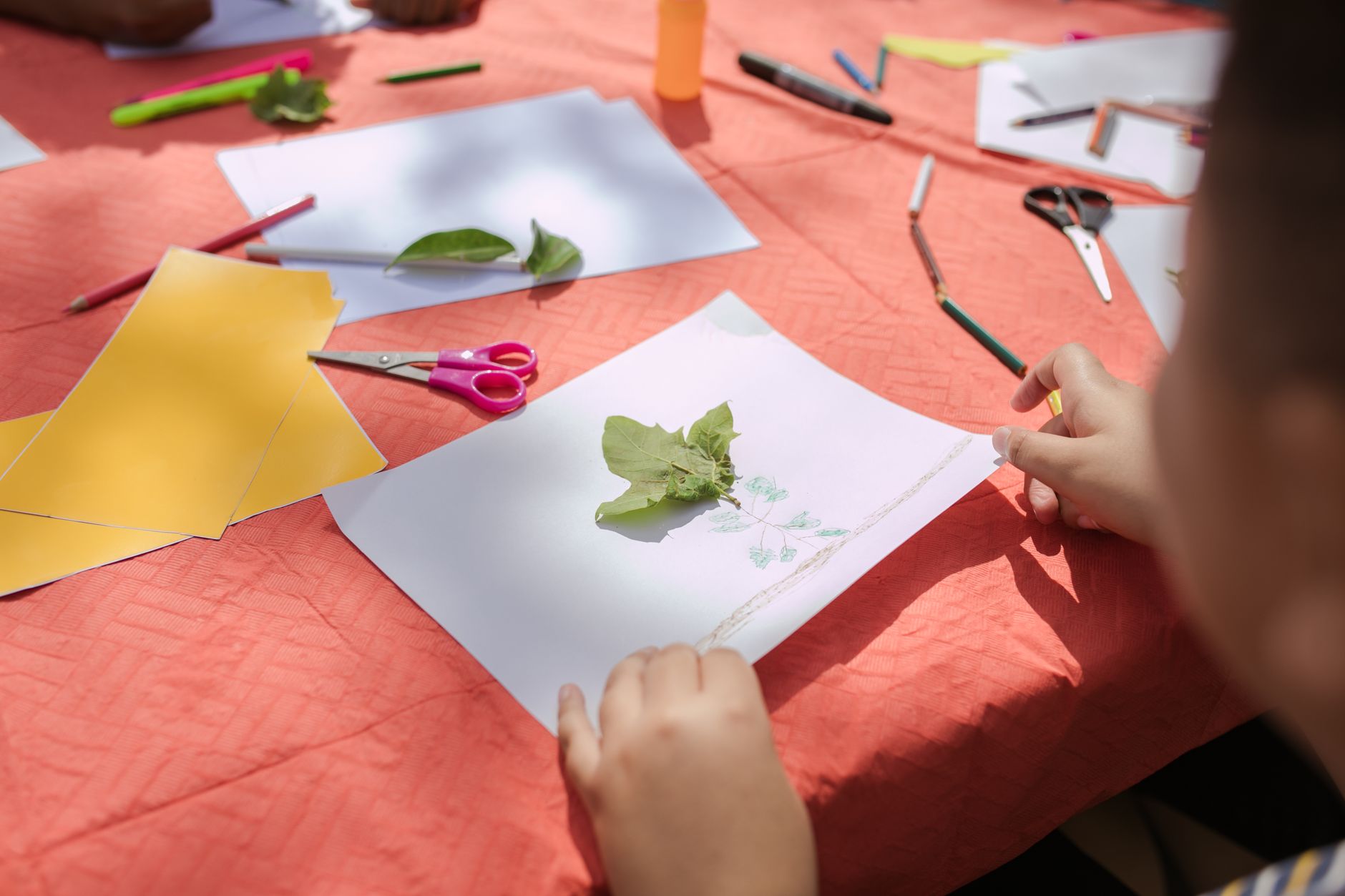
Crop anonymous person gluing set of photos to poster on wooden surface in daylight Photo: George Milton / Pexels
Paper crafts are a surprisingly versatile and accessible category among the many types of crafting hobbies, offering endless possibilities for creativity with just a few basic supplies. The beauty of paper lies in its affordability and availability, making it an excellent starting point for crafters of all ages and skill levels. Scrapbooking, for example, is a beloved paper craft that allows individuals to preserve memories, photographs, and mementos in beautifully designed albums. It combines elements of journaling, photography, and graphic design, enabling creators to tell stories through visual and written elements. The industry has blossomed, offering a vast array of specialty papers, embellishments, stickers, and tools to personalize each page, making every scrapbook a unique family heirloom. Card making is another immensely popular paper craft, providing a tangible way to express sentiments for birthdays, holidays, or just because. With various papers, stamps, inks, dies, and embellishments, crafters can create bespoke cards that often hold more personal value than store-bought alternatives. This craft encourages experimentation with color, texture, and layout, and many find joy in designing unique greetings for loved ones. Origami, the ancient Japanese art of paper folding, transforms a flat sheet of paper into intricate three-dimensional objects without cutting or gluing. It's a craft that demands precision, patience, and spatial reasoning, resulting in elegant cranes, flowers, or complex geometric forms. The challenge of mastering a new fold and the satisfaction of seeing a form emerge from a simple square of paper are deeply rewarding. Beyond these, paper crafts also include quilling (rolling thin strips of paper into decorative designs), paper cutting (creating intricate designs by cutting paper), decoupaging (decorating objects with paper cutouts), and even creating paper flowers or sculptures. Each technique offers a different creative challenge and aesthetic outcome. The relatively low cost of entry, coupled with the vast array of creative expressions possible, makes paper crafts an inviting entry point for anyone looking to explore the diverse types of crafting hobbies. Whether you're preserving memories, sending heartfelt messages, or simply enjoying the meditative process of folding, paper crafts offer a delightful and accessible avenue for artistic expression.

Dimensional Crafts: Pottery, Woodworking, and Jewelry Making
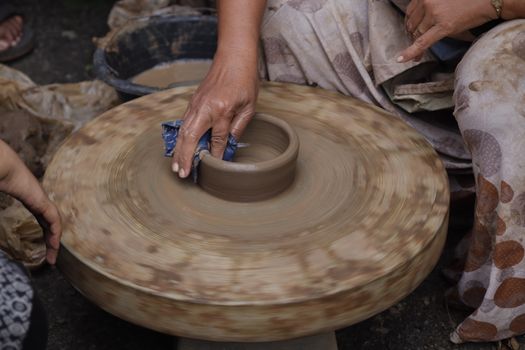
Close-up of pottery being shaped by hand on a spinning wheel in a traditional setting. Photo: RIAN ANDRIANI / Pexels
Dimensional crafts represent a fascinating subset of crafting hobbies that involve working with materials to create three-dimensional objects, often requiring specialized tools and techniques. These crafts offer a unique satisfaction as they transform raw materials into tangible, functional, or decorative forms that occupy space. Pottery, for instance, is an ancient art form that involves shaping clay into vessels, sculptures, or tiles, which are then fired in a kiln to harden them. This craft can be incredibly therapeutic, with the tactile experience of molding clay with one's hands often described as deeply meditative. Potters can work on a wheel to create symmetrical forms like bowls and cups, or hand-build more organic shapes through techniques like coiling or slab building. The process of glazing adds another layer of artistic expression, allowing for vibrant colors and intricate designs. The journey from a lump of clay to a finished, food-safe mug or a beautiful decorative vase is a testament to patience and skill, making pottery a highly rewarding pursuit among various craft categories. Woodworking, another robust dimensional craft, involves shaping wood into furniture, decorative items, carvings, or functional tools. This craft requires a different set of skills, including measuring, cutting, joining, and finishing wood. From intricate wood carving to constructing sturdy bookshelves, woodworking offers a broad spectrum of projects suitable for various skill levels. It's a craft that connects individuals with the natural world, utilizing different types of wood, each with its unique grain and characteristics. The precision required and the tangible results — a beautiful, lasting piece of furniture or a hand-carved sculpture — provide immense satisfaction. Safety is paramount in woodworking, necessitating careful handling of tools and adherence to proper techniques, but the rewards are well worth the effort. Jewelry making, while often on a smaller scale, is equally dimensional and incredibly diverse. This craft involves creating wearable art from a multitude of materials such as metal, beads, wire, clay, resin, or even recycled components. Techniques can range from simple bead stringing and wire wrapping to more advanced metalworking, such as soldering, casting, and stone setting. The appeal of jewelry making lies in its ability to produce unique pieces that reflect personal style or serve as thoughtful gifts. It combines elements of design, material science, and fine motor skills. Whether crafting delicate earrings, bold statement necklaces, or custom rings, jewelry making offers a boundless arena for creativity and precision. These dimensional crafts, though sometimes requiring a steeper initial investment in tools and materials, offer profound opportunities for skill development, artistic expression, and the creation of lasting, impactful pieces.

Tips for Starting Your Crafting Journey & Common Mistakes to Avoid
Wooden blocks arranged to spell 'Sorry' on a light, neutral background. Photo: Ann H / Pexels
Embarking on a crafting journey can be an incredibly fulfilling experience, but like any new endeavor, it comes with its own set of considerations. Here are some essential tips to help you get started and common pitfalls to steer clear of. **Tips for Starting:** * **Start Small and Simple:** Don't aim for a masterpiece on your first try. Begin with beginner-friendly projects that allow you to learn basic techniques without feeling overwhelmed. This builds confidence and familiarity with your chosen craft. * **Research and Learn:** Utilize the wealth of resources available – YouTube tutorials, craft blogs, online courses, and local workshops. Seeing a technique demonstrated or having an instructor guide you can make a huge difference. * **Invest in Quality Basic Tools:** While it's tempting to buy the cheapest options, investing in decent quality basic tools will make your crafting experience much more enjoyable and produce better results. You don't need the most expensive, but avoid flimsy tools. * **Embrace Imperfection:** Your first projects won't be perfect, and that's okay! Crafting is a journey of learning and improvement. View mistakes as learning opportunities rather than failures. * **Join a Community:** Connect with other crafters online or in person. Sharing ideas, getting feedback, and seeing others' work can be incredibly inspiring and motivating. Plus, it's a great way to troubleshoot problems. * **Set Aside Dedicated Time:** Even short, consistent crafting sessions can lead to significant progress. Make crafting a regular part of your routine. **Common Mistakes to Avoid:** * **Buying Too Many Supplies Too Soon:** It's easy to get carried away in a craft store, but resist the urge to buy every shiny new gadget or a rainbow of every material. Start with project-specific supplies and expand as your skills and interests develop. * **Comparing Yourself to Experts:** Social media often showcases polished, professional work. Remember that these crafters have likely spent years honing their skills. Focus on your own progress and enjoyment, not on matching someone else's expert level. * **Ignoring Safety Precautions:** Especially with crafts involving sharp tools, heat, or chemicals (like woodworking, jewelry making, or resin crafts), always read instructions and use appropriate safety gear (gloves, eye protection, masks). * **Giving Up After Initial Frustration:** Every craft has a learning curve. There will be moments where you feel like quitting. Push through these; often, a breakthrough is just around the corner. * **Not Organizing Your Workspace:** A cluttered workspace can be demotivating and make it hard to find what you need. Even a small dedicated space that's organized can significantly improve your crafting experience. * **Being Afraid to Experiment:** Once you've learned the basics, don't be afraid to deviate from patterns or try new combinations. True creativity often blossoms when you step outside the lines. By keeping these tips in mind and avoiding common pitfalls, you can ensure your exploration into the diverse types of crafting hobbies is a positive, rewarding, and long-lasting adventure.

Comparison

FeatureKnittingPotteryScrapbookingWoodworking
Initial CostLowMedium-HighLow-MediumMedium-High
Space RequiredLow (portable)Medium (studio/kiln)Medium (table)High (workshop)
Skill Level EntryBeginner-FriendlyMedium (classes recommended)Beginner-FriendlyMedium (safety critical)
Mess LevelLowHigh (clay/glaze)Low-Medium (paper scraps)High (sawdust)
Tangible Output

What Readers Say

"This guide truly opened my eyes to so many types of crafting hobbies I hadn't considered. I started with knitting after reading this, and it's been such a calming and rewarding experience."

Sarah J. · Austin, TX

"As someone looking for a new creative outlet, this article was incredibly helpful. The detailed descriptions for each craft helped me narrow down my choices effectively."

Mark D. · Seattle, WA

"I used to think crafting was just for kids, but this resource showed me the depth and variety available. I've now successfully completed my first small woodworking project, all thanks to the inspiration here!"

Emily R. · Miami, FL

"A very comprehensive overview of crafting hobbies. While I wish there were more details on advanced techniques, it's an excellent starting point for beginners or those seeking new ideas."

David L. · Denver, CO

"I loved how this article broke down different types of crafting hobbies. It made finding a new activity for my weekly 'me time' so much easier and more exciting. Highly recommend!"

Jessica M. · Chicago, IL

Frequently Asked Questions

What are the most popular types of crafting hobbies for beginners?

For beginners, popular and accessible crafting hobbies include knitting, crocheting, basic sewing projects (like pillowcases), card making, scrapbooking, and simple jewelry making (beading). These often require minimal initial investment and have abundant free tutorials available online, making them easy to pick up and enjoy without much prior experience.

Is crafting an expensive hobby to get into?

Not necessarily. While some crafts like woodworking or pottery can require significant initial investment in tools and equipment, many types of crafting hobbies are very affordable. Paper crafts, knitting, crocheting, and even some forms of jewelry making can be started with just a few dollars for basic supplies, allowing you to explore without breaking the bank.

How do I choose the right type of crafting hobby for me?

Consider your interests, available space, budget, and what kind of end product you'd like to create. Do you prefer working with textiles, paper, or more solid materials? Are you looking for a portable hobby or something that requires a dedicated workspace? Experimentation is key; start with a low-cost option and see what sparks your passion.

Can crafting help with stress and mental well-being?

Absolutely. Many studies and anecdotal evidence suggest that engaging in crafting hobbies can significantly reduce stress, anxiety, and even symptoms of depression. The repetitive motions, focus required, and the sense of accomplishment from creating something tangible contribute to mindfulness and improved mental well-being, offering a healthy escape from daily pressures.

How do digital crafts compare to traditional hands-on crafting?

Digital crafts, such as graphic design, digital art, or 3D printing design, offer a different medium for creativity, often requiring software proficiency and computer access. Traditional hands-on crafting involves tactile engagement with physical materials. Both offer unique rewards; digital crafts allow for easy iteration and sharing, while traditional crafts provide a sensory experience and a tangible, often unique, physical product.

Who should consider exploring different types of crafting hobbies?

Anyone looking for a creative outlet, a way to relax and de-stress, or a means to express themselves should consider exploring crafting hobbies. It's suitable for all ages, from children developing fine motor skills to seniors seeking engaging activities, and for individuals wanting to make personalized gifts or decorate their homes.

Are there any safety concerns when starting certain types of crafting hobbies?

Yes, some crafts involve potential safety concerns. Woodworking and metalworking use sharp tools and power equipment, requiring eye protection and careful handling. Crafts involving chemicals like glues, paints, or resins may need proper ventilation and gloves. Always research and follow safety guidelines specific to your chosen craft to prevent injuries.

What are some emerging trends in crafting hobbies?

Emerging trends in crafting include sustainable crafting (upcycling, natural dyeing), digital fabrication (3D printing, laser cutting), mindful crafting (focusing on the process for mental well-being), and community-based crafting initiatives. There's also a growing interest in traditional crafts with modern twists, blending old techniques with contemporary aesthetics and materials.

Ready to ignite your creative spark? Dive into the wonderful world of crafting and discover which of these diverse types of crafting hobbies resonates most with you. Your next fulfilling passion project awaits!

Topics: types of crafting hobbiescrafting ideascreative hobbiesDIY craftsartistic pursuits
Leo List
Brampton weed
Adultwork EstrelaBet Vai de Bet R7 Bet Betão Galera Bet Rainbet Bet9ja Shop SportyBet BetKing Sisal Loto Foot Hollywoodbets YesPlay Odibets RushBet Jugabet BetWarrior BetCity MSport betPawa Fortebet