What are the different types of crafting? Your ultimate guide!
types of crafting

What are the different types of crafting? Your ultimate guide!

Explore the vast world of crafting, uncover diverse techniques, and find the perfect creative pursuit to ignite your passion.

Start Crafting Today!

Key Takeaways

  • ✓ Crafting encompasses a wide array of disciplines, from traditional fiber arts to modern digital creations.
  • ✓ Many crafts offer therapeutic benefits, reducing stress and fostering mindfulness.
  • ✓ The crafting community is vibrant and supportive, offering endless opportunities for learning and sharing.
  • ✓ Getting started often requires minimal investment, making many crafts accessible to beginners.

How It Works

1
Identify Your Interest

Consider what materials, textures, or processes appeal to you most. Do you enjoy working with your hands, or prefer more conceptual design?

2
Research Craft Types

Explore various categories like fiber arts, paper crafts, woodworking, or jewelry making. Watch videos or read articles to get a feel for each.

3
Gather Basic Supplies

Start with a beginner-friendly kit or a few essential tools for your chosen craft. Avoid overspending until you're sure you enjoy it.

4
Start Creating & Learning

Follow tutorials, join online communities, and don't be afraid to experiment. Practice is key to developing your skills and finding your unique style.

Exploring the World of Fiber Arts and Textiles
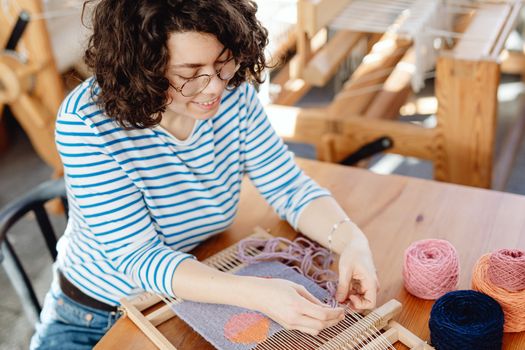
A woman enthusiastically weaving yarn on a wooden loom, showcasing handmade craft. Photo: https://kaboompics.com/ / Pexels
The realm of fiber arts is perhaps one of the most ancient and diverse categories when considering what are the different types of crafting. It involves manipulating fibers, threads, and fabrics to create functional or decorative items. This broad category includes everything from knitting and crocheting, which use needles or hooks to create fabric from yarn, to weaving, where threads are interlaced on a loom. Think of the cozy sweaters, intricate tapestries, or delicate lace that can emerge from these techniques. Beyond these, quilting transforms disparate fabric pieces into cohesive, often storytelling, blankets or wall hangings. Embroidery, another exquisite fiber art, involves decorating fabric or other materials with needle and thread. It can range from simple stitches to elaborate, multi-dimensional designs. Felting, both wet and needle, uses wool fibers that are matted together to form a dense fabric, perfect for sculptural pieces or warm garments. Then there's macrame, a knot-tying technique that creates beautiful patterns and textures for wall hangings, plant hangers, and jewelry. Textile art also encompasses dyeing, printing, and surface embellishment, allowing crafters to transform plain fabrics into vibrant works of art. The beauty of fiber arts lies in its tactile nature and the endless possibilities for color, texture, and pattern. Many find the repetitive motions involved in these crafts to be meditative and stress-reducing, offering a welcome escape from the digital world. Whether you're drawn to the warmth of a hand-knitted scarf or the intricate detail of an embroidered motif, fiber arts offer a rich and rewarding creative journey. This category is not just about creating objects; it's about preserving traditions, expressing personal style, and connecting with a long lineage of artisans who have shaped the world with thread and fabric.

The Delightful Domain of Paper Crafts and Stationery
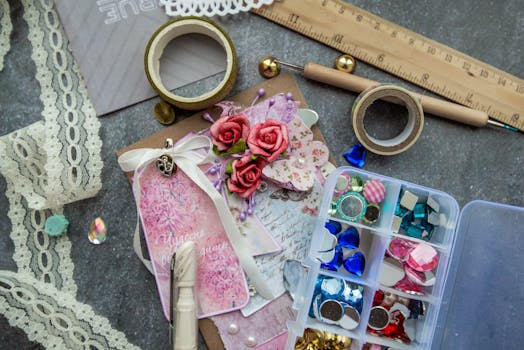
From above composition of various supplies for handicraft works placed on table with richly decorated greeting card Photo: Victoria Emerson / Pexels
Paper crafts represent another immensely popular and accessible facet of what are the different types of crafting. This category leverages the versatility of paper to create a vast array of items, from intricate decorations to personalized stationery. Scrapbooking is a beloved paper craft where photos, memorabilia, and decorative elements are arranged on pages to preserve memories and tell stories. Card making allows crafters to design and create unique greeting cards for every occasion, often incorporating stamping, embossing, and layering techniques. Origami, the ancient Japanese art of paper folding, transforms flat sheets into complex three-dimensional figures without cuts or glue. Kirigami, a related art, involves both cutting and folding. Quilling, or paper filigree, uses thin strips of paper rolled, shaped, and glued together to create decorative designs. Paper mache, a technique using paper pieces or pulp bound with an adhesive, can form robust sculptures and decorative objects. Decoupage involves gluing paper cutouts onto an object and then covering them with varnish or lacquer, giving the appearance of painting. Journaling and planner decoration, while sometimes seen as distinct, often heavily incorporate paper crafting elements like stickers, washi tape, and decorative papers. The appeal of paper crafts lies in their relatively low cost of entry, the wide availability of materials, and the immediate gratification of seeing a flat sheet of paper transform into something beautiful. They are perfect for crafters of all ages and skill levels, offering opportunities for both simple, quick projects and elaborate, time-intensive masterpieces. Paper crafting is also an excellent way to personalize gifts and home decor, adding a unique touch that store-bought items simply can't replicate. The tactile experience of working with different paper weights, textures, and finishes adds another layer of enjoyment to this creative pursuit, making it a favorite for many.

Woodworking, Metalworking, and Jewelry Making: Durable Creations
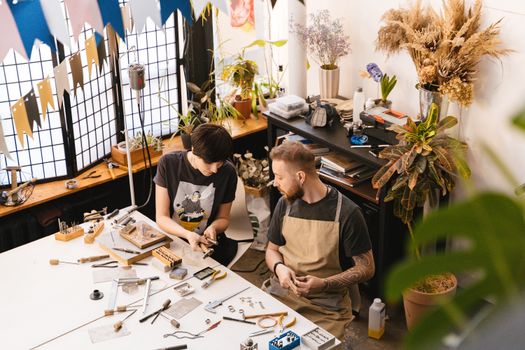
Two artisans creating jewelry pieces in a sunlit studio filled with plants and tools. Photo: Antoni Shkraba / Pexels
Moving into more durable and often structural forms, woodworking, metalworking, and jewelry making offer a different kind of satisfaction when exploring what are the different types of crafting. Woodworking involves shaping and joining wood to create functional items like furniture, decorative pieces, or intricate carvings. From basic carpentry and joinery to fine woodworking and woodturning, the possibilities are vast. Crafters can create anything from a simple birdhouse to an elaborate dining table, each piece showcasing the natural beauty of the wood and the skill of the artisan. Metalworking, on the other hand, deals with shaping metal, often through techniques like forging, welding, soldering, or cold-forming. This can range from creating sculptural art to fabricating functional tools or decorative household items. Blacksmithing, for instance, is a traditional form of metalworking that uses heat and tools to shape iron. Jewelry making, a highly specialized craft, often combines elements of both metalworking and sometimes even beading or stone setting. Artisans learn to cut, file, solder, and polish precious and semi-precious metals to create rings, necklaces, earrings, and bracelets. This craft requires precision, patience, and an understanding of materials, but the reward is the creation of wearable art that can last for generations. Beyond traditional methods, modern techniques like laser cutting for wood and metal, or 3D printing for jewelry components, are also expanding the horizons of these crafts. These durable crafts often require a greater investment in tools and safety equipment, but they offer the immense satisfaction of creating lasting objects with tangible utility and aesthetic value. They appeal to those who enjoy problem-solving, working with robust materials, and seeing their efforts culminate in a solid, enduring creation. The skills learned in these crafts are often transferable and can lead to both hobbyist pursuits and professional careers, demonstrating the profound impact of craftsmanship on our daily lives.

Beyond the Basics: Unique and Emerging Craft Forms
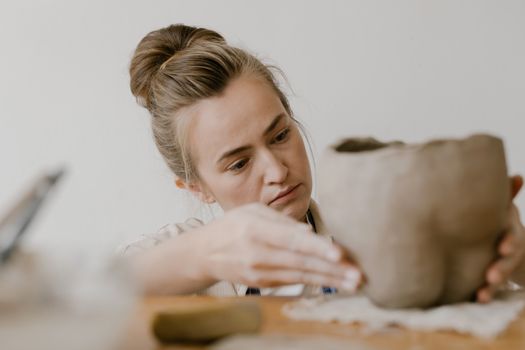
A woman attentively shaping a clay pot in a pottery workshop, showcasing creativity and skill. Photo: cottonbro studio / Pexels
Beyond the widely recognized categories, the world of crafting is constantly evolving, presenting a fascinating array of unique and emerging craft forms that expand our understanding of what are the different types of crafting. These often blend traditional techniques with modern materials or innovative approaches. Pottery and ceramics, for instance, involve shaping clay and firing it to create functional ware like mugs and bowls, or sculptural art pieces. Glass art, encompassing stained glass, glass blowing, and fusing, manipulates glass to create stunning visual effects, from intricate windows to delicate sculptures. Soap making and candle making are popular crafts that combine chemistry with creativity, allowing individuals to produce personalized, aromatic products for home use or as gifts. Calligraphy and hand lettering focus on the art of beautiful writing, using various pens, inks, and styles to create elegant text. Bookbinding is another niche craft that involves assembling pages into a book, often with decorative covers. Digital crafting, while not tactile in the traditional sense, is rapidly growing, encompassing graphic design for printables, digital scrapbooking, and even creating patterns for other crafts. Upcycling and repurposing crafts are gaining significant traction, transforming discarded items into new, useful, or decorative objects, promoting sustainability and creativity. This includes everything from turning old furniture into new pieces to creating art from found objects. The beauty of these diverse crafts is their ability to cater to a wide range of interests and skill sets, ensuring that there's truly something for everyone in the crafting universe. Don't be afraid to explore these less common avenues; you might discover your next great passion! Here are some unique crafting ideas to spark your interest: * **Resin Art:** Creating stunning pieces by mixing resin with pigments, glitter, and other inclusions. * **Leathercraft:** Working with leather to make wallets, bags, belts, and other accessories. * **Doll Making:** Crafting dolls from various materials, often involving sewing, sculpting, and painting. * **Miniature Making:** Creating tiny, detailed replicas of objects, scenes, or buildings. * **Batik:** A wax-resist dyeing technique applied to fabric, creating intricate patterns.

Comparison

FeatureFiber Arts (Knitting)Paper Crafts (Card Making)Woodworking (Small Projects)Jewelry Making (Beading)
Initial CostLow (yarn, needles)Low (paper, glue, scissors)Medium (wood, basic tools)Low (beads, wire, pliers)
Skill Level EntryBeginner-friendlyBeginner-friendlyIntermediateBeginner-friendly
Time CommitmentModerate to HighLow to ModerateModerate to HighLow to Moderate
Required SpaceMinimalMinimalModerateMinimal
Mess LevelLowLow to ModerateModerate to HighLow
Therapeutic Value
Gift PotentialHighHighHighHigh

What Readers Say

"This article on what are the different types of crafting was incredibly comprehensive! I had no idea there were so many options beyond knitting. It really helped me narrow down what I want to try next."

Sarah J. · Austin, TX

"As someone looking for a new hobby, this guide was a godsend. The breakdown of different crafting categories made it easy to see what appealed to me, and the 'how it works' section was super helpful for getting started."

Mark T. · Seattle, WA

"I've always loved crafting but felt stuck in a rut. This article opened my eyes to so many new possibilities, especially in the unique craft forms section. I'm now confidently exploring resin art and loving the results!"

Emily R. · Miami, FL

"A very thorough overview of what are the different types of crafting. While I wish there were a bit more detail on specific tools for each, it's an excellent starting point for anyone curious about the crafting world."

David L. · Denver, CO

"I used this guide to help my kids pick new summer activities, and it was perfect! They each found a different craft type they were excited about, from paper crafts to simple beading. Highly recommend for families."

Jessica M. · Chicago, IL

Frequently Asked Questions

What is the easiest type of crafting to start for beginners?

Many paper crafts, such as card making or simple origami, are excellent for beginners due to low material cost and straightforward techniques. Beading and basic knitting/crocheting also offer gentle entry points with immediate, satisfying results.

Do I need a lot of space or expensive tools to start crafting?

Not at all! Many crafts, like knitting, crocheting, or card making, require minimal space and only a few inexpensive tools. Even some woodworking projects can be done with basic hand tools in a small area. Start small and invest more as your interest grows.

How can I find local crafting classes or communities?

Check with your local community centers, libraries, and craft stores, as they often host workshops and classes. Online platforms like Meetup.com or local Facebook groups are also great for finding crafting communities and events in your area.

Is crafting an expensive hobby?

The cost of crafting varies widely. Some crafts, like scrapbooking or jewelry making with precious metals, can become expensive. However, many crafts, especially those using readily available materials like paper, yarn, or repurposed items, can be very affordable. It all depends on your chosen craft and scale.

How do I choose the right craft for me?

Consider what materials you enjoy working with, whether you prefer functional or decorative outcomes, and how much time you're willing to commit. Experiment with a few low-cost options or watch online tutorials to get a feel for different crafts before fully committing.

Who should consider taking up crafting as a hobby?

Anyone looking for a creative outlet, a stress-relieving activity, or a way to make personalized gifts should consider crafting. It's suitable for all ages and skill levels, offering benefits like improved fine motor skills, patience, and a sense of accomplishment.

Are there any safety concerns with certain types of crafting?

Yes, some crafts, particularly those involving sharp tools (woodworking, metalworking), heat (glass blowing, soldering), or chemicals (dyeing, resin), require proper safety precautions. Always read instructions, wear appropriate protective gear, and work in a well-ventilated area when necessary.

What are some emerging trends in the crafting world?

Sustainability is a huge trend, leading to increased interest in upcycling, repurposing, and using eco-friendly materials. Digital crafting, personalized custom creations, and crafts that blend traditional techniques with modern technology (like laser cutting) are also rapidly gaining popularity.

Now that you have a comprehensive understanding of what are the different types of crafting, it's time to embark on your creative journey. Don't let hesitation hold you back; pick a craft that sparks your interest and start creating today!

Topics: types of craftingcrafting hobbiescreative craftscraft ideasDIY crafts
Leo List

IE Escorts NO Escorts US Escorts NZ Escorts AU Escorts
Brampton weed
Adultwork EstrelaBet Vai de Bet R7 Bet Betão Galera Bet Rainbet Bet9ja Shop SportyBet BetKing Sisal Loto Foot Hollywoodbets YesPlay Odibets RushBet Jugabet BetWarrior BetCity MSport betPawa Fortebet