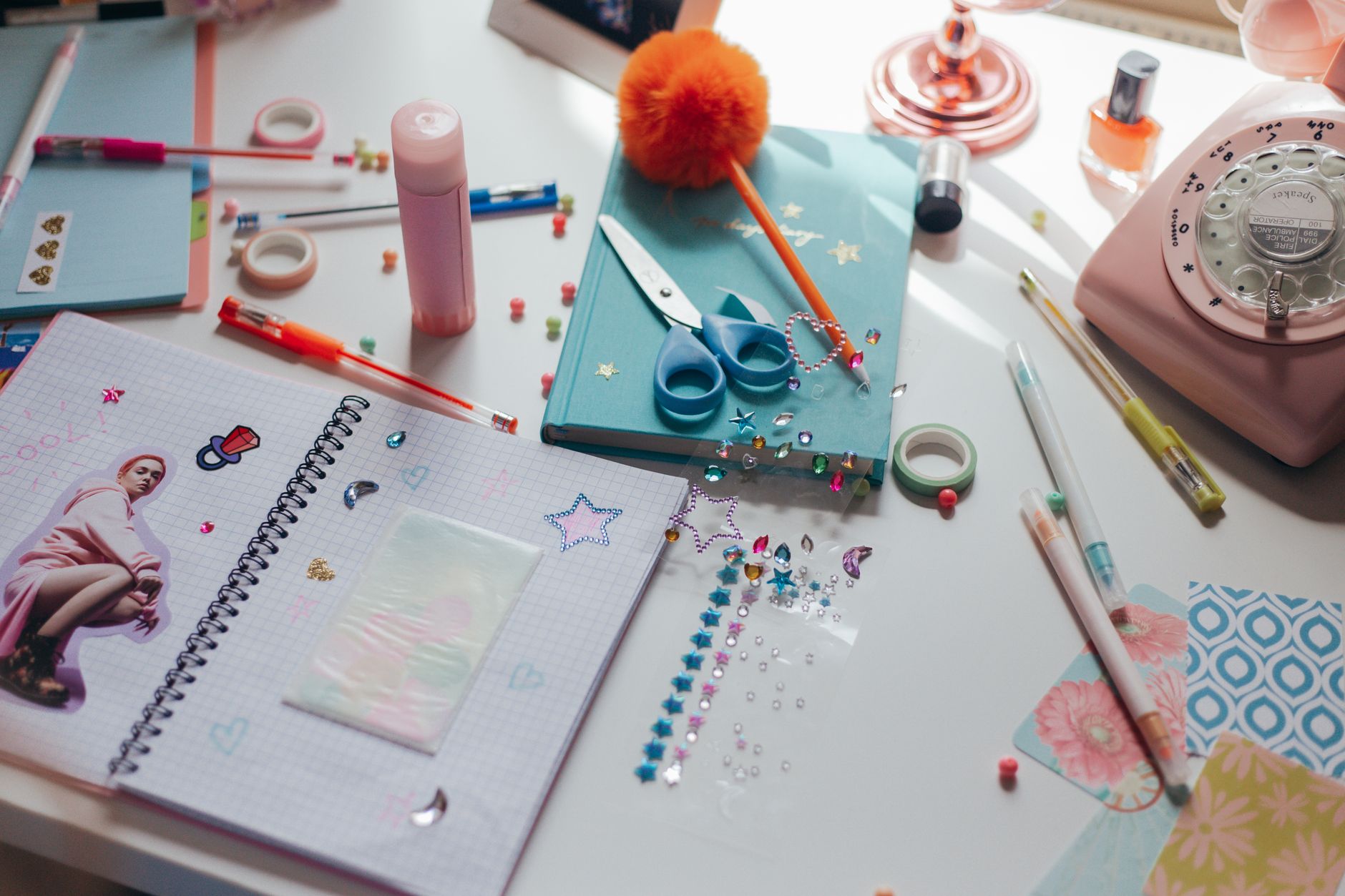
What Are Different Types of Crafts? Your Ultimate Guide
what are different types of crafts

What Are Different Types of Crafts? Your Ultimate Guide

Uncover the vast and vibrant world of crafting, from ancient traditions to modern innovations, and find your perfect creative outlet.

Start Your Crafting Journey

Key Takeaways

  • ✓ Crafts encompass a wide range of creative activities, often involving manual skill and the creation of decorative or functional items.
  • ✓ Major craft categories include textile arts, paper crafts, needlework, jewelry making, woodworking, pottery, and mixed media.
  • ✓ Crafting offers numerous benefits, including stress reduction, cognitive stimulation, and a sense of accomplishment.
  • ✓ Many crafts are rooted in historical traditions, evolving over centuries while new forms constantly emerge.

How It Works

1
Identify Your Interest

Consider what materials, techniques, or types of projects appeal to you most. Do you enjoy working with fabric, paper, wood, or something else?

2
Research & Learn Basics

Once you have an idea, research the basics of that craft. Look for beginner tutorials, essential tools, and simple starter projects online or in books.

3
Gather Materials & Tools

Acquire the necessary supplies for your chosen craft. Start with basic, affordable options before investing heavily in specialized equipment.

4
Start Creating & Practice

Begin your first project, understanding that mistakes are part of the learning process. Practice regularly to develop your skills and confidence.

Exploring the World of Textile and Fiber Arts
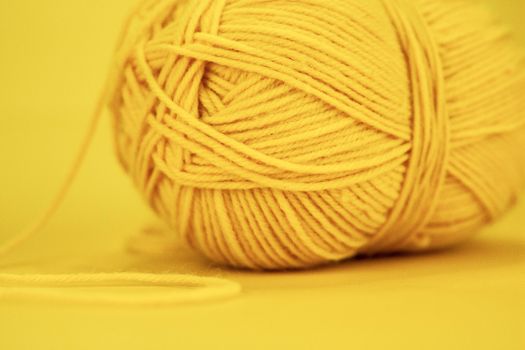
Close-up of a vibrant yellow yarn ball with a solid color background, perfect for craft projects. Photo: Karen Laårk Boshoff / Pexels
The realm of textile and fiber arts is perhaps one of the oldest and most diverse categories when we consider what are different types of crafts. From prehistoric weaving to modern digital embroidery, these crafts involve transforming fibers into functional or decorative objects. At its core, textile art is about manipulating threads, yarns, and fabrics. Think about the comforting warmth of a hand-knitted scarf, the intricate patterns of a quilted blanket, or the vibrant hues of a tie-dyed shirt – all fall under this expansive umbrella. One of the most popular textile crafts is knitting, which uses two needles to create loops of yarn, forming fabric. Closely related is crocheting, which uses a single hook to create similar, but often denser, fabric structures. Both offer endless possibilities for clothing, accessories, and home decor. Beyond these, weaving is another ancient art form, where two distinct sets of yarns or threads are interlaced at right angles to form a fabric or cloth. This can range from simple hand looms to complex industrial machinery, but the fundamental principle remains the same. Then there's quilting, a beloved craft in the United States, where three layers (a top fabric, a batting, and a backing fabric) are stitched together. The top layer is often a patchwork of smaller fabric pieces, creating stunning visual designs. Embroidery, another intricate fiber art, involves decorating fabric or other materials with needle and thread or yarn. It can be purely decorative or add embellishment to garments. Dyeing and printing fabrics, like batik or screen printing, also fall into this category, allowing for unique patterns and colors. Felting, which involves matting, condensing, and pressing fibers together, creates a dense material often used for accessories or sculptural pieces. The beauty of textile crafts lies in their tactile nature and the endless array of textures, colors, and forms they can produce. Each stitch, knot, or woven thread tells a story, connecting us to centuries of human creativity. Discover more about textile crafts and their rich history.

Delving into Paper Crafts and Mixed Media
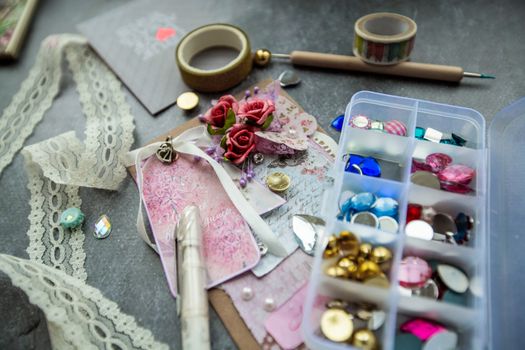
From above box of various colorful fancy stones with lace and adhesive tapes placed on table near handmade greeting card decorated with artificial flowers Photo: Victoria Emerson / Pexels
Paper crafts offer an incredible accessible entry point into the world of creative expression, making them a fantastic starting point for anyone exploring what are different types of crafts. The versatility of paper, from its texture and weight to its color and printability, allows for a vast array of techniques and artistic outcomes. Scrapbooking, for instance, is a deeply personal craft where individuals preserve memories and tell stories through photographs, journaling, and decorative embellishments on paper pages. It’s not just about glueing photos; it's about creating a narrative and artistic presentation of life's moments. Card making is another popular paper craft, involving the creation of handmade greeting cards for various occasions. This allows for immense personalization, incorporating stamping, embossing, die-cutting, and intricate layering. Origami, the ancient Japanese art of paper folding, transforms a flat sheet of paper into complex, three-dimensional objects without cutting or glueing. It's a testament to patience and precision, yielding delicate birds, animals, and geometric forms. Quilling, or paper filigree, involves rolling, shaping, and glueing strips of paper to create intricate designs, often used for decorative accents on cards, frames, or even standalone art pieces. Mixed media crafts push the boundaries by combining various materials and techniques into a single artwork. While often incorporating paper, mixed media artists might blend paint, ink, fabric scraps, found objects, photographs, and text to create rich, layered compositions. This approach encourages experimentation and allows artists to break free from the constraints of a single medium. An artist might create a textured background with gesso and paint, then add torn paper elements, followed by stitching, and finally, some hand-drawn details. The freedom in mixed media is its greatest appeal, allowing for truly unique and expressive pieces that defy traditional categorization. These crafts are not only enjoyable but also incredibly rewarding, offering tangible results from simple materials.

Mastering Woodworking, Pottery, and Jewelry Making
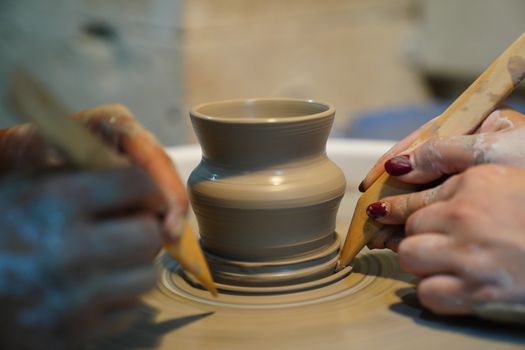
Two hands shape clay into pottery on a spinning wheel in a detailed close-up of hands and tools. Photo: Tahir Xəlfəquliyev / Pexels
Beyond the soft textures of textiles and the intricate world of paper, there are crafts that delve into more robust materials, offering different challenges and rewards. When considering what are different types of crafts, woodworking stands out as a craft that marries artistry with utility. It involves shaping wood into functional or decorative objects, ranging from furniture and cabinetry to intricate carvings and toys. Woodworking requires precision, patience, and a good understanding of different wood types and their properties. Basic woodworking can start with simple hand tools like chisels, saws, and planes, progressing to power tools for more complex projects. The satisfaction of transforming a raw piece of timber into a beautiful, lasting object is immense. It teaches problem-solving and an appreciation for natural materials. Pottery and ceramics, on the other hand, involve shaping clay into various forms and then firing them at high temperatures to create durable objects. This ancient craft can be done by hand-building techniques like pinch pots, coil building, and slab construction, or by using a potter's wheel to create symmetrical forms. Once shaped, pieces are often decorated with glazes before a final firing, which vitrifies the clay and glaze, making the object waterproof and strong. Pottery offers a deeply meditative experience, as the clay responds directly to the artist's touch, creating everything from practical dinnerware to expressive sculptural pieces. The element of surprise after the kiln firing adds an exciting dimension to this craft. Jewelry making is another craft that combines creativity with meticulous detail. It involves designing and fabricating ornaments from a variety of materials, including metals, beads, gemstones, wire, and even natural elements. Techniques range from simple bead stringing and wire wrapping to more advanced metalworking, such as soldering, filing, and polishing. Crafters can create necklaces, bracelets, earrings, rings, and more, tailoring pieces to individual styles. This craft allows for immense personal expression and can be a rewarding way to create unique gifts or even start a small business. Each of these crafts requires a different set of skills and tools, but they all share the common thread of transforming raw materials into something beautiful and meaningful through human ingenuity. Explore advanced crafting techniques in these fields.

Tips for Starting Your Crafting Journey and Avoiding Common Pitfalls
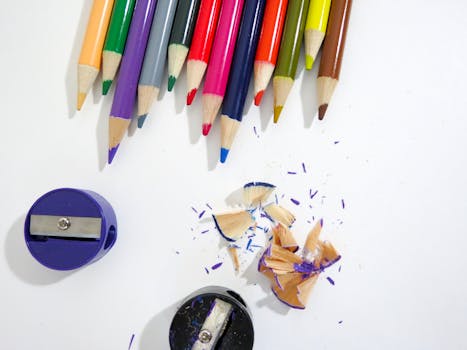
Bright colored pencils and sharpeners with shavings on a white surface. Photo: Miesha Renae Maiden / Pexels
Embarking on a new craft can be an incredibly rewarding experience, but it’s easy to feel overwhelmed by the sheer variety of options and the perceived skill level required. Here are some essential tips to help you navigate your initial steps and avoid common frustrations: 1. **Start Small and Simple:** Don't aim to create a masterpiece on your first try. Begin with beginner-friendly projects that require minimal tools and techniques. This builds confidence and familiarizes you with the process without the pressure of perfection. Many crafts offer 'starter kits' that provide all the basic materials and instructions for a first project. 2. **Embrace Imperfection:** Your first few attempts will likely not be perfect, and that's completely normal. View mistakes as learning opportunities. Every experienced crafter has a pile of 'failed' projects that taught them valuable lessons. The journey of learning is more important than the initial outcome. 3. **Invest in Quality Basic Tools:** While you don't need to buy the most expensive equipment immediately, investing in decent quality basic tools can make a significant difference. Cheap tools can be frustrating to use and may hinder your progress. For example, sharp scissors for fabric or good quality brushes for painting are worth the extra cost. 4. **Seek Out Tutorials and Communities:** The internet is a treasure trove of free tutorials, videos, and patterns for almost any craft imaginable. YouTube, Pinterest, and craft blogs are excellent resources. Additionally, joining online crafting communities or local craft groups can provide support, inspiration, and answers to your questions. Learning from others and sharing your progress can be incredibly motivating. 5. **Manage Your Expectations:** Crafting is a skill that develops over time with practice. Don't compare your beginner efforts to the work of seasoned professionals. Enjoy the process of creation and the satisfaction of learning something new. 6. **Organize Your Supplies:** As you accumulate tools and materials, keeping them organized will save you time and frustration. Designate specific storage solutions for each craft to ensure everything is easily accessible. By following these tips, you can set yourself up for a fulfilling and enjoyable crafting journey, regardless of which type of craft you choose to explore.

Comparison

FeatureTextile Arts (Knitting/Crochet)Paper Crafts (Scrapbooking)Woodworking (Small Projects)Pottery (Hand-building)
Initial CostLowLow-MediumMediumMedium-High
Space RequiredLowMediumMedium-HighMedium-High
Mess LevelLowMediumHighHigh
PortabilityHighMediumLowLow
Skill Curve (Beginner)GentleGentleModerateModerate
Primary BenefitRelaxation, WearablesMemory Preservation, GiftsUtility, Custom DecorMeditative, Functional Art

What Readers Say

"This article truly opened my eyes to what are different types of crafts! I always thought it was just knitting, but now I'm excited to try paper quilling. The descriptions were so vivid and inspiring."

Sarah J. · Austin, TX

"As a beginner, I found the breakdown of crafting categories incredibly helpful. It clarified the distinct characteristics of each and gave me a clear path to decide which craft to pursue first. Excellent resource!"

Mark D. · Seattle, WA

"I've been a crafter for years, but this article on what are different types of crafts still taught me new things! The section on mixed media really got my creative juices flowing, and I'm already planning a new project combining textiles and paper."

Emily R. · Miami, FL

"A very comprehensive guide. While I'm primarily a woodworker, the detailed descriptions of other crafts gave me a new appreciation for their complexity. I might even try my hand at some basic pottery now."

David L. · Denver, CO

"This guide is perfect for anyone feeling overwhelmed by the crafting world. It's well-organized, easy to understand, and truly highlights the unique joy each type of craft brings. Highly recommend for finding your next hobby!"

Jessica M. · Chicago, IL

Frequently Asked Questions

What is the easiest craft for beginners to start with?

For absolute beginners, paper crafts like card making or simple scrapbooking, and basic textile crafts like knitting or crocheting (learning fundamental stitches) are often the easiest to start. They typically require fewer specialized tools and offer immediate, satisfying results. Bead stringing for jewelry is also very accessible.

Is crafting expensive to get into?

The cost of crafting varies widely. Many crafts, especially paper crafts or basic knitting, can be very inexpensive to start with minimal supplies. More specialized crafts like woodworking or pottery can require a larger initial investment in tools and equipment, but you can often start by taking classes at a community center to use their facilities.

How can I learn a new craft effectively?

To learn a new craft effectively, start with online video tutorials (YouTube is excellent), beginner books, or local workshops. Practice regularly, begin with simple projects to build foundational skills, and don't be afraid to make mistakes. Joining online communities can also provide valuable tips and support from experienced crafters.

What are the mental health benefits of crafting?

Crafting offers numerous mental health benefits, including stress reduction, improved focus and concentration, enhanced fine motor skills, and a sense of accomplishment. The repetitive motions in many crafts can be meditative, helping to calm the mind and reduce anxiety. It also provides a creative outlet for self-expression.

How do traditional crafts differ from modern crafts?

Traditional crafts often refer to techniques passed down through generations, rooted in specific cultures and historical practices, like traditional weaving or pottery. Modern crafts might incorporate newer materials, technologies (like laser cutting or digital design), or innovative approaches to existing techniques, often blending different disciplines in 'mixed media' forms. However, many modern crafts still draw heavily on traditional foundations.

Who should consider exploring different types of crafts?

Anyone looking for a creative outlet, a new hobby, a way to relax, or to develop fine motor skills should consider exploring different types of crafts. It's suitable for all ages and skill levels, from children to seniors, and offers a fulfilling way to create tangible items, personalize gifts, or even start a small business.

Are there any safety concerns with certain crafts?

Yes, some crafts involve tools or materials that require safety precautions. Woodworking involves sharp tools and power machinery, requiring eye protection and careful handling. Pottery can involve dust from dry clay, which needs ventilation. Jewelry making might use small components or soldering irons. Always read safety instructions for tools and materials, and wear appropriate protective gear.

What is the future trend for crafting?

The future of crafting is leaning towards increased personalization, sustainability, and the integration of digital tools. There's a growing interest in upcycling and using eco-friendly materials. Online communities and virtual workshops are expanding access to learning. Mixed media and fusion crafts, blending various techniques, are also becoming more popular, allowing for truly unique artistic expression.

Now that you have a comprehensive understanding of what are different types of crafts, it's time to pick up your tools and begin creating. Dive into the world of crafting today and discover the joy of making something beautiful with your own hands!

Topics: what are different types of craftscrafting categoriesdiy craft ideastextile artspaper crafts
Leo List
Brampton weed
Adultwork EstrelaBet Vai de Bet R7 Bet Betão Galera Bet Rainbet Bet9ja Shop SportyBet BetKing Sisal Loto Foot Hollywoodbets YesPlay Odibets RushBet Jugabet BetWarrior BetCity MSport betPawa Fortebet