Mastering Craft Fair Booth Display Ideas for Success
craft fair booth display ideas

Mastering Craft Fair Booth Display Ideas for Success

Transform your craft fair presence into a customer magnet with these innovative and practical display strategies.

Get Started Now

Key Takeaways

  • ✓ A well-designed booth can increase sales by up to 50%.
  • ✓ Customers spend an average of 3-5 seconds evaluating a booth.
  • ✓ Lighting is crucial for showcasing product details and creating ambiance.
  • ✓ Storytelling through display connects customers to your brand.

How It Works

1
Plan Your Layout

Sketch your booth space, considering traffic flow and product categories. Visualize how customers will interact with your display.

2
Curate Your Products

Select items that fit your display theme and appeal to your target audience. Avoid overcrowding to maintain a professional look.

3
Build Your Display

Assemble shelves, tables, and props, ensuring stability and visual appeal. Focus on verticality to maximize space and visibility.

4
Refine and Test

Step back and evaluate your display from a customer's perspective. Make adjustments, and if possible, do a trial setup at home.

The Psychology Behind Effective Craft Show Booth Design
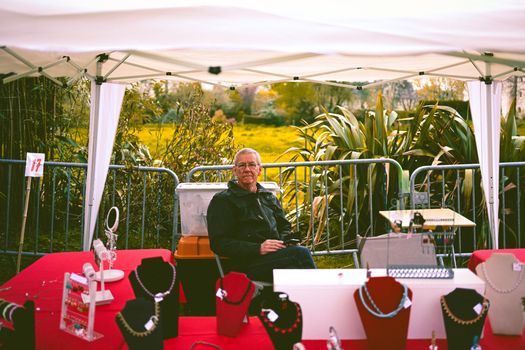
A mature man sits under a canopy in a jewelry booth displaying necklaces outdoors. Photo: Kwami Heude Izawaki / Pexels
In the bustling environment of a craft fair, your booth isn't just a place to sell products; it's a silent salesperson, a brand ambassador, and an experience creator. Understanding the psychology behind effective craft show booth design is paramount to turning passersby into loyal customers. People are drawn to aesthetics, organization, and a sense of discovery. Your display needs to tell a story, evoke emotion, and make your products irresistible. The first impression is often made within seconds, so every element, from your signage to your product placement, must be meticulously thought out. Consider the 'rule of three' in design, grouping items in odd numbers to create visual interest and balance. Color psychology also plays a significant role; warm colors like red and orange can evoke excitement, while cool colors like blue and green can create a sense of calm or sophistication. Align these choices with your brand and product type. For instance, a jewelry maker might opt for elegant, understated tones to highlight the sparkle of their pieces, while a toy maker might use bright, playful colors to attract children and parents. Vertical display elements are incredibly effective, drawing the eye upwards and making your booth appear larger and more inviting. Don't just think about the table surface; utilize walls, shelves, and even the ceiling space if permissible. This not only maximizes your display area but also helps to create different visual levels, making the booth more dynamic and engaging. Crafting a compelling brand narrative through your display can set you apart. What is the story of your handmade items? Where do your materials come from? What inspires your creations? Incorporate these elements subtly through signage, small descriptive cards, or even the style of your display props. For example, a potter might use natural wood and earthy tones to evoke the origins of their clay, while a textile artist might incorporate vintage sewing notions to hint at their craft's heritage. The goal is to create an immersive experience that resonates with visitors on an emotional level, encouraging them to linger, explore, and ultimately, purchase. Remember, a well-designed booth is an investment in your business, directly impacting your sales and brand recognition.

Essential Elements for a Stand-Out Handmade Market Display
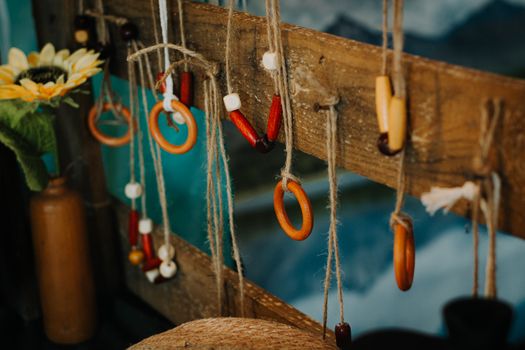
A rustic display of handmade beaded and wooden jewelry hanging outdoors on twine. Photo: Kinga Fenesi / Pexels
To truly stand out at a handmade market, you need to go beyond simply laying out your products. Several essential elements work in concert to create a memorable and effective display. First and foremost is your branding. Your booth should instantly communicate who you are and what you sell. This includes consistent use of your logo, brand colors, and overall aesthetic. A clear, eye-catching sign with your business name is non-negotiable. It should be legible from a distance and reflect your brand's personality. Secondly, lighting is a game-changer. Often overlooked, proper lighting can dramatically enhance the appearance of your products, making them more appealing and easier to see. Natural light is great, but supplemental lighting – such as LED spotlights or string lights – can add warmth, highlight intricate details, and create an inviting ambiance, especially in dimly lit venues or during evening hours. Imagine how a piece of polished jewelry or a vibrant painting looks under dedicated lighting versus a shadowed corner. The difference is night and day. Thirdly, consider your product arrangement and flow. Group similar items together, create vignettes, and ensure clear pathways for customers to navigate your space. The 'prime real estate' in your booth is usually at eye level and within arm's reach. Place your best sellers, new arrivals, or most visually striking items in these prominent spots. Varying heights is crucial; use risers, crates, shelves, and tiered displays to add dimension and prevent your booth from looking flat or cluttered. This verticality not only draws the eye but also allows you to display more products without overwhelming the customer. Fourth, interactive elements can significantly boost engagement. This could be a mirror for customers to try on jewelry, a small sample of a handmade soap, or a demonstration of your craft. Even a simple guestbook or an 'About the Artist' story can foster connection. Lastly, don't forget the power of pricing. Make your prices clear, visible, and easy to understand. While not strictly a display element, its presentation impacts the customer experience. A well-organized pricing system avoids awkward questions and streamlines the purchase process. By integrating these essential elements thoughtfully, you create a display that is not only visually appealing but also highly functional and customer-centric, encouraging interaction and driving sales.

Maximizing Space and Attracting Customers in Any Vendor Booth Setup

A mature man sits under a canopy in a jewelry booth displaying necklaces outdoors. Photo: Kwami Heude Izawaki / Pexels
Space is often a premium at craft fairs, and mastering the art of maximizing your vendor booth setup is key to success. Whether you have a 6x6, 8x8, or 10x10 foot space, every inch counts. The first strategy is to think vertically. Walls, backdrops, and freestanding shelves are your best friends. Don't let your products just sit on a table; elevate them. Use pegboards, grid walls, or even repurposed ladders and crates to create multi-level displays. This not only allows you to showcase more items but also adds visual interest, drawing the eye up and around your booth. Consider collapsible shelving units or modular displays that are easy to transport and set up. The less time you spend on logistics, the more time you can spend engaging with customers. Another critical aspect is creating an inviting entrance. Think of your booth as a mini-storefront. What makes people want to step inside? A welcoming rug, a small bench (if space allows), or an open, uncluttered entryway can make a huge difference. Avoid creating barriers that make customers feel like they're interrupting you. Your display should be open and accessible from multiple angles if possible, encouraging exploration. Furthermore, strategic product placement is vital. Use the 'decompression zone' concept – the first few feet inside your booth where customers are transitioning from the busy aisle. Avoid placing your most important items here. Instead, use this space for a general overview or a welcoming sign, allowing customers a moment to adjust before encountering your main offerings. Place impulse buys or smaller, lower-priced items near the checkout area to encourage last-minute additions to their purchase. Effective signage is also crucial for attracting customers. Beyond your brand name, use smaller signs to highlight product benefits, special offers, or the unique story behind your creations. These micro-messages can pique interest and answer common questions, freeing you up to have more meaningful conversations. Lastly, don't underestimate the power of a personal touch. While not strictly a display element, having a friendly, approachable demeanor and engaging with customers can turn a casual browser into a buyer. Your enthusiasm for your craft is contagious and makes your booth a more pleasant place to be, encouraging longer visits and higher sales.

Common Mistakes to Avoid in Your Art Fair Presentation
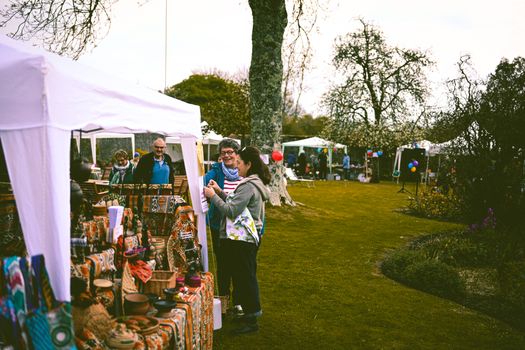
A lively outdoor market with people browsing stalls and tents in a park setting. Photo: Kwami Heude Izawaki / Pexels
Even with the best intentions, crafters often fall into common pitfalls that can hinder their success at art fairs and markets. Being aware of these mistakes allows you to proactively avoid them and optimize your presentation. **1. Overcrowding the Booth:** * **Mistake:** Stuffing too many products into a small space, making it look cluttered and overwhelming. Customers can't focus on individual items and may feel stressed. * **Solution:** Embrace minimalism. Curate your inventory, focusing on your best pieces. Use vertical space to display more without cluttering tabletops. Leave breathing room around products. **2. Poor Lighting:** * **Mistake:** Relying solely on venue lighting, which is often dim, inconsistent, or unflattering. Products appear dull or colors are distorted. * **Solution:** Invest in portable, battery-operated LED lights or clamp-on spotlights. Aim for warm, inviting light that accurately showcases your product's colors and details. Position lights to eliminate shadows. **3. Lack of Branding/Identity:** * **Mistake:** A generic booth that doesn't reflect your unique brand or product type. Customers can't differentiate you from competitors. * **Solution:** Develop a consistent brand aesthetic (colors, fonts, materials). Incorporate your logo prominently. Tell your brand story through subtle decor elements or a small 'About Us' sign. **4. Unclear Pricing:** * **Mistake:** No visible prices, or prices that are hard to find/read. This creates awkwardness and deters potential buyers who don't want to ask. * **Solution:** Use clear, legible price tags for every item or category. Consider a price list for multiple items. Ensure prices are easily visible from a comfortable distance. **5. Ignoring Customer Flow:** * **Mistake:** Creating barriers with tables or displays that prevent easy access into the booth, or having no clear path for customers to browse. * **Solution:** Design an open, inviting layout. Ensure there's space for customers to step into your booth and move around comfortably. Place your 'checkout' area strategically to not block traffic. **6. Neglecting the Backdrop:** * **Mistake:** A plain, unappealing back wall (e.g., bare pipe and drape) that does nothing to enhance your display. * **Solution:** Use a fabric backdrop, grid wall, or custom-printed banner to establish your brand's aesthetic. This defines your space and makes your products pop. **7. Sitting and Ignoring Customers:** * **Mistake:** Being glued to your phone, reading a book, or appearing uninterested, making customers hesitant to approach. * **Solution:** Stand up, smile, and make eye contact. Be approachable and ready to engage. Your presence is as much a part of the display as your products.

Comparison

FeaturePro Display Kit (Best Option)DIY Repurposed (Alternative 1)Basic Table Only (Alternative 2)
Visual ImpactExcellent (Cohesive, branded, multi-level)Good (Unique, personal, can be rustic)Poor (Flat, unengaging)
Setup TimeModerate (Modular, designed for quick assembly)Variable (Can be time-consuming for unique pieces)Fast (Minimal components)
CostHigh (Initial investment for quality)Low to Moderate (Depends on sourcing)Very Low (Often included with booth fee)
PortabilityGood (Designed to pack down efficiently)Variable (Can be bulky, heavy, or fragile)Excellent (Lightweight, easy to transport)
ScalabilityHigh (Add/remove modules for different spaces)Low (Hard to adapt to varying booth sizes)N/A (No display elements to scale)
Brand Consistency
Product HighlightExcellent (Integrated lighting, varied heights)Good (Can be creative with props)Poor (Products blend together)

What Readers Say

"Applying these craft fair booth display ideas completely transformed my sales. I used to just lay items on a table, but now I have vertical displays and better lighting. My revenue increased by 30% at my last show!"

Sarah J. · Austin, TX

"The advice on creating an inviting space was a game-changer. I added a small rug and a 'welcome' sign, and people started stepping into my booth instead of just walking by. It feels so much more professional now."

Mark D. · Portland, OR

"I was struggling with my jewelry display, but after reading about varying heights and strategic product placement, I completely revamped it. Customers are now spending more time browsing, and my average transaction value has gone up significantly."

Emily R. · Denver, CO

"The tips on branding were helpful, though I wish there were more specific examples for different craft types. Still, the overall guidance on lighting and decluttering made a noticeable difference in how my ceramics looked and sold."

David L. · Chicago, IL

"As a first-time vendor, I was overwhelmed. This article broke down craft fair booth display ideas into manageable steps. My booth looked polished and professional, and I felt much more confident engaging with customers."

Jessica M. · Miami, FL

Frequently Asked Questions

What are the most crucial elements for a successful craft fair booth display?

The most crucial elements include a clear brand identity, effective lighting, varied display heights, strategic product placement, and clear pricing. These work together to create an inviting, professional, and easy-to-navigate space that attracts attention and encourages purchases.

How can I make my small craft booth stand out among larger ones?

To make a small booth stand out, focus on verticality to maximize space, use bold and clear signage, invest in excellent lighting, and create a strong brand story. A cohesive, well-curated display in a small space can be more impactful than a cluttered large one.

What are some cost-effective ways to improve my booth display?

Cost-effective improvements include using repurposed items like crates or old suitcases for risers, DIY backdrops from fabric or painted plywood, and battery-operated LED string lights. Focus on decluttering and neatness, which are free and highly impactful.

How much should I budget for a decent craft fair booth display?

Budgeting for a craft fair booth display can vary widely. A basic setup might cost $100-$300 for a tablecloth, simple risers, and basic signage. A more professional, portable setup with a quality backdrop, shelving, and lighting could range from $500-$1500 or more, depending on materials and customization.

Is it better to have a minimalist or a maximalist display for craft fairs?

Generally, a minimalist approach is more effective for craft fairs. While you want to showcase your products, overcrowding leads to visual fatigue. A curated, well-organized display with intentional negative space allows individual items to shine and creates a more sophisticated, inviting atmosphere.

Who should prioritize investing in their craft fair booth display?

Anyone regularly participating in craft fairs, art shows, or handmade markets should prioritize investing in their booth display. This includes full-time artisans, hobbyists looking to grow their business, and small businesses aiming for increased brand recognition and sales. It's an investment in your visibility and perceived professionalism.

What are the risks of a poorly designed craft fair booth?

The risks of a poorly designed booth include low foot traffic, missed sales opportunities, a diminished brand image, and potential frustration for customers trying to browse. It can make your products appear less valuable and your business less credible, ultimately hurting your bottom line.

What future trends are emerging in craft fair booth display ideas?

Future trends include more interactive displays (e.g., QR codes linking to product videos), sustainable and eco-friendly display materials, integrated digital signage, and highly customizable modular systems that adapt to various event types and sizes. Personalization and immersive brand experiences will continue to be key.

Ready to transform your craft fair presence? Implement these expert craft fair booth display ideas to captivate your audience, elevate your brand, and significantly boost your sales at your next event. Start planning your stand-out display today!

Topics: craft fair booth display ideascraft show booth designhandmade market displayvendor booth setupart fair presentation
Leo List

DK Escorts LU Escorts AT Escorts SE Escorts FI Escorts CH Escorts DE Escorts HR Escorts IE Escorts GR Escorts CZ Escorts NO Escorts BE Escorts FR Escorts SI Escorts IL Escorts NL Escorts PL Escorts HU Escorts ES Escorts IT Escorts PT Escorts SK Escorts RO Escorts ZA Escorts UY Escorts US Escorts UK Escorts NZ Escorts AU Escorts
Brampton weed
Adultwork EstrelaBet Vai de Bet R7 Bet Betão Galera Bet Rainbet Bet9ja Shop SportyBet BetKing Sisal Loto Foot Hollywoodbets YesPlay Odibets RushBet Jugabet BetWarrior BetCity MSport betPawa Fortebet