How to Stop Biting Your Fingernails: A Crafty Approach
stop nail biting

How to Stop Biting Your Fingernails: A Crafty Approach

Transform your habits and achieve beautiful, healthy nails with creative, engaging strategies.

Start Your Journey Now

Key Takeaways

  • ✓ Nail biting affects up to 30% of adults globally.
  • ✓ It's often a stress-related coping mechanism.
  • ✓ Crafting can be a highly effective distraction and a positive outlet.
  • ✓ Consistency and patience are crucial for breaking the habit.

How It Works

1
Identify Your Triggers

Understand what situations or emotions lead to nail biting. Awareness is the first critical step toward change.

2
Engage in Mindful Crafting

Redirect the urge to bite by actively engaging your hands and mind in creative projects. This provides a positive alternative.

3
Implement Barrier Methods

Utilize physical deterrents like bitter-tasting polishes or gloves, especially during high-trigger times. These serve as reminders.

4
Practice Self-Compassion & Patience

Recognize that breaking a long-standing habit takes time and effort. Celebrate small victories and don't get discouraged by setbacks.

Understanding the Root of Nail Biting and Its Impact on Nail Health

Close-up portrait capturing a woman's intense and thoughtful gaze with green eyes. Photo: Frederica Black / Pexels
Nail biting, medically known as onychophagia, is far more than just a bad habit; for many, it's a chronic, compulsive behavior that can have significant physical, emotional, and social repercussions. Before diving into solutions, it's crucial to understand why we bite our nails in the first place. This behavior often originates in childhood and can persist well into adulthood, affecting approximately 20-30% of the population, with higher prevalence in children and adolescents. The triggers are diverse but commonly include stress, anxiety, boredom, frustration, and even excitement. It can be a self-soothing mechanism, a way to cope with overwhelming emotions, or simply an unconscious habit developed over time. The physical toll of persistent nail biting is substantial. Beyond the obvious aesthetic damage to your fingernails and cuticles, chronic biting can lead to a host of health issues. This includes bacterial and fungal infections, as the mouth is a breeding ground for germs that can easily transfer to open wounds around the nail bed. These infections can be painful, unsightly, and sometimes difficult to treat. Furthermore, aggressive biting can permanently damage the nail matrix, leading to deformed nail growth, splitting, and weakening. The skin around the nails can become red, inflamed, and prone to hangnails, creating a vicious cycle where the ragged edges might even encourage further biting. There's also the potential for dental problems, such as chipped teeth, gum damage, and even misalignment of the jaw over time due to the repetitive pressure. The emotional and social impact should not be underestimated. Many individuals who bite their nails experience feelings of shame, embarrassment, and self-consciousness, leading them to hide their hands or avoid social situations where their hands might be noticed. This can affect self-esteem and overall quality of life. The constant worry about the appearance of their hands can add another layer of stress, ironically feeding into the very anxiety that often triggers the biting. Understanding these underlying causes and consequences is the first step towards a successful intervention. Recognizing that it's not merely a lack of willpower, but often a deeply ingrained coping mechanism, allows for a more compassionate and effective approach to breaking the habit. Instead of simply trying to 'stop,' we can work towards replacing the behavior with healthier, more constructive outlets. This foundational understanding sets the stage for exploring practical, hands-on strategies, particularly those found within the craft community, which can offer a powerful alternative to this pervasive habit. By addressing both the psychological and physical aspects, we can begin to heal our nails and our minds.

Crafting as a Powerful Diversion and Mindful Practice

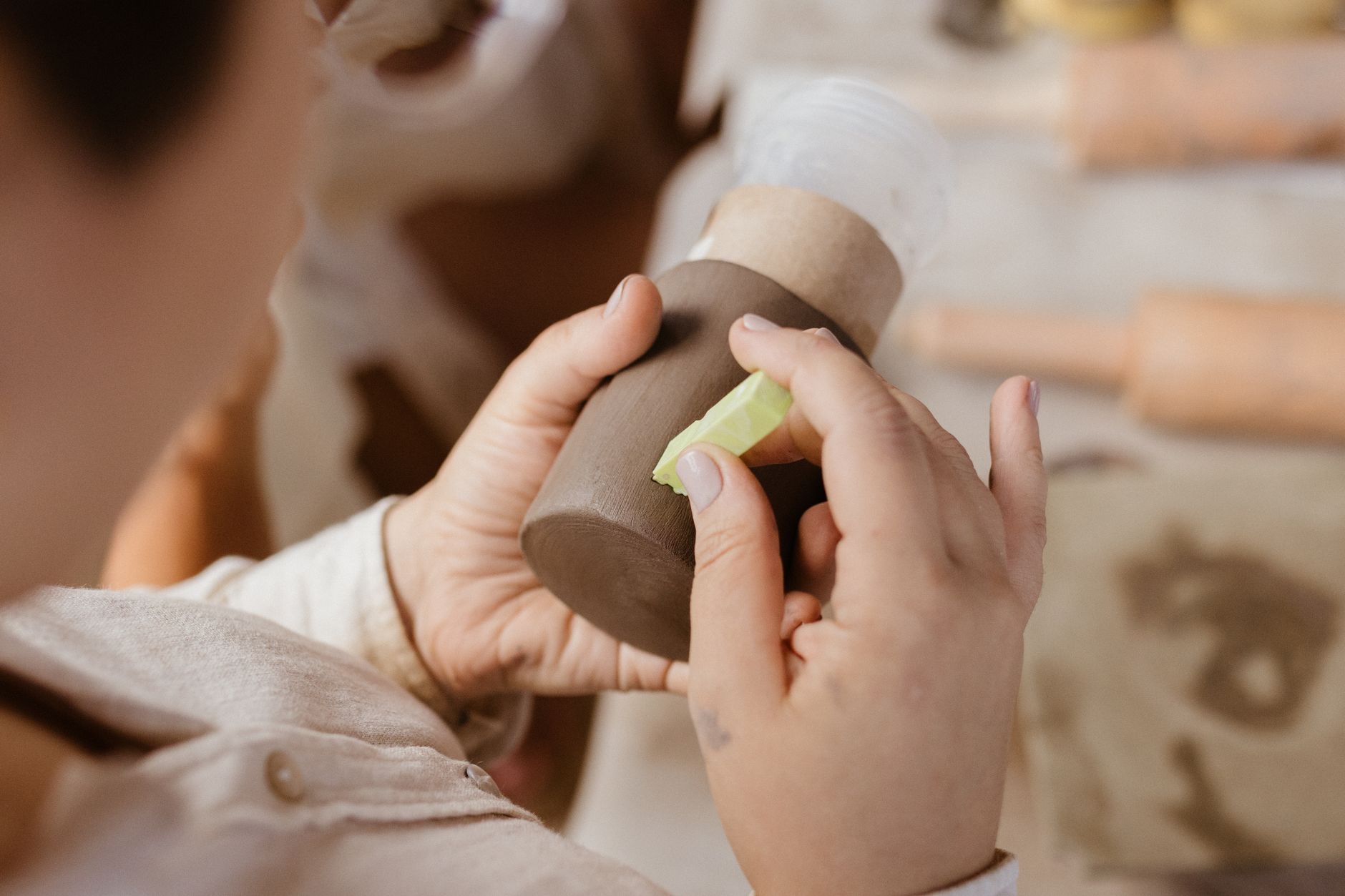
One of the most effective strategies for how to stop biting your fingernails is to engage your hands and mind in alternative activities, and crafting offers a uniquely powerful solution. The beauty of crafting lies in its ability to provide both a physical and mental distraction, redirecting the compulsive urge to bite into a productive and often meditative practice. When you're engrossed in a craft, your hands are busy, your focus is shifted, and your mind is engaged in a positive, creative endeavor. This active engagement breaks the cycle of unconscious biting. Consider the tactile nature of many crafts: the feel of yarn between your fingers in knitting or crocheting, the precise movements required for intricate embroidery, the delicate handling of beads for jewelry making, or the shaping of clay. These activities provide sensory input that can satisfy the need for tactile stimulation that often accompanies nail biting. Moreover, the repetitive motions inherent in many crafts, such as stitching, winding, or knotting, can have a calming, almost therapeutic effect, similar to meditation. This mindful engagement helps to reduce stress and anxiety, which are common triggers for onychophagia. Instead of turning to nail biting as a coping mechanism, you're now turning to a creative outlet that fosters relaxation and a sense of accomplishment. The process of creating something tangible, from start to finish, provides a profound sense of satisfaction and boosts self-esteem. Watching a project take shape under your hands can be incredibly rewarding, offering a positive feedback loop that reinforces the choice to craft instead of bite. This positive reinforcement is crucial for behavioral change. Crafting also introduces an element of delayed gratification. Instead of the fleeting, often guilt-ridden satisfaction of biting, you're working towards a beautiful, lasting result. This shift in perspective can help retrain your brain to seek more constructive forms of reward. Think about the types of crafts that require sustained, fine motor skills: knitting, crocheting, drawing, painting, paper crafting, jewelry making, pottery, or even intricate model building. These all demand a level of concentration that pulls your attention away from your nails. For instance, when you're counting stitches in knitting, your mind is occupied, and your hands are actively involved in a pattern, leaving no room for unconscious nail biting. The sensory experience of different materials – the softness of wool, the texture of paper, the coolness of metal – can also be very grounding and help to anchor you in the present moment, diverting focus from anxious thoughts that might lead to biting. Integrating crafting into your daily routine, especially during times when you're prone to biting (e.g., watching TV, commuting, feeling stressed), can be a game-changer. Keep a small, portable craft project readily available, such as a mini knitting project or a sketchbook, so you can immediately engage your hands when an urge arises. This proactive approach transforms a destructive habit into a constructive, enjoyable, and ultimately healing practice.

Our partners at joyclubde.com offer related services.

Practical Strategies and Craft-Based Interventions for Lasting Change

Beyond simply distracting yourself, specific craft-based interventions can be strategically employed to help you stop biting your fingernails. These methods combine the engaging nature of crafting with practical deterrents and habit-breaking techniques. One highly effective approach is the 'barrier method' integrated with creative expression. This involves applying a bitter-tasting nail polish, which acts as an immediate, unpleasant reminder when you attempt to bite. While effective, some find it merely a deterrent without addressing the underlying urge. This is where crafting comes in. Pair the bitter polish with a commitment to engage in a craft project whenever you feel the urge to bite. The dual action of an unpleasant taste and a positive, engaging alternative significantly strengthens your resolve. Consider painting your nails with a vibrant color, even if you're a beginner. The visual appeal of well-manicured nails can serve as a powerful motivator to keep them intact. Many people find that investing time and effort into a beautiful manicure makes them less likely to destroy it. This can be extended to nail art – even simple designs. The act of creating miniature art on your nails, or having them professionally done, reinforces the desire for healthy, attractive hands. This visual commitment can be a strong psychological barrier. Another practical strategy involves 'habit reversal training' (HRT), a recognized therapeutic approach for body-focused repetitive behaviors. While HRT often involves identifying triggers and substituting the unwanted behavior with a competing response, crafting naturally provides many competing responses. For example, if you find yourself biting when watching TV, instead of simply trying to stop, pick up a small cross-stitch project or a sketching pad. The competing response here is the fine motor skill required for the craft, which is incompatible with biting. This conscious redirection helps to rewire your brain's response to triggers. Furthermore, creating small, tangible rewards for milestones achieved can be incredibly motivating. For every week you go without biting, allow yourself to buy a new craft supply you've been wanting, or dedicate time to a more intricate project. This positive reinforcement strengthens the new, desired behavior. Consider joining a local crafting group or an online community. The shared experience and accountability can provide immense support. Discussing your journey with others who understand the challenges of habit-breaking can be invaluable. They might share their own strategies, offer encouragement, and even inspire you with new craft ideas. The social aspect of crafting can transform a solitary struggle into a communal journey toward better habits. For instance, participating in a knitting circle means your hands are constantly busy, and you're less likely to bite while engaged in conversation and creation. The very act of having your hands visible and engaged in a positive activity in front of others can be a subtle but powerful deterrent. Remember, consistency is key. Keep your craft supplies easily accessible in places where you typically bite your nails – by your couch, on your desk, in your bag. The easier it is to start crafting, the more likely you are to choose it over biting. By integrating these practical, craft-based interventions, you're not just trying to stop a bad habit; you're actively building positive, fulfilling new ones that contribute to your overall well-being and the health of your nails.

Common Mistakes to Avoid and Tips for Long-Term Success

Breaking a habit like nail biting is a journey, not a destination, and there are common pitfalls that can derail your progress. Understanding these and equipping yourself with strategies for long-term success is crucial. Here are some common mistakes to avoid and tips to ensure lasting change:
  • Mistake 1: Expecting Overnight Results. Nail biting is often a deeply ingrained habit. Don't get discouraged if you have setbacks. Progress is rarely linear. Tip: Celebrate small victories, like a few hours or a day without biting. Each moment you resist is a win.
  • Mistake 2: Relying Solely on Willpower. While willpower plays a role, it's often insufficient on its own. The urge to bite can be overwhelming. Tip: Combine willpower with practical strategies like crafting, bitter polishes, and trigger avoidance. Create an environment that supports your goal.
  • Mistake 3: Not Addressing Underlying Triggers. If stress or anxiety are driving your biting, merely stopping the habit without addressing the root cause will make it harder. Tip: Practice mindfulness, meditation, or stress-reducing crafts. If triggers are severe, consider seeking professional help like therapy or counseling.
  • Mistake 4: Isolation. Trying to break a habit in secret can make you feel alone and unsupported. Tip: Share your goal with trusted friends or family members. Their encouragement and understanding can be a powerful motivator. Join online communities or local craft groups for accountability and shared experiences.
  • Mistake 5: Neglecting Nail Care. If your nails are ragged or uneven, it can create an irresistible urge to 'even them out' with your teeth. Tip: Keep your nails meticulously trimmed, filed, and moisturized. Regular manicures (even DIY ones) can make your nails feel and look better, reducing the desire to bite.
  • Mistake 6: Not Having a Go-To Alternative. When an urge strikes, if you don't have an immediate, engaging alternative, you're more likely to revert to biting. Tip: Always have a small, portable craft project readily available. Keep it in your pocket, bag, or at your desk. This ensures you can immediately redirect your hands and mind.
  • Mistake 7: Giving Up After a Relapse. A relapse is not a failure; it's a learning opportunity. Most people experience them. Tip: Don't let a relapse define your entire journey. Acknowledge it, learn from what triggered it, and recommit to your strategies immediately. Don't let one slip turn into a full return to the habit.
  • Mistake 8: Lack of Self-Compassion. Being overly critical of yourself for biting can increase stress and anxiety, feeding the cycle. Tip: Treat yourself with kindness and understanding. Recognize that you're working on a challenging behavioral change, and self-compassion is a powerful tool for resilience.
By being aware of these common pitfalls and actively implementing these tips, you significantly increase your chances of long-term success in stopping nail biting and fostering healthier habits.

Comparison

FeatureMindful CraftingBitter PolishProfessional HelpGloves/Bandages
Addresses Root Cause
Engages Hands & Mind
Provides Positive Outlet
Immediate Deterrent
Boosts Self-Esteem
Long-Term Solution

What Readers Say

"I've bitten my nails for over 20 years. This article's emphasis on crafting as a diversion truly changed everything for me. I picked up embroidery, and now my hands are always busy creating something beautiful instead of destroying my nails. It's truly transformative!"

Sarah J. · Austin, TX

"The idea of mindful crafting really resonated. I started whittling wood, and the focus required completely takes my mind off my nails. It's a fantastic, productive way to redirect that nervous energy. My nails haven't looked this good in decades."

Mark D. · Seattle, WA

"I combined the bitter polish with knitting, as suggested, and it's been a game-changer. The polish reminds me not to bite, and the knitting gives my hands something positive to do. After just two months, I have actual nail growth and feel so much more confident."

Jessica L. · Chicago, IL

"While I still have occasional slips, the crafting approach has been the most effective method I've tried. I now enjoy painting miniatures, and it truly helps during stressful moments. It's not an instant cure, but it's a sustainable path to healthier nails."

David P. · Miami, FL

"As a busy mom, I thought I had no time for crafts, but finding small, portable projects like friendship bracelets has been a lifesaver. It keeps my hands occupied when I'm feeling anxious, and I'm finally seeing real progress in stopping my nail biting habit."

Emily R. · Denver, CO

Frequently Asked Questions

What is onychophagia and why is it so hard to stop?

Onychophagia is the medical term for chronic nail biting. It's difficult to stop because it's often a deeply ingrained, subconscious habit linked to stress, anxiety, or boredom, and it can act as a self-soothing mechanism. Breaking it requires conscious effort to identify triggers and replace the behavior with positive alternatives.

Will crafting truly help me stop biting my nails?

Yes, crafting can be incredibly effective. It engages your hands and mind, redirecting the urge to bite into a productive and often calming activity. The tactile stimulation, focus required, and sense of accomplishment from crafting provide a powerful alternative to the destructive habit of nail biting.

How do I choose the right craft to help with nail biting?

Choose a craft that requires fine motor skills and sustained hand engagement. Options like knitting, crocheting, embroidery, drawing, jewelry making, or pottery are excellent. Pick something you genuinely enjoy, as enthusiasm will make it easier to stick with when urges arise. Portability can also be a factor for on-the-go distraction.

Are there any cost-effective ways to start crafting for this purpose?

Absolutely. Many crafts have low entry barriers. You can start with basic drawing supplies (pencil and paper), simple knitting needles and a ball of yarn, or a small embroidery kit. Look for free tutorials online or at your local library. Many craft stores offer starter kits that are quite affordable, making it easy to experiment without a large investment.

How does crafting compare to using bitter nail polish?

Bitter nail polish acts as a physical deterrent, an immediate unpleasant reminder not to bite. Crafting, on the other hand, provides a positive, engaging alternative that addresses the underlying urge by redirecting your energy. Combining both methods often yields the best results: the polish deters, and the craft provides a healthy replacement activity.

Who should consider using crafting as a method to stop nail biting?

Anyone struggling with nail biting, especially those who find themselves biting due to stress, boredom, or anxiety, can benefit from crafting. It's particularly useful for individuals who enjoy hands-on activities, seek a productive outlet for nervous energy, or prefer a holistic approach to habit change.

Are there any risks associated with using crafting to stop nail biting?

There are no direct risks associated with crafting itself. However, ensure you use tools safely to avoid injury. The main 'risk' is not consistently engaging in the craft, which might lead to relapses. Patience and persistence are key, and crafting should be seen as a supportive tool, not a magical cure-all.

What are the future trends in habit-breaking techniques for nail biting?

Future trends are moving towards more personalized, technology-assisted habit reversal training, often incorporating mindfulness and biofeedback. However, the fundamental principles of identifying triggers and replacing behaviors, as exemplified by mindful crafting, will remain core strategies due to their proven effectiveness and accessibility.

Embark on your journey to healthier, more beautiful nails today. By embracing the power of mindful crafting, you can transform a destructive habit into a rewarding creative outlet. Take the first step and discover the joy of creating while simultaneously overcoming nail biting for good.

Topics: stop nail bitingnail care habitsmindful craftinghealthy nailsovercome onychophagia
Leo List
Brampton weed
Adultwork EstrelaBet Vai de Bet R7 Bet Betão Galera Bet Rainbet Bet9ja Shop SportyBet BetKing Sisal Loto Foot Hollywoodbets YesPlay Odibets RushBet Jugabet BetWarrior BetCity MSport betPawa Fortebet