
How to Start a Craft Business Online: Your Ultimate Guide
how to start a craft business online

How to Start a Craft Business Online: Your Ultimate Guide

Transform your creative passion into a thriving online craft business, reaching customers nationwide and building a brand you love.

Start Your Craft Journey Now

Key Takeaways

  • ✓ The U.S. handmade market is valued at over $44 billion.
  • ✓ Etsy is the leading platform, but many alternatives exist.
  • ✓ A strong brand story is crucial for connecting with customers.
  • ✓ Legal registration and tax compliance are essential for legitimacy.

How It Works

1
Define Your Niche & Products

Identify what unique crafts you'll sell and who your target audience is. This clarity helps in branding and marketing efforts, setting the foundation for your business.

2
Develop Your Brand & Online Presence

Create a distinctive brand identity, including a name, logo, and consistent aesthetic. Choose the right e-commerce platform to showcase your products effectively.

3
Legal & Financial Setup

Register your business, understand tax obligations, and set up proper financial tracking. This ensures your business operates legally and sustainably, avoiding future complications.

4
Market & Grow Your Business

Implement marketing strategies to reach your audience, from social media to SEO. Continuously analyze sales data and customer feedback to adapt and expand your offerings.

Laying the Foundation: Your Craft Business Vision and Niche

Hands arranging ceramic cups on a marble table with charts and notebooks, perfect for creative workspace themes. Photo: Pavel Danilyuk / Pexels
Embarking on the journey of how to start a craft business online begins not with a product, but with a vision. Before you even think about setting up a shop, you need to deeply understand what you're selling and, more importantly, to whom. This foundational step is often overlooked but is absolutely critical for long-term success. Start by asking yourself: What kind of crafts truly ignite your passion? Is it intricate jewelry, bespoke home decor, personalized apparel, unique stationery, or perhaps artisanal soaps? Your passion will be the fuel that sustains you through challenges, so choose something you genuinely love to create. Once you've identified your craft, the next crucial step is defining your niche. The handmade market is vast and diverse, and trying to appeal to everyone often results in appealing to no one. A niche allows you to focus your efforts, understand your target customer's specific needs and desires, and differentiate yourself from competitors. For example, instead of just 'jewelry,' consider 'minimalist sterling silver jewelry for professional women' or 'whimsical polymer clay earrings for young adults.' This specificity informs every aspect of your business, from product design and pricing to branding and marketing. Research is key here. Explore existing online craft markets like Etsy, Amazon Handmade, and Shopify stores. What's selling well? What gaps do you see? Who are your potential competitors, and what makes their products unique? Pay attention to customer reviews to understand what buyers value and where there might be unmet needs. Developing a clear unique selling proposition (USP) flows directly from your niche. What makes your crafts special? Is it your material sourcing, your unique design aesthetic, your commitment to sustainability, your customization options, or an exceptional level of craftsmanship? Articulate this USP clearly. It will become the cornerstone of your brand messaging. Beyond the product, consider the entire customer experience. How will your packaging reflect your brand? What kind of customer service will you offer? These elements, while seemingly small, contribute significantly to perceived value and customer loyalty. Remember, you're not just selling an item; you're selling an experience, a story, and a piece of your creativity. Understanding these initial steps deeply will save you time, effort, and resources down the line, ensuring you build a business with a solid and sustainable foundation. This early strategic planning is what separates a hobby from a thriving online enterprise. Consider exploring craft business ideas to further refine your niche and product offerings.

Building Your Digital Storefront: Platforms and Branding
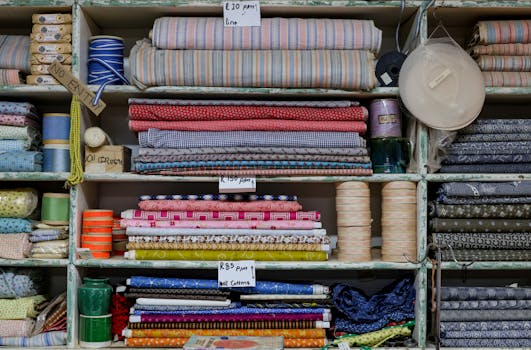
Organized shelves with various colorful fabrics, threads, and prices in a textile shop. Photo: Magda Ehlers / Pexels
After meticulously defining your craft and niche, the next pivotal phase in how to start a craft business online is establishing your digital storefront and crafting a compelling brand identity. Your online presence is your shop window, your customer service desk, and your marketing billboard all rolled into one. Choosing the right e-commerce platform is paramount. Each platform offers different features, pricing structures, and levels of customization, so it's essential to select one that aligns with your business needs and technical comfort level. Etsy remains a popular choice for many handmade sellers due to its established marketplace for unique items and built-in audience. It's relatively easy to set up, but comes with transaction fees and less brand control. Shopify, on the other hand, offers a highly customizable standalone store, giving you complete control over your brand, design, and customer data. While it requires more setup effort and a monthly subscription, it empowers you to build a truly unique brand experience. Other options include Squarespace, Wix, and Big Cartel, each with their own pros and cons regarding ease of use, scalability, and cost. Simultaneously, you must develop a strong brand identity. This goes far beyond just a logo; it encompasses your business name, color palette, typography, visual aesthetic, tone of voice, and the overall feeling you want to evoke. Your brand should resonate with your target audience and clearly communicate your unique selling proposition. Invest time in creating a memorable and professional business name that is available as a domain name and social media handle. Design a logo that is simple, recognizable, and reflects your craft's essence. Maintain consistency across all your online channels – your chosen e-commerce platform, social media profiles, and any marketing materials. High-quality product photography is non-negotiable. Professional-looking photos that accurately represent your crafts are crucial for attracting buyers and building trust. Consider lighting, staging, and showcasing your products from multiple angles, including lifestyle shots. Detailed and engaging product descriptions are equally important, telling the story behind your craft and highlighting its benefits and features. Think about how your packaging will reinforce your brand once a customer receives their order; an unboxing experience can significantly enhance customer satisfaction and encourage repeat business. Building a cohesive and appealing digital storefront is an ongoing process of refinement and adaptation.

Legalities, Logistics, and Financial Management for Crafters
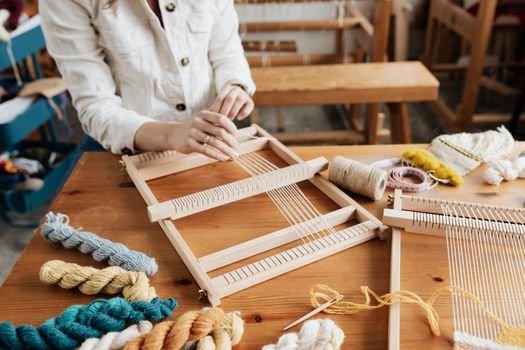
Hands weaving with a loom, surrounded by yarn in a cozy workspace. Photo: https://kaboompics.com/ / Pexels
Once your products are defined and your digital storefront is taking shape, the practicalities of operating a legitimate and sustainable craft business online come into focus. Navigating the legal, logistical, and financial aspects might seem daunting, but it's crucial for long-term success and peace of mind. First, consider the legal structure of your business. For many small craft businesses, starting as a sole proprietorship is common due to its simplicity. However, as you grow, you might explore options like an LLC (Limited Liability Company) to protect your personal assets. Research the specific requirements for business registration in your state and local municipality in the US. This often involves obtaining a business license and possibly a sales tax permit, as you will be responsible for collecting and remitting sales tax on your products. Understanding these tax obligations from the outset is vital. Consult with a local accountant or business advisor to ensure you're compliant with all federal, state, and local regulations. Financial management is another cornerstone. Set up a dedicated business bank account to keep your personal and business finances separate – this simplifies accounting and tax preparation. Track all your income and expenses meticulously. Utilize accounting software like QuickBooks Self-Employed or Wave to manage your books, track inventory costs, and monitor profitability. Pricing your crafts correctly is a critical skill. Don't just factor in material costs; also account for your time, overheads (platform fees, marketing, packaging), and a reasonable profit margin. Underpricing your work can lead to burnout and an unsustainable business model. Research competitor pricing to ensure you're competitive but don't undervalue your unique craftsmanship. Shipping and fulfillment are vital logistical components. Research various shipping carriers (USPS, FedEx, UPS) to compare costs, speed, and reliability. Decide on your shipping policies: will you offer free shipping, flat rates, or calculated shipping? Consider packaging materials that protect your products during transit while also reflecting your brand. Sustainable packaging options are increasingly valued by customers. Setting up efficient processes for order fulfillment, from packaging to label printing, will save you time as your order volume grows. Don't forget about returns and exchanges – having a clear, fair policy in place builds customer trust. Adhering to these legal and financial best practices, alongside streamlined logistics, provides a robust framework for your online craft business, allowing you to focus more on creation and less on administrative headaches. For more detailed insights, you can explore resources on craft business legal considerations.

Marketing Your Masterpieces and Scaling Your Craft Business

A selection of intricately carved wooden toy trucks displayed at a market. Perfect for souvenirs. Photo: Roger Brown / Pexels
With your online shop established and the legalities handled, the final, continuous stage of how to start a craft business online involves effectively marketing your masterpieces and strategically scaling your venture. No matter how beautiful your crafts are, they won't sell if no one knows about them. Developing a robust marketing strategy is essential to attract your target audience and drive sales. Social media is an incredibly powerful tool for craft businesses. Platforms like Instagram and Pinterest are highly visual and perfect for showcasing handmade items. Use high-quality photos and videos, tell the story behind your creations, and engage with your followers. Hashtags, reels, and stories can significantly boost your visibility. Consider platforms like TikTok for short, engaging behind-the-scenes content or process videos. Email marketing is another highly effective channel. Build an email list by offering a small discount or an exclusive preview to subscribers. Use your email list to announce new products, share promotions, and build a community around your brand. Search Engine Optimization (SEO) for your product listings and shop descriptions is crucial, especially if you're on a platform like Etsy or have your own Shopify store. Use relevant keywords that potential customers would search for to find products like yours. Collaborate with other crafters or influencers in your niche to expand your reach. Participate in online craft fairs or virtual markets to gain exposure. Customer service and fostering community are also key marketing tools. Excellent customer service leads to positive reviews and repeat business. Encourage reviews and testimonials, as social proof is incredibly influential. Engage with your customers, answer questions promptly, and build relationships. As your business grows, consider scaling strategies. This might involve expanding your product line, hiring assistance for production or marketing, or exploring wholesale opportunities. Analyze your sales data to identify best-selling products and customer demographics. Continuously seek feedback and be prepared to adapt your offerings based on market trends and customer preferences. Remember, building a successful online craft business is a marathon, not a sprint. It requires consistent effort, creativity, and a willingness to learn and evolve. **Key Marketing Tactics:** * **High-Quality Visuals:** Essential for social media and product listings. * **Storytelling:** Share the inspiration and process behind your crafts. * **Engage Consistently:** Respond to comments, messages, and reviews. * **SEO Optimization:** Use keywords in titles, descriptions, and tags. * **Email List Building:** Cultivate direct communication with your audience. * **Partnerships:** Collaborate for cross-promotion and expanded reach. * **Customer Loyalty Programs:** Reward repeat buyers. * **Analytics Review:** Monitor what's working and adjust your strategy. By diligently applying these marketing and scaling principles, your online craft business can transition from a passion project to a sustainable and profitable enterprise.

Comparison

FeatureEtsy (Best for Beginners)Shopify (Best for Growth)Amazon Handmade (High Traffic)
Setup DifficultyEasyModerateModerate (Application Process)
Monthly Cost$0 (listing fees + transaction)Starts at $29/month$0 (referral fees + transaction)
CustomizationLimitedExtensiveLimited
Built-in Audience
Brand ControlLowHighMedium
Transaction Fees6.5% + $0.20/listing2.9% + $0.30 (via Shopify Payments)15% referral fee
Marketing ToolsBasic (Etsy Ads)Advanced (integrated)Basic (Amazon Ads)

What Readers Say

"This guide truly demystified how to start a craft business online. The section on niche definition was a game-changer for my personalized jewelry brand, helping me attract my ideal customers quickly."

Sarah J. · Austin, TX

"As a woodworker, I struggled with the online aspect. This article provided clear, actionable steps on platform selection and product photography, leading to a significant increase in my online sales."

Mark D. · Portland, OR

"Following the advice on legal and financial setup helped me confidently launch my handmade soap business. I now have proper licenses and a clear understanding of my tax obligations, saving me future headaches."

Emily R. · Miami, FL

"The marketing section was incredibly helpful, especially the tips on social media for handmade goods. While some aspects felt a bit overwhelming, the overall structure made it easy to break down into manageable tasks."

David L. · Denver, CO

"I transitioned from selling at local markets to online, and this guide was my blueprint. The detailed comparison of platforms helped me choose Shopify, which has allowed me to scale my textile art business beyond my expectations."

Jessica M. · Chicago, IL

Frequently Asked Questions

What's the most important first step when learning how to start a craft business online?

The most crucial first step is to clearly define your niche and unique selling proposition (USP). Understanding what makes your crafts unique and who your target audience is will inform all subsequent decisions, from product development to marketing strategies.

Do I need a business license to sell crafts online?

Yes, in most cases, you will need to register your business and obtain a business license, especially if you intend to make a profit. Requirements vary by state and local municipality in the US, so it's best to check with your local government and possibly consult an accountant.

How do I price my handmade crafts competitively yet profitably?

To price your crafts effectively, calculate all material costs, labor (your hourly rate multiplied by creation time), and overheads (packaging, platform fees, marketing). Then, add a reasonable profit margin. Researching competitor pricing and understanding your target market's willingness to pay is also vital.

Is Etsy the only platform for selling crafts online, or are there alternatives?

While Etsy is very popular for handmade goods, it's not the only option. Shopify, Squarespace, and Wix allow you to build your own standalone e-commerce store with more branding control. Amazon Handmade offers access to a massive audience, and social media platforms like Instagram also have direct selling features.

How can I effectively market my online craft business without a huge budget?

Focus on organic marketing strategies: leverage visual platforms like Instagram and Pinterest with high-quality photos, engage in relevant online communities, use SEO for your product listings, and start an email list. Collaborating with other small businesses or micro-influencers can also provide cost-effective exposure.

Who should consider starting a craft business online?

Anyone with a passion for creating handmade goods who wishes to share their unique products with a wider audience and earn income from their craft. It's ideal for those seeking flexibility, creative control, and the ability to connect directly with customers who appreciate artisanal quality.

What are the biggest risks or challenges when starting an online craft business?

Key challenges include standing out in a crowded market, managing time between creation and business tasks, understanding legal and tax obligations, dealing with shipping logistics, and maintaining consistent product quality. Overcoming these requires dedication, continuous learning, and strategic planning.

What are the future trends for online craft businesses?

Future trends include a greater emphasis on personalization and customization, increased demand for sustainable and ethically sourced materials, the rise of video commerce (e.g., live selling on social media), augmented reality (AR) for virtual product try-ons, and building strong, engaged communities around brands.

Ready to turn your creative passion into a profitable venture? This comprehensive guide on how to start a craft business online provides all the tools and insights you need. Take the first step today and build the online craft business of your dreams, connecting with customers who cherish handmade quality.

Topics: how to start a craft business onlinesell handmade craftsonline craft storecraft business planmarket handmade goods
Leo List

IE Escorts NO Escorts US Escorts NZ Escorts AU Escorts
Brampton weed
Adultwork EstrelaBet Vai de Bet R7 Bet Betão Galera Bet Rainbet Bet9ja Shop SportyBet BetKing Sisal Loto Foot Hollywoodbets YesPlay Odibets RushBet Jugabet BetWarrior BetCity MSport betPawa Fortebet