✓ The global craft market is projected to reach over $50 billion by 2024.
✓ Over 75% of craft business owners operate from home.
✓ Niche specialization significantly increases market visibility and customer loyalty.
✓ Effective online presence is crucial, with platforms like Etsy, Shopify, and social media being key.
How It Works
1
Define Your Craft & Niche
Identify what you love to make and research who would love to buy it. A clear niche helps target your marketing efforts effectively.
2
Develop Your Business Plan
Outline your products, pricing, marketing strategy, and financial projections. This roadmap guides your decisions and growth.
3
Establish Your Brand & Online Presence
Create a unique brand identity and set up your online shop. Professional photos and compelling descriptions are essential for attracting customers.
4
Market, Sell, & Scale
Actively promote your crafts through various channels and engage with your audience. Continuously refine your offerings and expand your reach.
Laying the Foundation: Discovering Your Craft Niche and Business Vision
Photo: Gizem toprak / Pexels
Embarking on the journey of how to start a craft business begins not with a product, but with a profound understanding of your passion and its place in the market. Many aspiring entrepreneurs jump straight into making, only to find themselves adrift in a sea of similar offerings. The key to sustainable success lies in defining a unique craft niche. This isn't just about what you make, but who you make it for, and why your creations are special.
Start by brainstorming all the crafts you genuinely enjoy. Are you a master knitter, a meticulous jewelry maker, a skilled potter, or a creative candlemaker? List everything that sparks joy and creativity. Once you have your list, delve deeper into market research. Who else is making similar items? What are their price points? What do their customers love, and what are their pain points? Look for gaps in the market or ways you can offer a distinct advantage. Perhaps you specialize in eco-friendly materials, custom pet portraits, or minimalist home decor. Your niche should be specific enough to attract a dedicated audience but broad enough to allow for growth and diversification.
Beyond the craft itself, consider your personal 'why.' What drives you to create? Is it the desire to bring beauty into the world, to offer personalized gifts, or to promote sustainable living? This 'why' forms the core of your brand story and resonates deeply with customers. Your business vision should encompass not just what you sell, but the experience you want to create for your customers and the impact you want to have. This foundational work is critical for building a brand that stands out and attracts loyal followers. Without a clear vision and a well-defined niche, even the most beautiful crafts can struggle to find their audience.
Next, consider the practical aspects. What materials will you use? Where will you source them? Are they readily available and cost-effective? Understanding your supply chain early on can prevent future headaches. Think about the production process: how long does it take to make one item? Can you scale production if demand increases? These initial considerations, while seemingly mundane, are vital for building a robust and efficient craft business. They help you move from a hobbyist mindset to a business owner's perspective, ensuring your passion project has a solid commercial footing. Remember, a strong foundation makes all subsequent steps, from branding to marketing, significantly more effective and less daunting. This initial deep dive into your craft and market landscape is the cornerstone of a successful venture. For more insights on finding your unique selling proposition, explore resources on craft market trends.
Crafting Your Business Blueprint: Planning for Profit and Growth
Photo: cottonbro studio / Pexels
Once your niche is defined, the next crucial step in how to start a craft business is to develop a comprehensive business plan. This isn't just a formal document for investors; it's your strategic roadmap, guiding every decision from pricing to marketing. A well-structured business plan forces you to think critically about every aspect of your venture, identifying potential challenges and opportunities before they arise.
Start with your product line. What specific items will you offer? How will they be priced to cover your material costs, labor, and desired profit margin? Don't undervalue your time and skill. Research competitor pricing, but also understand the perceived value of your unique, handmade items. Consider different pricing strategies, such as tiered pricing for custom orders or bundles for popular items. Your pricing strategy should reflect your brand's positioning – are you aiming for affordable everyday items or luxury, bespoke pieces?
Next, outline your operational plan. Where will you create your crafts? What equipment do you need? How will you manage inventory and order fulfillment? Efficient operations are key to profitability and customer satisfaction. Think about packaging – how will your products arrive safely and beautifully to your customers? Unboxing experiences can significantly enhance customer loyalty and word-of-mouth marketing.
Crucially, develop a marketing and sales strategy. How will potential customers discover your crafts? Will you focus on online platforms like Etsy, Shopify, or social media? Or will you participate in local craft fairs and markets? A multi-channel approach often yields the best results. Identify your target audience and tailor your marketing messages to resonate with them. What story will you tell? What emotions will your brand evoke? Consistent branding across all platforms is essential for building recognition.
Finally, create a financial plan. This includes startup costs (materials, equipment, website fees), ongoing expenses (marketing, shipping, utilities), projected sales, and profit forecasts. Understanding your break-even point is vital. While these numbers might seem intimidating, they provide a realistic picture of your business's viability and help you set achievable goals. Regularly review and adjust your business plan as your business evolves. It's a living document, not a static one. A solid business plan transforms your creative passion into a viable, profitable enterprise, providing the structure needed to navigate the complexities of entrepreneurship. It's the difference between a hobby that occasionally earns money and a genuine, sustainable business.
Building Your Brand Identity and Dominating the Digital Landscape
Photo: RDNE Stock project / Pexels
In today's interconnected world, knowing how to start a craft business means understanding the power of branding and a robust online presence. Your brand is more than just a logo; it's the entire experience your customers have with your business, from your product quality to your customer service. A strong brand identity helps you stand out in a crowded market and fosters trust and loyalty among your audience.
Begin by defining your brand's personality. Is it whimsical, elegant, rustic, or modern? Choose colors, fonts, and imagery that reflect this personality consistently across all your platforms. Invest in a professional logo that is memorable and scalable. This visual identity will be the face of your business. Beyond aesthetics, craft a compelling brand story. What inspired you to start? What values do you uphold? Sharing your story creates an emotional connection with customers, making your crafts more than just products – they become a piece of your journey.
Next, establish your online storefront. For many craft businesses, platforms like Etsy offer a fantastic starting point due to their built-in audience interested in handmade goods. However, consider building your own e-commerce website using platforms like Shopify or Squarespace for greater control over branding, customer data, and lower transaction fees as you grow. Whichever platform you choose, high-quality product photography is non-negotiable. Clear, well-lit images that accurately represent your items are crucial for online sales. Write descriptive product titles and compelling descriptions that highlight the unique features, materials, and benefits of your crafts. Think about the keywords potential customers might use to find your items.
Social media is another powerful tool for craft businesses. Identify where your target audience spends their time – Instagram, Pinterest, TikTok, or Facebook. Create engaging content that showcases your creative process, behind-the-scenes glimpses, and finished products. Use relevant hashtags to increase discoverability. Interact with your followers, respond to comments, and build a community around your brand. Email marketing is also incredibly effective for nurturing leads and announcing new products or promotions. Collect email addresses from your website visitors and craft engaging newsletters. By strategically leveraging these digital tools, you can significantly expand your reach and transform casual browsers into loyal customers, making your craft business a recognized and beloved brand. For deeper insights into online selling, check out our guide on selling handmade goods online.
Marketing Your Masterpieces and Avoiding Common Pitfalls
Photo: zimochen / Pexels
Successfully marketing your handmade crafts is paramount once you've learned how to start a craft business and established your online presence. Even the most beautiful creations won't sell if no one knows they exist. Effective marketing is about reaching your target audience where they are and convincing them of the value and uniqueness of your products.
One of the most powerful marketing tools for craft businesses is visual content. High-quality photos and videos that showcase your products in their best light are essential. Consider lifestyle shots that show your crafts in use, helping customers envision them in their own lives. Utilize platforms like Instagram and Pinterest, which are highly visual, to share your work. Create short, engaging videos for TikTok or Instagram Reels that highlight your creative process or the story behind your products. User-generated content, where customers share photos of your crafts, is also incredibly valuable for building trust and social proof.
Beyond visual marketing, consider various sales channels. While online stores are crucial, don't overlook the power of in-person events. Local craft fairs, farmers' markets, and pop-up shops allow you to connect directly with customers, gather feedback, and make immediate sales. The personal interaction can build a strong local following. Explore collaborations with complementary businesses or influencers in your niche. A joint giveaway or cross-promotion can introduce your brand to a new audience.
**Common Pitfalls to Avoid:**
* **Undervaluation:** Many crafters drastically underprice their work, failing to account for materials, labor, overhead, and profit. This leads to burnout and an unsustainable business model. Value your time and skill appropriately.
* **Lack of Niche:** Trying to appeal to everyone often means appealing to no one. Without a specific niche, your marketing efforts will be diluted, and your brand message unclear.
* **Poor Photography:** Blurry, poorly lit photos are a major deterrent for online shoppers. Invest time or resources into learning good product photography.
* **Inconsistent Branding:** A disjointed brand identity across different platforms confuses customers and erodes trust. Maintain consistent visuals, voice, and messaging.
* **Ignoring Customer Service:** Excellent customer service builds loyalty and generates positive reviews. Be responsive, friendly, and proactive in addressing concerns.
* **Neglecting Legalities:** Failing to register your business, understand sales tax obligations, or protect your intellectual property can lead to significant issues down the line.
* **Burnout:** The passion that starts a craft business can quickly fade if you don't manage your time, set boundaries, and avoid overworking. Prioritize self-care and delegate tasks when possible.
By actively marketing your masterpieces and consciously avoiding these common pitfalls, you can build a sustainable and successful craft business that not only brings you joy but also generates consistent profit.
Comparison
Feature
Etsy
Shopify
Local Craft Fairs
Social Media
Setup Difficulty
Easy
Moderate
Moderate
Easy
Cost (monthly/fees)
Low (listing/transaction fees)
Moderate (subscription)
Variable (booth fees)
Free (ads optional)
Built-in Audience
High
None (you build it)
Local
Global (requires effort)
Customization
Limited
High
Physical display
Brand voice/content
Scalability
Moderate
High
Limited
Moderate
Direct Customer Interaction
✓
✓
✓
✓
Payment Processing
Integrated
Integrated
POS needed
Integrated (via third-party)
What Readers Say
★★★★★
"This guide was a game-changer for how to start a craft business. The section on niche selection helped me refine my product line, and the marketing tips gave me a clear strategy. I feel so much more confident now!"
Sarah J. · Austin, TX
★★★★★
"I've been dabbling in woodworking for years, but never knew how to turn it into a business. This article broke down the process into manageable steps, especially the business plan section. Highly recommend for any aspiring craft entrepreneur."
Mark T. · Portland, OR
★★★★★
"Following the advice here, I launched my handmade jewelry business last month and already made 15 sales! The focus on branding and product photography made a huge difference in attracting customers."
Emily R. · Miami, FL
★★★★★
"A very thorough guide on how to start a craft business. While some parts felt a bit overwhelming for a complete beginner, the actionable advice on avoiding pitfalls was invaluable. I'm taking it one step at a time."
David L. · Denver, CO
★★★★★
"As a busy mom, I needed a clear, concise roadmap. This article delivered! It helped me structure my time and prioritize tasks to get my custom embroidery business off the ground without feeling completely swamped."
Jessica M. · Chicago, IL
Frequently Asked Questions
What's the most important first step when learning how to start a craft business?
The most important first step is defining your niche and understanding your target audience. This clarity will guide all subsequent decisions, from product development and pricing to branding and marketing, ensuring your efforts are focused and effective.
Is it really possible to make a full-time income from a craft business?
Yes, it is absolutely possible to make a full-time income from a craft business, but it requires dedication, strategic planning, consistent effort, and treating it like a serious business, not just a hobby. Many successful crafters have turned their passion into lucrative careers.
How do I price my handmade crafts fairly and profitably?
A common formula is (Cost of Materials + Cost of Labor) x 2 or 3 = Wholesale Price. Then, Wholesale Price x 2 = Retail Price. Ensure you factor in your hourly wage, not just materials, and research competitor pricing to stay competitive while remaining profitable.
What are the initial costs involved in starting a craft business?
Initial costs can vary widely but typically include materials, basic tools/equipment, website/platform fees (e.g., Etsy, Shopify subscription), branding elements (logo design), and potentially marketing expenses. Start small and reinvest profits to grow.
Should I start on Etsy or build my own website first?
For beginners, starting on Etsy is often recommended due to its established marketplace and built-in audience. As your business grows and you gain experience, consider building your own website for greater brand control, lower fees, and direct customer relationships.
Who should consider starting a craft business?
Anyone with a passion for creating, a desire to share their unique talents, and the drive to learn basic business principles should consider starting a craft business. It's ideal for those seeking creative freedom and the flexibility of being their own boss.
What are the legal requirements for a craft business in the US?
Legal requirements typically include registering your business name (if different from your personal name), obtaining any necessary local business licenses or permits, understanding and collecting sales tax, and potentially getting product liability insurance depending on your craft.
How important is social media for a craft business in 2024?
Social media is extremely important in 2024 for a craft business. Platforms like Instagram, Pinterest, and TikTok are visual powerhouses perfect for showcasing handmade items, engaging with customers, building community, and driving traffic to your sales channels.
Ready to transform your creative passion into a thriving enterprise? This comprehensive guide on how to start a craft business provides the essential knowledge and actionable steps you need. Don't just dream of selling your crafts—make it a reality today.
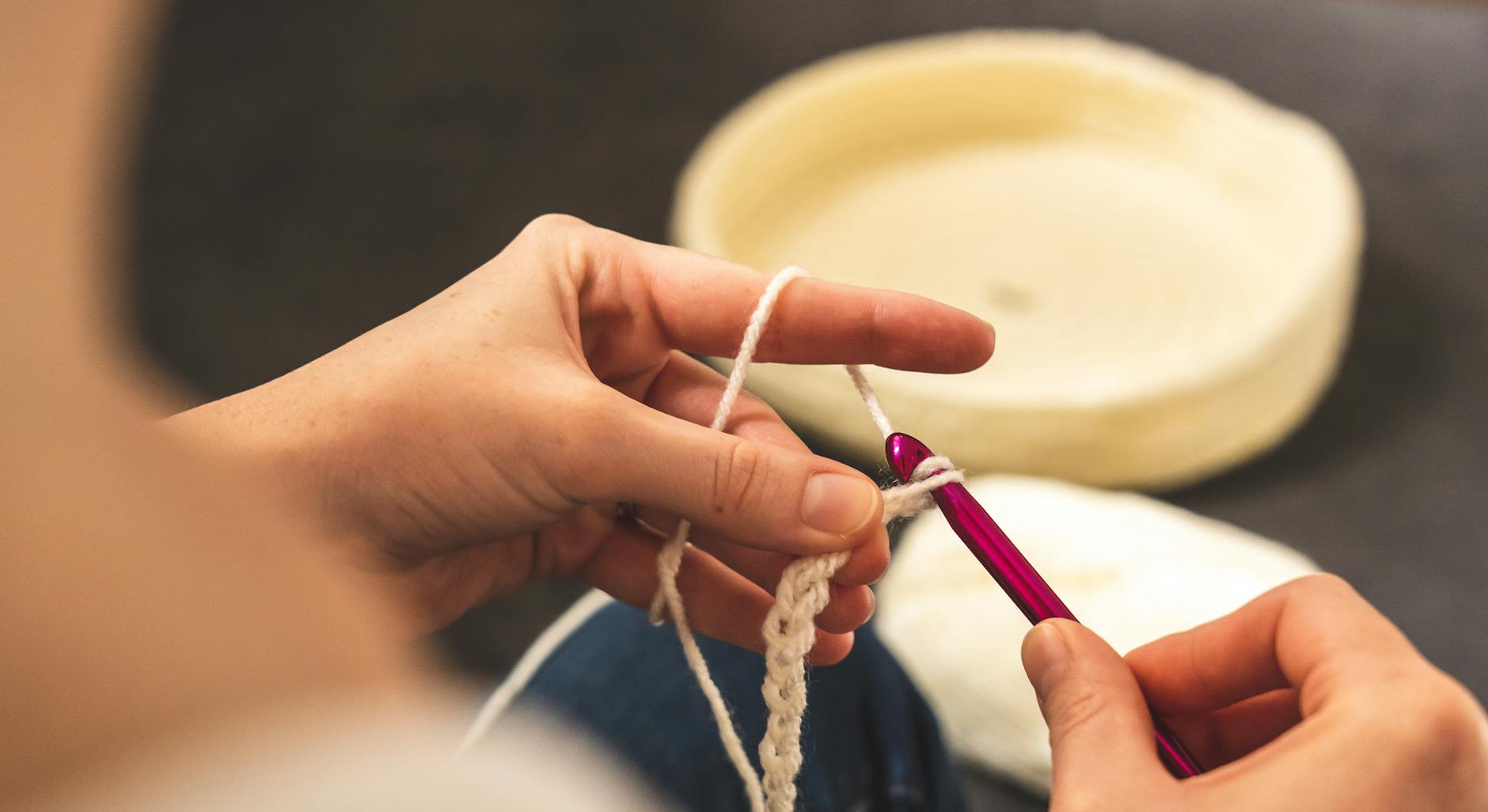
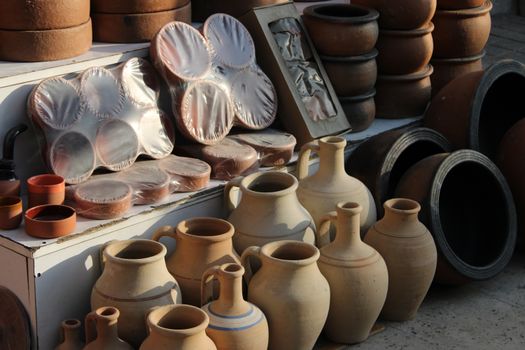 Photo: Gizem toprak / Pexels
 Photo: cottonbro studio / Pexels
 Photo: RDNE Stock project / Pexels
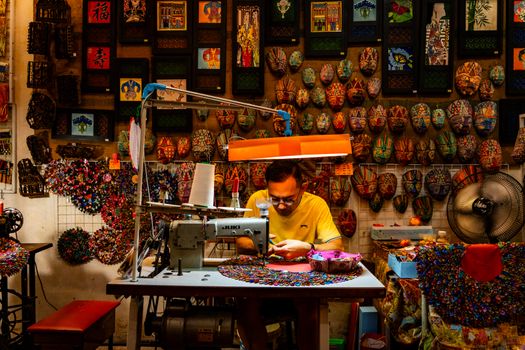 Photo: zimochen / Pexels