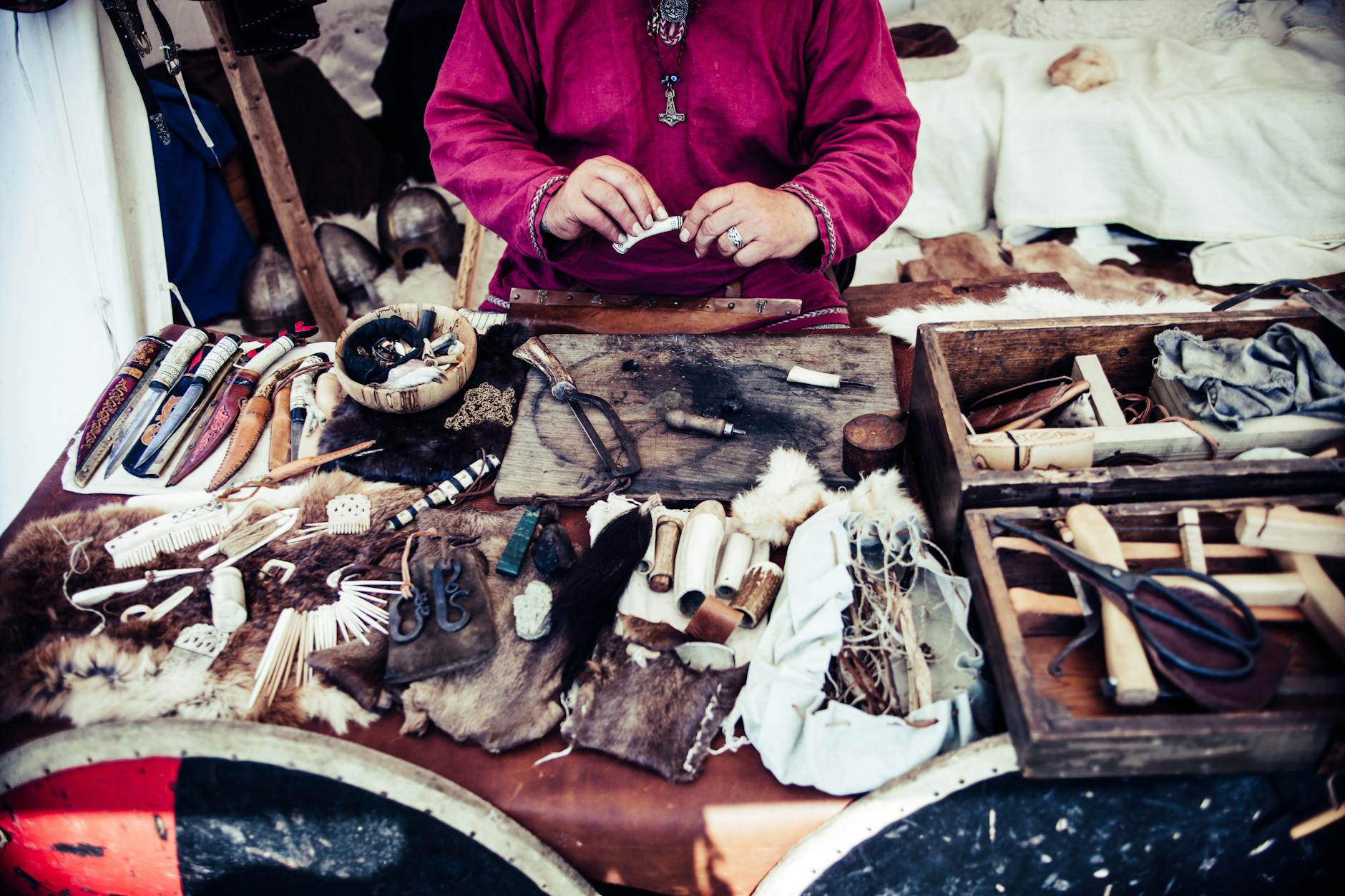
The Enduring History of Craft Making: From Ancient to Modern
history of craft making

The Enduring History of Craft Making: From Ancient to Modern

Explore the rich tapestry of human creativity, skill, and cultural expression woven through millennia of craft production.

Begin Your Journey

Key Takeaways

  • ✓ Craft making predates written history, serving essential survival needs and cultural expression.
  • ✓ The Industrial Revolution dramatically shifted craft production from artisan to mass manufacturing.
  • ✓ The Arts and Crafts Movement in the late 19th century championed a return to handmade quality and ethical production.
  • ✓ Contemporary craft embraces diverse materials, digital tools, and often blurs lines with fine art.

How It Works

1
Ancient Origins & Survival

Early humans crafted tools, weapons, and shelters out of necessity. These foundational crafts laid the groundwork for all future human ingenuity.

2
Specialization & Cultural Significance

As societies developed, crafts became specialized, leading to artisans and trades. Crafts took on symbolic, spiritual, and aesthetic importance within communities.

3
Industrial Revolution & Response

The rise of machines challenged traditional craft, leading to mass production. Movements like Arts and Crafts emerged to preserve handmade quality and artistic integrity.

4
Modern Revival & Innovation

Today, craft experiences a vibrant resurgence, blending traditional techniques with new materials and technologies. It's a celebration of individuality and sustainable practices.

The Dawn of Craft: Prehistoric and Ancient Craft Making
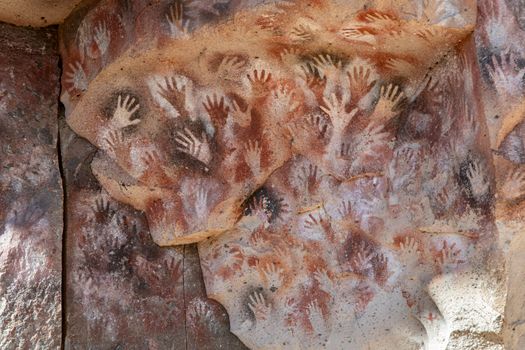
Explore the prehistoric handprints at Cueva de las Manos in Santa Cruz, Argentina. Photo: Jose Luis Vanasco / Pexels
The story of humanity is intrinsically linked to the history of craft making. Long before the advent of written language or complex societal structures, our ancestors engaged in the fundamental act of transforming raw materials into functional and meaningful objects. This primordial urge to create was not merely an aesthetic pursuit; it was a cornerstone of survival. From the earliest stone tools, meticulously flaked and shaped for hunting, cutting, and scraping, to the intricate cave paintings that adorned the walls of their shelters, prehistoric craft laid the foundation for human civilization. These initial crafts were born out of necessity, yet they simultaneously demonstrated an innate capacity for problem-solving, innovation, and a nascent sense of aesthetic appreciation. As humans transitioned from nomadic hunter-gatherer societies to more settled agricultural communities, the scope and complexity of craft making expanded dramatically. The development of pottery, for instance, revolutionized food storage and preparation, allowing for more efficient use of resources and the ability to cook a wider variety of foods. Early pottery, often hand-coiled and fired in open pits, evolved into wheel-thrown vessels adorned with intricate patterns, reflecting regional identities and storytelling. Similarly, the invention of weaving transformed animal hides and plant fibers into clothing, baskets, and rudimentary shelters, providing warmth, protection, and a means of carrying goods. The discovery and mastery of metallurgy, initially with copper and later bronze and iron, marked another pivotal moment. Metalworking allowed for the creation of more durable tools, weapons, and decorative items, symbolizing status and power within emerging hierarchies. Think of the intricate bronze artifacts from the Bronze Age or the sophisticated goldwork of ancient Egypt; these were not just objects but powerful expressions of culture, belief systems, and social order. The skill required for such crafts often necessitated years of apprenticeship, leading to the emergence of specialized artisans who held esteemed positions within their communities. These early craftsmen were not just makers; they were innovators, artists, and cultural custodians, passing down invaluable knowledge and techniques through generations. The objects they created offer invaluable insights into the daily lives, spiritual beliefs, and technological prowess of ancient civilizations, providing a tangible link to our distant past and showcasing the enduring human drive to shape our world through craft. Exploring these ancient beginnings helps us understand the deep roots of craft as a fundamental human endeavor.

Craft in the Classical and Medieval Eras: Art, Utility, and Guilds
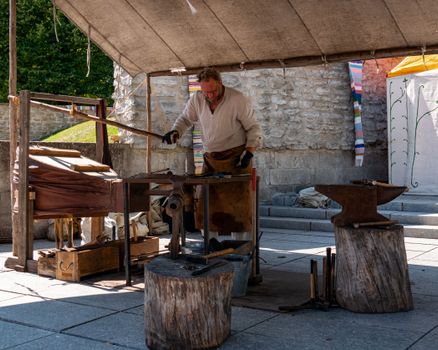
A blacksmith works at a medieval festival in Tallinn, Estonia. Photo: Audrey B / Pexels
Moving into the classical and medieval periods, craft making continued its trajectory of evolution, becoming increasingly sophisticated and interwoven with societal structures. In ancient Greece and Rome, craftsmen were integral to the functioning of their empires, producing everything from monumental architecture and intricate sculptures to everyday household items and elaborate military equipment. While some crafts, like sculpture and painting, began to gain recognition as 'fine arts,' many others remained firmly within the realm of skilled labor, albeit highly valued. Roman glassblowers, for example, developed techniques that allowed for mass production of glass vessels, yet still produced exquisite, decorative pieces for the elite. The practical applications of craft were paramount, but the aesthetic dimension was never entirely absent; even utilitarian objects often displayed a keen sense of design and ornamentation. With the fall of the Roman Empire and the dawn of the Middle Ages, craft production became localized and deeply embedded within the feudal system. Monasteries often served as centers of craft, preserving ancient knowledge and developing new techniques in areas like illumination, textile production, and metalwork. However, it was the emergence of craft guilds in medieval towns that truly formalized and elevated the status of artisans. Guilds were powerful associations of craftsmen, such as weavers, blacksmiths, carpenters, goldsmiths, and masons, who regulated their respective trades. They set standards for quality, controlled prices, provided training through apprenticeship programs, and protected their members from competition. Becoming a master craftsman within a guild was a rigorous process, requiring years as an apprentice, then a journeyman, before presenting a 'masterpiece' to prove one's skill. This system ensured high-quality production and the meticulous transmission of specialized knowledge from one generation to the next. The cathedrals of Europe, with their stained glass, intricate carvings, and elaborate metalwork, stand as enduring testaments to the collective skill and dedication of medieval craftsmen. These periods saw craft not just as a means of production, but as a vital component of economic stability, social organization, and cultural identity, laying the groundwork for the artisan traditions that would continue to flourish for centuries.

The Industrial Revolution and the Arts and Crafts Response

A child using a blue marker to draw on paper, surrounded by colorful markers. Creativity and art. Photo: Goran Grudić / Pexels
The 18th and 19th centuries witnessed a seismic shift in the history of craft making with the advent of the Industrial Revolution. This period marked a dramatic departure from centuries of handmade production, as machines began to replace human labor in factories. The focus shifted from individual craftsmanship and unique, bespoke items to mass production, standardization, and efficiency. Textiles, pottery, and metal goods, once the domain of skilled artisans, were now churned out in unprecedented quantities by machines. While this brought goods to a wider consumer base at lower prices, it also led to a perceived decline in quality, a loss of connection between maker and object, and often, deplorable working conditions for factory laborers. The beauty and integrity inherent in handmade objects were often sacrificed for speed and cost-effectiveness, leading to a proliferation of factory-made items that many considered soulless and poorly designed. In response to this perceived degradation of craft and human spirit, a powerful movement emerged in the latter half of the 19th century: the Arts and Crafts Movement. Originating in Britain and championed by figures like William Morris and John Ruskin, this movement advocated for a return to traditional craftsmanship, ethical production, and the inherent beauty of handmade objects. They believed that craft should not be separated from art, and that the act of making should be a joyful, fulfilling experience for the artisan. The movement emphasized simple forms, high-quality materials, and honest construction, celebrating the skill of the individual maker over anonymous mass production. Arts and Crafts furniture, textiles, ceramics, and metalwork often featured natural motifs, intricate detailing, and a clear rejection of industrial ornamentation. The philosophy spread globally, influencing design and craft practices in the United States, Europe, and beyond. In America, figures like Gustav Stickley popularized the Mission Style, a direct offshoot of the Arts and Crafts ideals. This movement was not merely about aesthetics; it was a social and philosophical stand against the dehumanizing aspects of industrialization, championing the value of human labor, creativity, and the enduring appeal of the unique, handmade object. It laid crucial groundwork for future craft revivals and the ongoing appreciation for artisan work.

Contemporary Craft: Blurring Boundaries and Digital Innovation

Craftswoman shaping clay in a vibrant studio with a cozy ambiance. Photo: Anastasia Shuraeva / Pexels
The 20th and 21st centuries have seen a remarkable evolution in craft making, characterized by a dynamic interplay between tradition and innovation, and a growing willingness to blur the lines between craft, art, and design. Following the Arts and Crafts Movement, the early 20th century saw the emergence of various art schools, like the Bauhaus, which sought to integrate art, craft, and technology, emphasizing functional design and modern aesthetics. Post-World War II, there was a renewed interest in craft as a therapeutic and expressive outlet, leading to a resurgence in studio craft. Artists began to explore traditional craft materials—clay, fiber, wood, glass, metal—with a new, experimental mindset, pushing technical boundaries and conceptual possibilities. This period saw ceramics become sculptural, textiles become wall hangings, and jewelry become wearable art. Today, contemporary craft is a vibrant and incredibly diverse field. It embraces a wide array of materials, from the traditional to the cutting-edge, including recycled plastics, electronics, and digital fabrication techniques. The rise of digital tools like 3D printing, laser cutting, and CNC machining has opened up entirely new avenues for creation, allowing makers to combine traditional hand skills with advanced technology. This has led to hybrid crafts that defy easy categorization. Furthermore, contemporary craft often engages with social, political, and environmental issues, serving as a platform for commentary and activism. The maker movement, DIY culture, and the increasing demand for sustainable and ethically produced goods have also fueled a renewed interest in learning craft skills and supporting local artisans. Craft fairs, online marketplaces, and social media platforms have made it easier than ever for crafters to connect with audiences and share their work globally. Far from being a relic of the past, craft making in the modern era is a dynamic, evolving practice that continues to reflect and shape human culture, celebrating individuality, skill, and the enduring power of the handmade. It's a testament to our innate desire to create, to connect, and to leave our unique mark on the world.

Comparison

FeaturePre-Industrial CraftIndustrial RevolutionArts & Crafts MovementContemporary Craft
Production MethodHandmade, individualMachine-made, massHandmade, artisanHandmade & Digital Hybrid
Primary GoalSurvival, culturalEfficiency, costQuality, ethics, aestheticsExpression, innovation, sustainability
Maker StatusSpecialized artisanFactory workerValued craftsmanArtist, designer, entrepreneur
Typical OutputUnique, bespokeStandardized, uniformHigh-quality, distinctDiverse, conceptual, functional

What Readers Say

"This article on the history of craft making was truly insightful. It provided such a comprehensive overview, connecting ancient practices to modern trends seamlessly. I now have a much deeper appreciation for the evolution of handmade objects."

Eleanor Vance · Boston, MA

"As a hobbyist woodworker, understanding the historical context of craft is so important. This piece really highlights the profound impact of different eras on how we create and value things today. Highly recommended reading!"

Marcus Chen · Austin, TX

"I used this article as a foundational resource for my art history paper, and it was incredibly helpful. The detailed explanations of the Arts and Crafts Movement and the transition into modern craft gave me a perfect framework for my research, resulting in a much stronger analysis."

Sophia Rodriguez · Portland, OR

"A very thorough exploration of craft history. While it covered a lot of ground, I would have loved to see a bit more on specific regional craft traditions outside of Western Europe, but overall, it's an excellent and informative read for anyone interested in the topic."

David Kim · Chicago, IL

"As someone who runs a small pottery studio, this article resonated deeply. It reminds me why I'm so passionate about keeping traditional crafts alive while also embracing new ideas. It truly captures the enduring spirit of making."

Jessica Lee · San Francisco, CA

Frequently Asked Questions

What is considered the earliest form of craft making?

The earliest forms of craft making date back to the Stone Age, with the creation of stone tools for survival. These included flaked tools for cutting, scraping, and hunting, which were essential for early human existence and represent the foundational steps in human ingenuity and material manipulation.

How did the Industrial Revolution impact craft making?

The Industrial Revolution caused a significant shift from handmade, artisan production to mass manufacturing by machines. While it made goods more accessible and affordable, it led to a decline in the perceived quality and individuality of items, often resulting in a loss of connection between the maker and the final product.

What was the main goal of the Arts and Crafts Movement?

The Arts and Crafts Movement, in response to industrialization, aimed to revive traditional craftsmanship, ethical production, and the inherent beauty of handmade objects. Its main goal was to elevate the status of the artisan, promote high-quality materials and honest construction, and integrate art into everyday life.

Is craft making still relevant in the digital age?

Absolutely. Craft making is experiencing a vibrant resurgence in the digital age. It's relevant not only for its artistic and cultural value but also for sustainability, personalized expression, and as a counterpoint to mass consumption. Digital tools like 3D printing are even being integrated into contemporary craft practices, creating new possibilities.

What's the difference between 'craft' and 'fine art' historically?

Historically, 'craft' was often associated with functional objects and skilled labor, while 'fine art' (like painting and sculpture) was seen as purely aesthetic and intellectual. However, this distinction has become increasingly blurred, especially in contemporary times, with many craft objects now recognized for their significant artistic merit and conceptual depth.

Who should explore the history of craft making?

Anyone with an interest in human creativity, cultural evolution, design, art, or practical skills should explore the history of craft making. It's particularly beneficial for artists, designers, makers, educators, and anyone who appreciates the value and story behind handmade objects.

Are there any risks associated with traditional craft practices?

While craft itself is generally safe, some traditional practices involved working with hazardous materials (e.g., lead in glazes, toxic dyes) or dangerous tools without modern safety equipment. Contemporary craft prioritizes safety through proper ventilation, protective gear, and the use of non-toxic alternatives where possible, making it much safer today.

What are the future trends for craft making?

Future trends in craft making point towards greater integration of digital fabrication, increased emphasis on sustainability and upcycling, a continued blurring of lines with fine art and design, and a growing appreciation for local, ethically sourced, and personalized handmade goods. The 'maker movement' will likely continue to empower individuals to create.

Embark on your own creative journey by exploring the rich history of craft making. Understanding its past not only deepens your appreciation for handmade items but also inspires you to connect with the timeless human desire to create. Discover how millennia of ingenuity continue to shape our world and perhaps, inspire your next project.

Topics: history of craft makingancient craftsmodern craftscraft traditionscraft evolution
Leo List
Brampton weed
Adultwork EstrelaBet Vai de Bet R7 Bet Betão Galera Bet Rainbet Bet9ja Shop SportyBet BetKing Sisal Loto Foot Hollywoodbets YesPlay Odibets RushBet Jugabet BetWarrior BetCity MSport betPawa Fortebet