✓ An organized craft room boosts creativity and reduces stress.
✓ Utilizing vertical space is crucial for small craft rooms.
✓ Categorization is the foundation of effective craft supply organization.
✓ Regular decluttering prevents overwhelm and maintains order.
How It Works
1
Assess Your Space & Supplies
Before buying any containers, take stock of every item you own and the dimensions of your craft area. This prevents unnecessary purchases and ensures a tailored approach.
2
Declutter Ruthlessly
Sort through all your supplies, discarding or donating items you no longer use, are broken, or are expired. A clean slate is essential for effective organization.
3
Categorize and Contain
Group similar items together (e.g., all yarn, all beads, all paper). Once categorized, choose appropriate storage solutions that fit both the items and your space.
4
Implement a System & Maintain
Establish a logical flow for your craft room, placing frequently used items within easy reach. Regularly review and adjust your system to ensure it remains functional and efficient.
Mastering Craft Supply Organization for Every Nook
Photo: cottonbro studio / Pexels
Every crafter dreams of a space where inspiration flows as freely as their materials are accessible. The reality, however, often involves a jumble of yarn, scattered beads, and elusive scissors. The key to unlocking that dream is mastering craft supply organization, a process that transcends mere tidiness to create an environment conducive to creativity. This isn't just about putting things away; it's about establishing a system that supports your crafting habits and makes every project a joy, not a scavenger hunt. Whether you're working with delicate embroidery floss or bulky fabric bolts, tailored storage solutions are paramount. Begin by acknowledging the unique nature of your craft. A quilter's needs differ significantly from a jewelry maker's, and a painter's supplies require different considerations than a scrapbooker's. This initial assessment will guide your choices in containers, shelving, and overall layout. For instance, paper crafters often benefit from flat, shallow drawers or vertical paper holders to prevent creasing, while knitters might prefer open bins or baskets that allow for air circulation and easy access to skeins. Think about how you use your supplies. Do you work on multiple projects simultaneously? Do you frequently switch between different crafts? Your workflow should dictate the placement of items. High-frequency items should be within arm's reach, while seasonal or less-used supplies can be stored in less prime real estate. Vertical storage is your best friend, especially in smaller rooms. Wall-mounted shelves, pegboards, and tall drawer units can double or even triple your storage capacity without taking up precious floor space. Pegboards, in particular, offer incredible versatility, allowing you to hang tools, small bins, and even spools of ribbon, reconfiguring as your needs evolve. Clear containers are another game-changer. Being able to see what's inside a bin or drawer eliminates the need to rummage, saving time and frustration. Labeling is equally important, especially for opaque containers or drawers. Clear, concise labels ensure that everything has a designated home and that items are returned to their proper place after use. This discipline is vital for maintaining long-term organization. Consider dedicated zones within your craft space. A cutting station, a sewing corner, a painting area – defining these zones helps to contain the mess associated with each activity and makes cleanup more manageable. Even in a small space, a portable cart can serve as a mobile zone, moving with you as you transition between tasks. Don't overlook the power of repurposing. Old spice racks can hold glitter jars, shoe organizers can store rolls of vinyl, and tackle boxes are perfect for small beads and findings. Creativity in organization is just as rewarding as creativity in crafting. By thoughtfully implementing these strategies, you'll transform your craft room into an inspiring sanctuary where every material has its place, and your creative flow is uninterrupted. For more in-depth advice on specific storage types, explore our guide on craft storage solutions.
Optimizing Small Craft Rooms: Maximizing Every Inch
Photo: Yuliya Duzhaya / Pexels
Many crafters grapple with the challenge of a small craft room, where every square inch counts. The good news is that even the most compact spaces can be transformed into highly functional and inspiring havens with the right strategies. The core principle for optimizing a small craft room is to think vertically and multi-functionally. Forget sprawling layouts; embrace smart, space-saving solutions that make the most of walls, doors, and even under-table areas. One of the most effective ways to combat limited floor space is to utilize vertical storage. Tall, narrow shelving units are invaluable for holding a multitude of items, from fabric stacks to paper pads. Look for units that extend close to the ceiling, but ensure they are securely anchored to prevent tipping. Wall-mounted cabinets or floating shelves can store less frequently used items, keeping them out of the way while still accessible. Pegboards, as mentioned previously, are especially potent in small rooms, offering customizable wall storage for tools, notions, and small containers without consuming any floor space. Another crucial aspect is maximizing door space. Over-the-door organizers with clear pockets are perfect for storing vinyl rolls, cutting mats, or even small fabric scraps. Hooks on the back of the door can hold aprons, project bags, or larger tools. This often-overlooked area can provide significant additional storage. Furniture that serves multiple purposes is a game-changer for small craft rooms. A cutting table with built-in drawers or shelves underneath provides both a work surface and storage. A rolling cart can function as a mobile supply station, moving with you as you work and tucking away neatly when not in use. Ottomans with storage capabilities can offer seating while hiding away larger items like yarn stashes or works-in-progress. Even a small desk can be optimized with desk organizers, tiered trays, and monitor risers that create additional storage beneath. When selecting containers for a small space, prioritize those that are stackable and uniform in size. This creates a neat, streamlined look and maximizes cabinet or shelf space. Clear containers are particularly beneficial, allowing you to quickly identify contents without having to pull everything out. Labels are non-negotiable for opaque bins. Consider slim-profile carts or drawer units that can slide into narrow gaps or under existing furniture. Under-bed storage containers, while typically used in bedrooms, can be excellent for storing bulky seasonal craft supplies or large fabric pieces if your craft room has a daybed or futon. Lighting is also critical in a small craft room. Good lighting can make a small space feel larger and more inviting, reducing eye strain during intricate work. Task lighting, like a good desk lamp or clamp-on light, is essential, but also consider ambient lighting to brighten the overall room. Finally, regular decluttering is even more vital in a small craft room. With limited space, every item must earn its place. Be ruthless in culling unused or unwanted supplies to prevent your organized system from collapsing under the weight of excess. By strategically combining vertical storage, multi-functional furniture, and smart container choices, you can transform your small craft room into an efficient, inspiring, and clutter-free zone where creativity can truly flourish.
Crafting is a passion that often comes with an abundance of supplies, and organizing them can sometimes feel like a project in itself. Fortunately, you don't need to break the bank to achieve a beautifully organized craft room. DIY craft storage solutions offer a creative and budget-friendly alternative to store-bought options, allowing you to customize your space while expressing your unique style. Repurposing everyday items is at the heart of DIY storage. Think creatively about objects that might otherwise be discarded or have outlived their original purpose. For example, old shoeboxes, when covered with decorative paper or fabric, become attractive and stackable storage bins for fabric scraps, ribbons, or small tools. Cereal boxes can be cut down and covered to create custom dividers for drawers, perfect for separating beads, buttons, or embroidery floss. Glass jars of various sizes, once cleaned, are excellent for visible storage of buttons, glitter, beads, or even small spools of thread. Their transparency makes it easy to see contents at a glance, and they add a charming aesthetic. For larger items, plastic laundry baskets or even sturdy cardboard boxes can be transformed into stylish storage with a coat of paint or some fabric lining. Wall space is a goldmine for DIY storage. A simple pegboard, purchased affordably from a hardware store, can be painted to match your decor and then outfitted with a variety of hooks, small baskets, and shelves that you can craft yourself from wood scraps or even tin cans. This allows for an entirely customizable and reconfigurable wall display for tools, scissors, spools of thread, and more. For paper storage, consider building simple vertical slots from plywood or even heavy-duty foam core, creating a custom paper organizer that perfectly fits your paper sizes and quantity. You can also create your own tiered storage. Old cake stands or even sturdy dinner plates glued onto candle holders can become elegant tiered organizers for small embellishments, glues, or frequently used small tools. This not only saves desk space but also adds a decorative touch. Magnetic strips, often used for knives in kitchens, can be repurposed to hold metal tools like scissors, metal rulers, or even small dies for die-cutting machines. Mount these strips on a wall or inside a cabinet door for convenient access. For ribbon storage, a simple dowel rod threaded through a small bookshelf or between two brackets can hold numerous spools, making it easy to unroll and cut. You can even create a wall-mounted version using a picture frame and some thin dowels. Don't forget about the power of upcycling furniture. An old dresser can be painted and its drawers organized with DIY dividers. A worn bookshelf can be given new life with a fresh coat of paint and some well-placed bins. Even an old step stool can be transformed into a mobile storage unit with added casters and small baskets. The beauty of DIY craft storage is its adaptability. You can tailor solutions to your exact needs, fit them precisely into awkward spaces, and reflect your personal style. It's a sustainable approach that saves money and often results in more personalized and effective organization than off-the-shelf options. Embrace your inner crafter to organize your craft supplies, and you'll find that the process of creating these solutions is almost as satisfying as the crafting itself. For more inspiration on organizing specific types of materials, check out our guide on organizing craft supplies.
Top Tips & Common Mistakes in Craft Room Organization
Photo: Sergey Meshkov / Pexels
Achieving and maintaining an organized craft room is an ongoing journey, not a one-time event. To help you navigate this path successfully, here are some top tips to implement and common mistakes to avoid. These insights will ensure your efforts lead to lasting order and a more enjoyable crafting experience.
**Top Tips for Craft Room Organization:**
* **Categorize Everything:** Before you even think about containers, group all similar items together. All paints go together, all yarn goes together, all beads together. This foundational step makes finding things infinitely easier and reveals redundancies.
* **Measure Your Space & Supplies:** Don't buy storage solutions blindly. Measure the dimensions of your shelves, drawers, and the items you need to store. This prevents wasted money on ill-fitting containers and ensures maximum efficiency.
* **Utilize Vertical Space:** Walls are prime real estate. Install shelves, pegboards, wall-mounted cabinets, or even simple hooks to get items off your work surfaces and floor. This is especially crucial for smaller rooms.
* **Go Clear or Label Clearly:** Whenever possible, use clear containers so you can see contents at a glance. For opaque storage, invest in a label maker or use clear, descriptive handwritten labels. Knowing what's inside saves time and frustration.
* **Create Zones:** Designate specific areas for different types of crafting or stages of a project (e.g., a cutting station, a sewing corner, a packing area). This helps contain mess and streamlines workflow.
* **Store Like with Like:** Not just by category, but by project. Keep all materials for a current project together in a bin or tray, ready to pull out and put away easily.
* **Keep Frequently Used Items Accessible:** Place tools and supplies you use daily or weekly within easy reach. Less frequently used items can go on higher shelves or in less prime storage spots.
* **Regularly Declutter:** Schedule a quick decluttering session quarterly or semi-annually. Get rid of dried-up glues, broken tools, or supplies you no longer love or use. This prevents accumulation and keeps your system functional.
* **Use Dividers:** Drawers can quickly become junk drawers without proper organization. Use drawer dividers, small bins, or repurposed boxes to keep contents separated and tidy.
* **Consider Mobile Storage:** Rolling carts or trolleys are excellent for small spaces or for crafters who move their projects around. They can hold current projects or frequently used tools and then tuck away when not needed.
**Common Mistakes to Avoid:**
* **Buying Storage Before Decluttering:** This is a classic mistake. You'll end up with containers that don't fit your actual needs or, worse, too many containers that just fill up space with things you should have gotten rid of.
* **Over-stuffing Containers:** While it's tempting to cram everything in, over-stuffed bins are hard to access, make things look messy, and can damage supplies. Leave a little breathing room.
* **Not Labeling:** Even if you think you'll remember what's in a box, you won't. Lack of labels leads to wasted time searching and ultimately defeats the purpose of organization.
* **Ignoring Vertical Space:** Wasting valuable wall space is a common oversight, especially in smaller rooms where floor space is limited. Look up!
* **Trying to Organize Everything at Once:** This can be overwhelming and lead to burnout. Break down the task into smaller, manageable sections (e.g., organize all yarn this weekend, then all paper next weekend).
* **No Designated "Home" for Items:** If an item doesn't have a specific place, it will inevitably end up on a work surface, contributing to clutter. Every single item needs a home.
* **Not Considering Workflow:** An organized space should enhance your crafting process, not hinder it. If you have to constantly cross the room for a tool you use frequently, your system isn't optimized.
* **Perfectionism Over Progress:** Don't let the quest for a Pinterest-perfect craft room stop you from starting. Good enough is often perfect enough to get you crafting more efficiently. You can always refine it later.
* **Using Too Many Different Storage Types:** While variety can be fun, too many different-sized or styled containers can make a small space look more cluttered. Try to stick to a consistent aesthetic or container type where possible for a cohesive look.
By heeding these tips and avoiding these common pitfalls, you'll be well on your way to creating a craft room that is not only organized but also a true source of inspiration and joy for your creative endeavors.
Comparison
Feature
Modular Cube Storage
Pegboard System
Clear Drawer Units
Wall-Mounted Shelves
Customization
High
Very High
Medium
Medium
Visibility
Low (with doors)
High
Very High
High
Versatility
Medium (fixed cubes)
Very High (reconfigurable)
Medium
Medium
Cost-Effectiveness
Medium
Low to Medium
Low to Medium
Low to Medium
Space Efficiency
Good (stackable)
Excellent (vertical)
Good (stackable)
Excellent (vertical)
What Readers Say
★★★★★
"These craft room organization ideas completely transformed my cluttered space. I can finally find my supplies instantly and spend more time creating. The vertical storage tips were a lifesaver for my small room!"
Sarah J. · Austin, TX
★★★★★
"As a hobbyist woodworker and painter, my workshop was a disaster. Applying the categorization and zoning strategies from this guide brought incredible order. My productivity has definitely increased."
Mark D. · Portland, OR
★★★★★
"I used to dread going into my craft room because of the mess. After implementing the DIY storage ideas, I created beautiful, functional storage on a budget, and now my space feels so inviting and inspiring. Huge difference!"
Emily R. · Chicago, IL
★★★★★
"The advice on decluttering was tough but necessary. While I'm still working on consistency, the initial setup with clear containers and labels has made a noticeable improvement in my crafting flow. Some ideas required more DIY skill than I possess, but there were plenty of accessible options."
David L. · Denver, CO
★★★★★
"Running a small Etsy shop means I have a lot of inventory and supplies. The tips for optimizing small spaces and keeping frequently used items accessible were invaluable. My shipping station is now a breeze!"
Jessica M. · Miami, FL
Frequently Asked Questions
What is the single most effective craft room organization idea?
The single most effective idea is ruthless decluttering followed by logical categorization. You cannot truly organize clutter, so removing unused or unwanted items first is paramount. Once you only have what you need, grouping similar items together makes finding and storing them intuitive and efficient, forming the backbone of any successful organization system.
I have a tiny craft space; how can I make it functional?
For a tiny craft space, focus on maximizing vertical storage and utilizing multi-functional furniture. Wall-mounted shelves, pegboards, and over-the-door organizers are your best friends. Opt for stackable, clear containers and rolling carts that can be tucked away. Every inch counts, so think creatively about using walls and the undersides of tables.
How do I organize different types of craft supplies, like fabric vs. beads?
Fabric is best stored folded or rolled, either in clear bins, on open shelves, or in drawers, possibly categorized by color or type. Beads, being small, require compartmentalized storage like tackle boxes, clear drawer units, or small jars, often sorted by color, size, or material to prevent tangling and allow for easy selection.
Is it worth investing in expensive craft storage systems?
It depends on your budget, the volume of your supplies, and your long-term crafting goals. While high-end systems can be durable and aesthetically pleasing, many effective organization solutions can be achieved with budget-friendly DIY options or repurposed items. Prioritize functionality and accessibility over cost or brand name, and invest where it makes the most sense for your specific needs.
How do modular storage systems compare to custom built-ins for craft rooms?
Modular storage systems offer flexibility and are generally more affordable, allowing you to expand or reconfigure as your needs change. They are excellent for renters or those who prefer versatility. Custom built-ins provide a seamless, tailored look and optimize every inch of a specific space, but they are significantly more expensive and permanent, making them a larger commitment.
Who benefits most from a highly organized craft room?
Anyone who crafts regularly, whether for a hobby or business, benefits immensely. A highly organized craft room reduces stress, saves time searching for supplies, boosts creativity by allowing for a clearer mental space, and often leads to more finished projects. It's especially beneficial for those with limited space or a large volume of supplies.
Are there any safety concerns with certain craft room organization methods?
Yes, ensure heavy shelving units are properly anchored to the wall to prevent tipping, especially in homes with children or pets. Keep sharp tools, glues, and chemicals out of reach or in locked cabinets. Ensure good ventilation if working with paints or solvents. Also, avoid creating tripping hazards with poorly placed storage or cords.
What are the emerging trends in craft room organization?
Emerging trends include increased focus on multi-functional furniture and hidden storage solutions to create more minimalist and versatile spaces. Smart organization, such as app-based inventory tracking for supplies, is also gaining traction. There's also a growing emphasis on sustainable and repurposed storage options, aligning with eco-conscious crafting practices.
Ready to transform your craft chaos into creative calm? Implement these craft room organization ideas today and reclaim the joy of making. A well-organized space isn't just tidy; it's a launchpad for your next masterpiece.

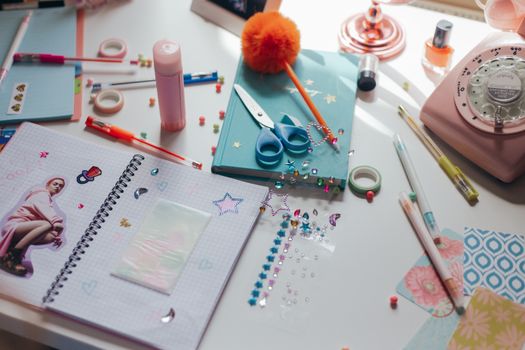 Photo: cottonbro studio / Pexels
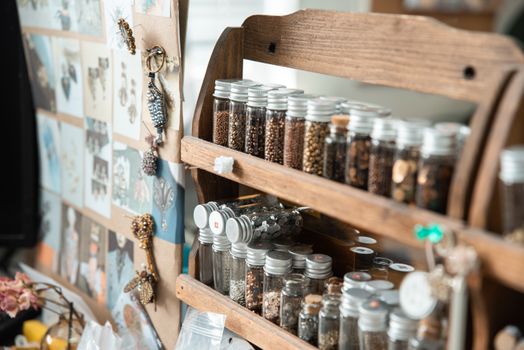 Photo: Yuliya Duzhaya / Pexels
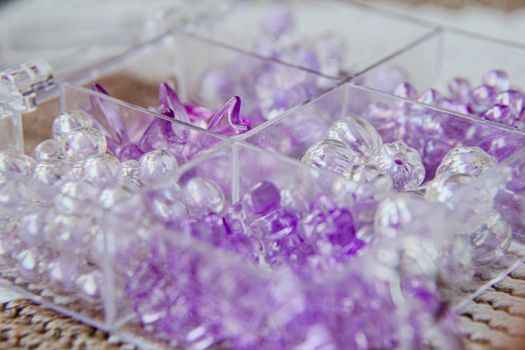 Photo: Suki Lee / Pexels
 Photo: Sergey Meshkov / Pexels