Essential Craft Tools and Equipment List for Every Creator
craft tools and equipment list

Essential Craft Tools and Equipment List for Every Creator

Equip your creative space with the right tools for endless crafting possibilities, transforming ideas into reality.

Start Crafting Now

Key Takeaways

  • ✓ Having the right tools significantly enhances crafting efficiency and enjoyment.
  • ✓ A well-organized craft space boosts creativity and reduces frustration.
  • ✓ Investing in quality basic tools saves money and effort in the long run.
  • ✓ Versatile tools can be adapted for multiple crafting disciplines.

How It Works

1
Assess Your Crafting Interests

Before buying, identify the specific crafts you're passionate about or want to explore. This helps tailor your tool selection to your actual needs and prevents unnecessary purchases.

2
Research Essential Tools

For each craft, research the fundamental tools and equipment required. Look for recommendations from experienced crafters and compare options to find the best fit for your budget and skill level.

3
Prioritize and Purchase Smartly

Start with multi-purpose tools and essential safety equipment. Gradually expand your collection as your skills grow and you delve deeper into specific crafting techniques, opting for quality over quantity.

4
Organize and Maintain Your Workspace

Establish a dedicated, organized space for your tools and materials. Regular cleaning and maintenance of your equipment will prolong its lifespan and ensure it's always ready for your next project.

The Foundation: Essential Hand Tools for Every Crafter

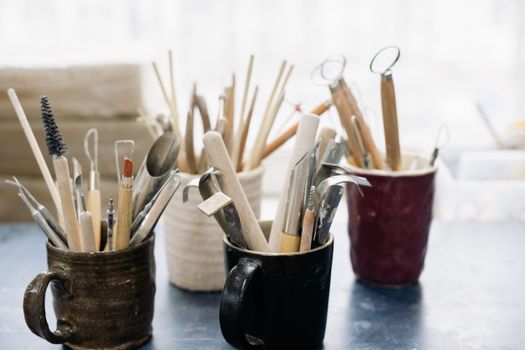
A collection of pottery tools in mugs on a workshop table, perfect for crafting enthusiasts. Photo: Yan Krukau / Pexels
Every crafting journey, regardless of its specific path, begins with a set of fundamental hand tools that serve as the backbone of nearly any project. These aren't specialized items, but rather versatile workhorses that will see frequent use across various disciplines, from paper crafts and jewelry making to textile arts and minor home DIYs. Understanding and investing in these core items is the first step towards a well-equipped and efficient craft space. First on the list is a reliable pair of scissors. But not just any scissors; a sharp, comfortable pair specifically designated for crafting. Consider a dedicated pair for fabric, another for paper, and perhaps a smaller, finer pair for intricate detail work. The quality of your cut can significantly impact the final appearance of your project, making sharp blades paramount. Ergonomic handles are also a plus for extended crafting sessions. Complementing scissors, a craft knife or utility knife with a self-healing cutting mat is indispensable. This combination allows for precise, straight cuts on materials like paper, cardstock, foam, and even thin plastics, tasks where scissors might fall short or leave jagged edges. The self-healing mat protects your work surface and prolongs the blade's life. Measuring tools are another non-negotiable. A good quality ruler, preferably metal for durability and accuracy, is essential for marking and cutting straight lines. Look for one with clear, easy-to-read measurements in both inches and centimeters. A flexible measuring tape is equally important, especially for projects involving curves, textiles, or body measurements. Pencils and markers, in various lead weights and tip sizes, are needed for marking, tracing, and design transfer. Erasers, both standard and kneaded, will help correct mistakes without damaging your material. Adhesives form the bond of many craft projects. A versatile white craft glue (PVA glue) is a staple for paper, fabric, and general bonding. For quicker, stronger bonds, a hot glue gun with an assortment of glue sticks is incredibly useful, offering immediate adhesion for a wide range of materials. Consider investing in both high-temp and low-temp options, or a dual-temp gun, depending on the delicacy of your materials. Tacky glue, super glue, and fabric glue each have their specific applications, and having a small selection will prepare you for diverse challenges. Finally, don't overlook basic safety and cleanup items. A good pair of gloves can protect your hands from glues, paints, or rough materials. Safety glasses are crucial when working with cutting tools, power tools, or anything that might produce flying debris. And a dedicated trash bin or scrap container, along with cleaning cloths and wipes, will help keep your workspace tidy, organized, and free from clutter. These foundational tools, while seemingly simple, are the unsung heroes of countless crafting endeavors, providing the precision and functionality needed to bring your creative visions to life. For more detailed insights into specific techniques, explore our guide on mastering craft techniques.

Specialized Equipment for Popular Crafting Disciplines

Crop unrecognizable male carpenter using angle grinder to polish wooden construction in light joinery Photo: Nikita Belokhonov / Pexels
Once the foundational tools are in place, crafters often find themselves drawn to specific disciplines, each with its unique set of specialized equipment. This is where your craft tools and equipment list begins to diversify, reflecting your personal creative interests. Understanding these specialized needs can help you make informed decisions when expanding your toolkit, ensuring you invest in items that truly enhance your chosen craft. For those who delve into paper crafts like scrapbooking, card making, or origami, precision and clean cuts are paramount. Beyond the basic craft knife, a paper trimmer or guillotine cutter is invaluable for creating perfectly straight edges quickly and efficiently. Die-cutting machines, both manual (like the Sizzix Big Shot) and electronic (like the Cricut Maker or Silhouette Cameo), open up a world of intricate designs, allowing you to cut various materials with incredible detail. Embossing folders, scoring boards, and bone folders are also crucial for adding texture, creating crisp folds, and achieving professional-looking finishes. A good quality set of punches, in various shapes and sizes, can add decorative elements and functional openings to your paper projects. Textile arts, encompassing sewing, quilting, embroidery, and knitting, require a distinct set of tools. For sewing, a reliable sewing machine is often the centerpiece, but even without one, a good needle assortment, thimbles, pins, pin cushions, and a seam ripper are essential. Rotary cutters and self-healing mats are preferred by quilters for cutting fabric quickly and accurately, often paired with quilting rulers. Embroidery enthusiasts will need embroidery hoops, a variety of embroidery floss, and specialized needles. Knitters and crocheters require hooks or needles in various sizes, stitch markers, and yarn needles. Fabric scissors, kept exclusively for fabric, are non-negotiable to maintain their sharpness. Jewelry making, whether with beads, wire, or metal, demands precise, small-scale tools. Pliers are fundamental, with various types like round-nose, chain-nose, flat-nose, and flush cutters each serving a specific purpose for bending wire, opening jump rings, and trimming. Bead reamers, crimping tools, and specialized glues are also part of the arsenal. For more advanced metalwork, a jeweler's saw, files, and a small torch might be necessary. The key here is precision and control, often with tools designed for delicate manipulation. Painting and drawing, while seemingly straightforward, also benefit from specialized equipment. A range of brushes (flats, rounds, liners) in various sizes and bristle types, palettes, easels, and appropriate surfaces (canvas, paper, wood) are crucial. For specific mediums like watercolors, specialized paper and masking fluid are needed. Acrylics might call for palette knives and texture gels. Drawing requires a variety of pencils, charcoal, pastels, blending stumps, and quality sketchbooks. Each artistic medium has nuances that dedicated tools can help you master, allowing for greater expression and higher quality outcomes. Investing in these specialized tools as your interests solidify will significantly elevate the quality and enjoyment of your chosen craft.

Organizing Your Craft Space and Maintaining Your Tools

A vibrant collection of scrapbooking supplies including stickers, washi tape, and pens. Photo: ansiveg / Pexels
A well-organized craft space is not just aesthetically pleasing; it's a cornerstone of creative productivity and efficiency. Imagine the frustration of searching endlessly for that one specific tool or the precise shade of thread you need, only to lose your creative flow. Effective organization, coupled with diligent tool maintenance, transforms your crafting area into a sanctuary where ideas can flourish unimpeded. This section will guide you through setting up an organized space and ensuring your valuable craft tools and equipment list remains in top condition. Start by decluttering. Remove anything that doesn't belong in your craft space or items you no longer use. This initial purge is crucial for creating a foundation for organization. Once decluttered, categorize your tools and supplies. Group similar items together – all your glues in one bin, all your scissors in a holder, all your fabric scraps sorted by color or type. This logical grouping makes items easy to find and put away. Storage solutions are key. Utilize vertical space with shelves, pegboards, and wall-mounted organizers. Pegboards are incredibly versatile, allowing you to hang tools, small bins, and even spools of thread, keeping frequently used items within easy reach. Clear storage containers, drawers, and bins are excellent for visible organization. When you can see what's inside, you're more likely to use it and less likely to buy duplicates. Labeling these containers is also a game-changer, especially for opaque bins or drawers. Consider rolling carts for mobile storage, useful for moving supplies to different work areas or tucking away when not in use. For smaller items like beads, buttons, or jewelry findings, tackle boxes, divided organizers, or small plastic containers are ideal. These prevent tiny components from getting lost or mixed up. For paper and fabric, flat storage solutions like magazine files, archival boxes, or hanging folders can keep them neat, flat, and protected from dust and damage. A dedicated cutting mat should always have its own space, ideally flat to prevent warping. Tool maintenance is equally important. Sharp tools are safe and efficient tools. Regularly sharpen your scissors and craft knife blades. Replace dull blades promptly to prevent tearing materials and to reduce the effort needed for cutting, which in turn reduces the risk of accidents. Clean your tools after each use. Remove dried glue from glue gun nozzles, wipe paint from brushes, and clean rotary cutter blades. This prevents buildup that can hinder performance and prolongs the life of your equipment. Store tools properly to protect them. Keep sharp points covered, store delicate items in padded cases, and keep electronic equipment free from dust and moisture. Regularly check power cords for fraying and ensure all equipment is in good working order. A small repair kit with spare parts or cleaning supplies can be handy for quick fixes. Finally, establish a routine. A quick tidy-up after each crafting session, or a more thorough organization session once a week, can prevent clutter from accumulating. This habit ensures your craft space remains an inviting and inspiring environment, always ready for your next creative venture. For deeper dives into maintaining specific items, check out our guide on caring for your craft supplies.

Beyond the Basics: Advanced Tools, Tech, and Smart Crafting Tips

As your crafting skills evolve and your ambitions grow, you'll find that the world of craft tools and equipment list expands far beyond the basics. Advanced tools and incorporating technology can significantly elevate the complexity, precision, and efficiency of your projects, opening doors to new creative possibilities. Embracing these innovations, coupled with smart crafting tips, can transform your hobby into a more sophisticated and enjoyable endeavor. One of the most significant advancements in crafting has been the rise of digital cutting machines. While mentioned briefly before, machines like the Cricut Maker or Silhouette Cameo are powerful tools capable of cutting hundreds of materials, from paper and vinyl to fabric and balsa wood, with incredible accuracy. They integrate with design software, allowing crafters to create custom designs or use pre-made files, automating intricate cuts that would be impossible or incredibly time-consuming by hand. Laser cutters, though a larger investment, offer even greater precision and the ability to engrave and cut a wider range of materials, including wood, acrylic, and leather, pushing the boundaries of what's possible in home crafting. For textile artists, specialized sewing machines go beyond basic straight stitches. Embroidery machines can stitch complex designs automatically, while sergers (overlock machines) provide professional-grade finished seams, essential for apparel and home decor projects. Digital fabric printers allow for custom fabric designs, offering unparalleled personalization. For those in jewelry or small-scale sculpture, 3D printers are becoming increasingly accessible, enabling the creation of custom components, molds, or even finished pieces from various materials. In the realm of woodworking and mixed media, Dremel-style rotary tools are incredibly versatile. With interchangeable bits, they can sand, engrave, polish, cut, and drill, making them indispensable for detail work on wood, metal, glass, and plastic. Heat guns are another versatile tool, useful for embossing, shrinking plastics, drying paint quickly, or even forming certain materials. For painting, airbrush kits allow for smooth, even coats and detailed gradients, opening up possibilities for fine art and model making. Smart crafting isn't just about the tools; it's also about how you approach your projects. Utilize online resources: YouTube tutorials, crafting blogs, and online communities are invaluable for learning new techniques, finding inspiration, and troubleshooting challenges. Digital design software, even free versions, can help plan projects, create templates, and visualize ideas before you even touch physical materials. Keep a dedicated crafting journal or digital log to track project details, material lists, and lessons learned. This not only helps you refine your process but also provides a valuable reference for future endeavors. Finally, continuous learning is the hallmark of an advanced crafter. Attend workshops, read specialized books, and experiment with new materials and techniques. Don't be afraid to step out of your comfort zone. The world of crafting is constantly evolving, and staying curious and open to new tools and methods will ensure your creative journey remains exciting and fulfilling. These advanced tools and smart tips aren't just about making things faster; they're about expanding your creative horizon and allowing you to bring increasingly complex and unique visions to life with greater ease and precision. Here are some smart crafting tips to maximize your potential: * **Batch processing:** If you have multiple identical components to create, do them all at once. This saves time by not having to switch tools or settings repeatedly. * **Test scraps:** Always test new techniques, glues, or paints on scrap material before applying them to your main project. * **Invest in good lighting:** Proper lighting reduces eye strain and helps with precision, especially for detailed work. * **Ergonomics:** Set up your workspace to be comfortable and reduce strain. Adjustable chairs, anti-fatigue mats, and proper tool height can make a big difference for long crafting sessions. * **Label everything:** From fabric scraps to small beads, clear labeling saves immense time and frustration in the long run. * **Digital organization:** Use apps or cloud storage to save patterns, design files, and project ideas. This keeps your inspiration accessible and organized.

Comparison

FeatureBeginner's ChoiceIntermediate CrafterAdvanced Enthusiast
Cutting ToolCraft Scissors & KnifePaper Trimmer & Rotary CutterElectronic Die-Cutter / Laser Cutter
AdhesivePVA Glue & Hot Glue GunSpecialty Glues (Fabric, Super)Epoxy Resin & Professional Adhesives
MeasuringMetal Ruler & Tape MeasureQuilting Rulers & Grid MatsDigital Calipers & Laser Measure
StorageClear Bins & Tool CaddyPegboard & Drawer UnitsModular Craft Furniture & Custom Shelving
WorkspaceKitchen Table / Small DeskDedicated Craft TableDedicated Craft Room / Studio

What Readers Say

"This craft tools and equipment list was a lifesaver! I was so overwhelmed starting my scrapbooking hobby, but this guide broke down exactly what I needed. My cutting mat and rotary cutter are now my best friends."

Sarah J. · Austin, TX

"As an experienced woodworker dabbling in smaller crafts, I found the section on advanced tools really insightful. It helped me justify getting a Dremel, which has already opened up so many new possibilities for my mixed media projects."

Mark T. · Portland, OR

"Following this guide, I completely reorganized my craft room. The tips on vertical storage and clear containers made a huge difference. Now I spend less time searching and more time creating, leading to two finished quilts in a month!"

Emily R. · Miami, FL

"The list is incredibly comprehensive, though it could use a bit more emphasis on budget-friendly alternatives for some of the higher-end equipment. Still, it's an excellent resource for anyone serious about crafting."

David L. · Denver, CO

"I used this craft tools and equipment list to set up a crafting station for my kids, focusing on the basic hand tools. It made the process so much easier, and now they have everything they need for their art projects without cluttering our home."

Jessica M. · Chicago, IL

Frequently Asked Questions

What are the absolute must-have craft tools for a beginner?

For beginners, the absolute must-haves include a good pair of craft scissors, a craft knife with a self-healing mat, a metal ruler, a versatile craft glue (like PVA), and a basic pencil and eraser. These tools provide a solid foundation for most introductory craft projects, from paper crafts to simple DIYs, allowing you to explore different mediums without a significant initial investment.

Is it better to buy craft tools in sets or individually?

It often depends on the type of tool and your specific needs. For general items like scissors or basic pliers, individual purchases allow you to choose quality over quantity. However, for specialized items like painting brush sets or jewelry making plier sets, buying a curated set can be more cost-effective and ensure you have a range of options. Always check reviews to ensure set quality.

How do I properly clean and maintain my craft tools?

Regular cleaning and maintenance are crucial. Always clean tools immediately after use – wipe paint from brushes, remove glue from nozzles, and clean cutting blades. Store tools properly: keep sharp edges covered, put delicate items in protective cases, and ensure electronics are dust-free. Sharpen scissors and replace dull blades regularly to maintain efficiency and safety.

What's the typical cost to set up a basic craft station?

The cost to set up a basic craft station can vary widely, but a reasonable estimate for essential hand tools and some basic materials might range from $50 to $200. This doesn't include specialized equipment like a sewing machine or die-cutter. Investing in quality basics upfront often saves money in the long run by avoiding frequent replacements of cheap, inferior tools.

How do electronic cutting machines compare to manual die-cutters?

Electronic cutting machines (like Cricut) offer incredible versatility, cutting intricate designs from a vast array of materials using digital files. They provide precision and speed for repetitive cuts. Manual die-cutters (like Sizzix) are generally more affordable, simpler to use, and require no electricity, but are limited to specific dies and materials. The choice depends on your budget, desired complexity, and volume of work.

Who should prioritize investing in ergonomic craft tools?

Anyone who spends significant time crafting should prioritize ergonomic tools. This includes professional crafters, hobbyists with chronic hand pain, or anyone planning long crafting sessions. Ergonomic designs reduce strain, prevent repetitive motion injuries, and increase comfort, making crafting more enjoyable and sustainable over time, regardless of skill level.

Are there any safety risks associated with common craft tools?

Yes, common craft tools do carry safety risks. Sharp objects like craft knives, scissors, and rotary cutters can cause cuts if not handled carefully. Hot glue guns can cause burns. Power tools like Dremels or sewing machines pose risks if not operated according to instructions. Always use tools as intended, wear appropriate safety gear (like safety glasses), and keep a first-aid kit nearby.

What's the future trend for craft tools and equipment?

The future of craft tools is moving towards increased integration with technology, greater personalization, and sustainability. Expect more advanced digital fabrication tools (like affordable laser cutters and 3D printers), smart tools with app connectivity, and an emphasis on eco-friendly, durable materials and tools. Modular and adaptable storage solutions will also continue to evolve to meet diverse crafting needs.

Armed with this comprehensive craft tools and equipment list, you're now ready to embark on any creative adventure. Start building your perfect crafting sanctuary today and turn your artistic visions into tangible masterpieces.

Topics: craft tools and equipment listbeginner craft suppliescrafting essentialsDIY craft toolscraft room setup
Leo List
Brampton weed
Adultwork EstrelaBet Vai de Bet R7 Bet Betão Galera Bet Rainbet Bet9ja Shop SportyBet BetKing Sisal Loto Foot Hollywoodbets YesPlay Odibets RushBet Jugabet BetWarrior BetCity MSport betPawa Fortebet