Fun & Easy Paper Crafts for Kids: Unleash Creativity!
August 21, 2026 15 min read 3,065 words
Transform simple paper into endless fun and learning experiences for your children with these delightful and accessible crafts.
Start Crafting Today!
The Magic of Paper: Why Crafting with Kids Matters
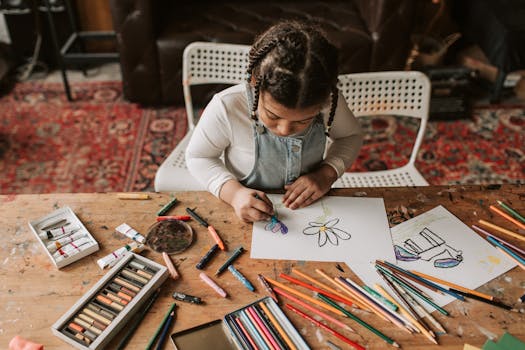 Photo: Vlada Karpovich / Pexels
In an increasingly digital world, the simple, tactile joy of paper crafts remains an invaluable activity for children. Easy paper crafts for kids aren't just about creating a pretty object; they are powerful tools for development, learning, and connection. From the moment a child picks up a sheet of colorful paper, their imagination begins to stir. This seemingly basic material holds endless possibilities, transforming into animals, flowers, airplanes, or intricate sculptures with just a few folds, cuts, or tears.
Engaging in paper crafts offers a myriad of benefits that extend far beyond the finished product. Firstly, these activities are phenomenal for developing fine motor skills. The act of holding scissors, carefully cutting along lines, folding paper precisely, or even tearing paper into shapes, all contribute to strengthening the small muscles in a child's hands and fingers. This development is crucial for tasks like writing, drawing, and even self-care activities such as buttoning clothes. Hand-eye coordination also gets a significant boost as children learn to manipulate tools and materials to achieve their desired outcome.
Beyond physical development, paper crafts are a fertile ground for cognitive growth. Children learn to follow instructions, sequence steps, and engage in problem-solving when a fold doesn't quite work or a design needs adjustment. These activities foster creativity and imagination, allowing kids to express themselves freely and bring their unique ideas to life. There’s no right or wrong way to interpret a craft, which encourages experimentation and boosts confidence. What might start as a simple paper chain can evolve into a vibrant, imaginative garland as a child adds their own flair.
Moreover, paper crafts provide a wonderful opportunity for sensory exploration. The feel of different paper textures – smooth construction paper, crinkly tissue paper, rough cardstock – the sound of ripping or crinkling, and the visual delight of vibrant colors all engage a child's senses. This multi-sensory experience makes learning more memorable and enjoyable. It also offers a calming, focused activity, which can be particularly beneficial for children who need a quiet outlet for their energy.
For parents and caregivers, easy paper crafts for kids present an accessible and budget-friendly way to engage with children. Most projects require only a handful of inexpensive materials that are often already available at home: paper (of course!), scissors, glue, and perhaps some crayons or markers. This accessibility means that creative fun is always within reach, without the need for specialized or costly supplies. It's an activity that can be done spontaneously, turning a rainy afternoon or a quiet evening into an enriching experience. It also fosters a sense of accomplishment and pride in children, as they see their efforts result in a tangible, often beautiful, creation. This sense of achievement is vital for building self-esteem and encouraging future learning. Plus, the shared experience of crafting together can strengthen family bonds, creating cherished memories and open communication. For more creative ideas, explore other
craft activities for kids.
Top 10 Super Simple Paper Craft Ideas for Young Hands
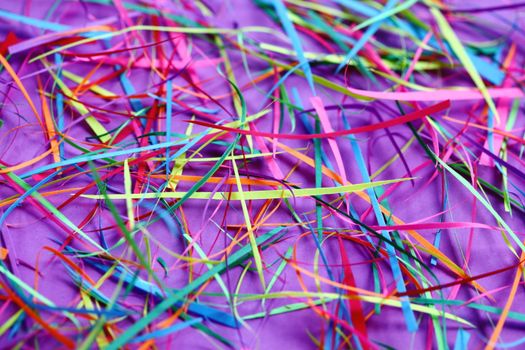 Photo: Katie Rainbow 🏳️🌈 / Pexels
Embarking on a crafting journey with young children requires projects that are not only engaging but also achievable, building their confidence with every successful creation. Here are 10 super simple easy paper crafts for kids that are perfect for preschoolers and early elementary students, requiring minimal supervision and maximum fun.
1. **Paper Chains:** A timeless classic! Cut strips of colorful paper. Form the first strip into a loop and glue or tape the ends. Thread the next strip through the first loop, form a loop, and secure. Continue until you have a long, festive chain. This is excellent for color recognition and patterning.
2. **Paper Plate Animals:** Transform plain paper plates into adorable creatures. Children can paint the plates, add paper cutouts for ears, eyes, noses, and mouths, and even attach cotton balls or yarn for texture. Think lions, bears, pigs, or even fantastical monsters. This encourages imaginative play and basic shape recognition.
3. **Paper Bag Puppets:** Brown paper bags become instant characters! Kids can draw faces, glue on yarn for hair, attach construction paper clothes, or add googly eyes. Once dry, they can put on a puppet show, enhancing storytelling and verbal skills.
4. **Tear Art Collages:** No scissors needed for this one! Provide various colors and textures of paper and let children tear them into pieces. Then, they can glue the torn pieces onto a larger sheet of paper to create abstract designs, landscapes, or even recognizable objects. This is fantastic for developing hand strength and tactile exploration.
5. **Origami Fortune Tellers (Cootie Catchers):** A bit more challenging but incredibly rewarding for slightly older kids. With a few precise folds, a square piece of paper becomes a playful fortune teller. Kids can then write numbers and fortunes inside, leading to hours of interactive fun. This teaches patience and following sequential instructions.
6. **Paper Flowers:** Simple paper flowers can brighten any room. Cut out several petal shapes from colorful paper. Stack them, poke a small hole in the center, and secure with a pipe cleaner or a dab of glue. You can also fold and snip paper to create fringed flowers or spiral roses. This is great for scissor skills and understanding symmetry.
7. **Paper Airplanes:** A classic for a reason! There are countless designs, from basic darts to more complex gliders. Folding paper airplanes teaches fundamental physics principles (even if kids don't realize it!) and provides an immediate, exciting outcome. Experiment with different folds to see which flies best.
8. **Tissue Paper Suncatchers:** Cut out a shape from cardstock (e.g., a heart, star, or circle), leaving a large opening in the middle. Cover the opening with contact paper or clear sticky plastic. Let children tear or cut small pieces of colorful tissue paper and stick them onto the sticky surface. Cover with another layer of contact paper, trim, and hang in a window for a beautiful light display. This is excellent for color mixing and fine motor control.
9. **Paper Tube Animals/Characters:** Save those empty toilet paper or paper towel rolls! Kids can paint them, glue on paper features, yarn, or fabric scraps to create animals, robots, or even miniature people. These are wonderful for imaginative play and upcycling.
10. **Accordion Fold Creatures:** Take a long strip of paper and fold it back and forth like an accordion. Then, draw and cut out a creature shape (like a worm, snake, or even a person) along the folds, ensuring some part of the creature remains connected at the fold. When unfolded, you'll have a string of identical creatures! This introduces concepts of repetition and pattern. Each of these easy paper crafts for kids offers a unique avenue for creativity and skill development, ensuring that crafting time is both fun and fruitful.
Beyond the Basics: Creative Twists and Themed Paper Projects
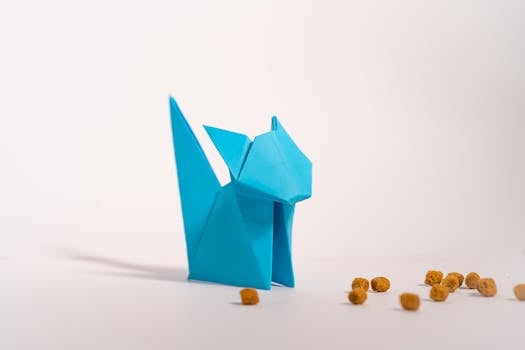 Photo: Sueda Dilli / Pexels
Once your children have mastered the fundamental easy paper crafts for kids, it’s time to introduce creative twists and themed projects that elevate their crafting experience. These ideas encourage more complex thinking, storytelling, and an appreciation for different art forms, all while maintaining the accessibility and fun of paper. The beauty of paper lies in its versatility, allowing for transformations that can be truly astonishing with just a bit of imagination and guidance.
Consider embarking on a journey into **Paper Mache**. While it sounds a bit more involved, the basic technique is quite simple and uses common household items: strips of newspaper, flour, and water. Children can create balloons, bowls, or even elaborate masks. The process involves tearing paper, mixing paste (a wonderful sensory experience!), and layering. Once dry, these creations can be painted and decorated, turning a humble balloon into a vibrant globe or a plain bowl into a personalized treasure holder. This project teaches about building three-dimensional forms and patience, as drying time is essential.
Another exciting avenue is **Pop-Up Cards**. Moving beyond flat greeting cards, pop-up elements add an element of surprise and engineering. Start with simple designs: a basic V-fold or a box pop-up. Kids can then decorate the card and the pop-up elements to create scenes – a birthday cake appearing, a flower blooming, or a favorite animal jumping out. This introduces rudimentary engineering concepts, spatial reasoning, and the satisfaction of creating something interactive. It’s a fantastic way to combine art with a touch of science.
For those who love storytelling, **Paper Dioramas** offer an incredible opportunity to build miniature worlds. Using a shoebox or a small cardboard box as a base, children can cut, fold, and glue paper figures, trees, buildings, and landscapes to create a scene. They can recreate scenes from their favorite books, imagine a magical forest, or design a bustling city. This project encourages narrative development, fine detail work, and an understanding of perspective. It’s also a wonderful way to repurpose materials and give new life to old boxes.
**Origami**, the ancient Japanese art of paper folding, can also be explored beyond the basic fortune teller. Introduce children to simple origami animals like dogs, cats, or even a jumping frog. Many beginner-friendly tutorials are available that use basic folds. Origami enhances spatial awareness, precision, and patience. The transformation of a flat sheet into a recognizable figure through a series of exact folds is truly magical for children. It’s a quiet, focused activity that yields impressive results.
Finally, **Themed Paper Crafting Stations** can be a hit. For example, a “Space Adventure” station could involve crafting paper rockets, alien masks, and star garlands. A “Deep Sea Exploration” might include paper fish mobiles, jellyfish from coffee filters, and seaweed made from green paper strips. These themes provide a framework for creativity, allowing children to connect multiple crafts into a larger narrative or display. It also encourages research and learning about the chosen theme. Exploring these more advanced yet still accessible
kids' craft ideas keeps the creative spark alive and continually challenges young minds in delightful ways.
Tips for Successful Crafting & Common Mistakes to Avoid
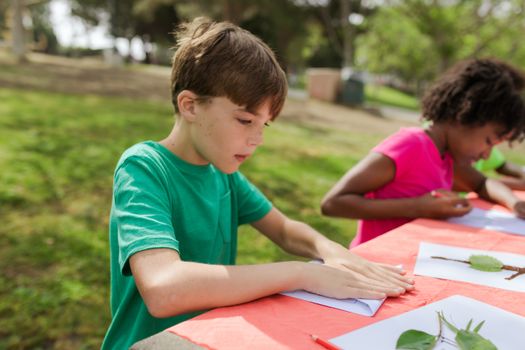 Photo: RDNE Stock project / Pexels
To ensure your crafting sessions are enjoyable and productive, a few simple strategies can make all the difference. When engaging in easy paper crafts for kids, setting the right environment and managing expectations are key to a positive experience for everyone.
**Tips for Successful Crafting:**
* **Prepare Your Space:** Lay down newspaper or a washable mat to protect surfaces. Have all materials readily accessible before you start. This minimizes interruptions and keeps the focus on the craft.
* **Start Simple:** Always choose projects that are appropriate for your child's age and skill level. Overly complex crafts can lead to frustration. Build confidence with simpler projects first.
* **Encourage Independence:** While guidance is good, allow your child to do as much of the craft as possible themselves. Their creation might not be perfect, but the process and sense of accomplishment are what truly matter.
* **Focus on the Process, Not Just the Product:** Emphasize the fun of creating, experimenting, and exploring. The finished craft is a bonus, but the learning and enjoyment during the making are the real rewards.
* **Offer Choices:** Let children choose paper colors, decorating materials, or even which part of the craft they want to do next. This gives them a sense of ownership and boosts engagement.
* **Be Patient and Flexible:** Crafting with kids often involves messes, unexpected turns, and moments of frustration. Embrace the chaos, be patient, and be willing to adapt the project if your child has a different vision.
* **Celebrate Their Work:** Display their finished crafts proudly. This validates their effort and creativity, encouraging them to try more projects in the future.
**Common Mistakes to Avoid:**
* **Over-Supervising:** While safety is paramount (especially with scissors), hovering too much can stifle creativity and make children feel like their work isn't good enough. Step back and let them explore.
* **Expecting Perfection:** A child's craft will rarely look exactly like the example. Resist the urge to fix every 'mistake.' Their unique interpretation is part of the charm and learning process.
* **Using Inappropriate Tools:** Provide child-safe scissors, non-toxic glue, and age-appropriate materials. Trying to use adult tools can be frustrating or even dangerous for small hands.
* **Running Out of Supplies Mid-Project:** Double-check that you have all necessary materials before starting. A sudden hunt for glue sticks can derail the entire crafting session.
* **Ignoring Mess Potential:** Not preparing for a mess is a common oversight. Assume it will get messy and take proactive steps to contain it, making cleanup easier and less stressful.
* **Forcing Participation:** If a child isn't interested in a particular craft, don't force it. Offer alternatives or try again another day. The goal is enjoyment, not obligation.
By keeping these tips in mind and avoiding common pitfalls, you can transform simple paper crafts for kids into delightful, stress-free, and enriching experiences that foster creativity and strengthen bonds.
