✓ Crafting enhances fine motor skills and hand-eye coordination.
✓ DIY projects encourage problem-solving and critical thinking.
✓ Family crafting time strengthens bonds and creates lasting memories.
✓ Using recycled materials teaches sustainability and resourcefulness.
How It Works
1
Gather Your Supplies
Before starting any project, collect all necessary materials. This ensures a smooth and uninterrupted crafting experience, minimizing frustration for both kids and adults.
2
Explain the Project
Clearly describe the craft and its steps to your child, adjusting the complexity to their age and comprehension level. Visual demonstrations can be very helpful for younger children.
3
Supervise and Assist
Provide guidance and help when needed, but allow your child to take the lead as much as possible. This fosters independence and a sense of accomplishment in their creative endeavors.
4
Celebrate Their Creation
Acknowledge and praise your child's effort and finished product, regardless of perceived perfection. Displaying their artwork boosts self-esteem and encourages future crafting.
Unleashing Creativity: The Benefits of DIY Craft Projects for Kids
Photo: Vlada Karpovich / Pexels
In an increasingly digital world, the simple, tactile joy of creating something with one's own hands remains an invaluable experience for children. DIY craft projects for kids are far more than just a way to pass the time; they are powerful tools for development, learning, and family bonding. Engaging in these activities offers a myriad of benefits that touch upon cognitive, physical, and emotional growth, laying foundational skills that will serve children throughout their lives. Firstly, crafting is a phenomenal way to enhance fine motor skills. Activities like cutting, gluing, painting, and manipulating small objects require precise hand-eye coordination and strengthen the small muscles in the hands and fingers. These are crucial for tasks such as writing, drawing, and even self-care activities like buttoning clothes. The more children engage in these precise movements, the more refined their motor control becomes. Furthermore, crafting stimulates cognitive development in profound ways. When a child embarks on a craft project, they are often presented with a problem to solve: how to make two pieces stick together, how to achieve a certain color, or how to transform simple materials into a recognizable object. This process encourages critical thinking, planning, and problem-solving skills. They learn to follow instructions, sequence steps, and adapt when things don't go exactly as planned, fostering resilience and adaptability. Beyond the physical and cognitive, crafting cultivates creativity and imagination. There's no single 'right' way to make a craft, allowing children the freedom to express themselves uniquely. They learn to think outside the box, experiment with colors, textures, and forms, and bring their imaginative worlds to life. This open-ended exploration is vital for fostering innovation and original thought. Moreover, DIY craft projects provide an excellent opportunity for emotional expression. Children can communicate feelings and ideas through their art, which can be particularly beneficial for those who struggle with verbal communication. It's a safe space for self-expression, building confidence as they see their ideas take tangible form. Finally, crafting often involves shared experiences, whether with parents, siblings, or friends. This collaborative aspect teaches teamwork, communication, and patience. Family craft sessions create cherished memories, strengthen interpersonal bonds, and offer a relaxed environment for meaningful interaction. From simple paper plate animals to elaborate recycled robots, the act of making provides a holistic developmental boost that every child deserves to experience.
Top Easy-to-Start DIY Craft Projects for Young Children
Photo: Werner Pfennig / Pexels
Introducing crafting to young children requires projects that are simple, engaging, and utilize readily available materials. The goal is to spark their interest and build confidence without overwhelming them with complex steps. Here are some fantastic entry-level DIY craft projects perfect for toddlers and preschoolers that prioritize fun and fundamental skill development. First, consider 'Paper Plate Animals.' All you need are paper plates, crayons or paint, construction paper, scissors (child-safe, of course!), and glue. Kids can draw faces, cut out ears, tails, and other features from construction paper, then glue them onto the plate to create their favorite animal. This project is excellent for developing cutting skills, shape recognition, and imaginative play. Next, 'Cotton Ball Clouds' are wonderfully tactile. Provide blue construction paper, cotton balls, and glue. Children can pull apart the cotton balls to make fluffy clouds and glue them onto the paper. This simple activity enhances fine motor skills as they manipulate the cotton and helps them understand textures. For a touch of nature, 'Leaf Rubbings' are both educational and artistic. Gather various leaves from outside, then place them under a thin piece of paper. Using the side of a crayon, children rub over the paper, revealing the intricate patterns of the leaves. This teaches them about different leaf shapes and textures while creating beautiful art. 'Toilet Paper Roll Binoculars' are another classic. Collect two empty toilet paper rolls, glue or tape, and string. Kids can decorate the rolls, then glue or tape them together side-by-side. Punch holes on the outer sides and thread string through to make a neck strap. This encourages imaginative play and upcycling. Lastly, 'Finger Painting Fun' is a timeless favorite. Set out large sheets of paper and non-toxic finger paints. Let children explore colors and textures directly with their hands. While messy, it's incredibly sensory and allows for uninhibited creative expression, which is crucial for early development. Always remember to supervise young children, especially with scissors or small parts, and to use child-safe, non-toxic materials. The joy of these projects lies in the process, not just the final product, fostering a love for creation from an early age.
Engaging DIY Crafts for Older Kids: From Practical to Artistic
Photo: Teona Swift / Pexels
As children grow, their crafting abilities and interests evolve, paving the way for more intricate and rewarding DIY projects. Older kids, typically those in elementary school and beyond, can handle more steps, finer details, and projects that yield functional or more aesthetically complex results. These crafts not only hone their existing skills but also introduce new techniques and concepts, fostering patience and a sense of accomplishment. One popular and practical option is creating 'DIY Personalized Bookmarks.' Using cardstock, paint, markers, stickers, and even laminating sheets, kids can design unique bookmarks. They can experiment with watercolor techniques, intricate drawings, or even collages with magazine cutouts. Adding a tassel made from embroidery floss adds a sophisticated touch. This project encourages attention to detail and can make reading even more enjoyable. 'Friendship Bracelets' are a timeless craft that teaches knot-tying and pattern recognition. Using embroidery floss in various colors, kids can learn different knotting techniques to create unique designs for themselves and their friends. This activity is excellent for developing fine motor control, pattern following, and patience. It also has a wonderful social aspect, as the bracelets are often exchanged as symbols of friendship. For a blend of art and science, consider 'Tie-Dye T-Shirts.' This project involves understanding how colors mix and spread, and the element of surprise when the final product is revealed is always exciting. Kids can experiment with different folding and tying techniques to create unique patterns on plain white t-shirts, socks, or even tote bags. This is a fantastic way to personalize clothing and learn about color theory. Another engaging project is 'Recycled Material Sculptures.' Encourage children to collect various household items like cardboard boxes, plastic bottles, bottle caps, toilet paper rolls, and old newspapers. Provide strong glue, tape, and paint, and challenge them to create a sculpture – perhaps a robot, an animal, or an abstract piece. This promotes creative problem-solving, spatial reasoning, and teaches the value of upcycling and sustainability. Finally, 'Origami' offers a quiet, focused crafting experience. Starting with simple folds, children can gradually learn to create more complex figures like cranes, boats, or boxes. Origami enhances spatial reasoning, precision, and the ability to follow multi-step instructions. It’s a wonderful way to transform a flat piece of paper into a three-dimensional object with just folds. These projects for older children provide a perfect balance of challenge and fun, allowing them to expand their creative horizons while developing valuable life skills.
Smart Tips & Common Mistakes in DIY Crafting with Kids
Photo: Anastasia Shuraeva / Pexels
Successful and enjoyable DIY crafting with kids often comes down to preparation, patience, and perspective. Avoiding common pitfalls can transform a potentially frustrating experience into a memorable one. Here are some smart tips to ensure smooth crafting sessions and a few common mistakes to sidestep.
**Smart Tips for Crafting Success:**
* **Prepare Your Workspace:** Before you even bring out the materials, cover your crafting surface with old newspapers, a disposable tablecloth, or a plastic mat. Have wet wipes or a damp cloth readily available for quick cleanups. This minimizes stress about messes and encourages kids to be more experimental.
* **Pre-Cut When Necessary:** For younger children, pre-cutting intricate shapes or preparing materials in advance can prevent frustration and keep the project moving. This allows them to focus on the more engaging parts of the craft, like decorating and assembling.
* **Embrace Imperfection:** The goal is the process, not a Pinterest-perfect outcome. Encourage creativity and self-expression, letting children make their own choices, even if they seem unconventional. Praise their effort and imagination, not just the final product.
* **Choose Age-Appropriate Projects:** Select crafts that match your child's developmental stage and attention span. Too complex, and they'll get frustrated; too simple, and they'll get bored. There's a vast array of projects available for every age group.
* **Incorporate Learning:** Use crafting as an opportunity to teach. Discuss colors, shapes, textures, counting, or even simple science concepts (like how glue works or why paint dries). This adds an educational layer to the fun.
* **Recycle and Reuse:** Encourage resourcefulness by using household items like toilet paper rolls, cardboard boxes, plastic containers, and old magazines. This teaches sustainability and sparks creativity in transforming ordinary objects.
**Common Mistakes to Avoid:**
* **Over-Supervising:** While supervision is essential for safety, hovering too much or dictating every step can stifle creativity and independence. Allow children to problem-solve and make their own artistic decisions.
* **Ignoring Safety:** Forgetting to use child-safe scissors, non-toxic glues and paints, or leaving small, choking-hazard items unattended with very young children can lead to accidents. Always prioritize safety.
* **Expecting Perfection:** This is perhaps the biggest mistake. Children's crafts are meant to be unique and reflect their personal touch. Criticizing or trying to 'fix' their work can diminish their self-esteem and enthusiasm for crafting.
* **Not Setting Boundaries:** While encouraging creativity, it's important to set clear boundaries, especially regarding mess. Explain where paint can go, how much glue to use, and where to keep tools, to maintain a manageable environment.
* **Running Out of Supplies:** There's nothing worse than getting halfway through a project only to realize you're missing a crucial item. Always double-check your supply list before starting.
By keeping these tips in mind and avoiding common pitfalls, you can create a positive and enriching crafting environment that fosters creativity, learning, and lasting memories for your children.
Comparison
Feature
Best Option (Ages 3-5)
Alternative 1 (Ages 6-9)
Alternative 2 (Ages 10+)
Complexity
Low (1-3 steps)
Medium (3-5 steps)
High (5+ steps)
Skills Developed
Fine motor, sensory, color ID
Cutting, gluing, pattern, patience
Problem-solving, precision, design
Typical Materials
Paper plates, cotton balls, paint
Construction paper, yarn, beads
Recycled items, fabric, clay
Parental Involvement
High supervision
Moderate assistance
Minimal guidance
Mess Level
Moderate to High
Low to Moderate
Varies by project
Creativity Focus
Exploration
Following instructions with flair
Independent design
Cost
Low
Low to Medium
Medium
What Readers Say
★★★★★
"These DIY craft projects for kids have been a lifesaver for rainy days! My 6-year-old loves the paper plate animals, and it's amazing to see her imagination come alive. So many easy and fun ideas!"
Sarah J. · Austin, TX
★★★★★
"My daughters (8 and 10) can spend hours on these crafts. The recycled sculpture idea was a huge hit, turning old boxes into incredible robots. It's fantastic for their creativity and keeps them off screens."
Mark D. · Seattle, WA
★★★★★
"Following the advice here, we started with finger painting for my toddler, and it was a joyful, albeit messy, success! She was so proud of her colorful creations. We're now moving on to leaf rubbings."
Jessica L. · Miami, FL
★★★★★
"The tie-dye project was a bit more involved than I anticipated, but the instructions were clear, and the kids loved their shirts. Just be prepared for a bit of a cleanup, but worth it for the smiles."
David R. · Denver, CO
★★★★★
"As a former art teacher, I appreciate the emphasis on process over product. These ideas are truly engaging and adaptable, perfect for fostering genuine artistic expression without pressure. Highly recommend for any parent."
Emily S. · Chicago, IL
Frequently Asked Questions
What age group are DIY craft projects for kids best suited for?
DIY craft projects can be adapted for children of all ages, from toddlers to teenagers. The key is to choose age-appropriate activities that match their developmental stage, attention span, and motor skills. Simple projects like finger painting are great for preschoolers, while more complex crafts like origami or recycled sculptures suit older children.
Do I need expensive materials for DIY craft projects?
Absolutely not! Many of the best DIY craft projects for kids utilize common household items and recycled materials. Think toilet paper rolls, cardboard boxes, old magazines, leaves, pasta, and even bottle caps. While some basic craft supplies like glue, scissors, and paint are helpful, you don't need to break the bank to foster creativity.
How can I make crafting less messy with my kids?
To minimize mess, always prepare your workspace by covering surfaces with newspapers or a plastic tablecloth. Have wet wipes and paper towels on hand for quick cleanups. Use washable paints and glues, and consider having kids wear old shirts or smocks. Setting clear boundaries about where materials can and cannot go also helps.
What are the educational benefits of DIY crafts for children?
DIY crafts offer numerous educational benefits, including enhancing fine motor skills, developing hand-eye coordination, encouraging problem-solving and critical thinking, fostering creativity and imagination, and improving patience and focus. They also provide opportunities for learning about colors, shapes, textures, and even basic science concepts.
How do DIY crafts compare to screen time for child development?
While screen time can have its place, DIY crafts offer a crucial tactile, hands-on experience that screen time cannot replicate. Crafts engage multiple senses, develop fine motor skills, and encourage tangible creation, fostering a different set of cognitive and physical skills essential for holistic development that screens often overlook.
Who should engage in DIY craft projects for kids?
Anyone looking to foster creativity, fine motor skills, and quality bonding time with children should engage in DIY craft projects. Parents, grandparents, teachers, caregivers, and even older siblings can all benefit from the shared experience and developmental advantages these activities provide for kids of all ages.
Are there any safety concerns I should be aware of with kids' crafts?
Yes, always prioritize safety. Ensure all materials are non-toxic and child-safe. Supervise young children closely, especially when using scissors, small beads, or other potential choking hazards. Teach proper handling of tools and always store supplies out of reach when not in use to prevent accidents.
What are some emerging trends in DIY craft projects for kids?
Emerging trends include a greater focus on sustainable crafting using recycled and natural materials, process art (emphasizing the experience over the final product), and STEAM-focused crafts that integrate science, technology, engineering, art, and math. Personalized and customizable projects that allow for unique self-expression are also increasingly popular.
Ready to spark joy and creativity in your home? Dive into the wonderful world of DIY craft projects for kids today. Choose a project, gather your materials, and watch your child's imagination soar, creating lasting memories and valuable skills along the way.

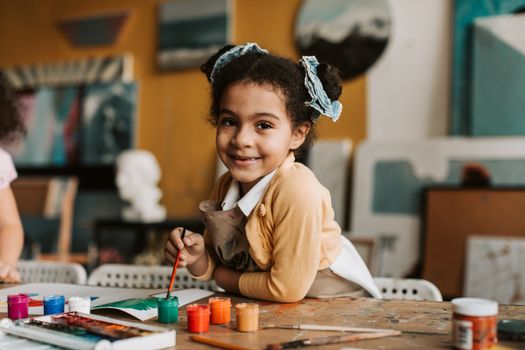 Photo: Vlada Karpovich / Pexels
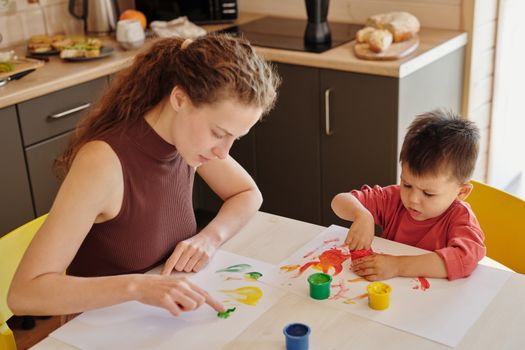 Photo: Werner Pfennig / Pexels
 Photo: Teona Swift / Pexels
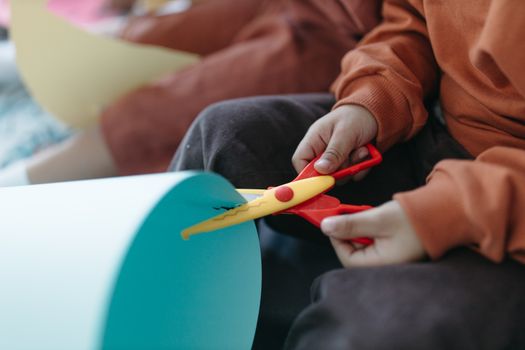 Photo: Anastasia Shuraeva / Pexels