Inspiring Craft Project Ideas for Seniors
craft project ideas for seniors

Inspiring Craft Project Ideas for Seniors

Unlock joy and creativity with accessible and rewarding craft projects designed specifically for older adults.

Start Crafting Today!

Key Takeaways

  • ✓ Crafting enhances fine motor skills and hand-eye coordination.
  • ✓ Engaging in crafts can significantly reduce stress and anxiety.
  • ✓ Many projects can be adapted for varying mobility and cognitive levels.
  • ✓ Crafting offers opportunities for social interaction and community building.

How It Works

1
Choose Your Project

Browse our diverse selection of craft ideas, considering your interests, skill level, and available materials. We offer options from simple to more intricate designs.

2
Gather Materials

Collect all necessary supplies for your chosen craft. Many projects utilize common household items or inexpensive materials easily found at craft stores.

3
Follow Instructions

Each project comes with clear, step-by-step guidance. Take your time, enjoy the process, and don't be afraid to personalize your creation.

4
Share Your Masterpiece

Once completed, proudly display your craft, gift it to a loved one, or share it with a crafting group. Celebrate your accomplishment and inspire others.

The Therapeutic Power of Senior Craft Activities

Close-up of a senior woman painting a ceramic tile, focusing on creativity and detail. Photo: Kampus Production / Pexels
Engaging in craft activities offers a profound array of benefits for seniors, extending far beyond simply passing the time. It's a holistic approach to well-being that addresses cognitive, emotional, and physical health. From stimulating memory to fostering a sense of accomplishment, the therapeutic power of crafting is undeniable. For many seniors, the act of creating provides a much-needed outlet for self-expression, allowing them to channel emotions, reflect on experiences, and connect with their inner selves in a meaningful way. This creative expression can be particularly beneficial for those who may find verbal communication challenging or limited due to age-related conditions. The process of choosing colors, textures, and designs becomes a language in itself, conveying feelings and perspectives that might otherwise remain unspoken. Furthermore, crafting is a fantastic way to maintain and even improve fine motor skills. Activities like knitting, crocheting, painting, or even assembling small pieces require precision and dexterity, which can help keep hands and fingers nimble. This is crucial for preventing the decline of motor function that can sometimes accompany aging, enabling seniors to maintain independence in daily tasks like buttoning shirts or using utensils. Hand-eye coordination is also significantly boosted as individuals focus on aligning elements, threading needles, or painting within lines. These seemingly small movements contribute to overall cognitive sharpness and physical agility. The mental stimulation involved in following patterns, solving small creative problems, and visualizing the final product acts as a gentle yet effective brain workout. It can help enhance memory recall, improve focus and concentration, and even delay the onset of cognitive decline. Studies have shown a correlation between engaging in mentally stimulating activities, such as crafts, and a reduced risk of dementia and Alzheimer's disease. Moreover, crafting provides a wonderful sense of purpose and achievement. Completing a project, no matter how simple, instills pride and boosts self-esteem. This feeling of accomplishment is vital for mental health, combating feelings of loneliness or irrelevance that some seniors may experience. It validates their abilities and reminds them of their capacity to create beauty and value. Beyond individual benefits, many craft projects lend themselves to social interaction. Group crafting sessions, whether in senior centers, community groups, or even amongst friends and family, foster connection and camaraderie. Sharing ideas, offering help, and admiring each other's work creates a supportive and engaging environment. These social opportunities combat isolation, which is a significant health concern for older adults. They provide a platform for sharing stories, laughter, and building new friendships, enriching their lives immeasurably. In essence, senior craft activities are not just about making things; they are about making lives richer, healthier, and more connected. They offer a gentle yet powerful path to sustained well-being and joyful engagement in the golden years. For more ideas on beneficial activities, explore therapeutic craft benefits.

Accessible and Engaging Easy Crafts for Older Adults
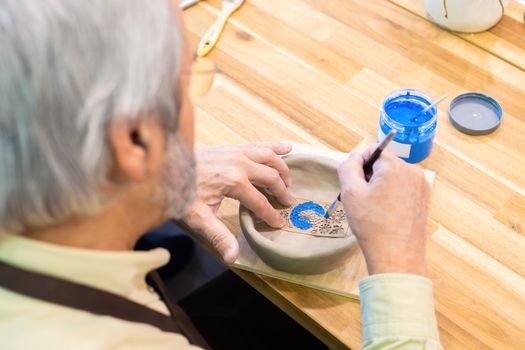
A senior man in Portugal painting a ceramic bowl with blue paint, showcasing traditional pottery art. Photo: Kampus Production / Pexels
Accessibility is key when selecting craft projects for older adults, ensuring that everyone, regardless of physical limitations or cognitive abilities, can participate and find joy in the creative process. The beauty of many crafts lies in their adaptability, allowing for modifications that cater to individual needs while still yielding beautiful and satisfying results. Let's delve into some fantastic easy crafts that are specifically designed with seniors in mind, promoting engagement without frustration. One excellent category is paper crafts. These are incredibly versatile and require minimal specialized tools. Consider paper flower making, where seniors can cut, fold, and glue pre-cut paper shapes into vibrant blooms. This activity can be adapted by using larger pieces of paper, simpler cutting patterns, or even pre-punched shapes for those with limited dexterity. Another delightful option is creating greeting cards. Seniors can use stamps, stickers, decorative papers, and simple drawing to personalize cards for friends and family. This not only engages their creativity but also provides a meaningful way to connect with loved ones. Decoupage is another wonderfully accessible craft. This involves gluing paper cutouts onto various surfaces like boxes, trays, or picture frames, and then sealing them with a special glaze. It requires minimal fine motor skills beyond applying glue and smoothing paper, and the results are always impressive. The act of selecting images and arranging them can be very stimulating and satisfying. Yarn crafts, particularly those that don't involve intricate needlework, are also highly beneficial. Finger knitting or arm knitting are fantastic alternatives to traditional knitting needles, allowing seniors to create scarves, small blankets, or decorative ropes using just their hands. This tactile activity is soothing and excellent for maintaining hand mobility. Another simple yarn project involves creating pom-poms or tassels, which can then be used to embellish other crafts, clothing, or home decor. These activities are repetitive and rhythmic, which can have a calming effect. Painting, even for those who consider themselves non-artists, can be incredibly therapeutic. Watercolor painting is forgiving and allows for beautiful, fluid creations without the need for precise brushstrokes. Seniors can experiment with color mixing and abstract designs. Another option is painting rocks or small canvases with simple designs, perhaps inspired by nature. Large brushes and non-toxic, washable paints make this activity even more accessible. The focus here is on the process and enjoyment, not necessarily producing a masterpiece. Beyond these, consider simple jewelry making using large beads and elastic string. This is excellent for pattern recognition and fine motor skills, and the finished products can be worn or gifted. Fabric scraps can be transformed into rag wreaths or simple no-sew fabric collages, providing tactile stimulation and an opportunity to work with different textures and patterns. The key to successful accessible crafting is to focus on the journey, provide clear and simple instructions, and celebrate every effort and outcome. Encourage experimentation and personalization, reminding seniors that there's no right or wrong way to be creative. These easy crafts for older adults ensure that the joy of creation remains a vibrant and attainable part of their lives, fostering continued engagement and well-being.

Stimulating Cognitive Function with Crafts for Seniors
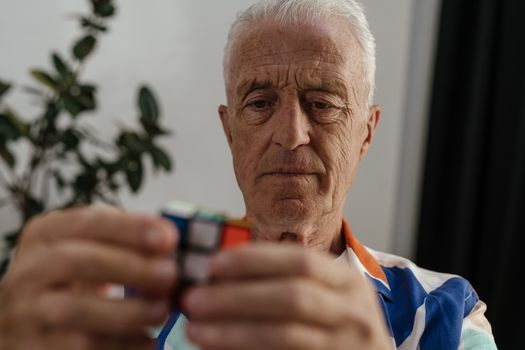
Elderly man concentrating on solving a Rubik's Cube, showcasing focus and mental agility. Photo: SHVETS production / Pexels
Beyond the aesthetic pleasure, crafting offers a powerful pathway to stimulating cognitive function in seniors, playing a vital role in maintaining brain health and mental acuity. The very nature of engaging in a craft project requires a multitude of cognitive processes to work in harmony, providing a comprehensive workout for the brain. From planning and problem-solving to memory recall and sequential thinking, crafts engage various neural pathways in a gentle yet effective manner. One of the primary ways crafts stimulate cognitive function is through planning and executive function. Before even starting a project, a senior must conceptualize the end goal, gather the necessary materials, and often visualize the steps involved. This requires planning ahead, organizing resources, and making decisions about design, color, and technique. For instance, when embarking on a mosaic project, one must decide on the pattern, select appropriate tiles, and figure out the order of placement. These seemingly small decisions collectively contribute to strengthening executive functions, which are critical for daily living. Memory recall is another significant cognitive benefit. Many crafts involve following patterns, remembering sequences of steps, or recalling techniques learned previously. Whether it’s remembering a knitting stitch pattern, the order of colors in a drawing, or the steps to assemble a paper model, these activities actively engage both short-term and long-term memory. This continuous retrieval and application of information acts like a mental exercise, helping to keep memory sharp and agile. Furthermore, crafts often involve problem-solving. What if a piece doesn't fit? How can a color be mixed to achieve a specific shade? What's the best way to attach two different materials? These small challenges encourage seniors to think critically, adapt their approach, and find creative solutions. This type of flexible thinking is crucial for cognitive resilience and can help individuals navigate unexpected situations in their daily lives with greater ease. Activities that require focus and concentration, such as intricate drawing, detailed embroidery, or assembling complex models, help to improve attention span. In a world full of distractions, the ability to concentrate on a single task for an extended period is invaluable for cognitive health. The sustained attention required for crafting can also lead to a meditative state, reducing mental clutter and promoting mental clarity. Learning new skills, even simple ones, is incredibly beneficial for the brain at any age. When seniors learn a new craft, they are forming new neural connections, which is essential for maintaining cognitive plasticity. Whether it’s mastering a new painting technique or learning to weave, the act of acquiring and applying new knowledge keeps the brain active and engaged. Even choosing colors and textures can stimulate sensory processing and aesthetic judgment, further enhancing cognitive engagement. For example, quilting projects involve not just sewing, but also mathematical calculations for fabric pieces, pattern recognition, and decision-making regarding color schemes and fabric textures. This multifaceted engagement makes it an excellent cognitive booster. Ultimately, crafts for seniors provide a joyful and accessible avenue for robust cognitive stimulation. They transform seemingly simple leisure activities into powerful tools for maintaining and enhancing mental acuity, ensuring that the mind remains as active and vibrant as the creative spirit. For more in-depth exploration of brain-boosting activities, visit cognitive benefits of crafting.

Tips for Successful Crafting & Common Pitfalls to Avoid
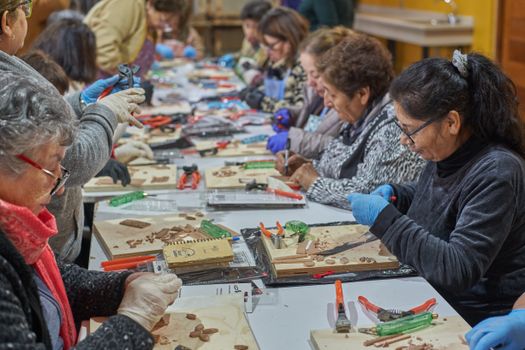
Senior women participate in a creative mosaic workshop in Lautaro, Chile, fostering community and creativity. Photo: Victor Parra / Pexels
To ensure a rewarding and enjoyable crafting experience for seniors, it's essential to approach projects with foresight and a few practical considerations. While crafting is inherently beneficial, certain strategies can maximize its positive impact and minimize potential frustrations. Here are some key tips for successful crafting and common pitfalls to avoid: **Tips for Successful Crafting:** * **Start Simple and Build Up:** Always begin with projects that are easy to complete and require minimal intricate steps. This builds confidence and provides a sense of accomplishment, encouraging further engagement. Gradually introduce more complex projects as skills improve. * **Prioritize Safety:** Ensure all materials are non-toxic, tools are easy to handle, and the crafting area is well-lit and clutter-free. Use blunt-nosed scissors, large-handled brushes, and easy-to-open containers for supplies. Supervise if necessary, especially with sharp objects or glues. * **Adapt to Individual Needs:** Be mindful of vision, dexterity, and cognitive levels. Offer magnifying glasses, larger print instructions, thicker grip tools, and pre-cut materials if needed. Some seniors might prefer repetitive tasks, while others thrive on creative freedom. Tailor the activity to the individual. * **Encourage Social Interaction:** If possible, organize group crafting sessions. This fosters conversation, sharing of ideas, and mutual support. It's a fantastic way to combat loneliness and build community around a shared interest. * **Focus on the Process, Not Just the Product:** Remind seniors that the joy is in the creation, experimentation, and engagement, not necessarily in producing a perfect item. Celebrate efforts and unique expressions. * **Provide Ample Time and Patience:** Don't rush the process. Allow seniors to work at their own pace, offering gentle guidance rather than taking over. Patience is crucial for fostering enjoyment and preventing frustration. * **Offer Choices:** Give seniors options in terms of projects, colors, and materials. This empowers them, makes the activity more personal, and increases engagement. * **Ensure Good Lighting and Comfortable Seating:** Proper lighting reduces eye strain, and comfortable seating prevents discomfort, allowing for longer, more enjoyable crafting sessions. **Common Pitfalls to Avoid:** * **Overly Complex Projects:** Introducing projects that are too difficult or require too many steps can lead to frustration, discouragement, and a reluctance to try crafting again. Keep it manageable. * **Ignoring Physical Limitations:** Forcing a senior with arthritis to do intricate needlework or someone with shaky hands to paint fine details will only cause distress. Always consider physical capabilities. * **Lack of Clear Instructions:** Ambiguous or overly long instructions can confuse and overwhelm. Break down steps into small, easily digestible parts, perhaps with visual aids. * **Messy or Unorganized Workspaces:** A cluttered environment can be distracting and make it difficult to find tools or materials, leading to stress. Keep the crafting area tidy and organized. * **Underestimating the Value of Their Work:** Dismissing a senior's creation, even if it doesn't meet conventional standards, can be deeply hurtful. Always offer positive reinforcement and genuinely admire their effort and creativity. * **Using Toxic or Harmful Materials:** Always check labels for non-toxic certifications, especially for paints, glues, and markers. Safety should be paramount. * **Lack of Variety:** Sticking to the same one or two crafts can lead to boredom. Introduce new projects and techniques regularly to keep interest high and engage different cognitive skills. By keeping these tips in mind and avoiding common pitfalls, crafting can become an even more enriching, enjoyable, and beneficial activity for seniors, contributing significantly to their overall quality of life.

Comparison

FeaturePainting (Watercolor/Acrylic)Knitting/CrochetingPaper Crafts (Cards/Origami)Decoupage
Fine Motor Skill EnhancementMediumHighMediumLow to Medium
Cognitive StimulationHighHigh (pattern recall)Medium (planning)Medium (arrangement)
Setup DifficultyLowMediumLowLow
Material CostLow to MediumMediumLowLow to Medium
Adaptability for Limited Dexterity
Social Group Potential
Cleanup EffortMediumLowLowMedium

What Readers Say

"These craft project ideas for seniors have been a godsend for my mother. She loves making the paper flowers; it keeps her hands busy and her mind engaged, and she's so proud of her creations."

Eleanor V. · Phoenix, AZ

"I never thought I'd get into crafting, but the easy rock painting ideas here are fantastic. It's relaxing, and I've even started giving them to my grandkids. Highly recommend for any senior looking for a new hobby."

Robert L. · Orlando, FL

"The tips for adapting crafts for limited mobility were incredibly helpful. My aunt, who has arthritis, can now participate in our weekly crafting group, making beautiful greeting cards with ease. It's boosted her spirits immensely."

Maria S. · Dallas, TX

"While most projects were great, I found some of the initial descriptions for the more intricate yarn crafts a bit challenging to follow. However, the simpler options are perfect, and I appreciate the variety."

George P. · Seattle, WA

"As an activity coordinator, I'm always searching for fresh craft project ideas for seniors. This resource is gold! The focus on cognitive benefits and accessibility makes it a staple for our center."

Linda K. · Boston, MA

Frequently Asked Questions

What are the best craft project ideas for seniors with limited mobility?

For seniors with limited mobility, focus on crafts that can be done while seated and require minimal strenuous movement. Excellent options include paper crafts like card making or decoupage, large-bead jewelry making, simple painting (watercolor or acrylic with larger brushes), and finger knitting. These activities can be adapted with ergonomic tools and pre-cut materials to ensure ease of participation.

Is crafting truly beneficial for cognitive health in older adults?

Absolutely. Crafting is highly beneficial for cognitive health. It engages various brain functions such as planning, problem-solving, memory recall, pattern recognition, and fine motor skills. This mental stimulation can help maintain cognitive acuity, improve focus, and potentially slow down cognitive decline, offering a fun and engaging way to keep the mind sharp.

How can I make craft projects more accessible for seniors with visual impairments?

To make crafts accessible for visually impaired seniors, use materials with high contrast colors, provide large-print instructions or verbalize steps clearly, and opt for tactile crafts that rely more on touch than sight. Examples include working with different fabric textures, clay modeling, simple weaving with thick yarn, or creating collages with varied materials. Good lighting is also crucial.

What is the typical cost associated with senior craft projects?

The cost of senior craft projects can vary widely, but many are very inexpensive. Projects using household items like old magazines, fabric scraps, or natural elements (leaves, pebbles) can be nearly free. Basic supplies for paper crafts, simple painting, or beadwork are generally affordable, often costing less than $10-$20 per project. Bulk purchasing for groups can further reduce costs.

How do craft activities compare to other senior recreational activities in terms of benefits?

Craft activities offer unique benefits compared to some other recreational activities. While exercise promotes physical health and social clubs foster connection, crafting uniquely combines fine motor skill enhancement, cognitive stimulation, creative expression, and often social interaction. It provides a tangible sense of accomplishment that many other activities may not, making it a very well-rounded and beneficial pursuit.

Who should consider engaging in craft project ideas for seniors?

Anyone looking to enhance their well-being in their golden years should consider engaging in craft project ideas for seniors. This includes individuals seeking to maintain cognitive function, improve dexterity, reduce stress, express creativity, or simply find a fulfilling and enjoyable hobby. It's also ideal for caregivers, family members, or activity coordinators looking for engaging and therapeutic activities for older adults.

Are there any safety concerns to be aware of when doing crafts with seniors?

Yes, safety is paramount. Always ensure that all craft materials are non-toxic, especially glues and paints. Use age-appropriate tools, such as blunt scissors, large-handled brushes, and easy-to-grip items. Ensure the crafting area is well-lit, free of trip hazards, and that sharp objects are used with supervision. Proper ventilation is also important when using certain adhesives or sprays.

What are the emerging trends in craft project ideas for seniors?

Emerging trends often focus on sustainability, digital integration, and personalized crafts. Sustainable crafts use recycled or upcycled materials, promoting eco-consciousness. While traditional crafts remain popular, some groups are exploring digital art on tablets (for those comfortable with technology) or incorporating accessible tech like voice-activated design tools. Personalized crafts that allow for unique expression and storytelling are also gaining popularity, reflecting individual life experiences and memories.

Embrace the joy of creation and discover a world of fulfilling possibilities with our diverse craft project ideas for seniors. Whether you're seeking to sharpen your mind, express your creativity, or connect with others, there's a perfect craft waiting for you. Start your crafting journey today and enrich your life with purpose and passion.

Topics: craft project ideas for seniorssenior craft activitieseasy crafts for older adultscrafts for cognitive healththerapeutic crafts for seniors
Leo List

DK Escorts LU Escorts AT Escorts SE Escorts FI Escorts CH Escorts DE Escorts HR Escorts IE Escorts GR Escorts CZ Escorts NO Escorts BE Escorts FR Escorts SI Escorts IL Escorts NL Escorts PL Escorts HU Escorts ES Escorts IT Escorts PT Escorts SK Escorts RO Escorts ZA Escorts UY Escorts US Escorts UK Escorts NZ Escorts AU Escorts
Brampton weed
Adultwork EstrelaBet Vai de Bet R7 Bet Betão Galera Bet Rainbet Bet9ja Shop SportyBet BetKing Sisal Loto Foot Hollywoodbets YesPlay Odibets RushBet Jugabet BetWarrior BetCity MSport betPawa Fortebet