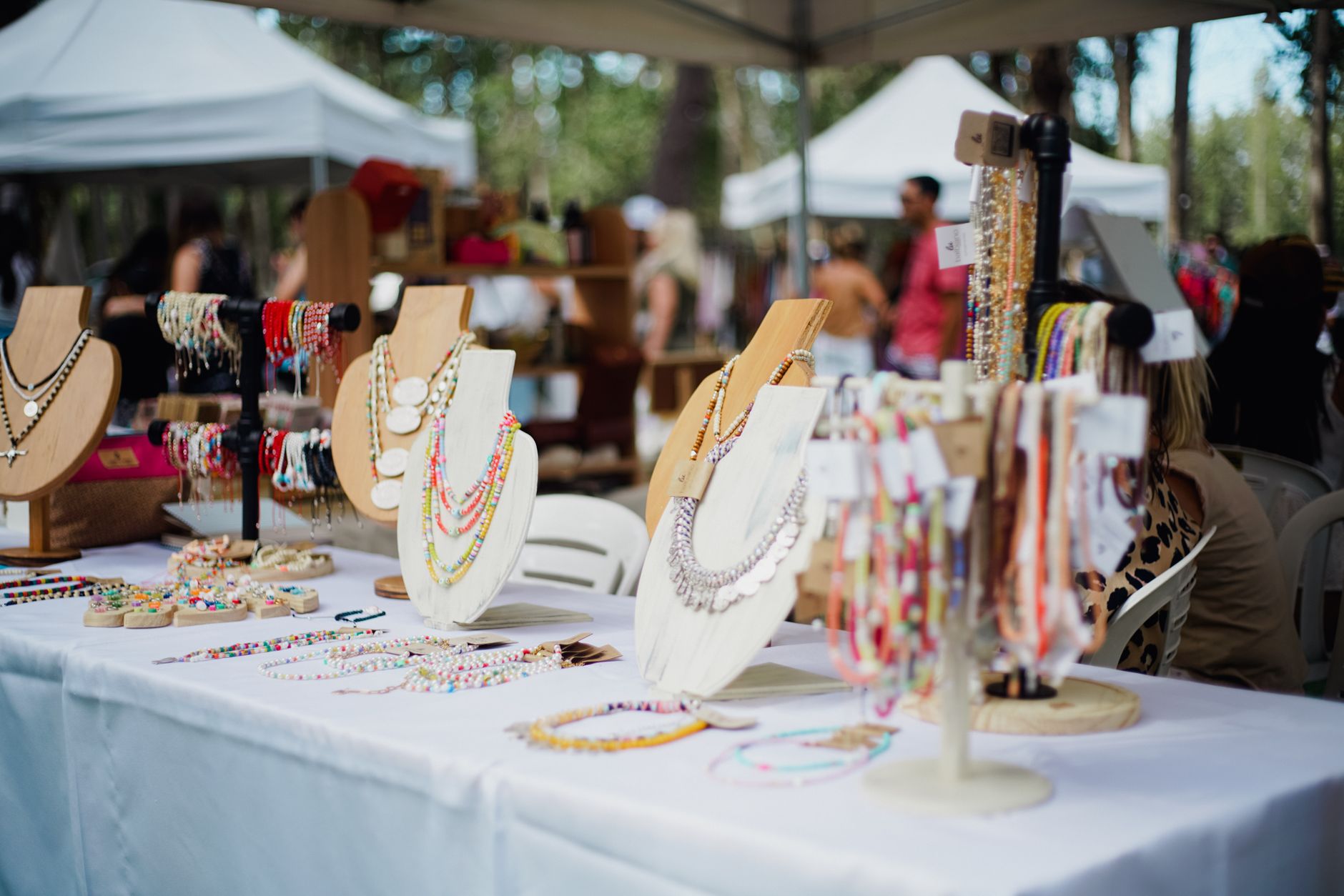
Your Ultimate Craft Fair Schedule US 2024 Guide
craft fair schedule US 2024

Your Ultimate Craft Fair Schedule US 2024 Guide

Unlock a year of creativity and commerce with our definitive guide to the top craft fairs across the United States in 2024.

Find Your Next Fair!

Key Takeaways

  • ✓ Over 10,000 craft fairs are held annually across the US, ranging from small local events to large national exhibitions.
  • ✓ The 2024 craft fair season offers significant opportunities for both emerging and established artisans.
  • ✓ Major craft fair hubs include California, New York, Texas, Florida, and the Pacific Northwest.
  • ✓ Many fairs require applications months in advance, so early planning is crucial for vendors.

How It Works

1
Explore Our Curated Listings

Browse our extensive database of craft fairs, filtered by region, date, and type. We've gathered information from across the nation to save you time.

2
Identify Your Perfect Fair

Whether you're a vendor seeking specific demographics or a buyer looking for unique handmade goods, our guide helps you pinpoint the ideal event. Consider your product, target audience, and logistical needs.

3
Plan Your Visit or Application

For attendees, prepare your shopping list and travel plans. For vendors, review application deadlines, booth requirements, and marketing strategies to maximize your success.

4
Engage and Experience

Immerse yourself in the vibrant craft community. Connect with artisans, discover unique treasures, and make the most of every craft fair experience in 2024.

Navigating the US Craft Fair Landscape in 2024
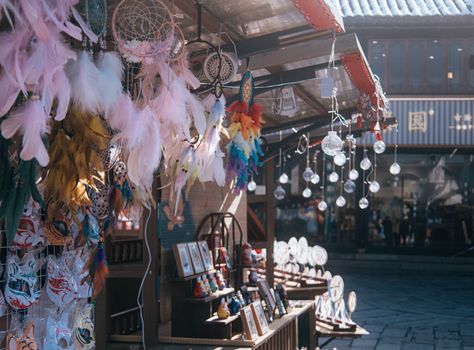
Vibrant dream catchers and trinkets displayed at an urban market stall. Perfect for adding boho charm to any space. Photo: 极星 贝 / Pexels
The United States is a vast and diverse country, and its craft fair landscape reflects this richness. From the bustling metropolitan centers to quaint rural towns, 2024 promises an extraordinary array of opportunities for both artisans and enthusiasts. Understanding this landscape is the first step in successfully navigating the craft fair schedule US 2024. This year, we're seeing a continued resurgence in handmade and artisanal goods, driven by a consumer desire for unique, sustainable, and locally sourced products. This trend fuels the growth and popularity of craft fairs, making them essential venues for commerce, community, and creative expression. When you delve into the craft fair schedule, you'll encounter a spectrum of events. Some are highly specialized, focusing on a particular medium like pottery, jewelry, or textiles. Others are broader, showcasing a wide variety of craft disciplines under one roof. Major metropolitan areas like New York, Los Angeles, Chicago, and Dallas often host large-scale, multi-day events that attract national talent and thousands of visitors. These events are characterized by high production values, extensive marketing, and often, competitive application processes. They can be incredibly lucrative for vendors who fit the aesthetic and quality standards, and they offer unparalleled shopping experiences for buyers. Beyond the big cities, smaller regional and local fairs play a crucial role. These events are the backbone of the craft community, providing accessible platforms for local artisans to sell their wares and connect with their communities. They often have a more intimate, community-driven atmosphere and can be excellent starting points for new vendors or those looking to test new products. The beauty of the 2024 craft fair schedule US is its variety, ensuring there's something for everyone, regardless of their location or specific interests. Whether you're a seasoned vendor aiming for national exposure or a weekend crafter looking to sell your first batch of handmade soaps, careful research into the fair's focus, size, and audience demographics is paramount. Consider factors like indoor vs. outdoor venues, expected foot traffic, booth fees, and amenities provided. Each fair has its own personality and target demographic, and aligning your products with the fair's ethos is key to success. This guide aims to demystify the process, helping you pinpoint the events that best suit your goals and preferences, ensuring a fruitful and enjoyable year within the vibrant craft fair scene.

Spotlight on Key US Craft Fair Regions for 2024
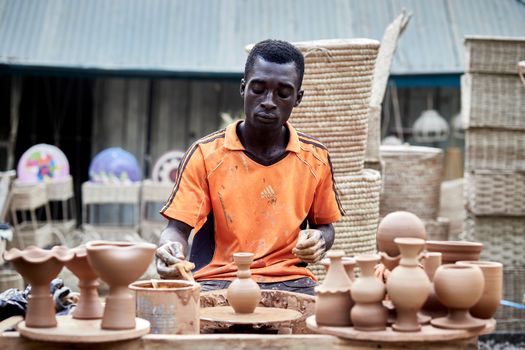
African artisan creating handmade clay pots in an outdoor market setting. Photo: Marafaphotos / Pexels
The geographical distribution of craft fairs across the United States in 2024 presents unique opportunities and challenges. Certain regions have established themselves as hotbeds for the handmade movement, offering a denser concentration of high-quality events. Understanding these regional distinctions can significantly streamline your planning, whether you're a vendor seeking profitable markets or a buyer on a quest for specific artisanal treasures. **The Northeast:** States like New York, Massachusetts, and Pennsylvania are home to some of the oldest and most prestigious craft fairs. Events here often boast a rich history and attract a sophisticated clientele. The winter holiday season is particularly robust, with numerous indoor markets capitalizing on gift-giving traditions. Think of events in New England known for their artistic heritage, or the vibrant markets of New York City that draw an international audience. The Northeast often features fairs with a strong emphasis on fine art crafts, often juried, ensuring a high standard of quality and originality. **The South:** The Southern states, including North Carolina, Georgia, and Texas, offer a different flavor of craft fairs, often characterized by a blend of traditional folk art, contemporary crafts, and a warm, hospitable atmosphere. Spring and fall are prime seasons, with outdoor festivals taking advantage of pleasant weather. Texas, in particular, hosts massive events that combine music, food, and craft, creating a true festival experience. Florida, with its tourist-driven economy, also features numerous events, especially during its peak tourist seasons, drawing a diverse demographic of buyers. **The Midwest:** States like Illinois, Michigan, and Ohio are known for their strong community ties and a steady demand for quality handmade goods. While perhaps less flashy than coastal events, Midwestern fairs often have loyal followings and can be incredibly rewarding for vendors. They tend to be well-attended by local residents who appreciate supporting regional artisans. The summer and fall harvest festivals frequently incorporate substantial craft fair components. **The West Coast:** California, Oregon, and Washington are at the forefront of contemporary craft and design. Events here often showcase innovative, modern aesthetics and attract a younger, design-conscious demographic. The year-round mild climate in many areas allows for a longer outdoor fair season. From the urban markets of Los Angeles and San Francisco to the more bohemian fairs in Portland and Seattle, the West Coast is a hub for trend-setting crafts and sustainable practices. The emphasis is often on unique, artisanal products that reflect a modern, conscious lifestyle. **The Mountain States & Southwest:** States like Colorado, New Mexico, and Arizona host fairs that often draw inspiration from the rich cultural heritage and natural beauty of the region. Native American crafts, Southwestern art, and nature-inspired themes are common. These fairs can be truly distinctive, offering products not easily found elsewhere and attracting visitors specifically seeking these regional specialties. Regardless of the region, each fair has its own rhythm and character. Researching specific events within these regions will reveal their unique selling propositions, helping you tailor your approach as a vendor or plan your visit as a discerning buyer. The craft fair schedule US 2024 is truly a tapestry woven with regional traditions and modern innovations.

Maximizing Your Experience: Tips for Vendors and Buyers at Craft Fairs
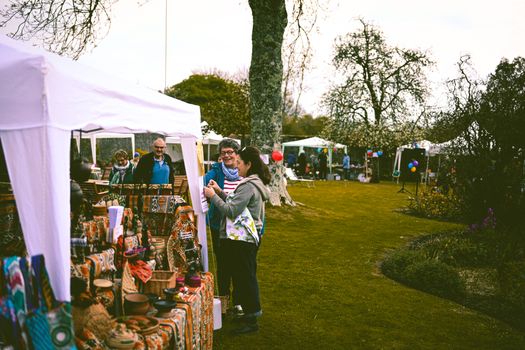
A lively outdoor market with people browsing stalls and tents in a park setting. Photo: Kwami Heude Izawaki / Pexels
Attending a craft fair, whether as a vendor or a buyer, is an enriching experience that offers a direct connection to the creative spirit. To truly maximize your time and investment, a strategic approach is essential. For vendors, the 2024 craft fair schedule US represents a significant opportunity to grow your brand, connect with customers, and generate revenue. For buyers, these events are treasure troves of unique, handmade items that can't be found in mass-market retail. **Tips for Vendors:** 1. **Preparation is Key:** Start early. Research fairs months in advance, paying close attention to application deadlines, booth fees, and jury requirements. Ensure your product photos are professional and your artist statement is compelling. Have a clear inventory management system and pricing strategy. 2. **Professional Booth Presentation:** Your booth is your storefront. Invest in a visually appealing display that highlights your products and reflects your brand's aesthetic. Good lighting, clear signage, and organized merchandising can make a huge difference. Make it inviting and easy for customers to browse. 3. **Engage with Customers:** Don't just sit behind your table. Stand up, smile, and engage visitors in conversation. Share the story behind your creations. People love knowing the artist and the process. Be approachable and enthusiastic, but avoid being overly pushy. 4. **Accept Various Payment Methods:** In today's digital age, cash-only is a disadvantage. Offer credit card processing (via Square, PayPal Here, etc.) and be prepared for digital payments. This convenience can significantly increase your sales. 5. **Collect Customer Information:** Have an email sign-up sheet or a way to capture customer contact details for future marketing. Offer a small discount for signing up for your newsletter. Building a mailing list is invaluable for long-term business growth. 6. **Network with Fellow Artisans:** Craft fairs are also excellent networking opportunities. Connect with other vendors, share experiences, and potentially collaborate. This can lead to new ideas, partnerships, and support within the craft community. Craft is a community, after all. 7. **Follow Up Post-Fair:** Send thank you emails to new subscribers, post about your fair experience on social media, and analyze your sales data to understand what worked and what didn't. **Tips for Buyers:** 1. **Arrive Early for the Best Selection:** Popular items often sell out quickly. Arriving shortly after opening can give you the best chance to snag unique pieces. 2. **Bring Cash (and Cards):** While many vendors accept cards, having smaller denominations of cash can be helpful for smaller purchases or if a vendor's card reader is down. Plus, some vendors offer cash discounts. 3. **Wear Comfortable Shoes:** You'll likely be doing a lot of walking and standing, especially at larger events. Prioritize comfort to enjoy your shopping experience. 4. **Engage with the Artisans:** Don't be shy! Ask questions about their process, materials, and inspiration. Hearing the story behind a piece enhances its value and your appreciation for it. 5. **Look for Quality and Uniqueness:** Craft fairs are the perfect place to find one-of-a-kind items. Inspect craftsmanship, materials, and details. You're investing in art and skill, not just a product. 6. **Be Prepared for Variety:** Prices at craft fairs can vary widely depending on the materials, time invested, and artist's experience. Appreciate the range and the value of handmade goods. 7. **Bring Reusable Bags:** Many vendors may not offer bags, or you might accumulate more than you expect. Being prepared with your own reusable bags is eco-friendly and practical.

Avoiding Common Pitfalls: Ensuring a Successful Craft Fair Season
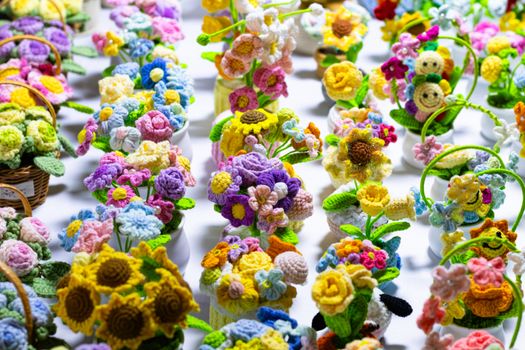
A vibrant array of crochet floral arrangements showcasing craftsmanship and creativity. Photo: Anurag Jamwal / Pexels
While the craft fair schedule US 2024 offers boundless opportunities, navigating it successfully means being aware of potential pitfalls. Both vendors and buyers can enhance their experience by anticipating common challenges and preparing accordingly. **For Vendors, avoiding these mistakes can be crucial for profitability and reputation:** * **Underestimating Preparation Time:** Many vendors make the mistake of leaving booth setup, inventory packing, and marketing materials until the last minute. This leads to stress, forgotten items, and a less-than-stellar presentation. Start preparing weeks, if not months, in advance for major shows. Create a detailed checklist for everything from pricing labels to payment processing devices. * **Poor Pricing Strategy:** Pricing too low undervalues your work and can lead to burnout; pricing too high can deter sales. Research comparable items and factor in your material costs, labor, and overhead. Don't be afraid to clearly articulate the value of your handmade goods. * **Lack of Marketing:** Don't rely solely on the fair's marketing. Promote your participation on your social media, email list, and website. Let your existing followers know where and when to find you. Offer a special fair-only discount to incentivize visits. * **Inadequate Inventory:** Running out of your most popular items early in the fair can be frustrating for both you and potential customers. Conversely, bringing too much can be a logistical nightmare. Analyze past sales data and consider the fair's expected attendance and demographic to estimate inventory needs. * **Ignoring Local Regulations:** Some fairs or cities require specific permits or licenses for vendors. Failing to secure these can result in fines or even expulsion from the event. Always read the vendor agreement thoroughly and check local government websites. * **Poor Customer Service:** A craft fair is a direct sales environment. Being unapproachable, glued to your phone, or unable to answer questions about your products will deter sales. Remember, a positive interaction can lead to a sale and repeat business. **For Buyers, avoiding these can lead to a more enjoyable and efficient shopping trip:** * **Not Researching Fairs:** Showing up to a fair without knowing its focus or size can lead to disappointment. If you're looking for fine art, don't go to a small community flea market. If you want unique gifts, avoid fairs known for mass-produced items. * **Forgetting Essentials:** Things like reusable bags, a bottle of water, or comfortable shoes can make a big difference in your comfort and ability to shop for extended periods. Dress in layers, as indoor venues can be unpredictable. * **Impulse Buying Without Thought:** While the allure of handmade is strong, take a moment to consider if the item truly fits your needs or space. Ask about returns or exchanges before purchasing, especially for larger or more expensive items. * **Not Asking Questions:** Don't be shy about asking artisans about materials, care instructions, or if they offer custom work. This interaction enhances your purchase and appreciation. * **Overlooking Smaller Booths:** Sometimes the most unique and innovative items are found in the booths of emerging artists who might not have the flashiest display. Take your time to explore every corner. By being mindful of these common pitfalls, both vendors and buyers can transform their craft fair experiences into successful, memorable, and highly rewarding endeavors within the dynamic craft fair schedule US 2024.

Comparison

FeatureLarge Juried FairsLocal Community MarketsSpecialty/Themed Shows
Vendor CompetitionHighModerateModerate to High (Niche)
Foot TrafficVery HighModerateTargeted High
Product FocusFine Art, High-End CraftDiverse, Affordable CraftSpecific Medium/Theme
Booth Fees$$$$$$
Application ProcessRigorous JurySimple ApplicationJury/Thematic Fit
Sales PotentialHigh (Per Customer)Consistent (Volume)High (Per Niche Customer)
NetworkingExtensive IndustryLocal CommunityNiche Artisans
Required PreparationExtensiveModerateSpecific

What Readers Say

"The craft fair schedule US 2024 guide was a game-changer for my small jewelry business. I found several high-traffic shows in my region I never knew about, leading to record sales months. The tips on booth setup were also incredibly helpful!"

Sarah J. · Austin, TX

"As a buyer, I used this resource to plan my craft fair road trip across the Pacific Northwest. The detailed regional breakdowns helped me discover unique artisan markets and bring home some truly special pieces for my home."

Mark D. · Portland, OR

"Following the advice in this guide, I streamlined my application process for the highly competitive NYC holiday markets. I got accepted into two prestigious fairs, significantly boosting my brand's visibility and revenue this year."

Emily R. · New York, NY

"The guide provided an excellent overview of the craft fair schedule US 2024. While I wish there were more direct links to application pages, the advice on vendor preparation was invaluable and helped me avoid common mistakes at my first major show."

David L. · Chicago, IL

"I'm a hobbyist crafter and loved the buyer tips. It made my visits to local fairs so much more enjoyable and efficient. I felt more confident engaging with artists and making informed purchases thanks to this comprehensive resource."

Jessica M. · Miami, FL

Frequently Asked Questions

How do I find the best craft fair schedule US 2024 for my specific craft?

Start by identifying your target audience and product price point. Large juried shows often cater to fine art and higher-priced items, while local markets might be better for more affordable, community-focused crafts. Use online directories, local arts council websites, and social media to research fairs that align with your niche. Pay attention to the fair's theme, past vendors, and audience demographics.

What are the typical application deadlines for major US craft fairs in 2024?

Application deadlines vary significantly, but for major, highly-regarded fairs, it's common for applications to open 6-12 months in advance of the event date. Some popular holiday shows may even open applications a full year prior. Always check individual fair websites for their specific timelines. Early application is always recommended to secure a spot and allow ample preparation time.

How can I effectively market my booth at a 2024 craft fair?

Effective marketing starts before the fair by promoting your participation on social media, your website, and through email newsletters. During the fair, ensure your booth is visually appealing, well-lit, and clearly branded. Engage visitors with a friendly demeanor, share your story, and offer multiple payment options. Post-fair, follow up with new contacts and share your experience online to maintain momentum.

What's the average cost for a vendor booth at a US craft fair?

Booth fees can range widely, from as little as $25-$50 for small, local community markets to several hundred or even a few thousand dollars for large, multi-day, national-level juried shows. Factors influencing cost include location, fair prestige, booth size (e.g., 10x10 ft), and whether it's indoors or outdoors. Always factor booth fees into your pricing strategy and budget.

Are there specific times of year when the craft fair schedule US 2024 is busiest?

Yes, the craft fair season typically sees peaks in the spring (April-June) and especially in the fall/holiday season (September-December). These periods coincide with favorable weather for outdoor events and the prime gift-buying season. While summer also hosts many fairs, particularly in tourist destinations, the spring and fall are generally the busiest and most lucrative times for craft vendors across the US.

Who benefits most from attending US craft fairs?

US craft fairs offer immense benefits to both artisans and consumers. Artisans gain direct sales opportunities, valuable customer feedback, brand exposure, and networking with peers. Consumers benefit from access to unique, handmade, often sustainable products, direct interaction with creators, and the chance to support small businesses and local economies. It's a win-win for the creative community.

What safety precautions should I take as a vendor at a craft fair?

As a vendor, secure your booth, especially overnight if the fair is multi-day. Keep valuables out of sight and consider a lockbox for cash. Be aware of your surroundings and report suspicious activity. For outdoor events, ensure your tent is weighted properly to withstand wind. Have a plan for inclement weather and be familiar with the fair's emergency procedures. Always prioritize your safety and the security of your goods.

How is the craft fair landscape evolving in the US for 2024 and beyond?

The US craft fair landscape is increasingly embracing sustainability, digital integration, and experiential elements. We're seeing more eco-friendly product lines, a greater emphasis on storytelling through social media, and fairs offering workshops and demonstrations to enhance visitor engagement. Online marketplaces also complement physical fairs, creating a hybrid approach for many artisans. The trend towards unique, personalized, and ethically sourced goods continues to drive innovation and demand.

Embark on your most creative and successful year yet by leveraging the comprehensive craft fair schedule US 2024. Whether you're an artisan seeking new markets or a buyer hunting for unique treasures, our guide empowers you to connect with the vibrant handmade community across America. Start planning your journey today and unlock a world of artistic possibility.

Topics: craft fair schedule US 2024US craft shows 2024artisan markets Americahandmade craft eventsvendor opportunities 2024
Leo List
Brampton weed
Adultwork EstrelaBet Vai de Bet R7 Bet Betão Galera Bet Rainbet Bet9ja Shop SportyBet BetKing Sisal Loto Foot Hollywoodbets YesPlay Odibets RushBet Jugabet BetWarrior BetCity MSport betPawa Fortebet