Boost Sales: Top Craft Fair Ideas to Sell & Thrive!
June 23, 2026 16 min read 3,299 words
Unlock your craft fair potential with proven product ideas and strategic selling tips to turn your passion into profit.
Start Selling Smarter
Unearthing Profitable Craft Fair Product Ideas
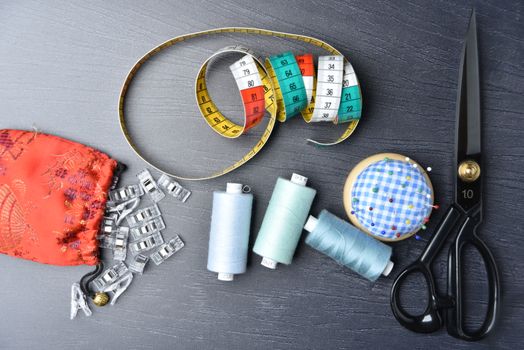 Photo: Jacob Moseholt / Pexels
Stepping into the vibrant world of craft fairs, whether as a seasoned artisan or a budding creator, requires more than just beautiful products; it demands strategic insight into what truly sells. The landscape of handmade goods is constantly evolving, with consumer preferences shifting towards unique, personalized, and sustainable items. To truly excel and turn your passion into a profitable venture, it's essential to not just make what you love, but to also craft what people are eager to buy. This section delves deep into identifying profitable craft fair ideas to sell, focusing on categories that consistently perform well across various regions in the US.
One of the most consistent sellers at craft fairs are personalized items. Customers are always on the lookout for products that speak directly to them or can be gifted with a special touch. This includes custom-engraved jewelry, initialed home decor, personalized pet accessories, or even bespoke stationery. The key here is offering options for customization on the spot, or with a clear, quick turnaround time if processing later. Think about items that can be easily adapted with a name, date, or specific color scheme. For instance, customized keychains made from wood or resin, hand-stamped metal jewelry, or even personalized ceramic mugs can be huge hits. The perceived value of a personalized item is often higher, allowing for better profit margins.
Another highly sought-after category is functional art and home decor. People love to adorn their living spaces with unique pieces that reflect their personality, and mass-produced items often fall short. Handmade pottery, unique wall art (think mixed media, abstract paintings, or intricate macrame hangings), artisanal candles, and custom-designed textiles like throw pillows or blankets are perennial favorites. Consider items that solve a problem or add significant aesthetic value. For example, a beautifully crafted wooden cutting board that doubles as a serving platter, or a set of hand-poured essential oil candles with unique scents and minimalist packaging. The aesthetics of these items often drive impulse purchases, especially if they are well-displayed and evoke a sense of warmth and home.
The craft of creating these items often involves a blend of skill and artistic vision, making them highly appealing.
Wearable art and accessories also hold significant potential. This isn't just limited to jewelry, though unique, handcrafted pieces in various materials (beadwork, wire wrap, polymer clay, resin, leather) are always popular. Consider other accessories like handmade scarves, unique handbags or wallets, embroidered patches, or even custom-painted shoes. The fashion-conscious consumer is often looking for statement pieces that differentiate them from the crowd. Focus on quality materials, durable construction, and designs that align with current fashion trends while maintaining your unique artistic voice. Think about seasonal accessories too; chunky knit scarves for fall/winter, or lightweight linen bags for spring/summer. Offering a range of price points within this category can also broaden your appeal, from small, affordable earrings to more elaborate, high-end necklaces.
Finally, the growing emphasis on sustainability and eco-friendly living presents a fantastic opportunity. Products made from recycled, upcycled, or ethically sourced materials resonate strongly with a conscious consumer base. Reusable items like beeswax wraps, cloth produce bags, bamboo utensils, or upcycled denim bags are not only good for the planet but also in high demand. Crafting items from reclaimed wood, repurposing old furniture with a fresh coat of paint and artistic touches, or creating jewelry from found objects can attract a dedicated niche market. Highlighting the sustainable aspects of your products in your display and marketing is crucial for attracting this segment. This approach not only boosts sales but also aligns your brand with important global values, creating a powerful narrative around your craft.
Mastering Your Craft Fair Display and Branding
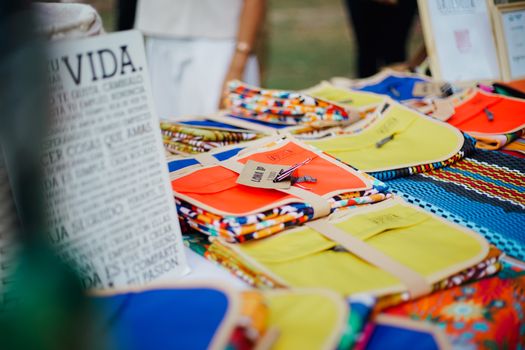 Photo: Elias Jara / Pexels
Once you've identified the perfect craft fair ideas to sell, the next crucial step is presenting them in a way that captivates potential buyers. A well-designed booth and cohesive branding aren't just about aesthetics; they are powerful sales tools that can significantly impact your success. Your display is your storefront, and your branding is your silent salesperson, communicating your unique story and values long before you even speak to a customer. Neglecting these aspects means leaving money on the table, regardless of how exceptional your products are.
Starting with your booth display, think of it as an immersive experience. It needs to be inviting, easy to navigate, and clearly showcase your best items. Utilize vertical space effectively with shelving, hanging displays, or tiered stands. This draws the eye upwards and allows you to display more products without cluttering your table. Lighting is another game-changer; strategic use of string lights, battery-operated spotlights, or even a small lamp can highlight key products and create a warm, inviting ambiance. Consider your color scheme – does it complement your products and brand? Neutral backdrops often make colorful items pop, while certain palettes can evoke specific moods, like rustic charm or modern elegance.
Clutter is the enemy of sales. While you want to offer variety, ensure your display isn't overwhelming. Group similar items together, use clear pricing, and leave enough space for customers to comfortably browse and pick up items. Interactive elements can also be highly effective: a mirror for trying on jewelry, a sample of a candle scent, or a small demo of how a product works. This encourages engagement and helps customers visualize themselves using your items. Remember to have a designated checkout area that is clean and efficient, making the final transaction seamless.
Beyond the physical setup, your branding tells your story. This encompasses everything from your business name and logo to your product packaging and how you interact with customers. Your logo should be simple, memorable, and reflect the essence of your craft. Use it consistently on all your materials: business cards, price tags, product labels, and your booth signage. High-quality product packaging, even for small items, elevates the perceived value and provides a memorable unboxing experience. Think about branded tissue paper, custom stickers, or elegant tags that reinforce your brand identity.
Storytelling is a potent branding tool. What inspired you to create these items? What unique techniques do you use? What materials are special? Share this narrative with your customers, either verbally or through small signs in your booth. People connect with authentic stories, and knowing the hands and heart behind a product can forge a stronger bond and justify a higher price point. For example, if you make pottery, talk about the specific clay you use or the firing process that gives it its unique texture. If you craft jewelry, share the inspiration behind a particular design or the origin of a rare gemstone.
Lastly, ensure your branding extends to your online presence. If customers love your products at the fair, they'll likely look you up later. Your website, social media profiles, and any online shop should mirror the aesthetic and messaging of your physical booth. This creates a consistent brand experience, builds trust, and allows customers to continue supporting your craft long after the fair has ended. A strong, cohesive brand identity is not just about looking professional; it's about building a loyal customer base and ensuring your craft fair efforts translate into sustained business growth.
Strategic Pricing, Customer Engagement, and Post-Fair Follow-Up
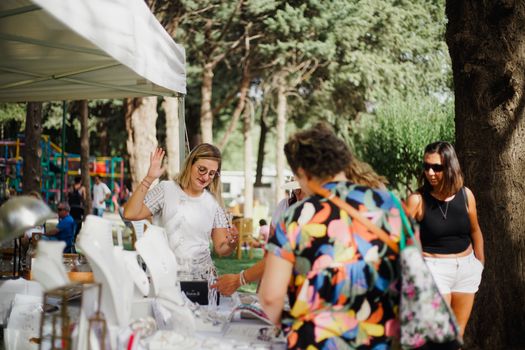 Photo: Elias Jara / Pexels
Once you have fantastic craft fair ideas to sell and a captivating display, the next critical components for success are strategic pricing, genuine customer engagement, and effective post-fair follow-up. These elements transform a good craft fair experience into a truly profitable and sustainable business model. Many artisans underprice their work, fearing they won't sell, but understanding the true value of your time, materials, and unique artistry is paramount for long-term viability.
Developing a smart pricing strategy begins with accurately calculating your costs. This includes not just raw materials, but also your time (at an hourly rate), overheads like booth fees, travel, packaging, and marketing expenses. A common formula is (Materials Cost + Labor Cost) x 2 or 3 = Wholesale Price, and then Wholesale Price x 2 = Retail Price. However, this is just a starting point. Research what similar, high-quality handmade items are selling for at comparable fairs and online. Your price should reflect the perceived value of your unique product, your brand's positioning (luxury vs. affordable), and your target market's willingness to pay. Don't be afraid to charge what your work is worth; customers at craft fairs are often looking for unique, high-quality items and understand they come at a premium compared to mass-produced goods. Consider offering a range of price points, from small, affordable impulse buys to larger, investment pieces, to appeal to a broader audience.
Strategic pricing is a craft in itself, requiring both calculation and intuition.
Customer engagement is where the magic truly happens at a craft fair. Your presence and personality are just as important as your products. Greet every person who enters your booth with a warm smile and an open-ended question that encourages conversation, rather than a simple 'Can I help you?' Ask them what they're looking for, what colors they like, or what brought them to the fair. Share the story behind your creations – the inspiration, the process, the materials. This personal connection builds trust and makes your products more meaningful. Be knowledgeable about your materials and techniques; customers appreciate an expert. Listen actively to their feedback and questions, as this can provide invaluable insights for future product development.
Avoid being pushy; instead, focus on being helpful and enthusiastic. If someone shows interest in an item, explain its unique features or how it can be used. Offer to demonstrate if applicable. Sometimes, a customer just needs a little encouragement or information to make a purchase. Be prepared for questions about customization, bulk orders, or commissions, and have a clear process for handling them. Collect email addresses for your newsletter (with their permission, of course) by offering a small discount on their current purchase or a chance to win a prize. This helps you build a community beyond the fair.
Finally, effective post-fair follow-up is crucial for turning one-time buyers into loyal customers. Send a personalized thank-you email to those who signed up for your newsletter, perhaps including a small discount code for their next online purchase. Post photos and stories from the fair on your social media, tagging any customers who gave permission. If you took commissions or custom orders, ensure timely communication and delivery. Follow up on any specific inquiries you received. This consistent engagement reinforces your brand's professionalism and commitment to customer satisfaction, encouraging repeat business and word-of-mouth referrals. A successful craft fair isn't just about the sales made on the day, but about the relationships built and the future business generated.
Avoiding Common Pitfalls and Maximizing Your Craft Fair ROI
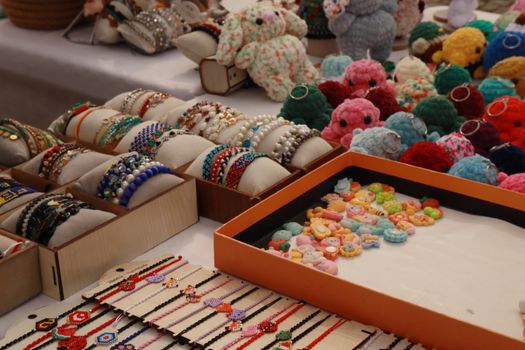 Photo: Büşra Demirci / Pexels
Even with the best craft fair ideas to sell and a stunning display, several common pitfalls can derail your success. Understanding and proactively addressing these challenges can significantly boost your return on investment (ROI) from every event. Beyond just making sales, your goal should be to build your brand, expand your customer base, and gather valuable market intelligence for future growth.
One of the most frequent mistakes is underpricing your work. As discussed, many crafters undervalue their time and skill, leading to burnout and unsustainable business models. Don't just cover material costs; factor in your labor, overheads, and the unique artistic value you bring. If your prices are too low, customers might even perceive your quality as inferior. Conversely, overpricing without a clear justification (e.g., extremely rare materials, highly specialized technique, luxury branding) can also deter buyers. Strive for a balance that respects your craft and appeals to your target demographic.
Another pitfall is a lack of clear branding and a messy booth. A cluttered, disorganized, or inconsistent display confuses customers and makes it hard for them to focus on your products. Ensure your booth tells a cohesive story about your brand. Use consistent colors, fonts, and messaging across all your elements. Invest in quality signage that clearly states your business name and any unique selling propositions. A professional appearance instills confidence in potential buyers and makes your brand memorable.
Poor customer engagement is a missed opportunity. Hiding behind your table, being glued to your phone, or not making eye contact can drive customers away. Be approachable, friendly, and ready to share your passion. Ask open-ended questions, listen more than you speak, and make every interaction feel personal and genuine. Remember, a smile and a warm demeanor are free and incredibly powerful sales tools. Conversely, being overly aggressive or pushy can also deter sales; find a natural, helpful balance.
Neglecting inventory management is another common issue. Showing up with too little stock means you'll miss out on sales, while bringing too much can lead to unnecessary heavy lifting and storage. Analyze past sales data, consider the fair's expected attendance, and have a system for tracking what sells well and what doesn't. This helps you optimize your product mix for future events. Also, ensure you have enough change for cash transactions and that your payment processing system (e.g., Square, PayPal Here) is fully charged and functional.
Finally, failing to capture customer information for follow-up is a huge oversight. Many sales happen after the fair, driven by email marketing or social media engagement. Have a clear way to collect email addresses (e.g., a sign-up sheet, a QR code for your newsletter, a raffle entry) and communicate the benefit to the customer. This allows you to build a loyal customer base, announce new products, and invite them to future events, maximizing your long-term ROI. Don't let a successful fair be a one-off event; turn it into a stepping stone for ongoing business growth.
Here's a quick checklist to maximize your craft fair ROI:
* **Research the Fair:** Understand the audience, typical attendance, and other vendors.
* **Optimize Product Mix:** Offer a variety of price points and best-sellers.
* **Professional Display:** Clean, organized, well-lit, and branded booth.
* **Engage Actively:** Smile, converse, share your story, and listen.
* **Clear Pricing:** Visible and easy-to-understand price tags.
* **Multiple Payment Options:** Cash, credit/debit, digital payments.
* **Capture Leads:** Collect email addresses for post-fair marketing.
* **Follow Up:** Send thank-you notes, new product announcements, and event invites.
* **Analyze & Adjust:** Review sales data and customer feedback to improve for next time.