✓ Product uniqueness and quality are paramount for standing out.
✓ Effective display and branding significantly impact sales.
✓ Understanding your target audience is crucial for product selection.
✓ Pricing strategies must cover costs and reflect value.
How It Works
1
Identify Your Niche & Audience
Research popular craft fair trends and determine what unique value your products offer. Understand who your ideal customer is and what they seek.
2
Develop High-Quality, Marketable Products
Focus on craftsmanship and create items that are both appealing and practical. Ensure your products are well-made and stand up to scrutiny.
3
Master Your Display & Branding
Design an attractive booth that draws customers in and clearly communicates your brand identity. Make your products easy to see and interact with.
4
Implement Smart Pricing & Sales Strategies
Price your items competitively yet profitably, considering all material and labor costs. Engage with customers and offer promotions to boost sales.
Unearthing Profitable Craft Fair Best Sellers
Photo: Büşra Demirci / Pexels
Succeeding at a craft fair isn't just about showing up; it's about showing up with the right products. The landscape of what sells well at craft fairs is constantly evolving, but certain categories consistently perform. To truly stand out and make a profit, you need to identify products that combine broad appeal with unique craftsmanship. Think about items that are both functional and beautiful, or those that offer a personalized touch. For instance, handmade jewelry remains a perennial favorite, but within this category, unique designs, ethical sourcing, or hypoallergenic materials can be key differentiators. Consider items that appeal to specific demographics – perhaps minimalist designs for a younger, trend-conscious crowd, or classic, elegant pieces for a more mature audience.
Another strong contender is home decor. People are always looking for ways to personalize their living spaces, and handmade items offer a warmth and character that mass-produced goods often lack. This could include anything from intricately painted signs, unique ceramic planters, custom throw pillows, or even macrame wall hangings. The key here is to offer variety in style and price points. A customer might not buy a large, expensive piece of art, but they might be tempted by a smaller, affordable decorative accent. Think about seasonality too; holiday-themed decor or seasonal accents can be huge sellers during specific times of the year.
Wearable accessories, beyond jewelry, also hold immense potential. Scarves, hats, custom-designed t-shirts, embroidered patches, or even handmade bags and wallets can attract a diverse clientele. The appeal often lies in the uniqueness – customers want something they can't find in a department store. Personalization options, such as initial engraving or custom color choices, can elevate these items from simple accessories to cherished possessions.
Children's items are another goldmine. Parents and grandparents are always on the lookout for unique, safe, and engaging toys or clothing for the little ones in their lives. Handmade wooden toys, soft fabric dolls, crocheted baby blankets, or even personalized nursery decor can be incredibly popular. The emphasis on safety, durability, and natural materials can be a major selling point.
Finally, don't underestimate the power of consumable goods, provided they are allowed under local health regulations. Gourmet food items like artisanal jams, specialty baked goods, unique spice blends, or handcrafted candles and soaps can fly off the shelves. The sensory experience – the smell of fresh baked goods or a fragrant candle – can be a powerful draw. Offering samples (where permitted) can significantly boost sales. The recurring nature of these purchases also means satisfied customers might seek you out at future events.
To ensure your products are profitable, always calculate your material costs, labor time, and booth fees into your pricing structure. Don't undersell your craft. Customers at craft fairs are often looking for quality and uniqueness, and they are generally willing to pay a fair price for it. By focusing on these broad categories and infusing them with your unique creative vision, you'll be well on your way to discovering your own craft fair best sellers. Remember that a diverse product offering, ranging in price points, can cater to a wider audience and increase your overall sales potential. For more insights on pricing, consider this guide on how to price handmade items.
Crafting an Irresistible Booth Display and Brand Story
Photo: Zsolt Bodnár / Pexels
Your products might be exceptional, but if your booth doesn't grab attention, potential customers might walk right by. A well-designed booth display is your silent salesperson, communicating your brand's aesthetic and product quality before you even utter a word. Think of your booth as a miniature storefront. It needs to be inviting, organized, and reflect the essence of your brand. Start with a cohesive color scheme that complements your products. Avoid clutter; less is often more. Each item should have space to breathe and be easily accessible for customers to touch and examine.
Vertical space is your friend. Don't just lay everything flat on a table. Utilize shelves, risers, and hanging displays to create visual interest and draw the eye upwards. This also allows you to showcase more products in a limited footprint. Good lighting is crucial, especially in indoor venues or on cloudy days. Battery-operated LED lights can dramatically illuminate your products, making them sparkle and stand out.
Beyond aesthetics, consider the functionality of your display. Can customers easily browse? Are your prices clearly marked? Do you have a designated area for transactions? A smooth customer experience from browsing to purchase is vital. Incorporate elements that encourage interaction, such as a mirror for trying on jewelry or a small sample station for consumable goods.
Equally important is your brand story. What makes your craft unique? What's the inspiration behind your creations? Sharing your story helps customers connect with your products on a deeper, emotional level. This can be as simple as a beautifully printed sign detailing your process, a small 'About the Artist' card, or even just a genuine conversation with interested shoppers. Your brand story should be consistent across all your marketing materials, from your business cards to your social media presence.
Visual branding extends to your signage. A clear, professional sign with your business name and logo is essential. Make it legible from a distance. Consider including your social media handles or website URL to encourage post-fair engagement. Packaging also plays a significant role. Even simple, branded packaging, like a stamped paper bag or a custom tag, elevates the perceived value of your items and reinforces your brand.
Lastly, ensure your booth is comfortable for you too. You'll be spending hours there, so make sure you have a comfortable chair (if allowed), easy access to water, and a system for keeping your valuables secure. A positive and energetic demeanor from you, the maker, is the final touch to an irresistible booth. Your enthusiasm for your craft is contagious and can significantly influence a customer's decision to buy.
Navigating Pricing, Promotion, and Customer Engagement
Photo: Elias Jara / Pexels
Pricing your handmade goods is often one of the most challenging aspects for crafters. It's a delicate balance between covering your costs, valuing your time and skill, and remaining competitive. A common mistake is underpricing. Start by meticulously calculating your material costs for each item. Then, factor in your labor rate – what do you want to pay yourself per hour? Don't forget overhead costs like booth fees, travel, marketing materials, and tools. A simple formula often used is (Material Cost + Labor Cost) x 2 or 2.5 = Wholesale Price, and then Wholesale Price x 2 = Retail Price. This ensures you have a healthy profit margin for both direct sales and potential wholesale opportunities. Be confident in your pricing; customers at craft fairs are typically looking for quality and uniqueness, not necessarily the cheapest option.
Once your pricing is set, think about effective promotion. Before the fair, use social media to announce your participation, showcase some of the items you'll be bringing, and create excitement. Use relevant hashtags and tag the event organizer. During the fair, offer small incentives. A 'buy two, get one free' on smaller items, a small percentage off for larger purchases, or a free gift with purchase can encourage sales. Consider a loyalty program or a simple email sign-up for future promotions.
Customer engagement is where you truly shine. Be approachable, friendly, and knowledgeable about your products. Greet every person who enters your booth, but don't be overly pushy. A simple, "Hello, let me know if you have any questions!" is often enough. Be prepared to talk about your process, your inspiration, and the materials you use. These conversations build connections and trust, which are invaluable. If someone expresses interest but doesn't buy, offer them a business card with your website or social media information.
Don't forget the power of visual merchandising within your booth. Group similar items together, create appealing vignettes, and use signs to highlight key features or special offers. For example, a sign that says "Hand-poured Soy Candles, Eco-Friendly & Long-Lasting" immediately communicates value. A "Best Sellers" section can guide hesitant buyers.
Finally, be prepared for payment options. While cash is always good, having a mobile card reader (like Square or PayPal Here) is non-negotiable in today's market. Many customers prefer to pay with cards, and offering this convenience can significantly boost your sales. Ensure your card reader is charged and your internet connection (if needed) is reliable. A smooth, professional checkout process leaves a lasting positive impression. Remember, every interaction is an opportunity to build a loyal customer base for your craft business. Learn more about effective marketing strategies for crafters in this comprehensive guide: Craft Business Marketing.
Essential Tips for Craft Fair Success: Avoiding Common Pitfalls
Photo: Elias Jara / Pexels
Attending craft fairs can be incredibly rewarding, but it also comes with its own set of challenges. To maximize your success and avoid common pitfalls, preparation and strategic thinking are key. Here are some essential tips:
* **Do Your Research:** Before committing to a fair, research its reputation, typical attendance, and the demographic of its visitors. Is it a high-end art show or a community flea market? Your products should align with the fair's audience. Look at past vendor lists and talk to other crafters if possible.
* **Prepare for All Weather:** If it's an outdoor fair, assume the worst. Bring weights for your tent, tarps to cover your goods, and appropriate clothing for yourself (layers are always a good idea). Rain or shine, you need to be ready.
* **Bring Plenty of Change & Payment Options:** As mentioned, mobile card readers are a must. Also, have a variety of small bills and coins for cash transactions. Don't rely on other vendors to break a large bill for you.
* **Have Backup Inventory:** If an item is a hot seller, you don't want to run out halfway through the first day. Bring more inventory than you think you'll need, especially for your most popular items. It's better to pack up unsold goods than to miss out on sales.
* **Network with Other Vendors:** Craft fairs are a great opportunity to connect with fellow makers. Share tips, learn about other fairs, and even collaborate. You never know when a connection might lead to a future opportunity.
* **Prioritize Security:** Keep your cash box and personal belongings secure and out of sight. Never leave your booth unattended, even for a moment. If you need a break, ask a neighboring vendor to keep an eye on things, or bring a friend.
* **Collect Customer Information:** Offer a sign-up sheet for your email newsletter. This allows you to build a customer base for future sales and promotions, extending the life of your craft fair efforts beyond just the event itself.
* **Take Photos:** Capture images of your booth, your products, and customer interactions (with permission). These photos are invaluable for future marketing on social media and your website.
* **Don't Get Discouraged by Slow Sales:** Some days are better than others. Don't let a slow period define your entire experience. Use downtime to tidy your booth, engage with neighbors, or refine your display.
* **Follow Up After the Fair:** Send a thank you email to anyone who signed up for your newsletter. Post on social media about your experience and thank attendees and organizers. This maintains momentum and goodwill.
By keeping these tips in mind, you can transform your craft fair experience from merely selling products to building a thriving craft business with loyal customers.
Comparison
Feature
Best Option (Unique Handmade)
Alternative 1 (Mass-Produced)
Alternative 2 (Custom Order)
Price Point
Medium-High
Low
High
Uniqueness
Excellent
Poor
Excellent
Production Time
Variable
Fast
Longer
Customer Connection
✓
✗
✓
Profit Margin
Good
Low
Excellent
Market Appeal
Specific Niche
Broad
Highly Specific
What Readers Say
★★★★★
"These craft fair ideas to sell transformed my small jewelry business! The tips on display and branding alone helped me double my sales at my last event. Highly recommend for any crafter."
Sarah J. · Austin, TX
★★★★★
"As a woodworker, I struggled with pricing. This guide's advice on calculating costs and valuing my time was a game-changer. My profits are up, and I feel more confident in my business."
Mark L. · Portland, OR
★★★★★
"I used the product ideas for my candle business and focused on unique scents and eco-friendly packaging. I sold out of my top three candle lines at the winter craft fair! Fantastic resource."
Emily R. · Miami, FL
★★★★★
"Very comprehensive tips, especially on customer engagement. While I still have some learning to do, the emphasis on building connections truly resonated and improved my interactions."
David K. · Denver, CO
★★★★★
"I'm a new crafter, and this article was a lifesaver. It covered everything from product selection to payment processing. I feel much more prepared for my first craft fair next month!"
Jessica M. · Seattle, WA
Frequently Asked Questions
What are the most popular craft fair ideas to sell right now?
Currently, popular items include personalized gifts (e.g., custom mugs, engraved jewelry), eco-friendly products (e.g., reusable bags, beeswax wraps), unique home decor (e.g., handmade ceramics, macrame), and self-care items (e.g., artisanal soaps, bath bombs). Items that offer a unique story or customization always perform well.
Is it still profitable to sell handmade items at craft fairs?
Yes, it is absolutely still profitable! While online sales are growing, craft fairs offer a unique opportunity for customers to see, touch, and experience your products firsthand, and to connect with the maker. This personal connection often leads to higher perceived value and willingness to pay a fair price, making it a very viable channel for profit.
How do I price my craft fair items to ensure a profit?
A common formula is (Material Cost + Labor Cost per hour * Hours) x 2 to 2.5 for your wholesale price, then double that for your retail price. Always factor in all material costs, your hourly wage, and a portion of your overhead (booth fees, supplies, marketing). Don't undervalue your time and skill.
What's the average cost to participate in a craft fair?
The cost varies widely based on location, event size, and duration. Booth fees can range from $25 for small local markets to several hundred dollars for larger, multi-day shows. You also need to factor in travel, display materials, and inventory costs. Always check the vendor application for detailed fee structures.
How can I make my craft fair booth stand out?
To stand out, focus on a cohesive brand aesthetic, use vertical space with shelves and risers, ensure excellent lighting for your products, and keep your display clean and uncluttered. Personalize your space with a clear brand story, and most importantly, be friendly and engaging with every visitor.
Who should consider selling at craft fairs?
Anyone who creates handmade goods, from hobbyists looking to monetize their passion to established artisans seeking direct customer engagement and market feedback. It's particularly beneficial for those who enjoy face-to-face interaction and want to build a local customer base.
What are the biggest risks of selling at craft fairs?
Key risks include unpredictable sales (some fairs are better than others), weather impacting outdoor events, theft, and the physical demands of setting up and taking down your booth. Thorough preparation, security measures, and realistic expectations can mitigate these risks.
What are future trends for craft fair products?
Future trends lean towards sustainability, personalization, and experiential crafts. Products using recycled or upcycled materials, items that can be customized, and craft kits for DIY enthusiasts are likely to see continued growth. Technology integration, like QR codes for product stories, will also become more prevalent.
Ready to turn your passion into profit? Utilize these expert craft fair ideas to sell your unique creations, captivate your audience, and build a thriving handmade business. Start planning your next successful craft fair today!
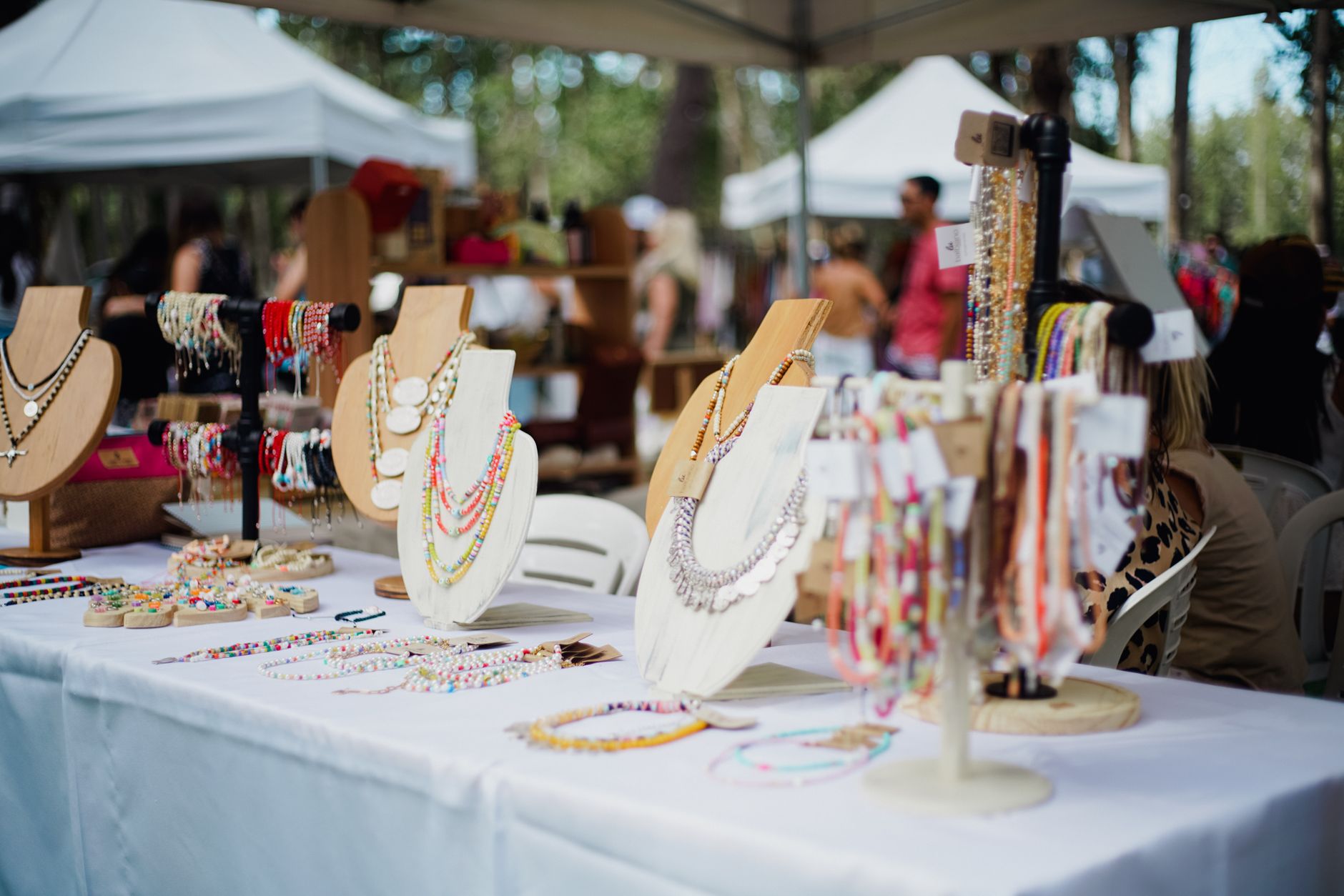
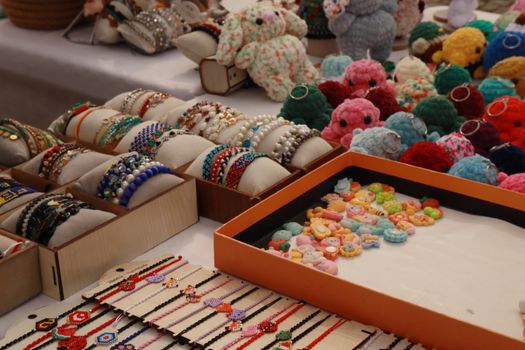 Photo: Büşra Demirci / Pexels
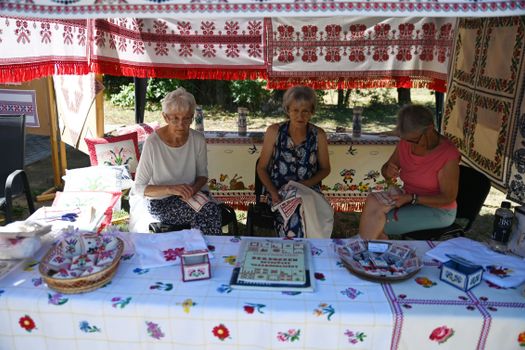 Photo: Zsolt Bodnár / Pexels
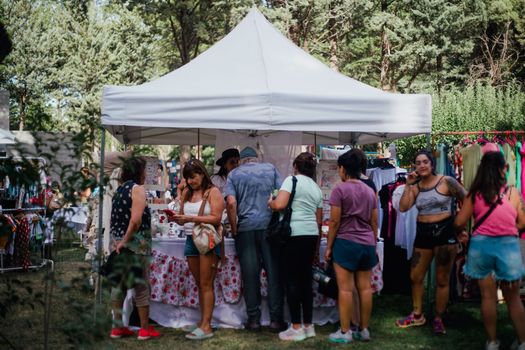 Photo: Elias Jara / Pexels
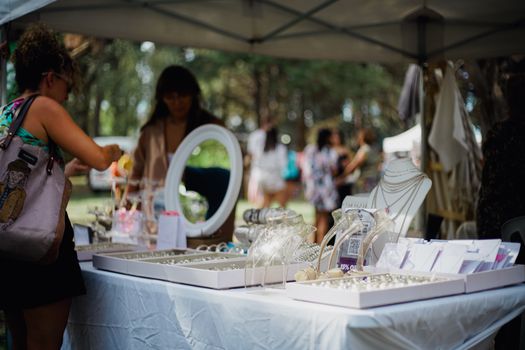 Photo: Elias Jara / Pexels