
Unlocking Wellness: The Benefits of Crafting for Mental Health
Engage your hands and mind in creative pursuits to foster peace, reduce anxiety, and cultivate a stronger sense of self.
Start Your Crafting JourneyKey Takeaways
- ✓ Crafting reduces stress hormones like cortisol.
- ✓ Engaging in creative activities can alleviate symptoms of anxiety and depression.
- ✓ The repetitive motions in crafting promote mindfulness and focus.
- ✓ Completing a craft project boosts self-esteem and provides a sense of accomplishment.
How It Works
Select a craft that genuinely interests you, whether it's knitting, painting, pottery, or journaling. Passion is key to sustained engagement and enjoyment.
Create a dedicated, comfortable, and clutter-free area for your crafting. A peaceful environment enhances focus and allows for deeper immersion in the activity.
Allow yourself to get lost in the process, focusing on the textures, colors, and movements. This immersion is where the therapeutic benefits truly begin to unfold.
Once your project is complete, take time to appreciate your creation and the journey. Acknowledge your accomplishment and the positive impact it had on your mental state.
The Science Behind Crafting's Therapeutic Power
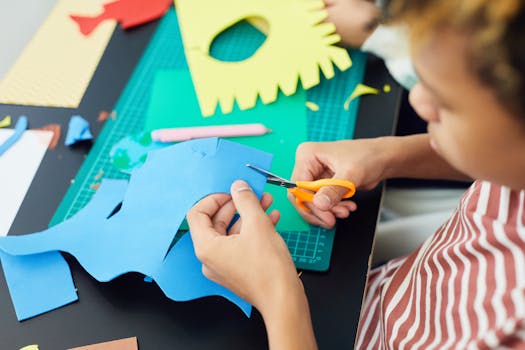 Photo: Vanessa Loring / Pexels
Moreover, crafting engages both hemispheres of the brain. The left hemisphere is often responsible for logical, sequential tasks, while the right hemisphere handles creativity, intuition, and spatial awareness. When both are actively involved, it creates a holistic brain workout that can improve cognitive function, problem-solving skills, and even memory. The tactile nature of many crafts also stimulates sensory pathways, providing a grounding experience that can pull individuals out of ruminative thought patterns. For instance, feeling the texture of yarn, the coolness of clay, or the resistance of wood against a carving tool can be incredibly centering. This sensory engagement helps to anchor us in the present moment, a core principle of mindfulness practices.
Beyond the immediate neurological benefits, crafting offers a tangible sense of accomplishment. Completing a project, no matter how small, provides a visible representation of effort and skill. This achievement directly contributes to enhanced self-esteem and self-efficacy, combating feelings of helplessness or inadequacy that often accompany mental health challenges. The act of creating something unique also fosters a sense of personal expression and identity, allowing individuals to communicate feelings or ideas that might be difficult to articulate verbally. In essence, crafting acts as a powerful, non-pharmacological intervention that nurtures the mind, body, and spirit, making it a valuable tool in anyone's mental wellness toolkit. Exploring different types of craft activities can help you find your perfect therapeutic outlet.
Reducing Stress and Anxiety Through Creative Expression
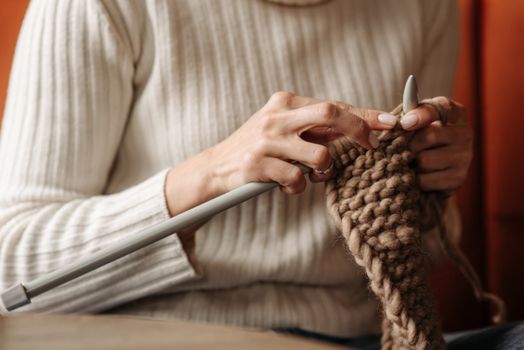 Photo: Pavel Danilyuk / Pexels
Studies have shown that even short periods of creative engagement can significantly reduce cortisol levels, the primary stress hormone. The rhythmic and repetitive movements inherent in many crafts, such as knitting, crocheting, or even coloring, can trigger a relaxation response similar to meditation. This repetition helps to slow breathing, lower heart rate, and induce a state of calm. It's a form of active meditation, where the hands are busy, but the mind is quieted and centered. Furthermore, crafting provides a sense of control. In a world where so much feels out of our hands, being able to conceive of an idea and bring it to life through our own efforts can be incredibly empowering. This sense of agency can be a powerful counter to feelings of helplessness that often fuel anxiety.
Creative expression also serves as a non-verbal language for processing emotions. Sometimes, it's difficult to articulate what we're feeling, but through art, we can externalize those emotions in a safe and symbolic way. A painting might represent turmoil, while a carefully crafted piece of jewelry could symbolize hope or resilience. This externalization can be deeply cathartic and help individuals gain perspective on their internal experiences. Whether it’s the quiet concentration of a solitary project or the shared joy of a crafting group, the act of making offers a unique pathway to peace and a powerful strategy for managing stress and anxiety in our daily lives.
Boosting Self-Esteem and Fostering Social Connection
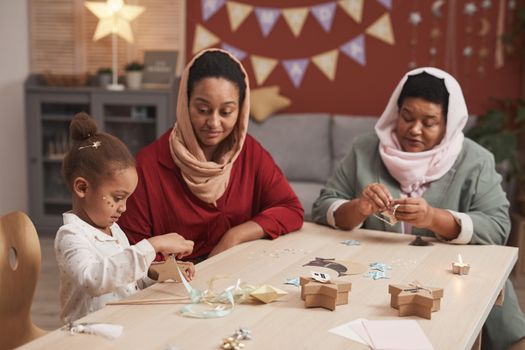 Photo: Werner Pfennig / Pexels
Moreover, crafting can be a deeply personal journey of self-discovery and expression. It allows individuals to explore their creativity, develop a unique style, and communicate aspects of their personality without words. This authentic self-expression is vital for building a strong sense of identity and valuing one's individuality. When we create something that is uniquely ours, we invest a part of ourselves into it, and seeing that creation valued by others (or even just by ourselves) can be incredibly affirming.
While often perceived as a solitary activity, crafting also offers incredible opportunities for social connection. Crafting groups, workshops, and online communities provide platforms for like-minded individuals to share their passion, exchange ideas, and offer mutual support. These interactions combat feelings of loneliness and isolation, which are significant contributors to mental health challenges. Sharing techniques, celebrating successes, and even commiserating over creative roadblocks builds camaraderie and a sense of belonging. The shared focus on a creative task can make social interaction less intimidating for those who might feel anxious in purely social settings. Crafting communities can become powerful support networks, offering not just practical advice but also emotional encouragement and friendship. This blend of personal achievement and communal engagement makes crafting a truly holistic practice for mental well-being. Discovering the right craft for you can open doors to both personal growth and new friendships.
Tips for Integrating Crafting into Your Wellness Routine
 Photo: Pavel Danilyuk / Pexels
Comparison
| Feature | Crafting (General) | Meditation | Exercise | Journaling |
|---|---|---|---|---|
| Hands-on Engagement | ✓ | ✗ | ✓ | ✓ |
| Tangible Output | ✓ | ✗ | ✗ | ✓ |
| Creative Expression | ✓ | ✗ | ✗ | ✓ |
| Stress Reduction | ✓ | ✓ | ✓ | ✓ |
| Social Interaction Potential | ✓ | ✗ | ✓ | ✗ |
What Readers Say
"Knitting has been a lifesaver for my anxiety. The repetitive motion helps quiet my racing thoughts, and seeing a scarf take shape is incredibly satisfying. It's a quiet, productive way to de-stress after a long day."
Sarah J. · Austin, TX"I started woodworking during a particularly tough period, and the focus it required was a revelation. It pulled me out of my head, and the sense of accomplishment from building something useful was a huge boost to my mood."
Mark D. · Seattle, WA"My therapist suggested trying a craft, and I picked up watercolor painting. Within weeks, I noticed a significant decrease in my stress levels and felt more optimistic. It gave me a creative outlet I didn't know I needed."
Emily R. · Denver, CO"I enjoy pottery, though sometimes it can be frustrating when a piece doesn't turn out right. However, the process itself is very calming, and the community at the studio is fantastic. It's a great balance of challenge and relaxation."
David L. · Chicago, IL"As a busy mom, finding time for myself is hard. But spending 20 minutes a day scrapbooking photos has become my mental reset button. It lets me relive happy memories and creates something beautiful for my family."
Jessica M. · Miami, FLFrequently Asked Questions
What are the primary benefits of crafting for mental health?
The primary benefits include significant stress and anxiety reduction, improved mood through the release of 'feel-good' neurotransmitters, enhanced self-esteem and a sense of accomplishment, and the cultivation of mindfulness and focus. Crafting also provides a healthy outlet for emotional expression and can foster valuable social connections, combating loneliness.
Do I need to be artistic to experience the mental health benefits of crafting?
Absolutely not! The therapeutic benefits of crafting come from the process itself, not necessarily the artistic outcome. Many crafts require no prior artistic skill, such as adult coloring books, simple knitting, or assembling kits. The focus is on engaging your hands and mind, finding flow, and enjoying the creative journey, not on producing a masterpiece.
How can I start crafting if I feel overwhelmed by choices?
Begin by considering what appeals to your senses or what you might find relaxing. Do you like soft textures (knitting, crocheting), vibrant colors (painting, drawing), or working with your hands (clay, woodworking)? Start with a simple, inexpensive kit or a beginner's project. Many online tutorials and local workshops are available to guide you through your first steps, making the process less intimidating.
Is crafting an expensive hobby, and will it be worth the investment for my mental health?
Crafting can be as inexpensive or as costly as you make it. Many crafts, like drawing or journaling, require minimal investment. Others, like pottery or specialized woodworking, might require more initial outlay but can be incredibly rewarding. Considering the significant mental health benefits—stress reduction, improved mood, and self-esteem—the investment in time and resources is often very much worth it for your overall well-being.
How does crafting compare to other mindfulness practices like meditation?
While both crafting and meditation promote mindfulness and stress reduction, crafting offers a unique 'active' form of meditation. It engages the hands and often involves a tangible outcome, which can be more appealing and accessible for some individuals than traditional seated meditation. Crafting provides a focused activity that naturally anchors attention in the present moment, similar to how meditation trains the mind, but with the added benefit of creative expression and a sense of accomplishment.
Who should consider using crafting for mental health?
Anyone looking for a constructive outlet for stress, anxiety, or feelings of overwhelm can benefit from crafting. It's particularly helpful for individuals seeking non-pharmacological ways to improve mood, boost self-esteem, enhance focus, or find a creative way to express themselves. It's suitable for all ages and skill levels, providing a gentle yet powerful tool for mental wellness.
Are there any risks associated with crafting for mental health?
Generally, crafting is a very low-risk activity. The main considerations might be ensuring proper ventilation for certain materials (like paints or glues), using sharp tools safely, and avoiding excessive eye strain. For most, the risks are minimal, and the mental health benefits far outweigh any minor inconveniences, provided basic safety precautions are observed.
What are the future trends in crafting for mental well-being?
Future trends in crafting for mental well-being are likely to include an increased focus on sustainable and eco-friendly crafts, the integration of digital tools with traditional crafts (e.g., digital pattern design for knitting), and a greater emphasis on community-based crafting initiatives. There will also likely be more evidence-based research further solidifying crafting's role in therapeutic interventions and mental health support programs.
Embrace the transformative power of creativity. Discover the profound benefits of crafting for mental health and begin your journey toward a more peaceful, centered, and joyful life. Your hands hold the key to unlocking a healthier mind.