What is Macrame Craft? Your Ultimate Guide to Knotting
July 30, 2026 16 min read 3,138 words
Unlock the timeless art of macrame and transform simple cords into stunning creations for your home and beyond.
Start Your Macrame Journey
Unraveling the Origins: The Enduring History of Macrame Craft
 Photo: Akshay Kumar / Pexels
To truly appreciate what is macrame craft today, one must journey back through its rich and diverse history. Far from being a modern trend, macrame boasts an ancient lineage, with its roots tracing back thousands of years across various civilizations. The earliest evidence of decorative knotting can be found in carvings from the Babylonians and Assyrians, depicting intricate knotted patterns used to adorn costumes. However, the term 'macrame' itself is widely believed to have originated from the 13th-century Arabic word 'migramah,' which referred to decorative fringes on camels and horses, or a knotted fringe used to keep flies off animals. Arab weavers are credited with bringing this craft to Europe, specifically to Spain, during the Moorish conquest. From Spain, it spread to Italy, particularly Genoa, where it flourished as a popular pastime among sailors. These mariners, often confined to long voyages, would use their knotting skills to create decorative items like hammocks, bell fringes, and hatbands, which they would then trade or sell in port cities, effectively spreading the art form across the globe.
By the 17th century, macrame had made its way to England, reportedly introduced by Queen Mary II, who taught her ladies-in-waiting the art of knotting. It experienced a significant resurgence in popularity during the Victorian era. Period magazines and books featured numerous macrame patterns for household items, clothing, and accessories. Elaborate macrame trimmings adorned everything from curtains and tablecloths to dresses and furniture. This era saw macrame elevated to an elegant, sophisticated craft, a testament to the skill and patience of its practitioners. However, like many crafts, its popularity waned with the advent of industrialization and mass production, which offered cheaper and faster alternatives to handmade goods.
Fast forward to the 1970s in America, and macrame experienced another massive boom. This counter-culture movement embraced handmade, natural, and bohemian aesthetics, finding macrame to be the perfect medium. Plant hangers, wall hangings, owl decorations, and even clothing items crafted from macrame became ubiquitous. It was a symbol of self-expression and a return to traditional crafts. This period cemented macrame's image as a 'boho' craft, an association that largely persists today. After a period of decline in the late 20th century, the 21st century has witnessed an incredible modern revival. Driven by social media, a renewed interest in handmade goods, sustainable living, and home decor, macrame has once again captivated crafters and decorators alike. Today, it’s not just about plant hangers; modern macrame artists are pushing boundaries, creating intricate tapestries, jewelry, fashion accessories, and even large-scale art installations. Understanding this journey helps us contextualize the enduring appeal and versatility of what is macrame craft. It’s a craft that has adapted, evolved, and continually found its place in different cultures and eras, proving its timeless charm. For more on various crafting traditions, explore this
guide to craft types.
The Fundamental Elements: Tools and Techniques for Macrame Craft
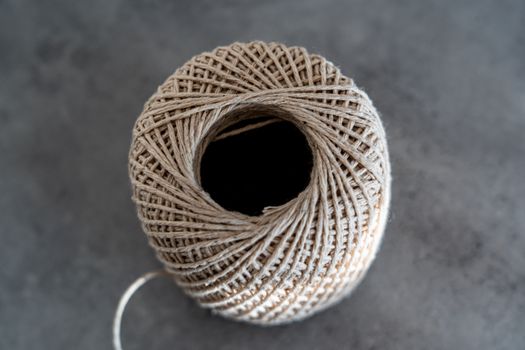 Photo: Castorly Stock / Pexels
At its heart, what is macrame craft is remarkably simple, requiring minimal tools but a good understanding of foundational techniques. Unlike weaving, which uses a loom, or knitting/crocheting, which employs needles or hooks, macrame relies solely on the skillful manipulation of cords by hand. This accessibility is one of its greatest appeals, making it an ideal craft for beginners. The primary 'tool' is your hands, guided by a basic understanding of a few key knots. However, some essential materials and accessories will make your macrame journey smoother and more enjoyable.
First and foremost, you need cord. The type of cord you choose significantly impacts the look and feel of your finished piece. Common options include: **Cotton cord** (often braided, twisted, or single-strand) is the most popular choice due to its softness, natural look, and ease of use, making it perfect for wall hangings and plant hangers. **Jute** offers a rustic, earthy texture and is very durable, great for outdoor projects or pieces with a more natural aesthetic. **Hemp cord** is strong, eco-friendly, and has a slightly coarser texture than cotton. **Synthetic cords** like nylon or polyester are durable and weather-resistant, suitable for outdoor or high-wear items, but often lack the natural drape of cotton.
Beyond the cord, a few other items are crucial. A **dowel, branch, or metal ring** serves as the anchor point for many macrame projects, especially wall hangings and plant hangers. This provides a stable base from which to hang and knot your cords. **Scissors** are essential for cutting cords to length and trimming fringes. A **measuring tape** or ruler is indispensable for ensuring consistent cord lengths and project dimensions. For intricate work or when working with many cords, a **macrame board** or a piece of corkboard with T-pins can be incredibly helpful for holding your work in place and maintaining tension. Some crafters also use a **hanger or S-hook** to suspend their work at a comfortable height.
Now, let's delve into the fundamental techniques – the knots that form the very fabric of macrame. Mastering just a few basic knots will open up a world of creative possibilities:
* **Larks Head Knot:** This is typically the first knot you'll learn, used to attach your working cords to a dowel, ring, or base cord. It creates a neat, secure loop.
* **Square Knot:** Often considered the most fundamental macrame knot, the square knot (and its variations, like the half square knot) is used to create flat, dense patterns and is crucial for many designs. It's formed by combining two half knots.
* **Half Hitch Knot (or Clove Hitch Knot):** This knot is used to create diagonal, horizontal, or vertical lines and textures. It involves wrapping a working cord around a filler cord. A series of half hitch knots forms a 'double half hitch,' which is incredibly versatile for creating intricate patterns and shaping your work.
* **Gathering Knot (or Wrapping Knot):** This knot is used to gather a group of cords together, creating a decorative, often tapered, finish, commonly seen at the bottom of plant hangers or to secure a tassel.
By understanding these basic tools and techniques, you'll be well-equipped to embark on your macrame journey. The beauty of macrame lies in the endless combinations and patterns that can be created from these simple building blocks, making it a truly accessible and rewarding craft.
Beyond the Basics: Exploring Advanced Macrame Craft Projects and Innovations
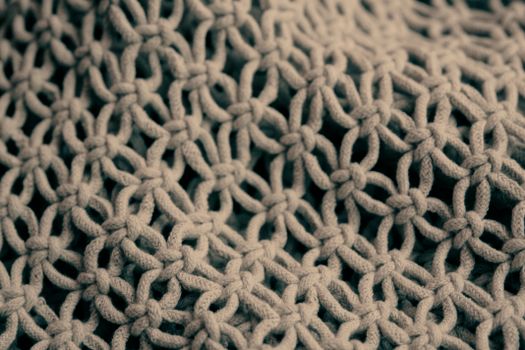 Photo: Karen Laårk Boshoff / Pexels
Once you've mastered the foundational knots and developed a comfortable rhythm with your cords, the world of what is macrame craft expands dramatically. Moving beyond simple plant hangers and basic wall decor, advanced macrame projects allow for greater complexity, artistic expression, and functional utility. This section will explore some of the more intricate applications and contemporary innovations within the macrame world, demonstrating its incredible versatility and enduring appeal.
Advanced macrame often involves combining various basic knots in sophisticated sequences to create elaborate textures and three-dimensional forms. For instance, intricate wall tapestries can incorporate dozens of different knot combinations, varying cord thicknesses, and even elements like beads, feathers, or dyed sections to add visual interest. These pieces are not merely decorative; they become statements, focal points in a room, showcasing the artist's skill and vision. Beyond flat hangings, macrame can be used to create stunning **three-dimensional objects**. Think about lampshades that cast beautiful shadows, intricate dreamcatchers with multiple layers, or even sculptural art pieces that stand independently. The ability to manipulate cords into volumetric forms is a hallmark of advanced macrame.
Another exciting area is **macrame furniture and home accents**. While the 1970s saw macrame chairs and swings, modern interpretations are often more refined and durable. This could include macrame-backed chairs, bohemian-style hammocks, or even decorative poufs and ottomans. The key here is often using stronger, thicker cords and ensuring structural integrity. Furthermore, macrame has found its way into **fashion and accessories**. From delicate macrame jewelry like earrings, necklaces, and bracelets, to more substantial items like handbags, belts, and even clothing embellishments, the knotting technique offers a unique artisanal touch. These items often require finer cords and a greater attention to detail in knot placement and symmetry.
The contemporary macrame scene is also marked by innovation in materials and techniques. While traditional cords remain popular, artists are experimenting with **recycled materials**, such as T-shirt yarn or upcycled fabrics, aligning with sustainable crafting practices. The integration of **mixed media** is also common, combining macrame with weaving, knitting, or even painted elements to create truly unique pieces. Large-scale macrame installations, often seen in public spaces, galleries, or event decor, push the boundaries of the craft, transforming environments with their grand presence. These projects demand meticulous planning, precise execution, and often collaborative effort.
Moreover, the digital age has fostered a global community of macrame artists who share patterns, techniques, and inspiration. Online tutorials, workshops, and social media platforms have democratized access to advanced macrame knowledge, allowing crafters worldwide to learn from masters and develop their unique styles. This constant exchange of ideas fuels innovation, ensuring that what is macrame craft continues to evolve and surprise. Whether you're aiming to create a complex wall art piece, a functional furniture item, or a wearable accessory, the advanced techniques of macrame offer boundless opportunities for creative expression and personal fulfillment. Engaging with a supportive
crafting community can significantly enhance your learning and creative journey.
Common Mistakes and Smart Tips for Mastering Macrame Craft
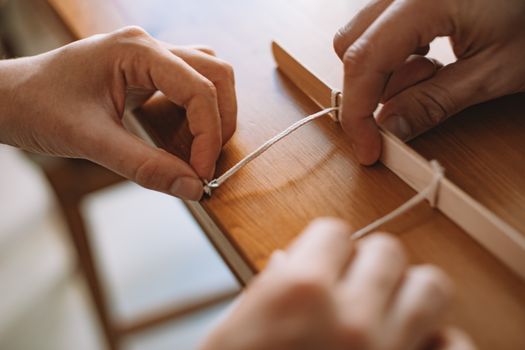 Photo: ROMAN ODINTSOV / Pexels
Embarking on any new craft journey comes with its share of challenges and learning curves. Macrame is no exception. While it's a wonderfully forgiving art form, understanding common pitfalls and adopting smart practices can significantly enhance your experience and the quality of your finished projects. Here are some key mistakes to avoid and valuable tips to help you master what is macrame craft.
**Common Mistakes to Avoid:**
* **Inconsistent Tension:** This is arguably the most common beginner's mistake. If your knots aren't tied with consistent tension, your piece will look uneven, lumpy, and lose its shape. Some knots will be too tight, others too loose, leading to a messy appearance.
* **Cutting Cords Too Short (or Too Long):** Estimating cord length can be tricky. Cutting too short means you'll run out before finishing, while cutting too long leads to excessive waste and tangled cords, making knotting cumbersome.
* **Not Securing Your Work:** Trying to knot without a stable anchor point (like a dowel taped down, or a project hanging freely) can lead to frustration and uneven results. Your work needs to be held steady.
* **Ignoring the Back of Your Work:** While the front is the star, the back should also be neat. Loose ends or messy knots on the back can unravel or detract from the overall aesthetic, especially for items viewed from all sides.
* **Starting Too Complex:** Diving into an elaborate pattern before mastering basic knots can quickly lead to overwhelm and discouragement. Build your skills gradually.
* **Over-tightening Knots:** While consistency is key, over-tightening can make the cord stiff, difficult to adjust, and can even fray the fibers over time.
**Smart Tips for Success:**
* **Practice Basic Knots Religiously:** Before starting a project, spend dedicated time practicing the square knot and half hitch until they become muscle memory. This will improve your speed and consistency.
* **Measure Twice, Cut Once (and Add Extra):** When estimating cord length, a good rule of thumb is to calculate based on the pattern's recommendation and then add an extra 10-20% for good measure. It's always better to have too much than too little. You can always trim excess.
* **Use a Sturdy Workspace:** Whether it's a dowel clamped to a table, an S-hook on a door, or a macrame board, ensure your project is stable. This frees up both hands for knotting and helps maintain tension.
* **Label Your Cords:** For patterns with many cords of different lengths or functions, temporarily labeling them with tape can prevent confusion and save time.
* **Watch Video Tutorials:** Visual learning is incredibly effective for macrame. There are countless free tutorials online that demonstrate knotting techniques clearly.
* **Invest in Quality Cord:** While you don't need the most expensive, a good quality cord will be easier to work with, less prone to fraying, and will result in a more professional-looking finished piece.
* **Don't Be Afraid to Undo:** Macrame is forgiving! If a section isn't right, gently undo the knots and redo them. It's part of the learning process.
* **Take Breaks:** Long knotting sessions can lead to hand fatigue and decreased concentration. Step away, stretch, and return with fresh eyes.
* **Embrace Imperfection:** Especially as a beginner, your first pieces won't be perfect. Celebrate your progress and enjoy the process. Each piece is a learning experience.
By keeping these tips in mind and actively avoiding common mistakes, you'll find your macrame journey much more enjoyable and rewarding, leading to beautiful handmade creations you can be proud of.
