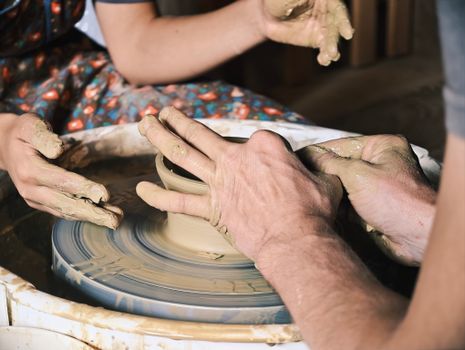
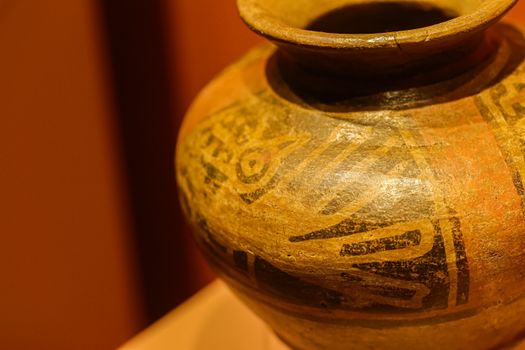
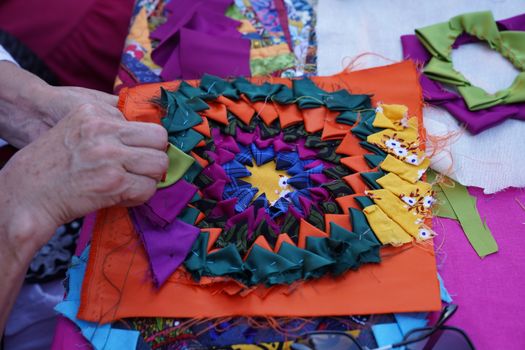
✓ Craft art emphasizes skilled handwork and traditional techniques.
✓ It often blurs the lines between utility and aesthetic expression.
✓ Craft art is deeply rooted in cultural heritage and community identity.
✓ The movement gained significant recognition in the 19th and 20th centuries.
How It Works
1
Conception & Design
An artisan conceives an idea, often inspired by tradition, nature, or personal vision. This involves sketching, planning, and material selection.
2
Material Preparation
Raw materials like clay, fiber, wood, or metal are prepared. This might involve spinning wool, shaping clay, or cutting wood to size.
3
Skilled Execution
Using specialized tools and honed techniques, the artisan transforms the materials. This is where the 'craft' aspect truly shines through precise handwork.
4
Finishing & Refinement
The piece undergoes final touches such as polishing, glazing, weaving, or painting. This stage ensures durability, aesthetic appeal, and completion of the artistic vision.
Defining Craft Art: More Than Just Handmade
When we ask "what is craft art," we delve into a fascinating intersection of skill, utility, and aesthetic expression that has existed for millennia. At its core, craft art distinguishes itself by its emphasis on the handmade, often incorporating traditional techniques passed down through generations. Unlike fine art, which historically prioritized purely aesthetic contemplation, craft art frequently serves a functional purpose, even as it elevates that function to an artistic level. Think of a beautifully woven basket, an intricately carved wooden bowl, or a meticulously hand-stitched quilt – these objects are not just useful; they are imbued with the artisan's touch, skill, and creative vision. The very act of creation, the intimate relationship between the maker and the material, is central to its definition. This connection fosters a unique warmth and authenticity that mass-produced items often lack. Craft art speaks to a deep human need for tangible objects that tell a story, whether of cultural heritage, personal expression, or simply the joy of making. It's a field where the journey of creation is as valued as the final product. The materials themselves often dictate the process, with artisans developing a profound understanding of their chosen medium – be it clay, glass, metal, fiber, or wood. This mastery of material allows for innovative forms and intricate details that are hallmarks of true craft. The term 'craft' itself implies a high degree of technical proficiency, a dedication to honing skills over time. It's not merely about assembling; it's about shaping, transforming, and imbuing raw materials with soul. The distinction between 'craft' and 'art' has been a subject of debate for centuries, often placing craft in a subordinate position. However, contemporary perspectives increasingly recognize craft art as a legitimate and vital artistic discipline, celebrating its unique contributions to culture, design, and personal expression. It challenges the traditional hierarchy by demonstrating that objects of utility can possess profound artistic merit. Moreover, craft art often fosters a sense of community and shared heritage, connecting individuals through workshops, guilds, and markets. It’s a testament to human ingenuity and the enduring desire to create beauty and meaning with our own hands. The value of craft art lies not only in its aesthetic appeal but also in its narrative, its connection to history, and its embodiment of human skill and patience.
A Journey Through Time: The History and Evolution of Craft Art
The history of craft art is as old as humanity itself, tracing back to the earliest tools and decorative objects created by our ancestors. From prehistoric cave paintings and carved totems to ancient Egyptian jewelry and Roman mosaics, the impulse to create functional objects with aesthetic appeal is a fundamental human trait. Early civilizations relied entirely on skilled artisans for everything from pottery and textiles to weapons and ceremonial artifacts. These craftspeople were not merely laborers; they were innovators, engineers, and artists, their work essential for survival and cultural expression. The Middle Ages saw the rise of powerful guilds, which protected and promoted specific crafts, ensuring high standards of quality and passing down specialized knowledge through apprenticeships. These guilds played a crucial role in shaping the economic and social fabric of towns and cities, establishing the concept of master craftsmanship. The Renaissance, while celebrated for fine art, also produced exquisite examples of craft, from elaborate furniture to intricate metalwork, often commissioned by wealthy patrons who valued both beauty and utility. However, the Industrial Revolution in the 18th and 19th centuries brought about a significant shift. Mass production threatened traditional crafts, leading to a decline in handmade goods and a perceived devaluation of artisan skills. In response, movements like the Arts and Crafts Movement emerged in the late 19th century, particularly in Britain and the United States. Key figures like William Morris championed a return to handcraftsmanship, emphasizing the dignity of labor, the beauty of natural materials, and the importance of well-designed, functional objects for everyday life. This movement sought to counteract the dehumanizing effects of industrialization and re-establish the spiritual and aesthetic value of handmade items. The 20th century further diversified craft art, with movements like Art Nouveau and Art Deco incorporating craft principles into their distinctive styles. Post-World War II, there was a resurgence of interest in craft, often intertwined with counter-culture movements and a desire for authenticity and self-expression. Studio craft movements gained traction, with artists like Dale Chihuly (glass) and Peter Voulkos (ceramics) pushing the boundaries of their respective mediums, demonstrating that craft could be as expressive and conceptual as any other art form. Today, craft art continues to evolve, embracing new technologies while honoring traditional methods. It plays a vital role in preserving cultural heritage, fostering sustainability through local production, and providing a powerful outlet for personal creativity. The journey of craft art is a testament to its enduring relevance and its ability to adapt and thrive across different eras and cultural contexts, continually redefining its place in the broader artistic landscape.
Diverse Forms and Enduring Appeal of Craft Art in the USA
In the United States, the landscape of craft art is incredibly diverse, reflecting the nation's rich tapestry of cultures and traditions. From the indigenous artistry of Native American tribes to the vibrant folk art of various immigrant communities, American craft art embodies a dynamic blend of heritage and innovation. Pottery, for instance, spans a vast spectrum, from functional stoneware and earthenware created by local artisans to sculptural ceramics that challenge conventional forms. Textile arts are equally rich, encompassing everything from traditional quilting – a deeply rooted American craft often passed down through families – to contemporary fiber art installations. Weaving, dyeing, knitting, and embroidery all contribute to this vibrant field, each with its own history and techniques. Woodworking, another foundational craft, includes intricate furniture making, wood carving, and turning, where artisans transform raw timber into objects of both beauty and utility. Metalwork, from blacksmithing and jewelry making to intricate sculpture, demonstrates mastery over challenging materials, often resulting in pieces that are both delicate and robust. Glassblowing, a mesmerizing art form, creates stunning vessels, sculptures, and decorative items that play with light and form. The enduring appeal of craft art lies in several key factors. Firstly, it offers a tangible connection to human creativity and skill in an increasingly digital world. Owning a handmade object means owning a piece of someone's time, effort, and passion. Each piece carries the unique imprint of its maker, making it distinct from any mass-produced item. Secondly, craft art often carries significant cultural and historical weight. Many craft traditions are integral to the identity of specific communities, preserving techniques and stories that might otherwise be lost. For example, the intricate beadwork of Plains Indians or the vibrant patchwork quilts of African American communities are not just beautiful objects; they are powerful expressions of cultural heritage and resilience. Thirdly, there's a growing appreciation for sustainability and ethical consumption. Craft art often aligns with these values, as it typically involves local production, natural materials, and a focus on durability rather than disposability. Supporting craft artisans means supporting small businesses, local economies, and practices that prioritize quality over quantity. This connection to authenticity and conscious consumption resonates deeply with modern consumers seeking meaningful purchases. Finally, the sheer beauty and uniqueness of craft art pieces make them highly desirable. They add character, warmth, and a personal touch to homes and lives, serving as conversation starters and cherished heirlooms. The tactile nature of craft art, inviting touch and close inspection, further enhances its appeal, creating a sensory experience that machine-made goods rarely achieve. The act of creating craft art also provides immense personal satisfaction and a therapeutic outlet for makers, fostering a thriving community of artists and enthusiasts across the nation. Finding the right supplies is often the first step in joining this vibrant community.
Embracing Craft Art: Tips for Collectors and Aspiring Artisans
For those looking to engage with craft art, whether as a collector or an aspiring artisan, there are several avenues to explore. If you're a collector, the world of craft art offers unique opportunities to acquire pieces that are both aesthetically pleasing and rich in narrative. Start by visiting local craft fairs, artisan markets, and galleries specializing in handmade goods. These venues allow you to meet the makers, learn about their process, and understand the stories behind their creations. Don't be afraid to ask questions about materials, techniques, and inspiration. Research specific craft forms that pique your interest, such as ceramics, textiles, or jewelry, and explore the history and contemporary movements within those fields. Consider how a piece will fit into your space and how it makes you feel. Investing in craft art is not just about ownership; it's about supporting individual artists and the broader craft community. Look for pieces that resonate with you personally, as these are the ones you'll cherish most. For aspiring artisans, the journey into craft art is incredibly rewarding.
Here are some tips to get started:
* **Start Small:** Begin with accessible crafts like knitting, simple pottery, or basic jewelry making. Don't overwhelm yourself with complex projects initially.
* **Find a Mentor or Community:** Join local craft guilds, take workshops, or connect with experienced artisans. Learning from others is invaluable for skill development and inspiration.
* **Invest in Quality Tools (Gradually):** While you don't need all the best tools from day one, gradually invest in quality implements for your chosen craft. Good tools make the process more enjoyable and yield better results.
* **Embrace Experimentation:** Don't be afraid to try new techniques, materials, and designs. Mistakes are part of the learning process and often lead to unexpected discoveries.
* **Study the Masters:** Look at the work of established craft artists, both historical and contemporary. Analyze their techniques, design choices, and how they express their vision.
* **Practice Consistently:** Like any skill, craft requires practice. Set aside dedicated time to work on your craft regularly, even if it's just for short periods.
* **Understand Your Materials:** Develop a deep understanding of the properties and limitations of your chosen materials. This knowledge is crucial for successful execution.
* **Develop Your Unique Voice:** While learning from others, strive to develop your own artistic style and perspective. What stories do you want your craft to tell?
Both collecting and creating craft art offer pathways to a deeper appreciation of skill, beauty, and the profound connection between human hands and creative expression. The joy of discovery, whether finding the perfect piece or creating it yourself, is a cornerstone of the craft art experience.
Comparison
Feature
Craft Art
Fine Art
Mass-Produced Goods
Primary Focus
Skill, Utility & Aesthetics
Aesthetics & Concept
Efficiency & Cost
Production Method
Handmade, unique/small batch
Unique, artist's vision
Machine-made, standardized
Value Emphasis
Skill, material mastery, story
Originality, concept, artist's name
Affordability, accessibility
Cultural Connection
Deeply rooted, often traditional
Can be, but often individual
Minimal, globalized
Functionality
Often functional, but artistic
Rarely functional
Primarily functional
Tangibility
✓
✓
✓
What Readers Say
★★★★★
"Discovering what is craft art truly opened my eyes. I bought a hand-thrown ceramic mug, and it brings me so much joy every morning. You can feel the care in every curve."
Sarah J. · Austin, TX
★★★★★
"This article beautifully articulates what is craft art. As a woodworker, it resonates with the passion I put into each piece. It's more than just an object; it's a part of me."
Michael D. · Portland, OR
★★★★★
"I used to think 'craft' was just a hobby, but understanding what is craft art has completely changed my perspective. I've started collecting unique textile pieces, and my home feels so much more personal and vibrant now."
Emily R. · Brooklyn, NY
★★★★★
"While the definition of what is craft art can sometimes feel fluid, this guide does an excellent job of highlighting its core values. I appreciate the emphasis on tradition and skill, though I also enjoy contemporary takes on classic crafts."
David L. · Santa Fe, NM
★★★★★
"As an art history student, understanding what is craft art in a modern context is crucial. This piece provides a comprehensive overview, bridging historical context with current trends, making it incredibly helpful for my research."
Jessica M. · Chicago, IL
Frequently Asked Questions
What is the main difference between craft art and fine art?
The main difference often lies in their primary intent and functionality. Fine art typically prioritizes aesthetic contemplation and conceptual expression, often created for display. Craft art, while highly aesthetic, frequently serves a functional purpose, such as a beautifully woven blanket or a handcrafted bowl, combining utility with artistic design and skilled execution. The distinction, however, is increasingly blurred in contemporary art.
Is craft art less valuable than fine art?
No, craft art is not inherently less valuable. Historically, it was sometimes perceived that way, but modern perspectives recognize the immense skill, creativity, and cultural significance embedded in craft art. Its value can be measured by its uniqueness, the artisan's mastery, its historical context, and its ability to connect with an audience on a personal, tactile level. Many craft pieces command high prices and are exhibited in prestigious galleries and museums.
How can I start creating my own craft art?
To start creating your own craft art, begin by identifying a craft that interests you, such as pottery, knitting, jewelry making, or woodworking. Take introductory classes or workshops, watch online tutorials, and find local craft communities or guilds. Start with basic tools and materials, practice regularly, and don't be afraid to experiment. The most important step is to simply begin and enjoy the creative process.
What kind of materials are used in craft art?
Craft art utilizes an incredibly diverse range of materials, often emphasizing natural or traditional ones. Common materials include clay (for ceramics), various fibers (wool, cotton, silk for textiles), wood (for carving, furniture), metal (gold, silver, copper for jewelry, sculpture), glass (for blowing, stained glass), and natural elements like stone, leather, and even paper. The choice of material is integral to the craft form and the artisan's vision.
How does craft art contribute to local economies and sustainability?
Craft art significantly contributes to local economies by supporting independent artisans and small businesses. It often uses locally sourced materials, reduces reliance on mass-produced goods, and promotes sustainable practices by creating durable, high-quality items designed to last. By purchasing craft art, consumers directly invest in their community's artistic talent and support a more environmentally conscious way of consumption.
Who should engage with craft art?
Anyone can engage with craft art! For those who appreciate unique, handmade items, it offers a way to collect meaningful pieces that add character and story to their lives. For individuals seeking a creative outlet, it provides a fulfilling path to learn new skills, express themselves, and connect with a vibrant community of makers. It's for anyone who values authenticity, skill, and the human touch in an increasingly automated world.
Are there health benefits to practicing craft art?
Yes, practicing craft art offers numerous health benefits. It can be a powerful stress reliever, providing a meditative and calming activity that reduces anxiety. The focus required can improve concentration and fine motor skills. Completing a project boosts self-esteem and provides a sense of accomplishment. It also fosters social connection through workshops and craft communities, combating feelings of isolation.
What are the future trends in craft art?
Future trends in craft art include a continued emphasis on sustainability and ethical sourcing, with artisans exploring recycled and upcycled materials. There's a growing integration of traditional techniques with modern technology, like 3D printing in ceramics or digital design in textiles. The blurring lines between craft and fine art will continue, leading to more conceptual and experimental craft pieces. Personalized and bespoke craft items will also see increased demand, reflecting a desire for unique, custom-made goods.
Embrace the rich world of craft art, whether you're collecting unique pieces or embarking on your own creative journey. Discover the profound satisfaction of handmade objects and the enduring legacy of human skill and artistic expression.