Mastering Craft Fair Display Ideas for Sales Success
August 22, 2026 16 min read 3,235 words
Transform your booth into a captivating magnet for customers and watch your sales soar at every craft fair.
Boost Your Booth!
The Psychology Behind Effective Craft Fair Displays
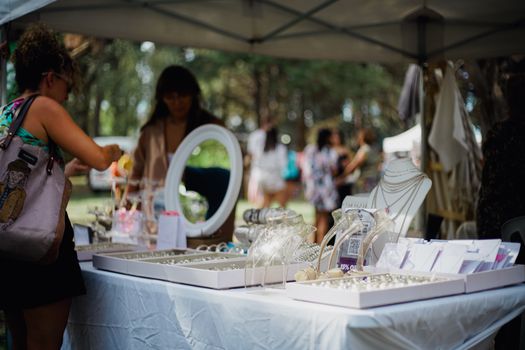 Photo: Elias Jara / Pexels
In the bustling environment of a craft fair, your display is your silent salesperson, working tirelessly to attract attention, communicate value, and ultimately, close a sale. It’s not just about arranging products; it’s about understanding human psychology and leveraging visual cues to create an irresistible pull. The initial impression a customer forms of your booth is almost instantaneous – often within a mere 3 to 5 seconds. During this fleeting moment, their brain processes colors, textures, lighting, and overall organization, deciding whether to approach or pass by. This means every element, from your tablecloth to your signage, contributes to this critical first judgment.
One of the most powerful psychological principles at play is the concept of 'visual merchandising.' This involves strategically presenting products in a way that makes them appealing and desirable. For instance, creating a clear focal point within your display immediately guides the customer's eye to your most valuable or signature items. This could be achieved through elevated platforms, spotlighting, or a unique prop that draws attention. Without a clear focal point, a display can appear chaotic and overwhelm potential buyers, leading to disengagement.
Another key aspect is the 'storytelling' element. People are inherently drawn to narratives. Your display should subtly tell the story of your brand, your craft, and the passion behind your creations. Is your brand whimsical and colorful? Or perhaps minimalist and elegant? Your display should reflect this identity consistently. For example, if you craft handmade jewelry inspired by nature, incorporating natural elements like small branches, stones, or earthy tones into your display can reinforce this narrative, creating a cohesive and immersive experience. This authenticity builds trust and allows customers to connect with your products on a deeper, more emotional level, distinguishing you from mass-produced items.
Consider the 'rule of three' or odd numbers in general. Items grouped in odd numbers tend to be more visually appealing and memorable than even groupings. This applies to how you arrange products, props, or even signs. Varying heights and depths in your display also adds visual interest and prevents a flat, uninspiring presentation. Think about creating a 'shopping journey' within your booth. How do you want customers to move? What do you want them to see first, second, and third? A well-planned flow encourages exploration and increases the likelihood of discovering multiple items they love.
Finally, accessibility and ease of interaction are paramount. Customers want to touch, feel, and examine products up close. Displays that are too high, too cluttered, or too fragile can deter interaction. Ensure that your items are within easy reach and that there's enough space for customers to comfortably browse without feeling cramped. Clear, legible pricing is also a psychological necessity; ambiguity can lead to frustration and lost sales. A transparent and inviting setup reduces friction points, making the purchasing process smoother and more enjoyable. By understanding and applying these psychological principles, your craft fair display ideas transform from simple arrangements into powerful sales tools, captivating hearts and opening wallets. You're not just selling products; you're selling an experience, a story, and a connection that begins the moment a customer sees your booth. For more on creating compelling brand narratives, check out these tips on
craft branding essentials.
Innovative Structures and Smart Space Utilization
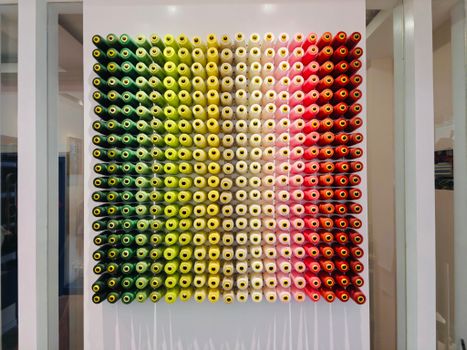 Photo: 光术 山影 / Pexels
Maximizing your assigned booth space is crucial, especially in smaller 10x10 or even 6x6 foot setups. Innovative structures and smart space utilization are not just about fitting more products; they're about creating an expansive feel, enhancing visibility, and guiding the customer's eye upwards and around your display. The ground level is valuable, but the vertical plane is often underutilized gold. Think beyond the flat table and embrace multi-tiered displays, shelving units, and even hanging elements.
One of the most effective strategies is investing in versatile shelving units. Collapsible wooden shelves, wire grid panels, or even repurposed vintage crates can add significant vertical interest. These allow you to display items at different eye levels, preventing your booth from looking like a flat, two-dimensional wall of products. Tiered displays, such as cupcake stands for smaller items like jewelry or ceramic risers for candles, elevate products literally and figuratively, making them stand out. Consider the 'pyramid' effect, where items are arranged with the largest at the bottom and progressively smaller ones upwards, creating a visually pleasing and stable presentation.
Gridwall or Slatwall panels are game-changers for maximizing wall space. These portable systems allow you to attach hooks, shelves, and baskets, transforming a plain backdrop into a dynamic display area. They are excellent for hanging products, showcasing framed art, or creating interactive sections where customers can easily pick up and examine items. While an initial investment, their versatility and ability to adapt to various product types make them invaluable for any serious crafter.
Don't forget the power of creative backdrops. A simple fabric backdrop, perhaps in a color that complements your brand, can immediately define your space and make your products pop. But you can go further. Consider a lightweight wooden pallet wall for a rustic feel, or a pegboard for a customizable, modular display that allows you to easily rearrange and refresh your setup. These backdrops not only look professional but also provide additional hanging space for products or signage, further utilizing vertical real estate.
Under-table storage is another often-overlooked opportunity. Use fitted tablecloths that reach the floor to hide unsightly storage bins, extra inventory, and personal belongings. This keeps your display looking clean and professional while providing easy access to replenishment. Rolling carts or collapsible shelving tucked neatly beneath your table can be invaluable for quick restocks. Remember, a tidy booth exudes professionalism and respect for your craft.
Finally, think about portability and ease of setup. While elaborate displays are appealing, if it takes hours to assemble and disassemble, or requires a team of movers, it might not be sustainable for frequent fair participation. Look for lightweight, collapsible, and modular components that can be set up quickly by one or two people. Your time at the fair is best spent engaging with customers, not wrestling with your display. Investing in durable, high-quality display elements that withstand frequent travel and setup will save you time and money in the long run, ensuring your booth is always ready to impress with minimal fuss.
Lighting, Branding, and Interactive Elements
 Photo: Marafaphotos / Pexels
Beyond the structural integrity of your display, the subtle yet powerful elements of lighting, consistent branding, and interactive features are what truly elevate a booth from ordinary to extraordinary. These components work in harmony to create an immersive experience, drawing customers in and fostering a memorable connection with your brand and products.
Lighting is arguably one of the most underappreciated aspects of craft fair display ideas. Natural light at outdoor fairs is wonderful, but often inconsistent. Indoor fairs, or even shaded outdoor spots, can leave your products looking dull and unappealing under generic overhead lighting. Strategic lighting can highlight your best pieces, create depth, and set a specific mood. Battery-operated LED strip lights are a game-changer for shelves and display cases, adding a professional glow without needing external power. Spotlights, focused on your most expensive or unique items, can make them sparkle and stand out. Warm white lights generally create a cozy, inviting atmosphere, while cool white lights can be used to emphasize modern or minimalist designs. Experiment with different types to see what best enhances your products' natural beauty. Proper lighting makes colors more vibrant, textures more appealing, and details more visible, which is particularly crucial for intricate crafts like jewelry or fine art.
Craft booth lighting can make or break your presentation, so don't overlook it.
Branding is the cohesive thread that ties your entire display together. It’s more than just a logo; it’s the consistent visual and emotional identity of your business. Every element in your booth, from your tablecloth to your price tags, should reflect your brand’s aesthetic. Choose a color palette that aligns with your brand – whether it's earthy tones for natural products, vibrant hues for playful items, or sophisticated metallics for luxury goods. Use consistent fonts on all your signage, business cards, and product labels. Your logo should be prominently displayed but not overwhelmingly so. A professional banner with your brand name and perhaps a catchy tagline immediately tells customers who you are and what you offer. This consistency builds recognition and trust, making your brand more memorable long after the fair is over.
Interactive elements are where your display truly comes alive and differentiates you from the competition. In a world saturated with digital experiences, hands-on engagement at a craft fair is a powerful draw. Could customers try on a piece of jewelry in front of a mirror? Can they feel the texture of a textile product? For pottery, maybe a small sign inviting them to pick up and feel the weight. If you sell art prints, consider having a small, framed example they can hold. For children's items, a tiny play area or a sample they can touch might be appropriate.
Demonstrations, even small ones, can be incredibly engaging. If your craft involves a unique technique, a brief, captivating demonstration can draw a crowd. For example, a potter might have a mini wheel, or a calligrapher might write a customer's name. Even a simple 'make-and-take' station, where customers can personalize a small item for a fee, can be a huge hit. These interactions not only entertain but also educate customers about the skill and effort behind your creations, adding perceived value.
Finally, don't forget digital interaction. A QR code linking to your online shop, social media, or a mailing list sign-up can extend the customer journey beyond the fair. A tablet displaying a video of your crafting process can also be a captivating addition. By thoughtfully integrating lighting, branding, and interactive components, you transform your booth into an inviting, memorable destination that truly showcases the heart and soul of your craft.
Common Craft Fair Display Mistakes to Avoid
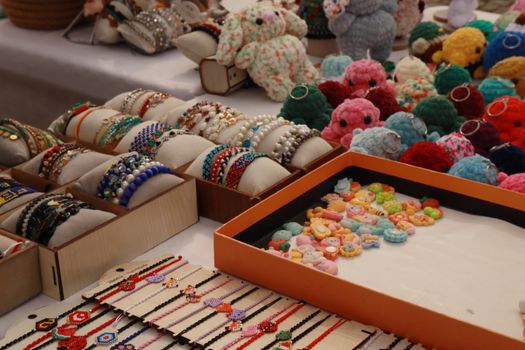 Photo: Büşra Demirci / Pexels
Even the most creative crafters can fall prey to common display pitfalls that inadvertently deter customers. Avoiding these mistakes is just as crucial as implementing effective strategies, ensuring your hard work translates into sales and positive customer interactions.
Here are some common craft fair display mistakes and how to avoid them:
* **Over-Cluttering Your Booth:** This is perhaps the most prevalent mistake. While it's tempting to display every single item you've ever made, a cluttered booth overwhelms customers and makes it difficult for them to focus on individual pieces. It can also make your products look cheap or disorganized.
* *Solution:* Curate your collection. Choose your best and most representative pieces. Use vertical space to spread out items and create breathing room. Less is often more; a well-organized, spacious display allows each item to shine.
* **Poor Lighting:** As discussed, inadequate lighting can make even the most beautiful crafts look dull and unappealing. Harsh overhead lights or dark corners hide details and colors.
* *Solution:* Invest in portable, battery-operated LED lighting. Use spotlights to highlight key products and strip lights for overall illumination. Aim for warm, inviting light that complements your products.
* **Lack of Clear Pricing:** Customers are hesitant to ask for prices, especially if they feel they might be too expensive. Hidden or absent pricing creates friction and can lead to lost sales.
* *Solution:* Ensure every item, or at least every type of item, has clear, legible pricing. Use attractive price tags that align with your brand aesthetic. Consider a sign that says, 'Prices as marked' or 'All items on this shelf $X.'
* **No Clear Brand Identity:** A generic-looking booth that doesn't reflect your unique brand can leave customers confused and forgettable.
* *Solution:* Infuse your brand's personality into every aspect of your display. Use consistent colors, fonts, and materials. Your booth should tell your story and instantly communicate what your brand is all about.
* **Ignoring Vertical Space:** Relying solely on a flat table display is a missed opportunity to showcase products at varying eye levels and create visual interest.
* *Solution:* Utilize risers, shelves, gridwall panels, and even hanging elements to build a multi-dimensional display. This draws the eye upwards and allows you to display more without cluttering the tabletop.
* **Uninviting Entryway/Barrier:** If your booth setup creates a physical or psychological barrier, customers will be less likely to enter. A table placed directly at the front of your booth can feel like a wall.
* *Solution:* Create an open, inviting entryway. Position your tables so customers can easily step into your booth. If space allows, create a U-shaped or L-shaped layout that encourages natural flow and exploration.
* **Lack of Interaction/Engagement:** A static display that offers no opportunity for touch or conversation can be boring.
* *Solution:* Encourage interaction. Have 'please touch' signs for appropriate items, provide mirrors for trying on jewelry, or offer small demonstrations. Be present and approachable, ready to engage with customers.
* **Disorganized Checkout Area:** A messy or inefficient checkout can sour an otherwise positive experience.
* *Solution:* Designate a clear, tidy checkout area. Have all your payment processing tools (card reader, cash box), bags, and business cards neatly organized and easily accessible. A smooth transaction leaves a lasting good impression.
By proactively addressing these common mistakes, you can significantly enhance your craft fair display, turning potential deterrents into opportunities for engagement and increased sales.
