Fun & Easy DIY Craft Projects for Kids
DIY craft projects for kids

Fun & Easy DIY Craft Projects for Kids

Unlock your child's creativity and create lasting memories with these engaging and simple craft ideas.

Start Crafting Today!

Key Takeaways

  • ✓ Crafting boosts fine motor skills and hand-eye coordination in children.
  • ✓ DIY projects encourage problem-solving and critical thinking.
  • ✓ Engaging in crafts can reduce screen time and promote imaginative play.
  • ✓ Many projects utilize common household items, making them budget-friendly.

How It Works

1
Choose Your Project

Browse our diverse selection of DIY craft projects, categorized by age and material, to find the perfect fit for your child's interests and skill level. Consider their favorite colors, animals, or themes.

2
Gather Your Materials

Each project comes with a clear list of required materials. Many can be found around your home, like toilet paper rolls, old magazines, or food packaging, minimizing the need for special purchases.

3
Follow Simple Instructions

Our step-by-step guides are designed to be easy to follow for both parents and children. We include helpful tips and safety notes to ensure a smooth and enjoyable crafting experience for everyone involved.

4
Create & Enjoy

Dive into the creative process, allowing your child to express themselves and personalize their creations. Celebrate their finished masterpiece and display it proudly, fostering a sense of accomplishment.

Unleashing Creativity: The Benefits of Kids Craft Ideas
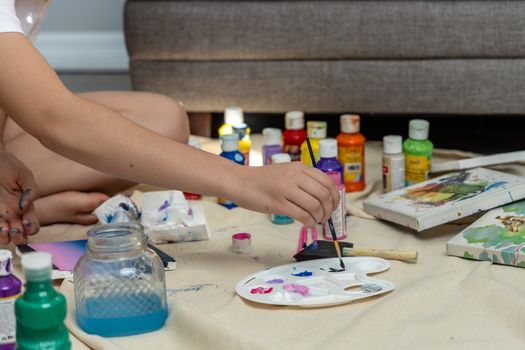
A close-up of a hand painting with acrylics in a cozy indoor setting, showcasing colorful art materials. Photo: Matthew Hernandez / Pexels
In an increasingly digital world, providing children with opportunities for hands-on, creative play is more important than ever. DIY craft projects for kids offer a fantastic avenue for this, transforming everyday materials into masterpieces and imagination into tangible creations. Beyond just keeping little hands busy, engaging in crafting activities provides a wealth of developmental benefits that contribute to a child's holistic growth. One of the most immediate advantages is the significant boost to fine motor skills. Activities like cutting, gluing, painting, and manipulating small objects require precise hand movements and coordination, strengthening the muscles in their hands and fingers. This improved dexterity is crucial for tasks like writing, buttoning clothes, and even using utensils effectively. Furthermore, crafting inherently encourages problem-solving. When a child encounters a challenge – perhaps a piece doesn't fit quite right, or they need to figure out how to attach two different materials – they are prompted to think critically and find solutions. This process builds resilience and fosters an 'I can do it' attitude. It's not just about following instructions; it's about adapting, experimenting, and understanding cause and effect. Communication skills also flourish during craft time. Children often describe their ideas, ask for help, or explain their process, enhancing their vocabulary and ability to articulate thoughts. Parents or guardians guiding them can use this as an opportunity to introduce new words, discuss colors, shapes, and textures, turning a fun activity into a rich learning experience. Crafting also serves as a powerful outlet for self-expression. Every child's creation is unique, reflecting their personality, preferences, and current mood. There's no right or wrong way to be creative, which builds confidence and self-esteem. Displaying their artwork or sharing it with others reinforces this positive self-image. Moreover, these shared experiences create invaluable bonding moments for families. Working together on a project, laughing over a mishap, or admiring a finished piece strengthens familial ties and creates lasting memories. It’s a chance to step away from daily routines and connect on a deeper, more playful level. For more ideas on creative play, explore our guide on engaging indoor activities for children. Finally, crafting offers a fantastic alternative to excessive screen time. While digital games and entertainment have their place, hands-on activities stimulate different parts of the brain and encourage a more active form of engagement. It allows children to disconnect from virtual worlds and reconnect with the physical world around them, fostering a sense of presence and mindfulness. The satisfaction of creating something with their own hands is a profound and rewarding experience that digital interactions often cannot replicate. By embracing DIY craft projects, we're not just making pretty things; we're nurturing crucial skills, fostering creativity, and building stronger family connections.

Top Engaging DIY Projects for Different Age Groups

Young girl using scissors for arts and crafts in a cozy indoor setting. Photo: Natalie Bond / Pexels
Choosing the right DIY craft projects for kids depends largely on their age and developmental stage. What might be perfect for a preschooler could bore a pre-teen, and vice-versa. Understanding these differences ensures that the activity is both enjoyable and appropriately challenging. For our youngest crafters, toddlers and preschoolers (ages 2-5), simplicity and sensory exploration are key. Projects should involve large, easy-to-handle materials and focus on basic skills like tearing, sticking, and squishing. Think simple collages using ripped paper, finger painting with non-toxic paints, or creating 'sensory bins' filled with rice, beans, or pasta for tactile play. Edible crafts, like decorating cookies or making fruit skewers, are also big hits, as they engage multiple senses and provide an immediate reward. Safety is paramount here; ensure all materials are non-toxic and supervise closely, especially with small parts that could be choking hazards. Moving to early elementary children (ages 6-8), their fine motor skills are more developed, and they can follow multi-step instructions. This is a great age for introducing projects that involve cutting with safety scissors, basic gluing, and more detailed coloring. Examples include making paper plate animals, creating friendship bracelets with simple braiding techniques, or designing custom bookmarks. They can also start to engage in more complex drawing or painting activities, perhaps trying watercolors or acrylics under supervision. Recycled crafts truly shine at this age, turning toilet paper rolls into binoculars or cardboard boxes into robots. These projects teach resourcefulness and environmental awareness. For older elementary kids (ages 9-12), the sky's the limit! Their ability to plan, follow complex instructions, and work independently increases significantly. They can tackle projects that involve more intricate cutting, stitching, or construction. Think about weaving friendship bracelets with various patterns, creating elaborate dioramas, designing and painting their own t-shirts, or even simple origami. Science-based crafts, like making slime, building a volcano, or creating a homemade compass, can be particularly engaging as they combine creativity with learning. This age group also enjoys projects with a functional outcome, such as decorating their own pencil holders, creating personalized keychains, or making homemade gifts for friends and family. Encourage them to personalize their creations and add their unique flair, fostering a sense of ownership and pride in their work. The key across all age groups is to prioritize the process over the perfect outcome, celebrating effort and creativity above all else.

Eco-Friendly Crafting: Sustainable DIY Fun for Families
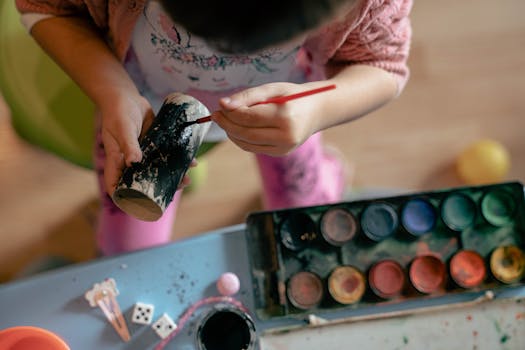
Top view of a child painting a cardboard roll with watercolors, showcasing creativity and art. Photo: Vladimir Srajber / Pexels
One of the most rewarding aspects of DIY craft projects for kids is the opportunity to embrace sustainability and teach children about environmental responsibility. Eco-friendly crafting not only reduces waste but also encourages resourcefulness and creativity by transforming discarded items into new treasures. Instead of buying new supplies for every project, look around your home for materials that can be repurposed. The possibilities are truly endless once you start looking at 'trash' as 'treasure'. Common household items like toilet paper rolls and paper towel rolls are goldmines for crafting. They can be transformed into binoculars, rockets, animal figures, or even miniature castles. Cereal boxes, tissue boxes, and other cardboard packaging can become sturdy bases for robots, dollhouses, or imaginative playscapes. Old magazines and newspapers are excellent for collages, paper mache, or even creating unique paper beads. Fabric scraps from old clothes, towels, or bedding can be used for patchwork, simple sewing projects, or stuffing for soft toys. Even plastic bottles can be cut and decorated to make planters, bird feeders, or decorative vases. When engaging in these projects, it’s a wonderful chance to discuss the 'reduce, reuse, recycle' mantra with your children, explaining how their crafting choices contribute to a healthier planet. Beyond just repurposing, consider the types of glues, paints, and other consumables you use. Opt for non-toxic, water-based paints and glues whenever possible. Look for craft supplies made from recycled materials or sustainable sources. For example, some companies offer crayons made from beeswax or paper made from recycled content. Nature itself is another fantastic source of free and sustainable craft materials. Collecting leaves, twigs, pinecones, pebbles, and shells during a nature walk can provide a bounty of supplies for collages, nature mandalas, or creating unique sculptures. This also encourages outdoor exploration and a connection with the natural world. Remember to be mindful of local regulations when collecting natural materials. Involving children in the process of gathering and organizing these recycled materials can be a project in itself. Designate a 'craft recycling bin' where they can contribute items they find around the house. This teaches them foresight and organizational skills, recognizing potential craft supplies before they hit the waste bin. By making eco-friendly crafting a regular part of your family's routine, you're not just fostering creativity; you're instilling valuable lessons about sustainability, resourcefulness, and responsible consumption that will benefit them and the planet for years to come. For more on making the most of your resources, check out our guide on budget-friendly family activities. Embracing sustainable crafting is a powerful way to make a positive impact, one craft project at a time. It demonstrates to children that creativity doesn't have to come at the expense of the environment and that some of the best art comes from what others might overlook.

Tips for Successful Crafting & Common Mistakes to Avoid
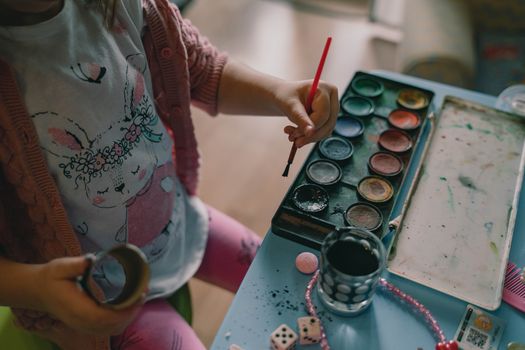
A young child painting with watercolors, wearing a cute printed shirt, engaging in creative art at home. Photo: Vladimir Srajber / Pexels
Ensuring a positive and productive crafting experience for both children and adults involves a few key strategies and an awareness of common pitfalls. Here are some invaluable tips to make your DIY craft projects for kids a smashing success, along with mistakes to steer clear of. **Tips for Success:** * **Preparation is Key:** Before starting, gather all necessary materials. There's nothing worse than halting a project mid-way to search for scissors or glue. Lay out newspapers or a craft mat to protect your surfaces, and have wet wipes or paper towels ready for quick clean-ups. * **Embrace the Mess:** Crafting with kids often means mess. View it as part of the creative process rather than a problem. Dress children in old clothes or smocks, and remember that washable paints and glues are your best friends. * **Focus on the Process, Not the Product:** The goal isn't to create a perfect, Pinterest-worthy masterpiece. It's about the joy of creation, the learning, and the time spent together. Celebrate effort and imagination over flawless execution. * **Offer Choices, Not Commands:** Instead of dictating every step, give children choices. "Would you like to use blue or green paint?" or "Do you want to add glitter or googly eyes?" This empowers them and fosters independence. * **Break Down Complex Tasks:** For younger children or more intricate projects, break down instructions into small, manageable steps. Complete one step, then move to the next, offering praise along the way. * **Encourage Experimentation:** Let children explore different ways to use materials. What happens if they mix two colors? Can they use a sponge instead of a brush? These explorations lead to discovery and unique creations. * **Display Their Art:** Proudly display your child's finished crafts. This validates their efforts and boosts their self-esteem, showing them that their work is valued. * **Know When to Stop:** If a child is losing interest or getting frustrated, it's okay to take a break or even stop the project. Forcing it can turn a fun activity into a chore. **Common Mistakes to Avoid:** * **Over-Supervising:** While supervision is necessary for safety, try not to hover or micromanage every move. Give them space to make their own decisions and even small mistakes, as these are learning opportunities. * **Setting Unrealistic Expectations:** Don't expect a toddler to meticulously cut a perfect circle or a kindergartner to paint within the lines perfectly. Adjust your expectations to their developmental stage. * **Using Inappropriate Materials:** Ensure materials are age-appropriate and non-toxic, especially for younger children who might put things in their mouths. Avoid small choking hazards for toddlers. * **Skipping Preparation:** Jumping into a project without gathering supplies or protecting surfaces can lead to frustration and bigger messes than necessary. * **Comparing Creations:** Never compare one child's artwork to another's. Every creation is unique and valuable. Focus on the individual's effort and creativity. * **Making it Too Complicated:** Starting with overly complex projects can quickly overwhelm children and lead to disinterest. Begin with simple crafts and gradually introduce more challenging ones as their skills develop. By keeping these tips in mind and avoiding common pitfalls, you can transform crafting time into a consistently enjoyable and enriching experience for your children, fostering their creativity and creating cherished family memories.

Comparison

FeatureBest OptionAlternative 1Alternative 2
Age RangeAges 6-8Ages 2-5Ages 9-12
Skill LevelIntermediateBeginnerAdvanced
Material CostLowVery LowModerate
Prep Time10-15 min5-10 min15-20 min
Mess LevelModerateHighLow-Moderate
Educational Value
Parental InvolvementMediumHighLow-Medium

What Readers Say

"These DIY craft projects for kids saved our rainy day! My 7-year-old loved making the paper plate animals, and we spent hours laughing and creating. So many great, simple ideas."

Sarah J. · Austin, TX

"As a dad, I'm always looking for screen-free activities. This resource provided fantastic inspiration for easy crafts we could do together. The recycled material ideas were genius!"

Mark T. · Seattle, WA

"My kids made personalized keychains for their friends, and they were so proud of their creations. This guide helped them develop their fine motor skills and gave them a real sense of accomplishment."

Emily R. · Orlando, FL

"The project ideas are great, though some required a bit more supervision than I initially anticipated for my younger child. Still, the overall experience was very positive and engaging for both of us."

David L. · Denver, CO

"We used these ideas for our homeschool art class, and the children absolutely adored them. The focus on eco-friendly crafting was a huge plus, teaching them about sustainability while having fun."

Jessica M. · Chicago, IL

Frequently Asked Questions

What are the best DIY craft projects for kids under 5?

For children under 5, focus on sensory-rich, low-mess crafts that involve large movements and simple materials. Finger painting, simple collages with ripped paper, play-dough creations, and decorating pre-cut shapes are excellent choices. Always ensure materials are non-toxic and supervise closely to prevent choking hazards.

Do I need special supplies for these DIY craft projects?

Absolutely not! Many of the best DIY craft projects for kids can be made with common household items. Think toilet paper rolls, cereal boxes, old magazines, fabric scraps, pasta, and natural items found outdoors. We encourage using recycled materials to promote sustainability and resourcefulness, keeping costs minimal.

How can I make crafting less messy with my kids?

To minimize mess, always prepare your workspace by laying down newspapers, an old tablecloth, or a dedicated craft mat. Dress children in old clothes or smocks. Have wet wipes, paper towels, and a trash bin within easy reach. Opt for washable paints and glues, and for younger children, consider 'dry' crafts like sticker art or collages with pre-cut shapes.

What is the educational value of DIY craft projects for kids?

DIY craft projects offer significant educational value by boosting fine motor skills, hand-eye coordination, and problem-solving abilities. They encourage creativity, self-expression, and critical thinking. Additionally, crafts can teach color recognition, shape identification, basic math concepts through measuring, and even environmental awareness through upcycling.

How do DIY crafts compare to pre-made craft kits?

While pre-made craft kits offer convenience, DIY crafts often provide greater flexibility, encourage more original thinking, and are typically more budget-friendly as they utilize existing household items. DIY projects foster resourcefulness and allow for unique, personalized outcomes, whereas kits can sometimes limit creativity to following specific instructions.

Who should engage in DIY craft projects for kids?

DIY craft projects are perfect for any parent, guardian, educator, or caregiver looking to engage children in creative, hands-on, and educational activities. They are suitable for all age groups, from toddlers to pre-teens, and are an excellent way to foster family bonding, reduce screen time, and encourage imaginative play.

Are there any safety concerns with DIY craft projects?

Safety is paramount. Always use non-toxic materials, especially for younger children who might put items in their mouths. Supervise closely when children are using scissors, hot glue guns (for older kids, with strict supervision), or small parts that could pose a choking hazard. Ensure good ventilation when using paints or glues with strong odors.

What are some future trends in kids' DIY crafting?

Future trends in kids' DIY crafting are leaning towards increased sustainability, with a greater emphasis on upcycling and natural materials. There's also a growing interest in STEM-integrated crafts that combine art with science, technology, engineering, and math, as well as personalized crafting experiences that allow for unique self-expression and digital-to-physical creations.

Ready to spark your child's imagination and create unforgettable memories? Dive into our extensive collection of DIY craft projects for kids today and discover the joy of hands-on creativity that benefits their development and brings your family closer.

Topics: DIY craft projects for kidskids craft ideaseasy crafts for childrencreative kids activitiesfamily craft projects
Leo List
Brampton weed
Adultwork EstrelaBet Vai de Bet R7 Bet Betão Galera Bet Rainbet Bet9ja Shop SportyBet BetKing Sisal Loto Foot Hollywoodbets YesPlay Odibets RushBet Jugabet BetWarrior BetCity MSport betPawa Fortebet