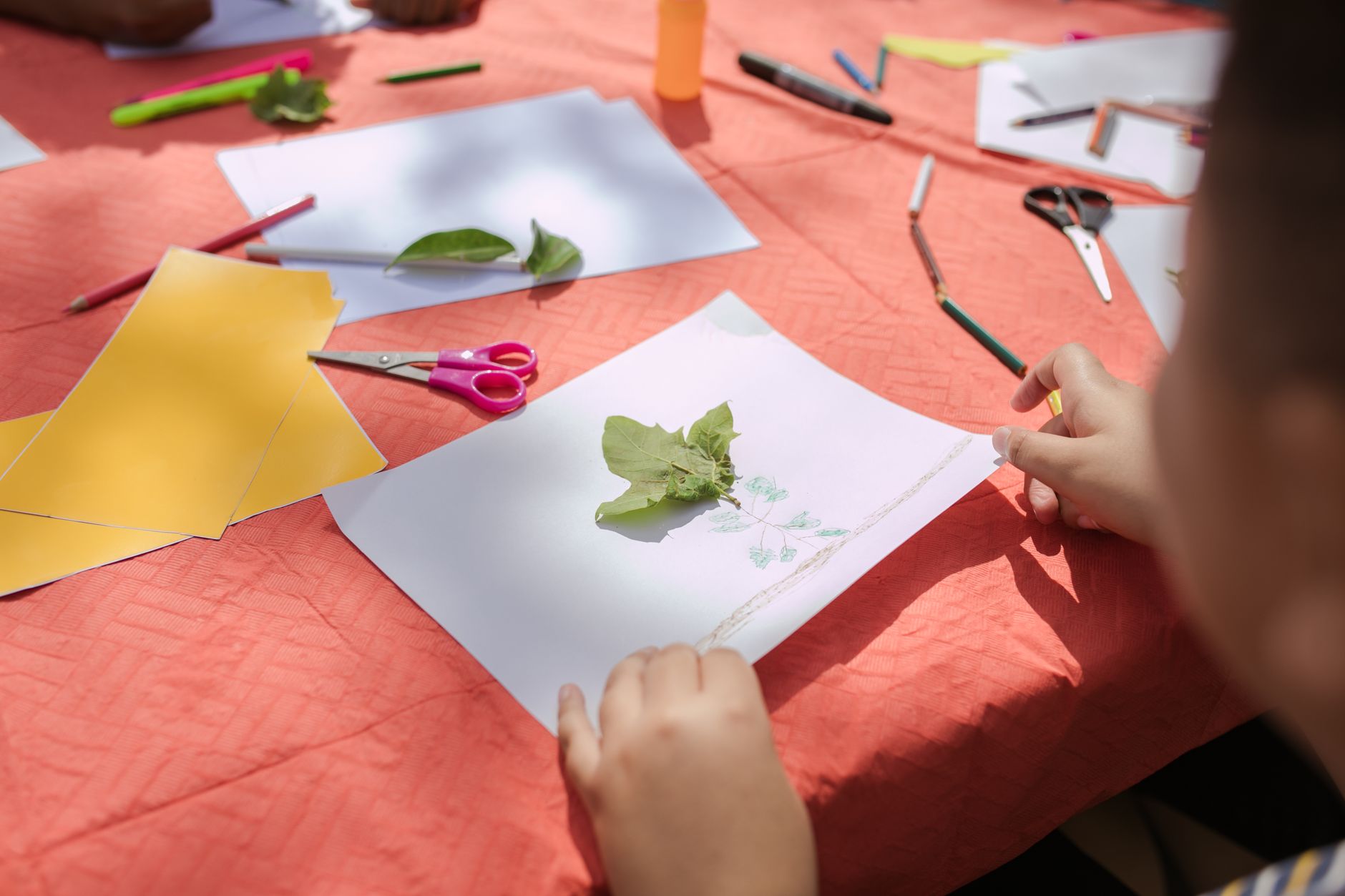
Explore Diverse Types of Craft Hobbies for Creative Joy
Unleash your inner artist and discover the perfect craft hobby to ignite your passion and bring joy.
Find Your CraftKey Takeaways
- ✓ Craft hobbies offer significant mental health benefits, including stress reduction and improved focus.
- ✓ There's a craft for every skill level, from beginner-friendly projects to advanced artisanal techniques.
- ✓ Many craft hobbies can be started with minimal investment, using household items or inexpensive materials.
- ✓ Engaging in crafts can foster community, allowing you to connect with like-minded individuals.
How It Works
Consider what kind of creative expression appeals to you. Do you enjoy working with textiles, paper, or natural elements? Your personal preferences are the best starting point.
Dive into different craft categories. Look at examples, watch videos, and read about various techniques to get a feel for what each hobby entails.
Start with essential, affordable tools and materials for your chosen craft. You don't need to invest heavily upfront; many crafts offer beginner kits.
Begin with simple projects and allow yourself to learn and experiment. The most important step is to embrace the process and find joy in your creative journey.
Textile and Fiber Arts: Weaving Your Creative Path
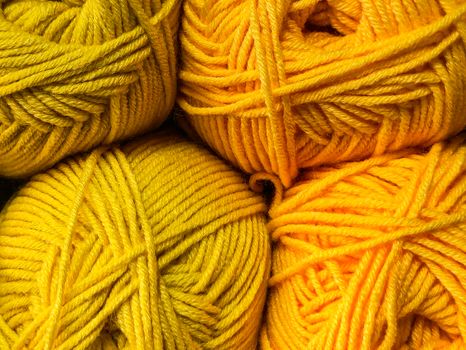 Photo: Johann Van der Linde / Pexels
Paper Crafts: Folding, Cutting, and Creating Wonders
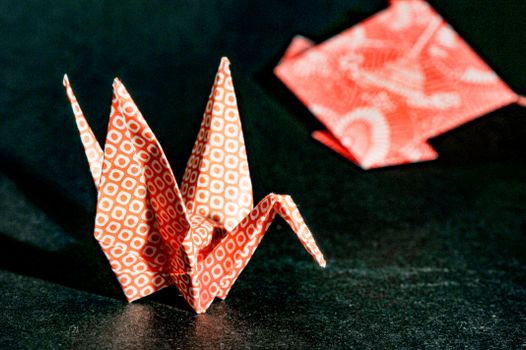 Photo: Saeed Khokhar / Pexels
Fine Arts and Decorative Crafts: Expressing Your Inner Artist
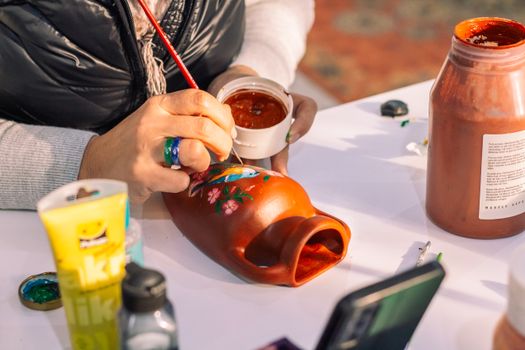 Photo: Sedanur Kunuk / Pexels
Practical & Sustainable Crafts: Crafting for Home and Planet
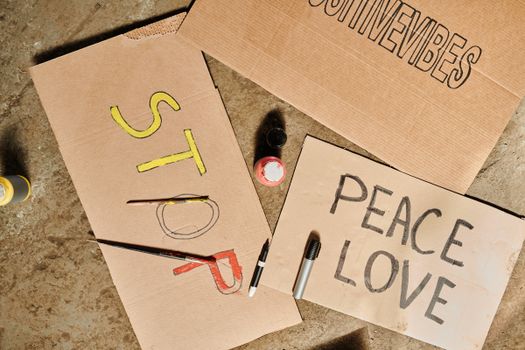 Photo: Mikael Blomkvist / Pexels
Comparison
| Feature | Knitting/Crochet | Origami | Pottery | Jewelry Making |
|---|---|---|---|---|
| Initial Cost | Low (yarn, needles) | Very Low (paper) | Moderate (clay, tools, firing) | Low to Moderate (beads, wire) |
| Skill Curve | Gentle start, high ceiling | Gentle start, high ceiling | Moderate, requires practice | Gentle start, high ceiling |
| Mess Level | Low | Very Low | High (clay dust, water) | Low to Moderate (small pieces) |
| Space Required | Small (couch/chair) | Small (tabletop) | Dedicated workspace/studio access | Small (tabletop) |
| Product Type | Wearables, decor | Decorative, sculptural | Functional, decorative | Wearable art |
| Relaxation Potential | ✓ | ✓ | ✓ | ✓ |
| Social Aspect | High (groups, classes) | Low (solo focus) | Medium (classes) | Medium (classes, markets) |
What Readers Say
"Exploring different types of craft hobbies has been a game-changer for my stress levels. I started with knitting, then tried watercolor, and now I'm hooked on making my own candles. Each craft offers a unique escape and a wonderful sense of accomplishment."
Sarah J. · Austin, TX"I never thought I was a 'crafty' person until I delved into woodworking. This article helped me realize the vast array of options. Now I spend my weekends building small furniture pieces, and it's incredibly rewarding."
Mark D. · Seattle, WA"My therapist recommended picking up a craft, and this guide to types of craft hobbies was perfect. I chose embroidery, and after just a few weeks, I completed a beautiful piece for my living room. It's done wonders for my anxiety."
Emily R. · Denver, CO"The information on sustainable crafts was particularly inspiring. I've started upcycling old glass bottles into decorative vases, and while it takes some effort, the environmental benefit and unique results are definitely worth it."
David L. · Boston, MA"As a busy professional, I needed a way to unwind. Discovering the different types of craft hobbies, especially paper crafts like origami, has given me a creative outlet that's easy to pick up and put down, fitting perfectly into my schedule."
Jessica M. · Miami, FLFrequently Asked Questions
What are the most beginner-friendly types of craft hobbies?
Many crafts are excellent for beginners! Consider knitting or crocheting with chunky yarn, simple paper crafts like origami or card making, basic painting with acrylics, or introductory beadwork. These often require minimal tools and offer quick, satisfying results to build confidence.
Do I need a lot of space or expensive tools to start a craft hobby?
Absolutely not! Many crafts, such as knitting, embroidery, or paper crafts, can be done with a small setup on a tabletop or even on your lap. While some crafts like pottery may require more specialized equipment or studio access, there are countless options that are affordable and space-efficient to start.
How can I choose the right craft hobby for me?
Start by reflecting on your interests: Do you prefer working with textiles, paper, or natural materials? Do you enjoy intricate details or broad strokes? Consider your desired outcome – functional items, decorative pieces, or stress relief. Experiment with a few low-cost options or beginner kits to see what truly sparks your joy.
Are craft hobbies good for mental health?
Yes, engaging in craft hobbies offers significant mental health benefits. The repetitive motions in crafts like knitting or pottery can be meditative, reducing stress and anxiety. They provide a sense of accomplishment, boost self-esteem, and can improve focus and problem-solving skills, acting as a wonderful form of self-care.
How do craft hobbies compare to digital hobbies?
While digital hobbies offer their own benefits, craft hobbies provide a unique tactile and sensory experience. They engage different parts of the brain, reduce screen time, and result in tangible, often handmade items. The hands-on nature of crafting can be deeply grounding and offer a refreshing break from the digital world.
Who should consider taking up a craft hobby?
Anyone looking for a creative outlet, a way to relax and de-stress, or a means to express their individuality should consider a craft hobby. They are suitable for all ages and skill levels, offering a fulfilling path for personal growth, learning new skills, and connecting with a community.
What are the safety considerations for different types of craft hobbies?
Safety varies by craft. For example, woodworking requires careful use of sharp tools and eye protection. Pottery involves working with kilns at high temperatures. Always read instructions, use appropriate safety gear, and ensure good ventilation when working with paints, glues, or chemicals. Children should always be supervised.
What are the emerging trends in craft hobbies?
Sustainable crafting, including upcycling and natural dyeing, is a growing trend. Digital crafting tools like Cricut machines for paper and vinyl, and 3D printing for various materials, are also becoming more accessible. Additionally, traditional crafts like visible mending and slow stitching are experiencing a resurgence as people seek mindful, handmade practices.
Ready to unlock your creative potential and discover a world of hands-on satisfaction? Explore the diverse types of craft hobbies mentioned here and embark on a fulfilling journey of artistic expression and personal growth today!