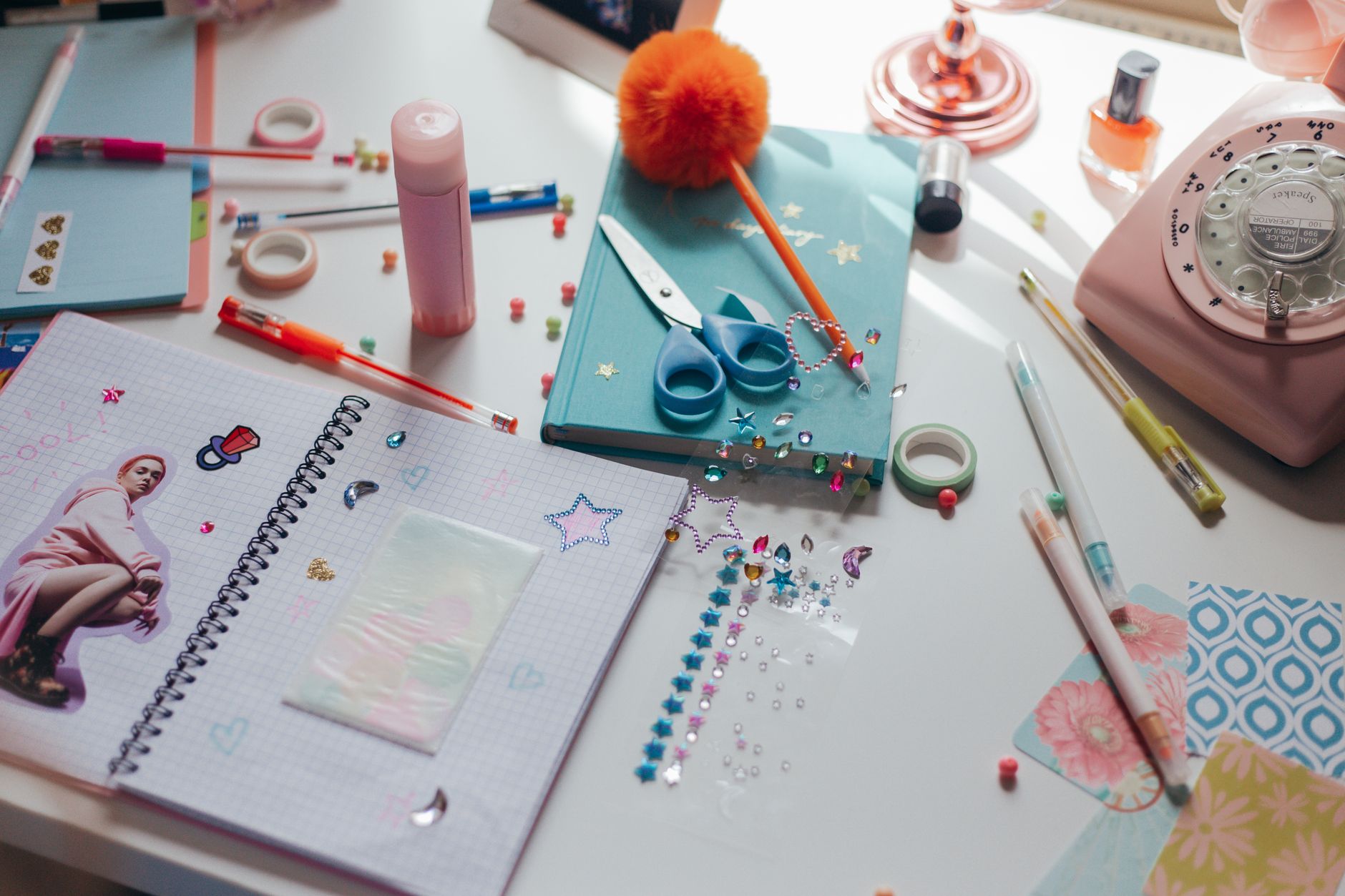
Essential Craft Tools and Equipment for Every Creator
craft tools and equipment

Essential Craft Tools and Equipment for Every Creator

Unlock your creative potential with the right tools and equipment, transforming your ideas into tangible masterpieces.

Start Crafting Now

Key Takeaways

  • ✓ The right tools enhance precision and efficiency in crafting.
  • ✓ Investing in quality equipment can save time and reduce frustration.
  • ✓ Versatile tools offer greater value for diverse crafting projects.
  • ✓ Proper storage and maintenance extend the lifespan of your craft tools.

How It Works

1
Identify Your Craft

Determine the specific craft or crafts you're passionate about. This helps narrow down the vast array of available tools and focus on what's truly essential for your chosen medium.

2
Research Essential Tools

Once your craft is identified, research the fundamental tools and equipment required. Look for beginner-friendly recommendations and understand their primary functions.

3
Invest in Quality Basics

Start with high-quality, versatile basic tools that can be used across multiple projects. Prioritize durability and ergonomic design for comfort during extended crafting sessions.

4
Organize and Maintain

Establish a system for organizing your tools and equipment, ensuring easy access and proper storage. Regular cleaning and maintenance will prolong their usability and performance.

Foundational Craft Tools for Every Beginner
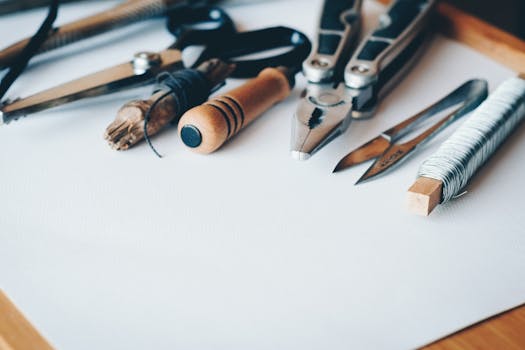
A selection of artisan tools and handmade crafts displayed on a white desk, perfect for creative projects. Photo: Pixabay / Pexels
Embarking on a creative journey, whether it's papercraft, jewelry making, or textile art, requires a foundational set of craft tools and equipment. For beginners, the sheer volume of options can be overwhelming, leading to confusion about what's truly necessary versus what's merely a 'nice-to-have.' The key is to start with versatile, multi-purpose tools that will serve you well across various projects and allow you to explore different facets of crafting without over-investing initially. At the very core, a good pair of sharp scissors is non-negotiable. Not just any scissors, but a dedicated pair for crafting that you reserve solely for fabric, paper, or whatever your primary material is. This prevents dulling from misuse and ensures clean, precise cuts. Alongside scissors, a craft knife or utility knife with a self-healing cutting mat is invaluable. This combination provides unparalleled precision for intricate cuts, scoring, and trimming, making it a cornerstone for many paper, stencil, and model-making projects. The self-healing mat protects your work surface and extends the life of your blades. Adhesives are another fundamental category. A quality craft glue that dries clear and strong is essential. Depending on your material, this could be a white PVA glue for paper and fabric, or a more specialized adhesive like E6000 for tougher bonds or jewelry components. Double-sided tape and glue dots also offer clean, instant adhesion for specific applications. Measuring and marking tools are critical for accuracy. A ruler, preferably a metal one with clear markings for durability, is a must-have. Add a flexible tape measure for curved surfaces, and a pencil or fabric marker for marking cutting lines or design elements. For those venturing into sewing or embroidery, a thimble, seam ripper, and a selection of hand-sewing needles will quickly become indispensable. These basic items form the backbone of a functional craft kit, allowing you to tackle a wide range of projects with confidence. As you gain experience, you'll naturally discover more specialized tools that align with your evolving interests. Investing in these core items sets a strong foundation for any crafting pursuit, enabling you to bring your creative visions to life with precision and ease. Remember, quality over quantity is often the best approach when building your initial collection of craft tools. These initial investments will pay dividends in the long run, providing reliable performance and consistent results for countless projects.

Specialized Craft Tools for Advanced Techniques
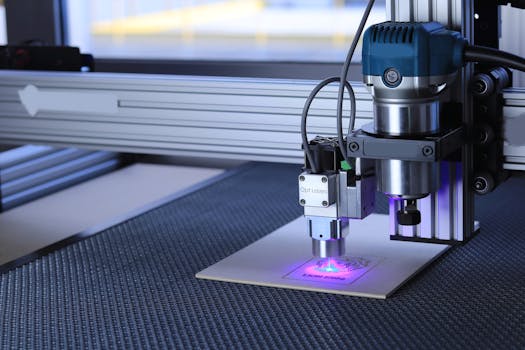
Close-up of a laser cutting machine engraving a design on metal using advanced technology. Photo: Opt Lasers from Poland / Pexels
As your crafting skills develop and your interests become more focused, you'll find yourself reaching for specialized craft tools and equipment designed to tackle advanced techniques and produce professional-quality results. These tools often represent a significant leap in precision, efficiency, or capability compared to their foundational counterparts. Understanding when and why to invest in these specialized items can truly elevate your craft. For those delving deeper into papercraft, a die-cutting machine (manual or electronic) becomes a game-changer. These machines can cut intricate shapes, letters, and designs with incredible accuracy from various materials, far surpassing what can be achieved by hand. Paired with a vast library of dies or digital designs, they open up endless possibilities for card making, scrapbooking, and home decor. Similarly, for textile artists, a sewing machine transitions from a luxury to a necessity, offering speed and consistency for garments, quilts, and larger fabric projects. Sergers, or overlock machines, take this a step further, providing professional finished seams. Jewelry makers will often graduate from basic pliers to specialized sets, including round-nose, flat-nose, and chain-nose pliers, along with wire cutters and crimping tools. A jeweler's saw for intricate metalwork or a rotary tool for drilling and polishing tiny components are also crucial. For woodworkers or those working with tougher materials, a Dremel or similar rotary tool with various attachments can be incredibly versatile for sanding, engraving, grinding, and polishing. Glass artists might invest in glass cutters, grinding machines, and even kilns for fusing or slumping. Crafters working with vinyl or heat transfer materials will find a heat press invaluable for achieving durable, professional applications on apparel and other items, offering superior results to a household iron. Even seemingly simple crafts like painting can benefit from specialized brushes, palette knives, airbrushes for smooth gradients, or easels for a comfortable working posture. The decision to acquire specialized craft tools and equipment should be driven by the demands of your chosen techniques and your desire to refine your output. While they often require a larger initial investment, their ability to perform complex tasks with greater ease and precision makes them indispensable for dedicated crafters seeking to push the boundaries of their creativity. Always research the specific features and capabilities of specialized tools to ensure they align with your artistic goals and the quality you aim to achieve.

Organizing and Maintaining Your Craft Tools and Equipment
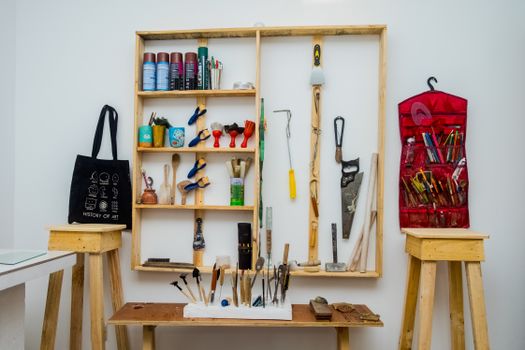
A neatly organized workshop with tools, craft supplies, and creative essentials on display. Photo: Ssayeed Bin Mohiuddin / Pexels
The longevity and performance of your craft tools and equipment depend heavily on proper organization and diligent maintenance. A well-organized workspace not only enhances efficiency, allowing you to quickly locate what you need, but also prevents damage, loss, and wear-and-tear. Conversely, neglected tools can become dull, rusty, or even unsafe, hindering your creative flow and potentially leading to costly replacements. Effective organization begins with categorization. Group similar tools together: all cutting tools in one area, measuring tools in another, and adhesives stored separately. Solutions range from simple drawer organizers and plastic containers to more elaborate systems like pegboards, tool carts, or dedicated craft storage furniture. Clear bins are excellent for seeing contents at a glance, while labeled drawers or boxes prevent rummaging. For smaller items like beads, buttons, or jewelry findings, multi-compartment organizers are indispensable. Consider vertical storage solutions like wall-mounted shelves or caddies to maximize space, especially in smaller craft areas. A designated space for each tool ensures it's returned to its proper home after use, minimizing clutter and lost items. Maintenance is equally crucial. For cutting tools like scissors and craft knives, keeping blades sharp is paramount. Invest in a good quality sharpener or learn how to properly sharpen your tools. Replace dull blades on craft knives regularly, as a dull blade is more dangerous and less effective. Clean tools after each use to remove residue like glue, paint, or fabric fibers. A simple wipe-down with a damp cloth or appropriate cleaner can prevent buildup and corrosion. For metal tools, especially those used with water-based materials, ensuring they are thoroughly dry before storage can prevent rust. A light application of mineral oil can also protect metal surfaces. Electronic equipment, such as die-cutting machines or sewing machines, requires specific care as outlined in their user manuals. This often includes regular cleaning of internal components, lubrication, and sometimes professional servicing. Store delicate tools in protective cases or soft cloths to prevent nicks and scratches. Keep glues and paints tightly sealed to prevent drying out. By making organization and maintenance a regular part of your crafting routine, you not only preserve your valuable craft tools but also ensure they are always ready for your next creative endeavor, ultimately enhancing your crafting experience and the quality of your finished projects.

Smart Tips for Building Your Craft Tool Collection

A neatly organized workshop with tools, craft supplies, and creative essentials on display. Photo: Ssayeed Bin Mohiuddin / Pexels
Building a comprehensive and effective collection of craft tools and equipment is an ongoing process that evolves with your skills and interests. It's not about acquiring every gadget on the market, but rather strategically investing in items that genuinely enhance your creative process. Here are some smart tips to guide you: * **Start Small, Expand Gradually:** Resist the urge to buy everything at once. Begin with the absolute essentials for your chosen craft. As you work on projects, you'll naturally identify gaps in your toolkit and realize which specialized items would genuinely benefit your work. This organic approach prevents wasted money on tools you rarely use. * **Prioritize Quality Over Quantity:** A few high-quality tools will outperform a dozen cheap ones. Quality tools are more durable, perform better, and often have ergonomic designs that reduce strain during long crafting sessions. While the upfront cost might be higher, they offer better value in the long run. * **Read Reviews and Seek Recommendations:** Before making a significant purchase, especially for specialized equipment, research thoroughly. Read online reviews from other crafters and seek recommendations from experienced artisans in your niche. Their insights can save you from poor choices and highlight hidden gems. * **Consider Multi-Purpose Tools:** Some tools are incredibly versatile and can be adapted for various crafts. For example, a good rotary tool with different attachments can be used for sanding, engraving, drilling, and polishing across multiple materials. Look for these multi-functional items to maximize your investment. * **Attend Workshops and Classes:** Participating in craft workshops is an excellent way to try out various tools and equipment before committing to a purchase. You get hands-on experience and often benefit from expert guidance on what tools are best for specific techniques. * **Budget Wisely:** Crafting can be an expensive hobby, but it doesn't have to be. Set a budget for your tool purchases and stick to it. Look for sales, second-hand options, or consider borrowing specialized equipment for a one-off project before buying. * **Don't Forget Safety Gear:** Always include safety equipment in your tool collection. This might include safety glasses for cutting or drilling, gloves for handling adhesives or chemicals, and good ventilation for fumes. Your well-being is paramount. By following these tips, you can build a thoughtful and efficient collection of craft tools and equipment that supports your creative journey without unnecessary expense or clutter.

Comparison

FeatureBest Option (Versatile)Alternative 1 (Budget)Alternative 2 (Specialized)
Cutting PrecisionElectronic Die-CutterCraft Knife & MatJeweler's Saw
Material RangeRotary Tool with AttachmentsScissors & PliersLaser Cutter
Ease of Use
Cost InvestmentMedium-HighLowHigh

What Readers Say

"This guide completely transformed my craft room! I used to buy random craft tools and equipment, but now I have a clear strategy. My projects are more precise, and I'm wasting less money."

Sarah J. · Austin, TX

"As a beginner, I was overwhelmed. This article broke down the essential craft tools and equipment perfectly. I feel much more confident in building my collection now."

Mark D. · Portland, OR

"The tips on organizing and maintaining craft tools and equipment were a lifesaver. My workspace is finally tidy, and my tools last much longer. Highly recommend!"

Emily R. · Miami, FL

"Very comprehensive! While some of the specialized craft tools and equipment felt a bit advanced for my current level, the foundational advice was incredibly helpful. A great resource for any crafter."

David L. · Chicago, IL

"I used the comparison table to decide on my next major purchase, and it was spot on. This resource for craft tools and equipment is truly reader-first and extremely valuable."

Jessica T. · Denver, CO

Frequently Asked Questions

What are the absolute must-have craft tools and equipment for a complete beginner?

For a complete beginner, the absolute must-haves include a good pair of sharp craft scissors, a craft knife with a self-healing cutting mat, a versatile craft glue, a metal ruler, and a pencil or marking tool. These items provide a solid foundation for most basic crafting projects and allow for exploration across various mediums.

Is it better to buy cheap craft tools and equipment initially or invest in quality from the start?

While it might be tempting to start with cheaper options, investing in quality craft tools and equipment from the start is generally more cost-effective in the long run. Quality tools are more durable, perform better, and are less likely to break, saving you money and frustration on replacements.

How do I properly clean and maintain my craft tools to ensure their longevity?

To clean and maintain your craft tools, always wipe them down after each use to remove residue. Keep cutting blades sharp by using a sharpener or replacing dull blades. For metal tools, ensure they are dry before storage to prevent rust, and consider a light coat of mineral oil. Store tools properly in organizers to prevent damage and loss.

What's the average cost to set up a basic craft workspace with essential tools?

The average cost to set up a basic craft workspace with essential craft tools and equipment can range from $50 to $200, depending on the specific items and brands chosen. This estimate typically covers quality scissors, a cutting mat and knife, basic adhesives, and measuring tools. Specialized tools would significantly increase this cost.

How do electronic die-cutting machines compare to manual ones for craft projects?

Electronic die-cutting machines offer greater versatility and precision, allowing you to cut intricate designs from digital files across a wider range of materials, often with less effort. Manual machines are typically more affordable and portable, relying on physical dies and hand-cranking, making them good for simpler, repetitive cuts.

Who should prioritize investing in specialized craft tools and equipment?

Crafters who are deeply committed to a particular niche (e.g., advanced jewelry making, intricate quilting, professional papercraft) and want to achieve professional-level results, increase efficiency, or explore complex techniques should prioritize investing in specialized craft tools and equipment. Beginners should stick to foundational tools first.

Are there any safety risks associated with common craft tools and equipment?

Yes, common craft tools and equipment can pose safety risks if not used properly. Sharp objects like craft knives and scissors can cause cuts. Heat guns or soldering irons can cause burns. Adhesives and paints may contain fumes requiring ventilation. Always read instructions, use safety gear like glasses, and work in a well-ventilated area.

What future trends might impact the selection of craft tools and equipment?

Future trends impacting craft tools and equipment include increased integration of smart technology (e.g., AI-powered design software, smart cutting machines), greater emphasis on sustainable and eco-friendly materials and tools, and further advancements in 3D printing and laser cutting becoming more accessible for home crafters. Personalization and customization will continue to drive innovation.

Ready to transform your creative ideas into stunning realities? Explore our comprehensive guides and start building your ultimate collection of craft tools and equipment today. Unleash your inner artist and make every project a masterpiece!

Topics: craft tools and equipmentcraft suppliesartistic toolsdiy craft gearcreative workshop essentials
Leo List
Brampton weed
Adultwork EstrelaBet Vai de Bet R7 Bet Betão Galera Bet Rainbet Bet9ja Shop SportyBet BetKing Sisal Loto Foot Hollywoodbets YesPlay Odibets RushBet Jugabet BetWarrior BetCity MSport betPawa Fortebet