Unleash Creativity: Easy Craft Projects for Seniors
August 19, 2026 17 min read 3,378 words
Engage in fulfilling, simple crafts that boost mood, sharpen minds, and connect you with others.
Start Crafting Today!
The Therapeutic Power of Crafting for Seniors' Well-being
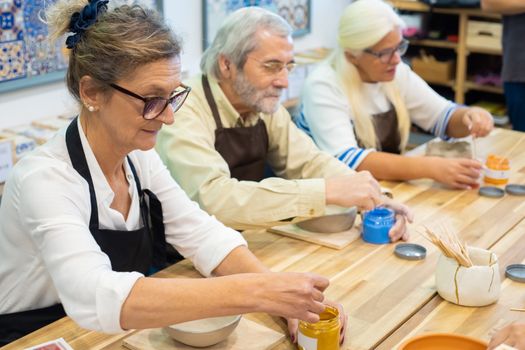 Photo: Kampus Production / Pexels
As we age, maintaining mental acuity, physical dexterity, and emotional well-being becomes increasingly important. Engaging in hobbies that stimulate these areas is not just enjoyable, but genuinely beneficial. Easy craft projects for seniors offer a multifaceted approach to holistic health, providing a rich tapestry of therapeutic advantages that extend far beyond simply passing the time. At its core, crafting is a purposeful activity. It involves setting a goal – whether it's creating a simple painted rock or assembling a decorative wreath – and working towards its completion. This sense of purpose can be incredibly empowering, especially for seniors who may experience shifts in their daily routines or roles. The act of creation fosters a feeling of accomplishment, which is a powerful antidote to feelings of boredom or disengagement. Beyond purpose, the physical act of crafting engages fine motor skills. Activities like cutting, gluing, painting, knitting, or even simply arranging items, require precise hand movements and coordination. These seemingly small actions help to maintain dexterity in fingers and hands, which can sometimes diminish with age. Regular engagement in these tasks can help to slow down the progression of conditions like arthritis by keeping joints flexible and muscles active. It also enhances hand-eye coordination, a crucial skill for everyday tasks and overall safety.
Cognitively, crafting is a workout for the brain. Following instructions, choosing colors, planning a design, and problem-solving when an unexpected challenge arises – these are all cognitive functions that are actively stimulated during a craft project. This mental engagement can help to keep the mind sharp, improve memory, and even potentially reduce the risk of cognitive decline. It encourages focus and concentration, diverting attention from worries or anxieties, and fostering a state of mindful engagement. The creative aspect of crafting also allows for self-expression, providing an outlet for emotions and thoughts that might otherwise remain unarticulated. There's no right or wrong way to be creative, which makes it an incredibly freeing activity. This freedom can be particularly liberating for seniors who might feel constrained by physical limitations or societal expectations. The joy of bringing a unique vision to life, however simple, is a profound source of satisfaction and can significantly boost self-esteem. Finally, crafting can be a wonderful social activity. Group crafting sessions, whether in senior centers, community groups, or even with family and friends, provide opportunities for connection, conversation, and shared laughter. This social interaction is vital for combating loneliness and isolation, common issues among older adults. Sharing tips, admiring each other's work, and collaborating on projects fosters a sense of community and belonging. The shared experience can strengthen bonds and create lasting memories. Moreover, crafts can serve as a bridge between generations. Grandparents can teach grandchildren simple crafts, creating cherished moments and passing down skills. For more ideas on engaging activities, explore resources on
craft activities for seniors. The therapeutic benefits of easy craft projects for seniors are undeniable, offering a pathway to improved physical health, cognitive vitality, emotional well-being, and social connection. It's an investment in a richer, more vibrant life.
Accessible & Engaging Craft Ideas for Every Senior
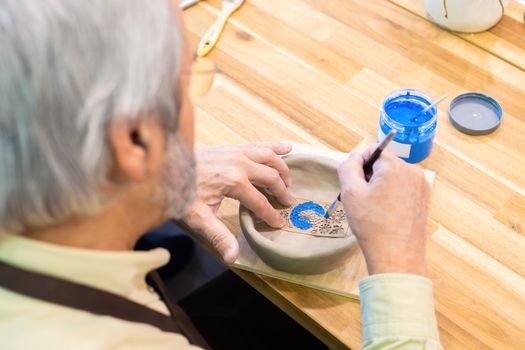 Photo: Kampus Production / Pexels
Finding the right craft project means considering individual abilities, interests, and potential physical limitations. The beauty of easy craft projects for seniors lies in their adaptability. There's truly something for everyone, regardless of dexterity, vision, or prior crafting experience. The key is to select projects that are enjoyable, manageable, and offer a sense of accomplishment without undue frustration. Let's explore a range of accessible and engaging options.
**No-Sew Fabric Projects:** These are fantastic for seniors with limited fine motor skills or those who find needles and thread challenging. Consider fleece tie blankets, where pre-cut fleece strips are simply tied together to create a warm, cozy blanket. Another option is creating no-sew fabric collages or wall hangings using fabric scraps, fabric glue, and a base material like felt or cardboard. These projects allow for creative expression through color and texture without the precision required for sewing. Fabric painting, using stencils or freehand designs on tote bags or plain t-shirts, also falls into this accessible category, offering a chance to personalize everyday items.
**Paper Crafts with Minimal Cutting:** While intricate origami might be too challenging, many paper crafts are perfect. Simple greeting card making, using pre-cut cards, stickers, stamps, and decorative papers, allows for personal touches. Decoupage, where paper cutouts (from magazines, napkins, or specialty paper) are glued onto objects like boxes, frames, or vases and then sealed, is another excellent choice. The cutting can be simplified by using larger shapes or pre-punched designs. Paper bead making, using strips of paper rolled around a skewer and glued, then varnished, creates beautiful, lightweight beads for necklaces or bracelets. This activity is repetitive and meditative, ideal for sustained engagement.
**Painting and Coloring:** These are classic, universally appealing activities. Adult coloring books, with their intricate designs, can be incredibly therapeutic and mentally stimulating. For those who prefer more freeform expression, watercolor painting or acrylics on small canvases or rocks offer a wonderful outlet. Rock painting, in particular, has become popular, as it requires minimal supplies and creates charming, shareable art. Using larger brushes or sponge applicators can accommodate varying dexterity levels. Finger painting, often associated with childhood, can be a wonderfully tactile and liberating experience for seniors, especially those with cognitive impairments, as it focuses on sensory engagement rather than precision.
**Nature-Inspired Crafts:** Bringing the outdoors in can be incredibly calming and inspiring. Creating pressed flower art by arranging dried flowers and leaves on paper and framing them is a gentle, beautiful activity. Pinecone decorating, using paint, glitter, or small embellishments, can result in lovely seasonal decorations. Making bird feeders from pinecones covered in peanut butter and birdseed or from recycled plastic bottles is a rewarding project that also benefits local wildlife. These crafts often involve collecting natural elements, which can be a pleasant activity in itself, encouraging light outdoor movement.
**Simple Jewelry Making:** Focusing on larger beads and elastic cord can make jewelry making very accessible. Creating stretchy bracelets or necklaces using chunky beads, wooden beads, or even painted pasta (sealed to prevent chipping) allows for personalized accessories. The act of stringing beads improves hand-eye coordination and concentration. For those with slightly better dexterity, simple charm bracelets or keychains using jump rings and pliers can be introduced, but always prioritize ease of manipulation. These projects are not only fun to make but also result in wearable items or thoughtful gifts, adding to the sense of purpose and achievement. These diverse options ensure that every senior can find an easy craft project that resonates with their interests and abilities, fostering creativity and well-being.
Essential Supplies & Setting Up a Senior-Friendly Craft Space
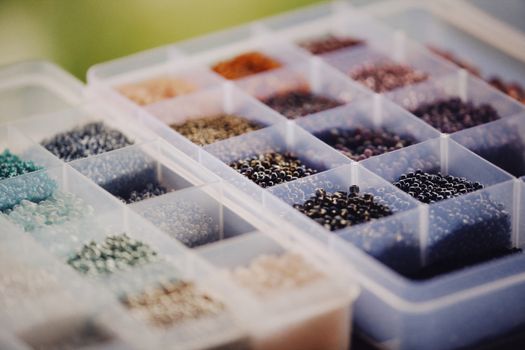 Photo: Alexey Demidov / Pexels
Creating a conducive and safe environment is just as important as choosing the right easy craft projects for seniors. A well-organized, accessible craft space can transform a potentially frustrating experience into a joyful and rewarding one. The key is simplicity, safety, and functionality, ensuring that all materials are within easy reach and the area is comfortable for extended periods of creative engagement. First, let's consider the essential supplies. The beauty of senior-friendly crafts often lies in their minimal and inexpensive material requirements. Stocking up on a few versatile basics will allow for a wide range of projects.
**Basic Craft Supplies Checklist:**
* **Adhesives:** Non-toxic craft glue (e.g., Elmer's Glue All, Mod Podge for decoupage), glue sticks, and perhaps a low-temperature glue gun (with supervision if needed, or choose a battery-operated one for extra safety). Ensure glues are easy to open and apply.
* **Cutting Tools:** Safety scissors with comfortable grips, possibly spring-loaded for easier use. A paper cutter can be helpful for straight lines, but ensure it has a safety guard. For fabric, consider rotary cutters if dexterity allows, paired with a self-healing mat.
* **Paper & Cardstock:** A variety of colors and weights. Construction paper, cardstock for greeting cards, and patterned scrapbook paper are good starting points.
* **Coloring & Painting:** Large crayons, chunky markers, colored pencils, watercolor paint sets, and acrylic paints. Include various brush sizes, from broad to fine, and sponges for different effects.
* **Embellishments:** Buttons (larger sizes are easier to handle), beads (chunky ones are best), glitter glue (less messy than loose glitter), stickers, sequins, and yarn or ribbon scraps.
* **Recycled Materials:** Don't underestimate the power of everyday items! Toilet paper rolls, plastic bottles, old magazines, fabric scraps, and cardboard boxes can be transformed into amazing creations.
* **Protective Gear:** Aprons or old shirts to protect clothing, and disposable gloves for messy projects.
Now, let's move on to setting up the craft space. An ideal crafting area should be well-lit, clutter-free, and comfortable.
**Key Elements of a Senior-Friendly Craft Space:**
* **Lighting:** Excellent, glare-free lighting is paramount. Natural light is ideal, but supplement with task lighting, such as a flexible desk lamp with a daylight bulb. Ensure there are no shadows that could obscure details or cause eye strain.
* **Table and Seating:** A sturdy table at an appropriate height is crucial. It should be large enough to spread out materials without feeling cramped. Pair it with a comfortable chair that offers good back support, preferably one with armrests to aid in sitting and standing. Adjustable height chairs can be beneficial.
* **Organization:** Keep supplies organized in clear containers, labeled bins, or open shelves. This allows for easy visibility and access, reducing the need to search for items. Trays with compartments are great for beads or small embellishments. Store frequently used items within arm's reach.
* **Accessibility:** Ensure all necessary tools and materials are easy to reach without excessive stretching or bending. Consider a rolling cart for supplies if the senior has mobility issues. Pathways to and from the craft area should be clear of obstacles.
* **Safety First:** All tools should be appropriate for the senior's dexterity. Avoid sharp objects if there's a risk of injury. Ensure glues and paints are non-toxic. If using a hot glue gun, opt for a low-temp version and supervise as needed. Keep a small waste bin nearby for easy cleanup.
* **Comfort & Atmosphere:** Play calming music, ensure the room temperature is comfortable, and perhaps diffuse some essential oils like lavender for a relaxing ambiance. The goal is to create a space where the senior feels relaxed, inspired, and safe.
By carefully selecting supplies and thoughtfully arranging the craft space, you can create an inviting and functional environment that encourages seniors to explore their creativity and enjoy the many benefits of crafting. Remember, the focus is on ease, enjoyment, and fostering a sense of accomplishment, making
crafts accessible to all skill levels.
Tips for Maximizing Enjoyment & Overcoming Crafting Challenges
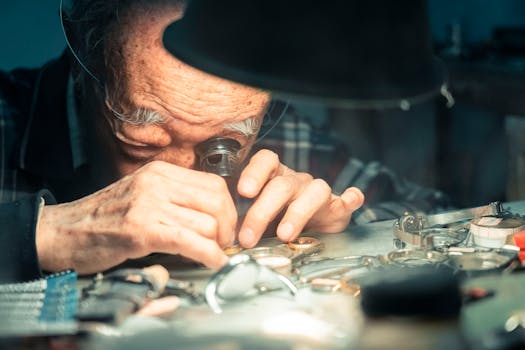 Photo: Jimmy Liao / Pexels
Engaging in easy craft projects for seniors should be a source of joy and relaxation, not frustration. While the goal is accessibility, certain challenges can arise, from difficulty with small details to maintaining focus. By implementing a few thoughtful strategies, caregivers, family members, and seniors themselves can maximize the enjoyment and successfully navigate any hurdles, ensuring a positive and enriching crafting experience.
**Tips for Maximizing Enjoyment:**
* **Start Simple and Build Up:** Don't begin with an overly ambitious project. Success with simple tasks builds confidence and enthusiasm. As skills improve, gradually introduce more complex crafts. The sense of achievement from completing a simple project is a powerful motivator.
* **Personalize Projects:** Encourage seniors to infuse their personality into their creations. Whether it's choosing favorite colors, adding personal photos to a collage, or decorating an item with symbols that hold meaning, personalization increases engagement and makes the finished product more cherished. This fosters a deeper connection to the activity.
* **Focus on the Process, Not Perfection:** Emphasize that crafting is about the journey and the creative expression, not about achieving a flawless result. Mistakes can be seen as unique artistic choices. This mindset reduces pressure and allows for more authentic enjoyment. Celebrate every step of the creation process.
* **Incorporate Music or Audiobooks:** Playing gentle background music or listening to an audiobook can enhance the crafting experience, making it more relaxing and enjoyable. This can also help to mask distracting noises and create a more focused atmosphere.
* **Display or Gift Creations:** Seeing their finished work displayed proudly or gifting it to a loved one provides immense satisfaction and reinforces the value of their efforts. This positive reinforcement encourages continued participation and a sense of purpose.
* **Take Frequent Breaks:** Crafting, even easy projects, can be tiring. Encourage regular breaks to stretch, rest eyes, and prevent fatigue. This helps maintain focus and prevents burnout, ensuring the activity remains pleasurable.
**Overcoming Common Crafting Challenges:**
* **Dexterity Issues:** For shaky hands or limited fine motor control, opt for larger tools and materials. Choose chunky beads, large buttons, foam stickers, and broad-tipped markers. Use adaptive scissors (loop-handled or spring-loaded) or electric scissors. Pre-cut materials can also be a game-changer, eliminating the most challenging part of many projects.
* **Vision Impairment:** Ensure ample, bright, glare-free lighting. Use magnifiers or magnifying lamps. Choose projects with high contrast colors and larger components. Outline designs with raised glue or fabric paint to provide tactile guides. For painting, use larger canvases or rocks and bold colors. Avoid intricate details that require precise vision.
* **Cognitive Challenges (e.g., Dementia):** Simplify projects into single, manageable steps. Provide clear, concise verbal instructions alongside visual demonstrations. Focus on sensory engagement – textures, colors, and smells. Repetitive tasks like sorting beads, tearing paper, or simple coloring can be very soothing and engaging. Avoid projects with multiple steps or complex decision-making. Break tasks down into micro-steps, offering one item at a time.
* **Lack of Motivation or Interest:** Offer a variety of project choices, allowing the senior to pick what appeals to them. Connect crafts to their past interests or memories (e.g., making a scrapbook with old photos, knitting if they used to knit). Start with very quick, satisfying projects that yield immediate results. Frame crafting as a fun, social activity rather than a task.
* **Fatigue or Short Attention Span:** Keep sessions short and flexible. Have multiple projects on hand so they can switch if one becomes tiresome. Focus on projects that can be easily picked up and put down without losing continuity.
By anticipating these challenges and applying these practical tips, easy craft projects for seniors can consistently be a source of relaxation, creativity, and profound satisfaction, contributing significantly to their overall quality of life.
