Easy Craft Ideas for Beginners: Your Creative Journey Starts Here
August 21, 2026 16 min read 3,160 words
Unlock your inner artist with accessible and rewarding craft projects, perfect for anyone just starting out.
Start Crafting Now!
Unlocking Your Creativity: Why Crafting for Beginners is Essential
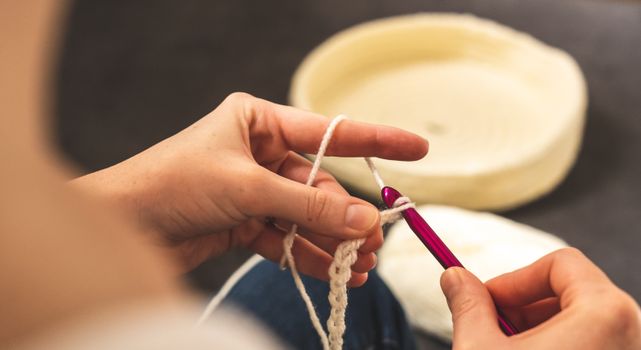 Photo: Castorly Stock / Pexels
Embarking on a crafting journey, especially with craft ideas for beginners, is more than just a hobby; it's a pathway to self-discovery, stress relief, and tangible accomplishment. In our fast-paced, digitally driven world, taking time to engage in hands-on creative activities offers a refreshing antidote to screen fatigue and mental overload. For those who believe they lack artistic talent, the world of beginner crafts is a revelation. It proves that creativity isn't an exclusive club for a select few, but a universal human trait waiting to be tapped. The beauty of starting with simple projects is that they are designed to be accessible, requiring minimal specialized skills or expensive tools. This low barrier to entry makes crafting an inviting prospect for absolutely anyone looking to try something new.
One of the most significant benefits of engaging in craft ideas for beginners is the profound impact on mental well-being. The act of creating, focusing on a task, and seeing a project through to completion can be incredibly meditative. It allows your mind to quiet the incessant chatter of daily life, fostering a sense of calm and mindfulness. This focused activity can reduce anxiety, alleviate symptoms of depression, and generally improve mood. Furthermore, the sense of pride and accomplishment derived from finishing a handmade item is unparalleled. It’s a physical representation of your effort and creativity, a reminder of what you can achieve when you set your mind to it. This boosts self-esteem and encourages further exploration into the crafting world. Many people find that their first successful beginner craft project sparks a passion that lasts a lifetime, leading them to explore more complex techniques and materials.
Beyond personal well-being, crafting offers opportunities for connection and community. Sharing your creations, participating in craft groups, or even gifting handmade items can strengthen social bonds. It’s a wonderful way to express affection and thoughtfulness, as a handmade gift carries a unique personal touch that store-bought items often lack. For beginners, this community aspect can be particularly encouraging. Seeing what others create, sharing tips, and receiving positive feedback can motivate you to continue learning and growing. The internet has made it easier than ever to connect with fellow crafters, access a wealth of tutorials, and find inspiration from around the globe. Platforms like Pinterest, YouTube, and various crafting blogs are treasure troves of
craft ideas, specifically tailored for those just starting out. This abundant resource ensures that you'll never run out of new projects to try or techniques to learn. So, whether you're seeking a new hobby, a way to de-stress, or simply want to explore your creative side, diving into craft ideas for beginners is an enriching and rewarding endeavor that promises more than just pretty finished products; it promises personal growth and joy.
Essential Tools & Materials for Your First Craft Projects
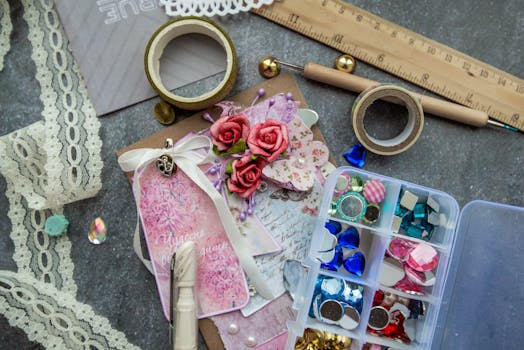 Photo: Victoria Emerson / Pexels
Starting your crafting journey with craft ideas for beginners doesn't require a massive investment in specialized equipment. In fact, many fantastic projects can be completed with items you likely already have around your house or can purchase very affordably. The key is to start simple and gradually expand your toolkit as your interests evolve. For most foundational crafts, a few basic supplies will serve you well across a multitude of projects. Think about paper, glue, scissors, and perhaps some paint or markers. These are the building blocks for countless creative endeavors and offer a low-stakes entry point into the crafting world.
Let's break down some of the most versatile and beginner-friendly materials. Paper is arguably the most fundamental crafting material. From simple construction paper and cardstock to decorative scrapbook paper and origami sheets, its versatility is endless. You can fold it, cut it, glue it, paint on it, or create intricate designs. A good pair of sharp scissors is non-negotiable for clean cuts, and a craft knife (with a cutting mat for safety) can open up possibilities for more precise work. Adhesives are another cornerstone; a basic white school glue is perfect for paper projects, while a hot glue gun (low-temp for beginners) is excellent for faster bonding and working with various materials like fabric scraps or small embellishments. Don't forget a ruler and pencil for measuring and marking, as accuracy can significantly improve the look of your finished projects.
Moving beyond paper, consider incorporating color. A set of acrylic paints is incredibly versatile, working on paper, wood, canvas, and even some fabrics. They dry quickly and are water-soluble for easy cleanup. A few basic brushes in different sizes (flat and round) will get you started. Markers, colored pencils, and crayons are also excellent for adding detail and vibrancy to your creations, especially for projects involving drawing or intricate coloring. If you're interested in textile crafts, a small sewing kit with needles, thread, and a few fabric scraps can open up a world of simple hand-sewn projects like sachets, felt ornaments, or mending. Yarn and a crochet hook or knitting needles are all you need for basic fiber arts, creating simple scarves or dishcloths.
Investing in a dedicated craft storage solution, even something as simple as a clear plastic bin, can help keep your supplies organized and easily accessible. This prevents frustration when searching for materials and makes it more enjoyable to start a new project. Remember, the goal for beginners is to experiment and have fun without feeling overwhelmed by an extensive shopping list. Start with one or two simple craft ideas for beginners that appeal to you, acquire just the necessary supplies for those projects, and then gradually build up your collection as your skills and interests grow. There's no rush to buy everything at once; crafting is a journey, not a race. By focusing on essential, multi-purpose tools and materials, you set yourself up for success and countless hours of creative enjoyment without breaking the bank.
Dive Into Popular Beginner-Friendly Craft Categories
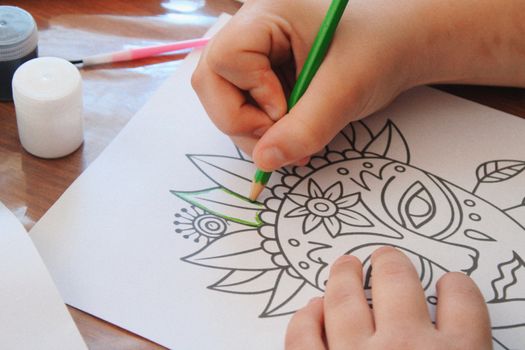 Photo: Schena Maria Karlec / Pexels
The world of craft ideas for beginners is vast and welcoming, offering a multitude of categories to explore. Choosing where to start can feel overwhelming, but focusing on popular, accessible options can simplify the decision. Each category offers a unique set of skills to learn and types of projects to create, ensuring there's something for every interest and preference. From the tactile satisfaction of paper crafts to the vibrant expression of painting, these categories are designed with ease of entry in mind, making them perfect for anyone just dipping their toes into the crafting waters.
**Paper Crafts:** This is arguably one of the most accessible and versatile categories for beginners. All you truly need is paper and scissors. Projects range from simple origami, where you transform a flat sheet into a three-dimensional object through folding, to card making, which allows for endless personalization and creative expression. Scrapbooking is another popular paper craft, where you combine photos, mementos, and decorative elements to tell a story. Decoupage, the art of decorating an object by gluing colored paper cutouts onto it, is also wonderfully beginner-friendly and can transform everyday items into works of art. The beauty of paper crafts lies in the sheer variety of paper types, colors, and patterns available, allowing for endless design possibilities with minimal investment. It’s a fantastic way to develop fine motor skills and an eye for design.
**Simple Painting Projects:** Don't let the idea of painting intimidate you; there are many craft ideas for beginners that involve paint without requiring a fine art degree. Acrylic paints are perfect for novices because they are water-based, dry quickly, and are easy to clean up. You can start with painting rocks to create decorative garden art or paperweights. Canvas painting doesn't have to be complex; try abstract designs, simple geometric patterns, or even pour painting for stunning, unique results with little effort. Stenciling is another excellent way to add painted designs to various surfaces, from small wooden signs to fabric tote bags, providing professional-looking results without freehand drawing skills. These projects help you understand color mixing, brush control, and how paint behaves on different surfaces.
**Basic Sewing and Fiber Arts:** For those drawn to textiles, basic sewing and fiber arts offer a rewarding entry point. Hand sewing is a skill anyone can learn, starting with simple stitches to create felt animals, small pouches, or even mend clothing. Projects like making simple fabric coasters, key fobs, or decorative pillows are excellent for practicing straight lines and basic seams. If you're interested in yarn crafts, learning to knit or crochet a simple scarf, dishcloth, or coaster requires only a few basic stitches and can be incredibly meditative. These crafts not only result in functional or decorative items but also develop patience and dexterity. Websites like
craftsy.com offer many free and paid patterns specifically for beginners, guiding you step-by-step through the process.
**Upcycling and Repurposing:** This category is not only beginner-friendly but also environmentally conscious. Upcycling involves taking old or discarded items and transforming them into something new and useful, often with a creative twist. Think about turning old glass jars into decorative candle holders or storage containers, transforming tin cans into pen holders, or updating an old piece of furniture with a fresh coat of paint and some new hardware. These projects encourage creative problem-solving and demonstrate that beauty and utility can be found in unexpected places. They often require minimal specialized tools, relying instead on imagination and basic craft supplies like paint, glue, and embellishments. This approach to crafting is incredibly satisfying as it gives new life to forgotten items and reduces waste, making your creative endeavors both personal and purposeful.
Common Beginner Crafting Mistakes and How to Avoid Them
 Photo: Suki Lee / Pexels
Embarking on a new hobby like crafting, especially with craft ideas for beginners, is an exciting journey. However, it's natural to encounter a few bumps along the road. Being aware of common mistakes can help you navigate these challenges gracefully and ensure your crafting experience remains enjoyable and rewarding. The goal is to learn, experiment, and have fun, not to achieve perfection on your first attempt. By understanding potential pitfalls, you can set realistic expectations and develop strategies to overcome them, fostering a positive and resilient crafting mindset.
**1. Over-investing in Supplies Too Soon:**
* **Mistake:** Buying a huge array of expensive tools and materials before you even know if you enjoy a particular craft. This can lead to wasted money and a cluttered craft space if the hobby doesn't stick.
* **Avoidance:** Start small. Choose one or two simple projects and purchase only the specific supplies needed for those. Borrow tools from friends or utilize household items if possible. Many craft stores offer beginner kits that provide just enough to get started without overwhelming you.
**2. Expecting Perfection on Your First Try:**
* **Mistake:** Becoming discouraged if your first few projects don't look exactly like the Pinterest-perfect examples you saw online. This can lead to frustration and giving up too soon.
* **Avoidance:** Embrace the learning process. Your first attempts are for learning technique, not for creating a masterpiece. Focus on understanding the steps and enjoying the act of making. Celebrate small victories and view mistakes as opportunities to learn and improve.
**3. Not Following Instructions (or Over-relying on Them):**
* **Mistake:** Skimming instructions or watching only part of a tutorial, leading to errors. Conversely, being too rigid and afraid to deviate even slightly from a pattern.
* **Avoidance:** Read or watch the entire tutorial once before starting. Understand the sequence of steps. Once you grasp the basics, feel free to experiment and add your personal touch. Instructions are guides, not unbreakable laws.
**4. Working in a Cluttered Space:**
* **Mistake:** Trying to craft amidst disorganization, leading to lost tools, spilled materials, and general frustration.
* **Avoidance:** Designate a clean, well-lit space for your crafting. Even if it's just clearing a corner of your kitchen table, having a dedicated area makes a huge difference. Keep your essential tools organized and within reach.
**5. Comparing Yourself to Experienced Crafters:**
* **Mistake:** Looking at the intricate work of seasoned crafters and feeling inadequate or like you'll never reach that level.
* **Avoidance:** Remember that everyone starts somewhere. Those experienced crafters have years of practice, mistakes, and learning behind them. Focus on your own progress and enjoy your unique creative journey. Your craft is an expression of *you*, not a competition.
**6. Neglecting Safety Precautions:**
* **Mistake:** Not using cutting mats with craft knives, touching hot glue gun tips, or working with chemicals without proper ventilation.
* **Avoidance:** Always prioritize safety. Read warnings on product labels. Use cutting tools carefully and away from your body. Work in well-ventilated areas when using sprays or strong adhesives. Safety gloves or goggles might be necessary for certain projects. A safe crafting environment ensures a positive experience.
By being mindful of these common pitfalls, you can approach your craft ideas for beginners with confidence and curiosity, ensuring a fulfilling and enjoyable creative adventure.
