✓ Paper crafting is an accessible and affordable hobby for all ages.
✓ Basic tools like scissors, glue, and paper are often all you need to start.
✓ It enhances fine motor skills, creativity, and mindfulness.
✓ Numerous free tutorials and patterns are available online for beginners.
How It Works
1
Gather Your Basic Supplies
Start by collecting essential items such as various types of paper, scissors, a ruler, and a good quality craft glue. These foundational tools will enable you to tackle almost any beginner project.
2
Choose a Simple Project
Select a paper craft tutorial specifically labeled for beginners, focusing on projects with clear instructions and minimal complex steps. This helps build confidence and familiarity with basic techniques before moving to more intricate designs.
3
Follow Step-by-Step Instructions
Carefully read and follow each step of your chosen tutorial, paying attention to details like folding lines, cutting guides, and adhesive application. Don't be afraid to pause and re-read if something is unclear.
4
Practice and Personalize
The more you practice, the more comfortable you'll become with different techniques. Once you've mastered the basics, feel free to experiment with different colors, textures, and embellishments to make each project uniquely yours.
Unlocking Creativity: Why DIY Paper Crafts are Perfect for Beginners
Photo: Andy Barbour / Pexels
Embarking on a new hobby can sometimes feel daunting, especially when faced with complex tools or expensive materials. However, DIY paper crafts stand out as an incredibly welcoming and rewarding entry point into the world of creative expression. For beginners, the appeal lies in its inherent simplicity and accessibility. You don't need a specialized studio or a hefty budget to get started; often, the basic supplies are already lurking in your home or can be purchased for a few dollars at any craft store. This low barrier to entry makes paper crafting an ideal choice for anyone looking to dip their toes into artistic endeavors without significant upfront investment or commitment. It’s a fantastic way to explore your creative side without pressure.
Beyond the practical aspects, paper crafting offers a unique blend of mental and emotional benefits. The act of cutting, folding, and gluing can be incredibly meditative, providing a much-needed escape from daily stressors. It encourages mindfulness, allowing you to focus on the present moment and the tactile sensations of working with paper. This can lead to reduced stress, improved concentration, and a general sense of well-being. Furthermore, successfully completing a paper craft project, no matter how simple, provides a tangible sense of accomplishment. This boosts self-esteem and encourages further exploration of your creative potential. Imagine the satisfaction of transforming a flat sheet of paper into a beautiful three-dimensional object, a personalized card, or a charming decoration for your home.
Paper crafting also serves as an excellent foundation for developing fine motor skills and hand-eye coordination. Precision cutting, delicate folding, and careful adhesive application all contribute to honing these skills, which can be beneficial in many other areas of life. It’s not just about making pretty things; it's about developing valuable practical abilities. Moreover, the versatility of paper as a medium is astounding. From simple origami animals and decorative paper flowers to intricate quilling designs and elaborate scrapbooking layouts, the possibilities are virtually endless. This means there's always something new to learn and create, keeping the hobby fresh and exciting.
Many online resources, including comprehensive craft tutorials, are specifically designed for beginners, offering step-by-step guidance that makes the learning process smooth and enjoyable. These tutorials break down complex projects into manageable steps, often accompanied by clear images or videos, ensuring that even absolute novices can follow along successfully. The supportive online community surrounding paper crafts also provides a wonderful network for sharing ideas, asking questions, and celebrating achievements. So, if you're looking for an engaging, affordable, and deeply satisfying creative outlet, DIY paper crafts for beginners are an excellent place to start your artistic journey. It’s a hobby that promises not only beautiful creations but also a journey of personal growth and discovery.
Essential Tools and Materials for Your First Paper Craft Projects
Photo: Berna / Pexels
Before you dive into your first DIY paper craft tutorial, having the right tools and materials can make all the difference in your experience and the quality of your finished project. Fortunately, the entry cost for paper crafting is remarkably low, and many items might already be in your home. The most fundamental material, of course, is paper itself. For beginners, it's wise to start with a variety of basic papers. Construction paper is excellent for practice and vibrant, simple projects due to its affordability and wide range of colors. Cardstock, which is thicker and more durable, is perfect for projects that require more rigidity, like cards, gift tags, or small boxes. Experimenting with different weights and textures will help you understand how each type behaves when cut, folded, and glued. Don't forget patterned paper, which can add instant visual interest and personality to your creations without needing extra embellishments.
Next up are your cutting tools. A good pair of sharp scissors is indispensable. Look for craft scissors that are comfortable to hold and offer precise cuts. For more intricate details, a craft knife (like an X-Acto knife) can be incredibly useful, especially when paired with a self-healing cutting mat to protect your work surface. Always exercise caution when using sharp blades. A ruler is also a must-have for accurate measurements and creating crisp, straight folds or cuts. Precision is key in many paper crafts, and a reliable ruler will be your best friend.
Adhesives are another critical component. For general paper crafting, a good quality white craft glue (PVA glue) is versatile and dries clear. Look for brands that offer a fine tip for precise application. Double-sided tape is fantastic for projects where you want a clean, flat finish without any drying time or visible glue residue. Glue dots are also incredibly handy for attaching small embellishments or creating dimension. For temporary holds or repositioning, a repositionable adhesive or washi tape can be useful. Avoid using too much glue, as it can warp or wrinkle your paper.
Beyond these essentials, a few other items can enhance your crafting experience. A bone folder is a simple yet powerful tool for creating sharp, professional-looking creases in your paper. It makes folding much easier and more precise than using your fingers alone. Pencils and erasers are necessary for marking cutting lines or fold points that you can later erase. A scoring tool or scoring board can also be a game-changer for consistent, clean folds, especially on larger projects or cardstock. Finally, consider a few basic embellishments like stickers, glitter, or decorative punches. These can add a touch of flair and personalization to your finished pieces, making them truly unique. Starting with these core tools and materials will set you up for success and open up a world of creative possibilities in your paper crafting journey.
Step-by-Step Tutorials: Simple Projects to Get You Started with Paper Crafting
Photo: Andy Barbour / Pexels
Now that you have your essential tools and materials ready, it's time to dive into some actual DIY paper craft tutorials designed specifically for beginners. These projects are chosen for their simplicity, clear steps, and satisfying results, ensuring a positive first experience. We'll start with a classic: the simple origami box. This project teaches fundamental folding techniques and results in a functional and decorative item. To make an origami box, you'll need a square sheet of paper. Begin by folding the paper in half horizontally, then unfold. Repeat vertically. Next, fold all four corners into the center point. Take the top and bottom edges and fold them into the center line, then unfold. Now, open up the top and bottom flaps you just created. Fold the side corners inwards, then bring the top and bottom edges up to meet in the middle, forming the sides of your box. Tuck in the remaining flaps to secure the structure. With a little practice, you'll be making these versatile boxes for gifts or storage in no time.
Another fantastic beginner project is creating decorative paper flowers. These are incredibly versatile and can be used to embellish cards, gifts, or even home decor. For a simple rolled paper rose, you'll need a circular piece of paper (you can freehand cut it or use a compass). Starting from the outer edge, cut a spiral towards the center. Once you have your spiral, begin rolling it tightly from the outside end towards the center. As you roll, the spiral will naturally form a rose shape. Once fully rolled, apply a dab of glue to the flat base at the center of the spiral and press the rolled flower onto it to secure its shape. You can experiment with different paper colors and sizes to create a beautiful bouquet.
For those interested in card making, a simple pop-up card is an excellent starting point. This project introduces basic scoring and cutting for dimension. Take a piece of cardstock and fold it in half. On the folded edge, make two parallel cuts of equal length, about an inch apart. Push the strip created by these cuts inwards to form a pop-up platform. You can then glue a small paper shape, like a heart or a star, onto this platform. When the card is opened, the shape will 'pop up,' adding a delightful surprise. You can decorate the front and inside of the card with other paper cutouts or drawings.
Finally, let's explore paper chains, a timeless and easy decoration. All you need are strips of paper, about 1 inch wide and 8-10 inches long, and glue or a stapler. Form the first strip into a loop and secure the ends. Take a second strip, thread it through the first loop, and then secure its ends to form another loop. Continue this process, alternating colors if you wish, to create a long and festive paper chain. These projects not only help you master basic techniques like cutting, folding, and gluing but also provide a strong foundation for tackling more complex paper craft ideas in the future. Remember, the key is to have fun and enjoy the process of bringing your paper creations to life.
Common Beginner Mistakes and How to Avoid Them for Flawless Crafts
Photo: Andy Barbour / Pexels
As with any new hobby, beginners in paper crafting often encounter a few common pitfalls. Recognizing these early on can save you frustration and lead to much more satisfying results. One of the most frequent mistakes is using the wrong type of paper for a specific project. For instance, trying to fold intricate origami with thick cardstock will result in bulky, uneven creases and a struggle to manipulate the paper. Conversely, using thin printer paper for a structural project like a box will lead to a flimsy, easily damaged item. Always check the tutorial's recommended paper type and weight, and if unsure, err on the side of using paper that is neither too thick nor too thin for general crafting.
Another common issue is improper use of adhesives. Applying too much glue is a classic beginner error. Excess glue can cause paper to warp, wrinkle, or even tear, and it often leaves unsightly residue. Instead, use glue sparingly, applying a thin, even layer. For fine details, use a glue with a precision tip or apply glue with a toothpick. Allowing sufficient drying time is also crucial; rushing to the next step before the glue has set can cause pieces to shift or fall apart. For projects requiring quick adhesion, consider double-sided tape or glue dots.
Lack of precision in cutting and scoring is another area where beginners often struggle. Uneven cuts or poorly scored fold lines can throw off the entire geometry of a project, making assembly difficult and the final product look messy. Always use a sharp pair of scissors or a craft knife with a fresh blade for clean cuts. When scoring, use a ruler and a bone folder or scoring tool to create crisp, straight lines. Don't press too hard, as this can tear the paper; a firm but gentle hand is usually sufficient.
Finally, many beginners tend to get discouraged if their first few projects don't look perfect. It's important to remember that paper crafting, like any skill, takes practice. Don't aim for perfection on your very first try. Instead, focus on understanding the techniques and enjoying the process. Embrace imperfections as part of your learning journey. Start with simple projects, follow tutorials diligently, and don't be afraid to make mistakes – they are valuable learning opportunities. With patience and consistent practice, your skills will improve, and your paper crafts will become increasingly polished and beautiful.
* **Mistake 1: Using the Wrong Paper Weight.**
* **Solution:** Always check tutorial recommendations. Use lighter paper for intricate folds (origami) and heavier cardstock for structural items (boxes, cards).
* **Mistake 2: Excessive Glue Application.**
* **Solution:** Apply glue sparingly and evenly. Use precision tips or toothpicks for small areas. Allow adequate drying time.
* **Mistake 3: Lack of Cutting and Scoring Precision.**
* **Solution:** Use sharp tools (scissors, craft knife). Employ a ruler and bone folder/scoring tool for straight, crisp lines.
* **Mistake 4: Expecting Instant Perfection.**
* **Solution:** Embrace the learning process. Start simple, practice regularly, and view mistakes as opportunities to improve. Enjoy the journey, not just the outcome.
Comparison
Feature
Origami Paper
Construction Paper
Cardstock
Patterned Paper
Weight
Light
Medium
Heavy
Medium to Heavy
Best Use
Folding, intricate designs
Kids' crafts, basic shapes
Cards, boxes, sturdy projects
Scrapbooking, embellishments
Crease Quality
✓
✗
✓
✓
Durability
Low
Medium
High
Medium to High
What Readers Say
★★★★★
"These DIY paper craft tutorials for beginners were exactly what I needed! The instructions were so clear, and I finally made my first successful origami crane. I'm hooked!"
Sarah J. · Austin, TX
★★★★★
"As someone with zero crafting experience, I was intimidated. This guide broke everything down perfectly, from supplies to simple projects. My paper flowers look amazing!"
Mark T. · Seattle, WA
★★★★★
"I used these tutorials to create handmade cards for my family, and they loved them! The pop-up card tutorial was a huge hit and much easier than I expected."
Emily R. · Miami, FL
★★★★★
"Great resource for beginners, though I wish there were more video links for visual learners like me. Still, the written instructions are very thorough and helpful for DIY paper craft tutorials beginners."
David L. · Denver, CO
★★★★★
"My kids and I spent a rainy afternoon following these tutorials. It was a fantastic way to bond and create something beautiful together. Highly recommend for family craft time!"
Jessica M. · Chicago, IL
Frequently Asked Questions
What is the absolute easiest DIY paper craft for beginners?
For absolute beginners, creating paper chains or simple folded paper fans are among the easiest projects. They require minimal supplies (paper, scissors, glue/stapler) and teach basic cutting and joining techniques without complex folds or intricate details. These projects build confidence quickly.
Do I need special paper for paper crafting?
While specific projects might benefit from specialized paper (like origami paper for intricate folds), you can start many DIY paper craft tutorials for beginners with common household papers like printer paper, construction paper, or even old magazines. As you progress, you might invest in cardstock or patterned papers for durability and aesthetics.
How do I make clean folds in paper crafts?
To achieve clean folds, first, score the paper along your desired fold line using a ruler and a scoring tool or the dull side of a craft knife. Then, gently fold the paper along the scored line. For extra crispness, run a bone folder or the back of your fingernail along the crease to flatten it firmly.
Is paper crafting an expensive hobby to start?
No, paper crafting is one of the most affordable hobbies to begin. You can start with just paper, scissors, and glue, which are typically very inexpensive. As you advance, you might choose to invest in more specialized tools or decorative papers, but the initial outlay is minimal, making it accessible to almost anyone.
How does paper crafting compare to digital art for creative expression?
Paper crafting offers a unique tactile and sensory experience that digital art cannot replicate. It involves working with physical materials, developing fine motor skills, and creating tangible objects. While digital art offers endless undo options and digital effects, paper crafting provides the satisfaction of a handmade, physical creation and a break from screen time.
Who should try DIY paper craft tutorials for beginners?
Anyone looking for a creative outlet, a relaxing hobby, or a way to make personalized gifts and decorations should try DIY paper craft tutorials for beginners. It's suitable for children, adults, and seniors, offering benefits like stress reduction, improved dexterity, and a sense of accomplishment.
Are there any safety concerns when doing paper crafts?
The main safety concern involves using sharp tools like scissors and craft knives. Always use these with caution, cut away from your body, and keep them out of reach of small children. When using glue, ensure good ventilation if it has strong fumes, and always supervise children when they are handling adhesives.
What are some future trends in paper crafting?
Future trends in paper crafting include increased integration with digital tools (like cutting machines and printable designs), a focus on sustainable and recycled papers, and a growing interest in personalized and customized projects. Expect to see more mixed-media approaches combining paper with other materials like fabric or natural elements.
Ready to transform simple sheets of paper into stunning works of art? Dive into these DIY paper craft tutorials for beginners and unleash your inner artist. Start your creative journey today and discover the endless possibilities that await!
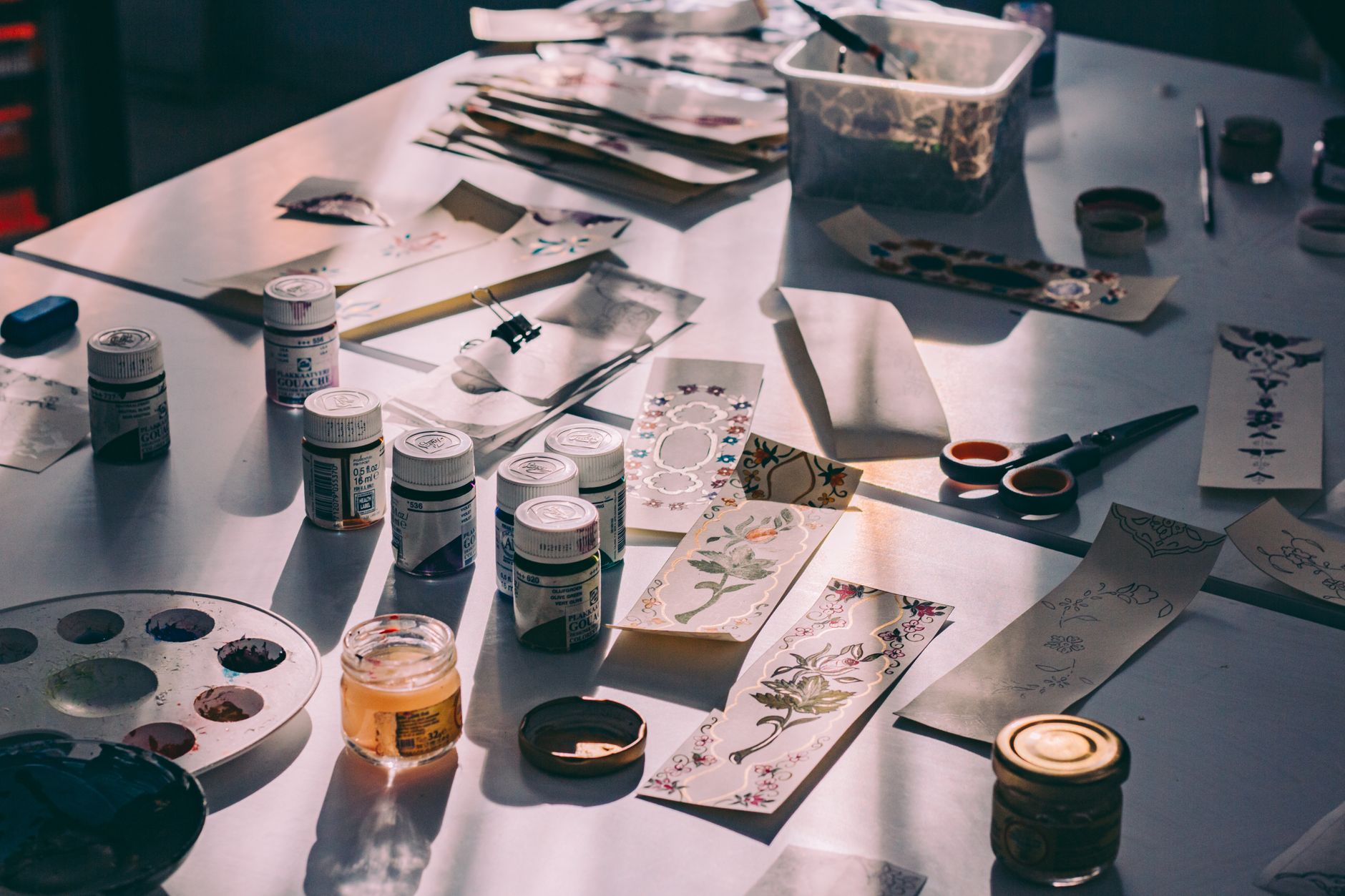
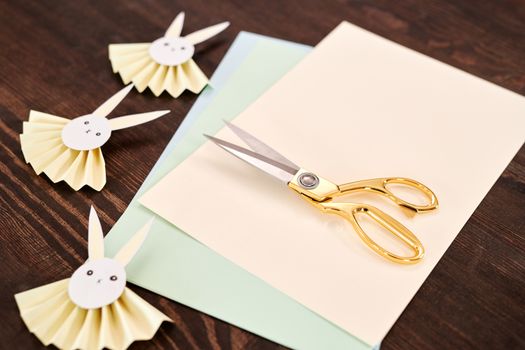 Photo: Andy Barbour / Pexels
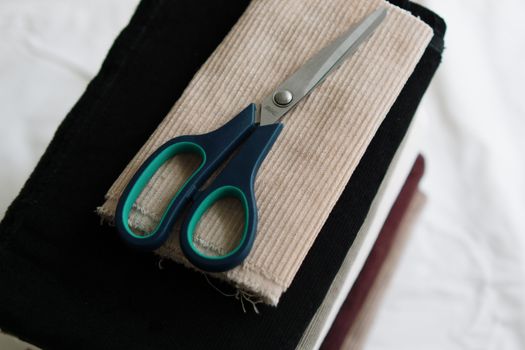 Photo: Berna / Pexels