Unlock Creativity: 25+ DIY Craft Projects for Adults
August 12, 2026 18 min read 3,610 words
Transform everyday materials into stunning creations with our ultimate guide to adult crafting inspiration.
Start Crafting Now!
Rediscovering Joy Through Adult Crafting Hobbies
 Photo: Thirdman / Pexels
In our fast-paced, digitally-driven world, the simple act of creating something with your hands can feel like a revolutionary act of self-care. DIY craft projects for adults offer a much-needed respite from screens and schedules, providing a tangible way to express creativity, reduce stress, and cultivate a sense of accomplishment. It's not just about making things; it's about making time for yourself, tapping into an innate human desire to build and beautify. Many adults find that crafting harks back to simpler times, evoking the uninhibited joy of childhood art projects, but with a sophisticated twist. The beauty of adult crafting lies in its diversity. Whether you're drawn to the meditative rhythm of knitting, the vibrant world of painting, the intricate details of paper crafts, or the practical satisfaction of woodworking, there's a craft out there waiting to capture your imagination. These projects aren't just decorative; they can be functional, thoughtful gifts, or even a means to upcycle and reduce waste. Beyond the finished product, the process itself offers numerous benefits. Engaging in a craft can improve fine motor skills, enhance problem-solving abilities, and even boost cognitive function. The focus required often leads to a state of 'flow,' where time seems to disappear, and worries fade into the background. This mindful engagement is a powerful antidote to anxiety and a proven way to improve overall well-being. Furthermore, the crafting community is incredibly supportive and expansive. Online forums, local workshops, and craft fairs provide opportunities to connect with like-minded individuals, share ideas, and learn new techniques. It’s a wonderful way to build new friendships and feel part of a vibrant, creative network. For those who feel intimidated by the idea of starting a new craft, remember that perfection is never the goal. The journey of learning and experimenting is just as valuable as the outcome. Embrace imperfections, celebrate small victories, and allow yourself the freedom to play and explore. You might surprise yourself with what you can create. This guide aims to demystify the world of adult crafting, offering practical advice, inspiring ideas, and a gentle push to pick up those tools and begin your creative adventure. From simple, low-cost projects perfect for beginners to more involved undertakings for seasoned crafters, we'll cover a spectrum of options designed to ignite your passion and help you rediscover the profound joy of making. Don't underestimate the power of a few hours spent crafting; it can truly transform your outlook and bring a renewed sense of purpose and calm into your daily life. Dive in and discover the myriad possibilities that
craft has to offer. The satisfaction of holding something you made with your own hands is unparalleled, a testament to your patience, skill, and creativity. Let's embark on this delightful journey together.
Top DIY Craft Projects for Adults: A Curated Selection
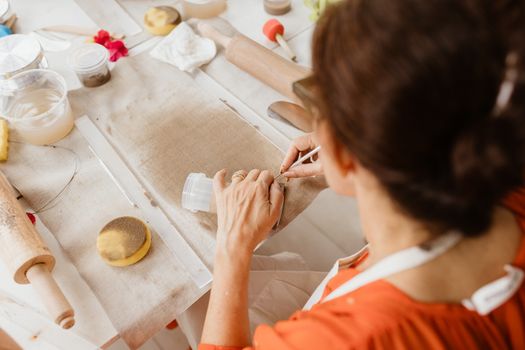 Photo: Jonathan Borba / Pexels
Embarking on a new craft journey can be exhilarating, and having a diverse selection of inspiring DIY craft projects for adults is key to finding your perfect match. We've meticulously curated a list that balances ease of entry with rewarding outcomes, ensuring there's something for every skill level and interest. Let's explore some of the most popular and satisfying crafts that adults are embracing today.
**1. Resin Art & Coasters:** Dive into the mesmerizing world of resin. With clear epoxy resin, pigments, glitter, and dried flowers, you can create stunning coasters, trays, jewelry, or even small decorative panels. The process involves mixing and pouring, allowing for incredible customization and a glossy, professional finish. It's a fantastic way to capture beauty in a durable, functional form. Start with simple coaster molds to get the hang of it, then expand to more intricate designs. Safety is paramount here; always work in a well-ventilated area and wear gloves.
**2. Candle Making:** Crafting your own candles is not only therapeutic but also results in beautiful, aromatic additions to your home or thoughtful gifts. You'll need wax (soy, beeswax, or paraffin), wicks, fragrance oils, and containers. Experiment with different scents, colors, and types of wax to create personalized candles that perfectly match your mood or decor. The process is surprisingly straightforward, involving melting wax, adding scent, and pouring it around a wick. It’s a wonderful way to bring warmth and ambiance into any space.
**3. Macrame Wall Hangings & Plant Hangers:** This ancient knot-tying technique has seen a massive resurgence. Using cotton cord, you can create intricate and bohemian-inspired wall hangings, plant hangers, keychains, or even intricate jewelry. Macrame is incredibly relaxing once you learn a few basic knots, and the repetitive motion can be very meditative. There are countless free tutorials online that break down the essential knots, making it an accessible craft for beginners with stunning results.
**4. Upcycled Furniture & Home Decor:** Give old items a new lease on life! This eco-friendly craft involves transforming thrift store finds, old furniture, or discarded materials into stylish pieces. Think painting an old dresser, decoupaging a side table, or turning glass bottles into decorative vases. It requires vision and a willingness to get a little messy, but the satisfaction of saving something from the landfill and creating a unique piece is immense. This craft is about seeing potential where others see junk.
**5. Embroidery & Cross Stitch:** For those who enjoy detailed, portable projects, embroidery and cross-stitch are perfect. You can create intricate patterns, personalized text, or beautiful images on fabric using various stitches and colorful threads. It's a calming, focused activity that yields charming keepsakes, wall art, or embellishments for clothing. Starter kits are widely available and include everything you need to begin your stitching journey.
**6. Pottery & Ceramics (Hand-building):** While a pottery wheel can be intimidating, hand-building with clay is incredibly accessible. Create pinch pots, coil bowls, slab mugs, or sculptural pieces without special equipment beyond basic tools and air-dry clay. For more durable pieces, you might need access to a kiln, but air-dry clay is perfect for decorative items. This tactile craft is deeply grounding and allows for immense creative expression through form and texture.
**7. DIY Bath Bombs & Soaps:** Pamper yourself or others by making luxurious bath bombs and soaps. This involves mixing ingredients like baking soda, citric acid, essential oils, and natural colorants. It's a fun, fragrant, and relatively quick project that results in practical, delightful products. You can customize scents, colors, and even add dried botanicals for an extra touch of elegance. These make fantastic personalized gifts.
**8. Paper Crafting (Card Making, Scrapbooking, Quilling):** Paper offers endless possibilities. From creating custom greeting cards and elaborate scrapbooks to intricate quilled designs (rolling thin strips of paper into decorative shapes), paper crafting is versatile and often requires minimal investment. It's a wonderful way to preserve memories, celebrate occasions, or simply enjoy the delicate beauty of paper art.
**9. Wood Burning (Pyrography):** Add intricate designs to wooden items using a wood-burning tool. This craft allows for detailed illustrations, personalized messages, or decorative patterns on cutting boards, wooden signs, or jewelry. It requires a steady hand and patience but produces unique, rustic, and permanent artwork. Always practice on scrap wood first and ensure good ventilation.
**10. Terrarium Building:** Create miniature self-sustaining ecosystems in glass containers. This involves layering soil, pebbles, charcoal, and carefully selected small plants (like mosses or succulents). Terrariums are beautiful, require minimal maintenance, and bring a touch of nature indoors. They are a delightful blend of gardening and artistic arrangement, perfect for green thumbs and beginners alike.
Each of these projects offers a unique creative outlet and the immense satisfaction of making something truly your own. Don't be afraid to try a few different ones until you find the craft that resonates most with you.
Getting Started: Essential Tips for Your Adult Crafting Journey
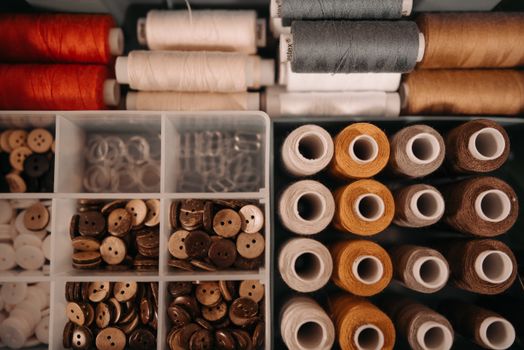 Photo: Pavel Danilyuk / Pexels
Embarking on DIY craft projects for adults can be an incredibly rewarding experience, but knowing where to start and how to approach your new hobby can make all the difference. To ensure your crafting journey is enjoyable and productive, here are some essential tips to guide you, from setting up your space to finding inspiration and overcoming common hurdles. The first step is often the hardest, but with a little preparation and the right mindset, you'll be crafting with confidence in no time.
**1. Start Simple and Build Skills Gradually:** It's tempting to jump into complex projects after seeing stunning examples online, but for beginners, this can lead to frustration. Begin with projects labeled 'beginner-friendly' or 'easy.' These often require fewer specialized tools and introduce fundamental techniques in a manageable way. For example, if you're interested in painting, start with simple abstract designs or practice basic brush strokes before tackling a complex landscape. Mastering the basics will build your confidence and provide a solid foundation for more advanced undertakings. Remember, every master craftsman started as a beginner.
**2. Create a Dedicated Crafting Space:** Even if it's just a corner of a table or a portable caddy, having a designated area for your craft supplies and projects can significantly enhance your experience. A tidy, organized space reduces stress and makes it easier to start and stop projects without a massive setup or cleanup. Consider good lighting, comfortable seating, and storage solutions like clear bins, shelving, or pegboards. An organized space also helps protect your materials and unfinished projects from damage. This dedicated zone becomes your creative sanctuary.
**3. Invest in Quality (But Not Overpriced) Basic Tools:** While you don't need to break the bank, investing in decent quality basic tools can make a huge difference in the ease and success of your projects. A sharp pair of scissors, good quality brushes, reliable adhesives, or a comfortable crochet hook can prevent frustration and improve your results. Read reviews, compare brands, and look for starter kits that offer good value. As you progress, you can gradually upgrade or add more specialized tools to your collection.
**4. Embrace Online Resources and Communities:** The internet is a treasure trove of crafting knowledge. YouTube tutorials offer visual, step-by-step guidance for almost any craft imaginable. Blogs and websites provide written instructions, patterns, and inspiration. Join online crafting communities on platforms like Facebook, Reddit, or specialized forums. These communities are fantastic for asking questions, sharing your work, getting feedback, and connecting with fellow crafters. Learning from others and sharing your journey can be incredibly motivating.
**5. Don't Fear Imperfection – It's Part of the Process:** One of the biggest obstacles for adult crafters is the fear of not being 'good enough' or making mistakes. Remind yourself that crafting is a process of learning and exploration. Imperfections are often what make handmade items unique and charming. Embrace them as part of your creative journey. If something doesn't turn out as expected, view it as an opportunity to learn, adapt, or even transform it into something new. The joy is in the making, not just the flawless outcome.
**6. Set Realistic Expectations for Time and Effort:** Some projects take longer than others. Be realistic about the time commitment required for each craft. Don't expect to finish a complex knitted blanket in a single weekend. Break down larger projects into smaller, manageable steps. Even 15-30 minutes of crafting a day can lead to significant progress over time. This approach prevents burnout and keeps the activity enjoyable rather than feeling like a chore.
**7. Repurpose and Upcycle Materials:** Before buying new, look around your home for materials you can repurpose. Old clothing can become fabric scraps for quilting, glass jars can be painted and decorated, and cardboard boxes can be transformed into storage or art. This not only saves money but also promotes sustainability and encourages creative problem-solving. Upcycling adds a unique character to your projects and is a fantastic way to practice resourcefulness in
craft.
**8. Document Your Journey:** Take photos of your finished projects, and even your in-progress work. This creates a visual diary of your growth and achievements. Seeing how far you've come can be incredibly motivating and provide a wonderful sense of accomplishment. You can also share these photos with friends, family, or online communities to inspire others and receive positive encouragement.
By keeping these tips in mind, you'll be well-equipped to dive into the world of adult crafting, discovering endless possibilities for creativity, relaxation, and personal expression. Enjoy the process, celebrate your creations, and let your imagination soar!
Common Crafting Mistakes and How to Avoid Them
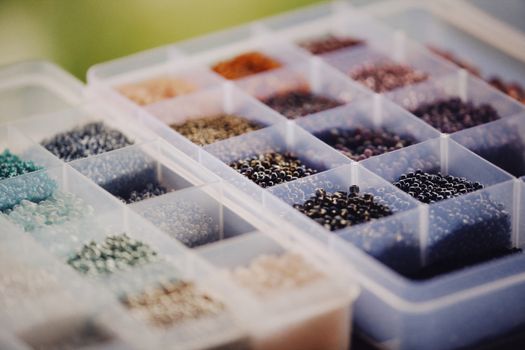 Photo: Alexey Demidov / Pexels
Embarking on DIY craft projects for adults is a journey filled with creativity and discovery, but like any new endeavor, it comes with its own set of potential pitfalls. Recognizing and understanding common crafting mistakes before you even pick up your tools can save you time, money, and a significant amount of frustration. Avoiding these errors will make your crafting experience far more enjoyable and lead to more successful outcomes.
**1. Not Reading Instructions Thoroughly Before Starting:** This is perhaps the most common and easily avoidable mistake. It's tempting to glance at a project and jump right in, but many crafts have specific steps that need to be followed in a particular order, or they require certain drying times or curing processes. Skimming instructions often leads to missed steps, incorrect measurements, or improper material use, resulting in a flawed or ruined project. Always read the entire set of instructions from beginning to end before you start, and visualize each step.
**2. Impatience and Rushing the Process:** Crafting is often a meditative and deliberate activity. Rushing through steps, not allowing glues to dry completely, or trying to force materials can lead to sloppy results and damage. For instance, in painting, not waiting for a layer to dry before adding the next can cause colors to bleed. In pottery, rushing the drying process can lead to cracks. Cultivate patience; the process is as important as the product.
**3. Neglecting Safety Precautions:** Many crafts involve tools, chemicals, or materials that require safety measures. This includes using sharp knives, hot glue guns, resin, wood-burning tools, or even certain paints. Failing to wear gloves, safety glasses, or work in a well-ventilated area can lead to injury or health issues. Always prioritize safety and ensure you understand the proper handling of all materials and tools.
**4. Over-Complicating for Beginners:** As mentioned earlier, starting with overly ambitious projects can be demotivating. Beginners often try to tackle advanced techniques or intricate designs before mastering the basics. This leads to frustration and can make you abandon the craft altogether. Start simple, build foundational skills, and gradually challenge yourself with more complex projects.
**5. Buying Too Many Supplies Too Soon:** It's easy to get carried away in a craft store, wanting to buy all the beautiful tools and materials. However, if you're new to a craft, you might invest heavily in supplies only to find out you don't enjoy that particular hobby. Start with essential tools and minimal materials for your first few projects. You can always expand your collection as your interest and skill grow.
**6. Not Organizing Your Craft Space:** A cluttered workspace can lead to lost tools, damaged materials, and general frustration. It also makes it harder to get started on a project. Dedicate time to organize your supplies. Use containers, labels, and shelves to keep everything in its place. A tidy space fosters a clearer mind and a more efficient crafting process.
**7. Comparing Your Work to Experts:** In the age of social media, it's easy to see professional-level crafts and feel discouraged by your own beginner attempts. Remember that those experts have years of practice and experience. Your journey is unique. Celebrate your progress, focus on your own improvement, and use expert work as inspiration, not as a source of self-criticism.
**8. Skipping Practice and Experimentation:** Don't be afraid to experiment with materials, colors, and techniques. Practice on scrap materials before committing to your main project. This allows you to test ideas, refine your skills, and understand how different elements interact without the pressure of ruining your final piece. Experimentation is key to developing your unique style.
By being mindful of these common mistakes, you can navigate your crafting adventures with greater confidence and enjoy a more fulfilling creative experience. Embrace the learning process, be patient with yourself, and most importantly, have fun creating!
