Inspiring Craft Ideas for Recycled Materials
craft ideas for recycled materials

Inspiring Craft Ideas for Recycled Materials

Transform everyday waste into beautiful, functional, and eco-friendly creations with these innovative ideas.

Start Crafting Now

Key Takeaways

  • ✓ Recycling reduces landfill waste and conserves natural resources.
  • ✓ Crafting with recycled materials can be a cost-effective hobby.
  • ✓ It encourages creativity and problem-solving skills.
  • ✓ Many common household items can be repurposed into craft supplies.

How It Works

1
Gather Your Materials

Look around your home for items like plastic bottles, cardboard, old clothes, and glass jars. A diverse collection will spark more ideas.

2
Brainstorm & Plan

Consider what you want to create. Do you need a decorative item, a functional piece, or a gift? Sketch out your ideas or find inspiration online.

3
Clean & Prepare

Thoroughly clean and dry all recycled items to ensure they are safe and ready for crafting. Remove labels and any residue.

4
Create Your Masterpiece

Follow your plan, using appropriate tools and adhesives. Don't be afraid to experiment and let your imagination lead the way.

Unlocking Creativity with Upcycled Home Decor
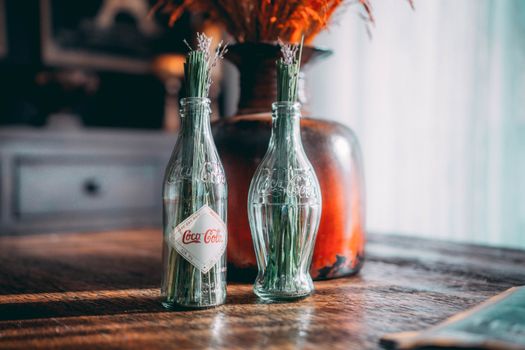
Glass Coca Cola bottles used as vases in a rustic decor setting on a wooden table. Photo: Sami Abdullah / Pexels
The world of home decor offers an incredible canvas for craft ideas for recycled materials. Instead of buying new, imagine transforming what you already have into unique pieces that reflect your personal style and commitment to sustainability. Think about those glass jars from pasta sauce or pickles – with a bit of paint, twine, or even some fabric scraps, they can become charming vases, candle holders, or storage containers for small items. Old magazines and newspapers, often destined for the recycling bin, can be rolled, folded, or woven into intricate coasters, decorative bowls, or even framed art. The texture and color variations found in printed paper add an unexpected depth to these creations. Plastic bottles, particularly the larger ones, can be cut and reshaped into planters for succulents, organizers for office supplies, or even whimsical wind chimes for your patio. The key is to look at each item not for what it was, but for what it *could be*. A worn-out sweater might become a cozy pillow cover, while leftover fabric scraps can be sewn into a colorful patchwork throw or a unique wall hanging. Even humble cardboard boxes, often discarded after deliveries, are a goldmine for crafting. They can be painted and stacked to create modular shelving, cut into frames for photos, or used as the base for intricate dioramas. The beauty of upcycled home decor lies in its individuality; no two pieces will ever be exactly alike, making your home truly one-of-a-kind. This approach not only saves money but also significantly reduces waste, contributing to a healthier planet. It's a rewarding process that allows you to infuse your living space with personality and purpose, proving that beauty doesn't have to come at the expense of the environment. Explore more eco-friendly craft projects to expand your creative horizons.

Engaging Kids with Sustainable Craft Projects
A vibrant collection of multicolored sewing thread spools, showcasing creativity and craft. Photo: Victoria Farr / Pexels
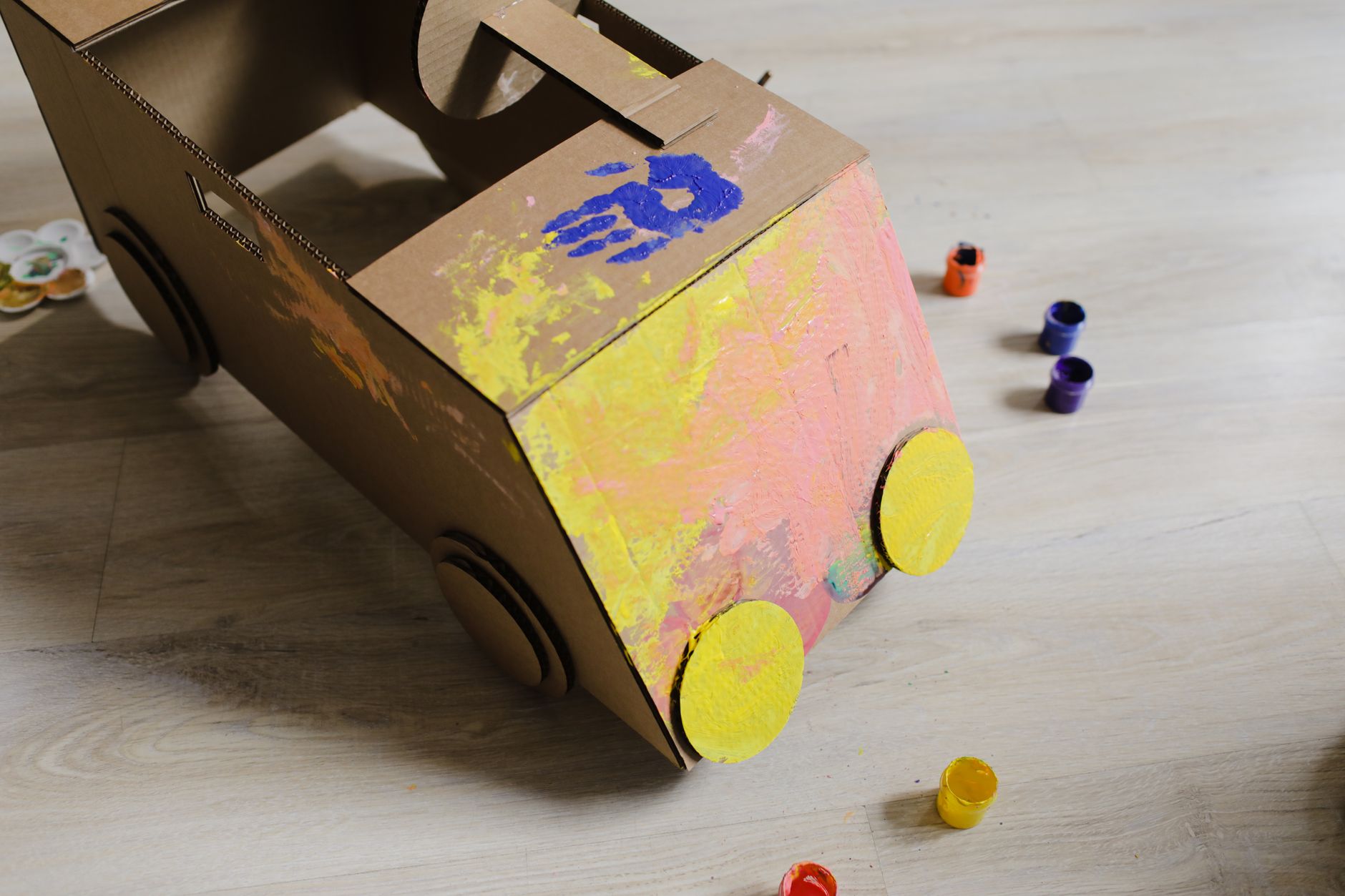
Involving children in craft ideas for recycled materials is a fantastic way to foster creativity, teach environmental responsibility, and provide hours of screen-free entertainment. Kids naturally see potential in everyday objects, and guiding them through the process of transforming 'trash' into 'treasure' can be profoundly impactful. Cereal boxes, toilet paper rolls, and paper towel tubes are classic starting points. These can be easily cut, glued, and painted to create elaborate castles, animal figures, or even functional pencil holders. Imagine the joy on a child's face as they turn an empty milk jug into a bird feeder or a collection of bottle caps into a vibrant mosaic. Egg cartons, often overlooked, can become miniature bug hotels, seed starters, or the base for adorable animal puppets. The tactile experience of working with different materials, combined with the problem-solving aspect of figuring out how to make something new, is invaluable for their development. Old clothes that no longer fit can be cut into strips for weaving, braided into friendship bracelets, or used to stuff homemade dolls. Even broken crayons can be melted down into new, multi-colored creations. These activities not only keep children engaged but also instill a deep appreciation for resourcefulness and the importance of reducing waste. It teaches them that creativity isn't limited to expensive art supplies but can be found in the most unexpected places. Moreover, working on these projects together provides quality family time, creating lasting memories and shared accomplishments. Encourage them to think big – a large appliance box can become a playhouse, a rocket ship, or a fort, limited only by their imagination. The process of planning, constructing, and decorating these projects helps develop fine motor skills, spatial reasoning, and an understanding of cause and effect. It's a powerful lesson in sustainability disguised as fun.

Practical and Functional Recycled Crafts for Everyday Use
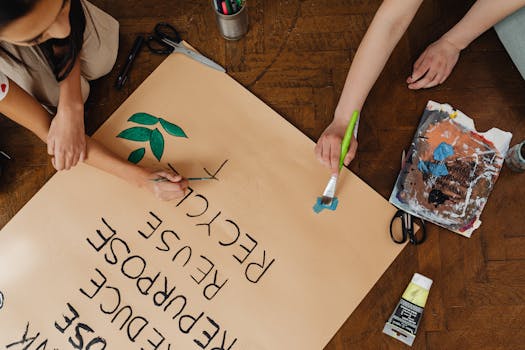
Top view of two people crafting an eco-friendly poster with paint and markers. Photo: https://kaboompics.com/ / Pexels
Beyond decorative items and children's projects, craft ideas for recycled materials can also yield incredibly practical and functional items for daily life. This aspect of upcycling emphasizes utility, demonstrating how discarded objects can continue to serve a purpose, often in a new and improved form. Consider those ubiquitous plastic grocery bags – instead of contributing to landfill waste, they can be cut into 'plarn' (plastic yarn) and crocheted or knitted into durable, waterproof tote bags, market bags, or even floor mats. This not only reuses the plastic but also creates a sturdy item that can replace single-use alternatives. Old denim jeans, once too worn for wearing, are a treasure trove of sturdy fabric. They can be transformed into practical organizers for tools, sewing supplies, or cosmetics, complete with pockets for various items. The sturdy denim also makes excellent patches for other clothing or even durable placemats. Glass bottles, beyond being decorative, can be repurposed into self-watering planters for herbs, innovative soap dispensers with a new pump, or even unique drinking glasses by carefully cutting and sanding the rims. The possibilities are vast and often limited only by your imagination and a willingness to experiment. Even tin cans, once cleaned, can become stylish pen holders, small storage bins for craft supplies, or, with a bit of drilling, charming lanterns for outdoor spaces. The key is to identify items that have inherent structural integrity or material quality that can be leveraged for a new function. This approach to crafting is deeply satisfying because it directly addresses a need while simultaneously diverting waste from landfills. It's about seeing the hidden potential in everyday discards and giving them a second, useful life. For more innovative approaches to sustainability, check out our guide on sustainable living crafts.

Tips for Successful Recycled Crafting & Common Mistakes to Avoid

Three teenagers enjoy a fun art project together indoors, surrounded by paint and craft supplies. Photo: https://kaboompics.com/ / Pexels
Embarking on craft ideas for recycled materials is a rewarding journey, but a few tips can enhance your success and help you avoid common pitfalls. First, always ensure your materials are thoroughly cleaned and dried. Food residue or moisture can lead to mold, odors, or poor adhesion of glues and paints. Second, gather a good set of basic crafting tools: sharp scissors, a utility knife, various glues (PVA, hot glue, super glue), paintbrushes, and rulers are essential. Investing in quality tools will make the process smoother and safer. Third, don't be afraid to experiment! The beauty of recycled crafting is that materials are often free or very low cost, so if a project doesn't turn out as planned, it's not a significant loss. Learn from it and try again. Fourth, consider the safety of your materials. Avoid using items that may have contained hazardous chemicals or those that could break into sharp shards, especially when crafting with children. Always supervise kids and use appropriate safety gear like gloves or eye protection when necessary. Common mistakes to avoid include: * **Not cleaning materials properly:** Leads to poor results and potential hygiene issues. * **Rushing the process:** Allow glues and paints to dry completely between steps for best adhesion and finish. * **Underestimating material strength:** Some recycled items, like thin cardboard, may need reinforcement for certain projects. * **Ignoring safety precautions:** Sharp edges, hot glue guns, and cutting tools require careful handling. * **Overcomplicating designs:** Start with simple projects to build confidence and skills before tackling more intricate creations. * **Hoarding too much:** While it's good to collect, don't let your recycled materials overwhelm your space. Only keep what you realistically plan to use. By keeping these tips in mind, your recycled crafting adventures will be more enjoyable and yield more satisfying results.

Comparison

FeatureRecycled CraftsStore-Bought CraftsCraft Kits
CostVery Low/FreeModerate to HighModerate
Environmental ImpactVery Low (Reduces Waste)Moderate (New Materials)Moderate (Pre-packaged)
UniquenessHighly UniqueMass-producedLimited Uniqueness
Skill DevelopmentHigh (Problem Solving)Low (Following Instructions)Moderate (Guided)
Material SourcingHousehold WasteRetail StoresKit Contents

What Readers Say

"These craft ideas for recycled materials are brilliant! I turned old glass jars into beautiful painted vases for my living room, and they look amazing. It's so satisfying to give new life to something I would have thrown away."

Sarah J. · Austin, TX

"My kids absolutely loved making robots out of cardboard boxes and toilet paper rolls. It kept them entertained for hours, and they learned about recycling in a fun, hands-on way. Highly recommend for families!"

Mark T. · Portland, OR

"I used the plastic bottle planter idea, and now I have a thriving herb garden on my windowsill, all from repurposed materials. It saved me money on pots and feels great to be more sustainable."

Emily R. · Denver, CO

"Some of the projects require a bit more patience than I initially expected, especially with drying times. However, the end results are always worth it, and I've created some really cool, unique gifts."

David L. · Chicago, IL

"As a teacher, I'm always looking for affordable and educational activities. These craft ideas for recycled materials are perfect for classroom projects, teaching both art and environmental awareness effectively."

Jessica M. · Seattle, WA

Frequently Asked Questions

What are the most common household items I can use for craft ideas for recycled materials?

Common household items perfect for recycled crafts include cardboard boxes (cereal, shipping), plastic bottles and containers, glass jars, tin cans, old newspapers and magazines, toilet paper and paper towel rolls, fabric scraps, and even bottle caps. Look for items with interesting shapes, textures, or sturdy structures.

Is it safe to craft with all types of recycled materials?

While most household recyclables are safe, always exercise caution. Avoid items that held hazardous chemicals. Ensure all food and beverage containers are thoroughly cleaned and dried to prevent mold or odors. When cutting or using hot glue, adult supervision is crucial, especially with children.

How do I clean recycled materials effectively before crafting?

For plastic and glass containers, wash them thoroughly with soap and warm water, then rinse and allow them to air dry completely. For tin cans, remove labels, wash, and dry. Cardboard and paper items usually just need to be free of food residue and dry. Ensure no moisture remains to prevent issues with glue or paint.

Does crafting with recycled materials actually save money?

Absolutely! One of the biggest benefits of craft ideas for recycled materials is the significant cost savings. Instead of purchasing new craft supplies, you're utilizing items you already have or would otherwise discard. This makes crafting accessible and budget-friendly for everyone.

How do recycled crafts compare to buying new craft supplies in terms of environmental impact?

Recycled crafts have a much lower environmental impact. They reduce landfill waste, conserve natural resources that would be used to produce new materials, and often reduce energy consumption associated with manufacturing. It's a direct way to practice sustainability and reduce your carbon footprint.

Who should try craft ideas for recycled materials?

Anyone! Recycled crafting is perfect for individuals looking for a budget-friendly hobby, parents seeking engaging and educational activities for children, teachers needing classroom project ideas, and anyone passionate about sustainability and creative expression. There's a project for every skill level and interest.

Are there any risks associated with using certain recycled materials, like sharp edges?

Yes, some recycled materials can pose risks. Glass jars, if broken or cut, can have sharp edges. Tin cans also have sharp edges once opened. Always use appropriate tools for cutting and sanding, and wear protective gloves or eye protection when necessary. For children's projects, opt for safer materials like cardboard or plastic bottles without sharp cuts.

What is the future trend for craft ideas for recycled materials?

The trend for recycled crafts is moving towards more sophisticated and functional designs, integrating technology (e.g., solar-powered lamps from jars), and exploring new techniques for material transformation (e.g., plastic bottle filament for 3D printing). There's also a growing emphasis on community upcycling initiatives and workshops.

Embrace the joy of creation and the power of sustainability. Start exploring these craft ideas for recycled materials today to transform your everyday waste into extraordinary treasures, enriching your life and benefiting the planet.

Topics: craft ideas for recycled materialsupcycled craftseco-friendly craftssustainable craftingDIY recycled projects
Leo List

IE Escorts NO Escorts US Escorts NZ Escorts AU Escorts
Brampton weed
Adultwork EstrelaBet Vai de Bet R7 Bet Betão Galera Bet Rainbet Bet9ja Shop SportyBet BetKing Sisal Loto Foot Hollywoodbets YesPlay Odibets RushBet Jugabet BetWarrior BetCity MSport betPawa Fortebet