✓ The craft and handmade market is a multi-billion dollar industry in the US, with significant growth potential.
✓ Successful craft fair vendors focus on unique, high-quality, and consumable or giftable items.
✓ Pricing strategy, display aesthetics, and customer engagement are as crucial as the products themselves.
✓ Understanding your target audience and local market trends is key to choosing the right items to sell.
How It Works
1
Identify Your Niche & Passion
Start by brainstorming crafts you genuinely enjoy creating and that align with your skills. Passion translates into quality and authenticity, attracting buyers.
2
Research Market Demand
Look at what's trending, what sells well at local craft fairs, and what your potential customers are looking for. This ensures your efforts are met with interest.
3
Develop Unique Products
Don't just copy. Put your unique spin on popular items or create something entirely new. Originality makes your booth memorable and your products desirable.
4
Master Your Presentation
A stunning display, clear pricing, and engaging customer service are vital. Your booth is your storefront; make it inviting and professional to maximize sales.
Unearthing Highly Profitable Craft Fair Items
Photo: Adriette Benade / Pexels
Stepping into the vibrant world of craft fairs, the first and most critical decision you’ll make is what to sell. The sheer volume of craft fair ideas to sell can be overwhelming, but with a strategic approach, you can pinpoint items that not only resonate with your creativity but also promise healthy profits. The key lies in understanding market demand, identifying unique selling propositions, and considering the practicality of production. Forget about mass-produced items; craft fair attendees seek authenticity, quality, and a personal touch. This section delves deep into categories that consistently perform well, offering you a robust starting point.
One of the most enduringly popular categories is personalized and customizable goods. Think beyond simple monograms. This could include custom pet portraits on mugs or canvas, bespoke jewelry with birthstones or initials, engraved wooden signs, or even custom-blended essential oil products tailored to individual needs. The appeal here is exclusivity; customers feel they are acquiring something uniquely theirs or a thoughtful, personalized gift. The perceived value often allows for a higher price point, boosting your margins. Furthermore, these items often generate interest through word-of-mouth as recipients proudly display or use their personalized treasures.
Another powerhouse category involves practical, consumable, or frequently used items with an artisanal twist. Consider handmade soaps, lotions, bath bombs, candles, or natural cleaning products. These are items people use regularly, meaning repeat business is highly probable if they love your product. Focus on high-quality ingredients, appealing scents, and attractive, eco-friendly packaging. Similarly, gourmet food items like artisanal jams, jellies, baked goods (where regulations allow), spice blends, or specialty coffee/tea mixes can be huge draws. Sampling is often a powerful sales tool for these products, allowing customers to experience the quality firsthand. Always check local health and safety regulations for food items before committing.
Home decor and functional art also hold immense potential. Small, unique pieces that can easily fit into various home styles tend to sell well. This includes handcrafted ceramics like mugs and small bowls, decorative wall hangings, unique plant holders, or even intricately designed coasters. Items that solve a common problem or add aesthetic value without requiring a major commitment from the buyer (like a large furniture piece) are ideal. Think about items that make great housewarming gifts or impulse buys. The ability to tell a story behind your creation – the inspiration, the process, the materials – can significantly enhance its appeal and perceived value. Remember, people buy stories and connections as much as they buy products at craft fairs. Understanding your target audience is crucial here; tailor your home decor items to their likely aesthetic preferences. For example, minimalist designs might appeal to a younger, urban crowd, while rustic pieces could resonate with suburban or rural attendees. The key is to offer variety within a cohesive style.
Creative Craft Fair Ideas That Stand Out
Photo: Hazal zeynep / Pexels
In a sea of talented artisans, differentiation is your golden ticket. Beyond offering well-made products, truly successful craft fair vendors present items that are either genuinely unique, have a compelling story, or tap into an underserved niche. This section explores innovative craft fair ideas to sell that can help your booth become a memorable destination rather than just another stop. The goal is to spark curiosity and create conversation, leading to sales and brand loyalty.
Consider upcycled and repurposed art. With a growing emphasis on sustainability and eco-consciousness, items crafted from reclaimed materials are highly sought after. This could range from jewelry made from old computer parts, furniture transformed from discarded pallets, or unique wall art fashioned from vintage maps or book pages. The inherent story of transformation adds significant value and appeal. Customers appreciate the creativity involved in giving new life to forgotten objects, and these pieces often carry a distinct, one-of-a-kind charm that mass-produced items lack. Documenting your process with before-and-after photos can be a powerful marketing tool at your booth.
Another avenue for standing out is by offering interactive or experiential crafts. While not always a direct sale of a finished product, these can draw crowds and lead to sales of related items or future bookings. Examples include 'make-your-own' stations for simple items like custom keychains, essential oil rollers, or small painted rocks. You could also offer live demonstrations of your craft, whether it's pottery throwing, jewelry making, or intricate calligraphy. These demonstrations not only entertain but also educate potential customers about the skill and effort behind your creations, justifying your pricing and fostering appreciation for handmade goods. If direct participation isn isn't feasible, a captivating video loop of your process can achieve a similar effect.
Educational or skill-based craft kits are also gaining traction. For those who admire handmade items but want to try their hand at crafting, a beautifully packaged kit with all the necessary materials and instructions can be a fantastic seller. This could be a beginner's embroidery kit, a DIY candle-making kit, or a simple macrame plant hanger kit. These cater to the growing interest in hobbies and self-sufficiency, and they often become popular gifts. They also extend your brand's reach beyond the fair, as customers take your product home and engage with your craft at their leisure. Think about offering different levels of kits, from beginner-friendly to more advanced, to appeal to a wider audience. The key is clear, easy-to-follow instructions and high-quality materials that ensure a positive crafting experience for the end-user. This approach can also lead to repeat purchases for more advanced kits or supplies.
Optimizing Your Booth for Maximum Sales and Engagement
Photo: Heriberto Jahir Medina / Pexels
Having fantastic craft fair ideas to sell is only half the battle; how you present them is equally crucial. Your booth is your storefront, your brand's physical manifestation, and a well-designed, engaging space can dramatically impact your sales. This section focuses on strategic booth setup, pricing, and customer interaction techniques that transform browsers into buyers and create memorable experiences.
First, prioritize a visually appealing and organized display. Think about layers and levels to add visual interest. Use risers, crates, and shelving to vary heights and draw the eye around your products. A consistent color scheme and branding elements (logo, signage) create a professional and cohesive look. Good lighting is paramount; if the venue is dim, bring your own portable lights to highlight your creations and make them sparkle. Ensure your products are easy to see, touch (where appropriate), and understand. Clear, concise signage with pricing is a must. Customers are often hesitant to ask for prices, and transparent pricing removes a barrier to purchase. Consider grouping complementary items together to encourage add-on sales – for example, a handmade soap with a matching soap dish and bath bomb.
Customer engagement is another cornerstone of a successful craft fair experience. Don't just sit behind your table; be approachable and ready to interact. A warm smile and a simple 'hello' can go a long way. Be prepared to tell the story behind your crafts – the inspiration, the materials, the process. This personal connection is what makes handmade items so special and can differentiate you from competitors. Offer demonstrations or samples if applicable to your products. For instance, a live painting demo for art prints or a taste test for gourmet food items. Encourage questions and be genuinely interested in your customers. Collect email addresses for future marketing, perhaps by offering a small discount on their next purchase or entry into a raffle. Effective customer service builds relationships and fosters loyalty, turning one-time buyers into repeat customers and brand advocates.
Finally, pricing strategy and payment options are vital. Your prices should reflect the cost of materials, your time, your skill, and a reasonable profit margin. Don't undersell your work; value your artistry. Offer a range of price points to appeal to different budgets, from small impulse buys to larger investment pieces. Clearly display accepted payment methods – a modern vendor accepts cash, credit/debit cards (via Square, PayPal Here, etc.), and sometimes even digital payment apps. Ensure your checkout process is smooth and efficient to avoid long lines and frustrated customers. A positive closing experience reinforces their decision to purchase and leaves them with a good impression of your brand. Always have change ready and receipts available.
Avoiding Common Craft Fair Mistakes and Boosting Your Profit Margins
Photo: Elias Jara / Pexels
Navigating the craft fair landscape can be challenging, and even seasoned vendors can fall prey to common pitfalls. Recognizing and avoiding these mistakes is crucial for maximizing your sales and ensuring a positive, profitable experience. This section outlines key areas where vendors often stumble and provides actionable advice to help you sidestep these issues, ultimately boosting your profit margins and overall success.
**Common Craft Fair Mistakes to Avoid:**
* **Underpricing Your Work:** This is perhaps the most prevalent mistake. Many crafters undervalue their time, skill, and material costs. Underpricing not only hurts your bottom line but also devalues the handmade market as a whole. Do thorough calculations for each item, including every material, your hourly rate, and overheads.
* **Lack of Clear Branding:** A disjointed booth with no consistent theme or unclear signage confuses customers. Your brand should tell a story and be visually cohesive, from your product tags to your booth decor. Inconsistency dilutes your message and makes you forgettable.
* **Poor Display & Merchandising:** Products crammed together, poor lighting, or a messy booth deters customers. Your display should be inviting, organized, and highlight your best items. Think like a retail store; presentation is everything.
* **Ignoring Customer Engagement:** Hiding behind your table, being on your phone, or not greeting customers is a missed opportunity. Engage, tell your story, and build rapport. People buy from people they like and trust.
* **Limited Payment Options:** Relying solely on cash or a single payment method can lose sales. In today's digital age, credit card readers are essential. Offer convenience.
* **Not Collecting Customer Information:** Don't let valuable leads walk away. Have an email sign-up sheet or a business card with a QR code for your social media/website. This allows for post-fair marketing and repeat business.
* **Lack of Variety in Price Points:** If all your items are high-priced, you might miss impulse buyers. Conversely, if everything is cheap, you might not attract serious collectors. Offer a range to appeal to diverse budgets.
* **Forgetting Packaging:** Professional and attractive packaging enhances the perceived value of your product and protects it. Branded bags or tissue paper add a nice touch.
By proactively addressing these areas, you can significantly enhance your craft fair performance. Remember, every fair is a learning experience. Observe what works, what doesn't, and continuously refine your approach. Focus on the customer journey from the moment they see your booth to the moment they leave with a purchase, and you'll be well on your way to a highly profitable venture.
Comparison
Product Category
Best for Profit Margin
Best for Repeat Business
Best for Uniqueness
Ease of Production
Personalized Items
High
Medium
High
Medium
Consumables (Soaps, Candles)
Medium-High
High
Medium
Medium
Upcycled/Repurposed Art
High
Low
Very High
Medium-High
Small Home Decor
Medium
Medium
Medium
Easy-Medium
Jewelry
Medium-High
Medium
Medium-High
Medium
What Readers Say
★★★★★
"This article completely transformed my approach to craft fairs! The craft fair ideas to sell personalized pet portraits were a goldmine; I sold out completely at my last event. Highly recommend for any crafter looking to boost sales!"
Sarah J. · Austin, TX
★★★★★
"I used to struggle with what to bring to markets, but the section on profitable craft fair items gave me so many actionable insights. My handmade soaps and bath bombs are now consistent bestsellers. Thank you!"
Mark L. · Portland, OR
★★★★★
"After reading this, I revamped my entire booth display and focused on customer engagement. My sales increased by 40% at the next fair! The tips on avoiding common mistakes were particularly insightful."
Emily R. · Denver, CO
★★★★★
"While some ideas felt more geared towards specific crafts, the overarching strategies for booth optimization and pricing were invaluable. My upcycled art pieces are getting more attention than ever before."
David W. · Miami, FL
★★★★★
"As a new vendor, I was overwhelmed. This guide provided a clear roadmap for what craft fair ideas to sell and how to present them. My first fair was a huge success thanks to these tips!"
Jessica M. · Seattle, WA
Frequently Asked Questions
What are the most profitable craft fair ideas to sell?
Highly profitable items often include personalized goods (custom pet portraits, engraved items), unique consumable products (gourmet food, artisan soaps/candles), and small, functional home decor items. Products that solve a problem, offer a unique twist, or make excellent gifts tend to have higher perceived value and better margins.
How can I make my craft fair booth stand out?
To stand out, focus on a cohesive brand identity, an inviting and organized display with varying heights and good lighting, and engaging customer interaction. Offer unique products, tell your story, and consider interactive elements or demonstrations to draw a crowd. Professional signage and packaging also make a big difference.
What's the best way to price my handmade items?
A common formula is (Material Cost + Labor Cost) x 2 or 3, where labor cost is your hourly rate multiplied by the time spent. Don't forget to factor in overheads like fair fees and marketing. Research competitor pricing, but never undervalue your unique skill and time.
Do I need to offer credit card payments at craft fairs?
Yes, absolutely. In today's market, customers expect to pay with credit or debit cards. Missing out on these sales means significant lost revenue. Services like Square, PayPal Here, or Shopify POS offer easy and affordable solutions for processing card payments on the go.
How important is social media for craft fair success?
Social media is extremely important. Use platforms like Instagram and Facebook to promote your upcoming fairs, showcase your products, and engage with potential customers before, during, and after the event. It builds anticipation, drives traffic to your booth, and extends your brand's reach beyond the fair.
Who should use craft fair ideas to sell?
Anyone with a passion for creating handmade goods who wants to turn their hobby into a profitable venture or expand their existing craft business. Whether you're a beginner or an experienced artisan, these ideas can help refine your product offerings and market strategy.
Are there any legal considerations for selling crafts?
Yes, always check local and state regulations regarding business licenses, sales tax permits, and specific product restrictions (especially for food, cosmetics, or children's items). Product liability insurance is also highly recommended to protect yourself and your business.
What are the future trends in the craft fair market?
Future trends include a continued emphasis on sustainability (upcycled, eco-friendly products), personalized and bespoke items, experiential crafts (DIY kits, workshops), and products that offer a strong narrative or connection to the maker. Technology integration for payments and marketing will also continue to grow.
Armed with these comprehensive craft fair ideas to sell, you're ready to transform your passion into profit. Start planning your next bestsellers, refine your booth strategy, and get ready to connect with customers who value handmade artistry. Your most successful craft fair season awaits!
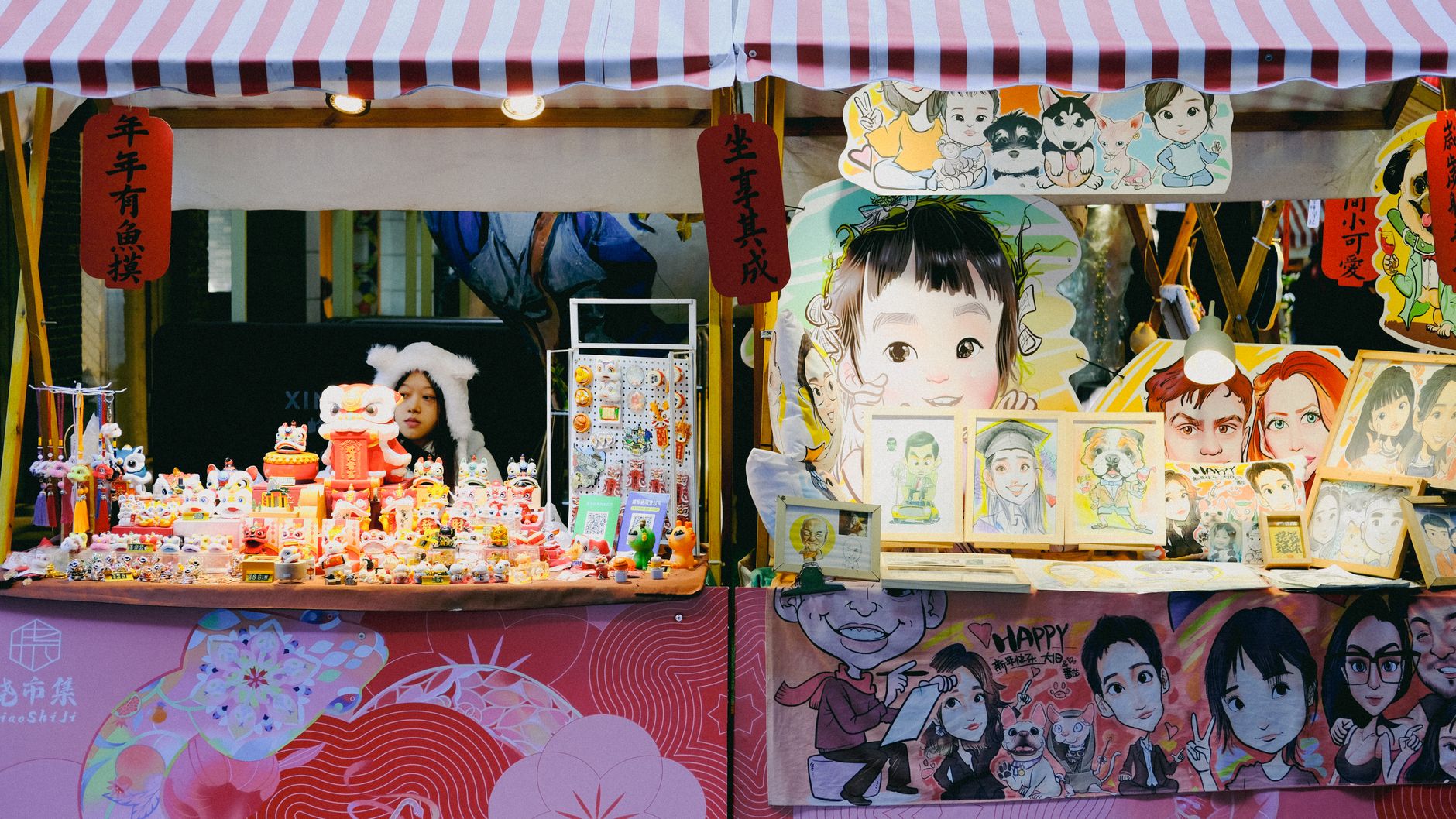
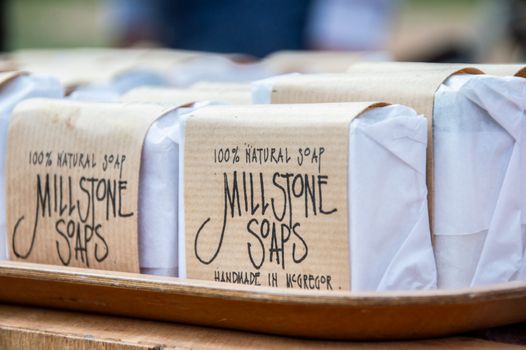 Photo: Adriette Benade / Pexels
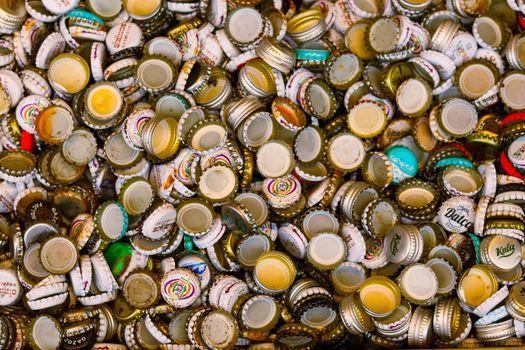 Photo: Hazal zeynep / Pexels
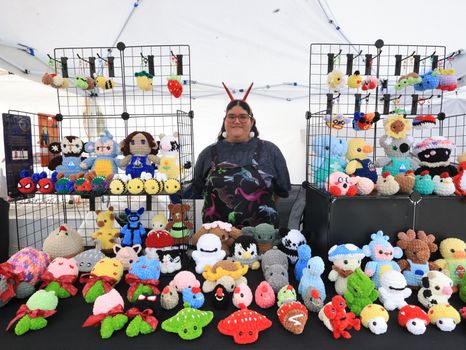 Photo: Heriberto Jahir Medina / Pexels
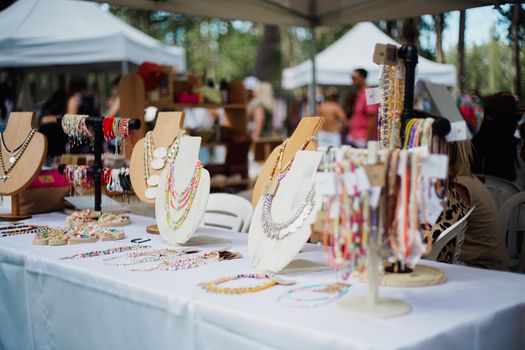 Photo: Elias Jara / Pexels