Mastering Craft Fair Booth Display Ideas for Success
craft fair booth display ideas

Mastering Craft Fair Booth Display Ideas for Success

Transform your craft fair booth into a captivating magnet for customers, turning browsers into buyers with strategic design.

Design Your Dream Booth

Key Takeaways

  • ✓ First impressions are made in under 3 seconds.
  • ✓ A well-designed booth can increase sales by 30% or more.
  • ✓ Storytelling through display builds customer connection.
  • ✓ Strategic lighting can highlight products and create ambiance.

How It Works

1
Define Your Brand & Product Story

Before anything else, understand your brand's unique identity and the narrative you want your products to tell. This foundational step guides all subsequent design choices, ensuring coherence.

2
Plan Your Layout & Flow

Sketch out your booth's floor plan, considering customer traffic patterns and product placement. Aim for an inviting, easy-to-navigate space that encourages exploration and interaction.

3
Curate Display Elements & Materials

Select display fixtures, signage, and props that complement your products and brand aesthetic. Focus on materials that are lightweight, durable, and easy to transport and assemble.

4
Practice & Refine Your Setup

Set up your booth at home or in your studio to identify potential issues and optimize product arrangement. This rehearsal saves time and reduces stress on the actual fair day.

The Psychology Behind Effective Craft Booth Design
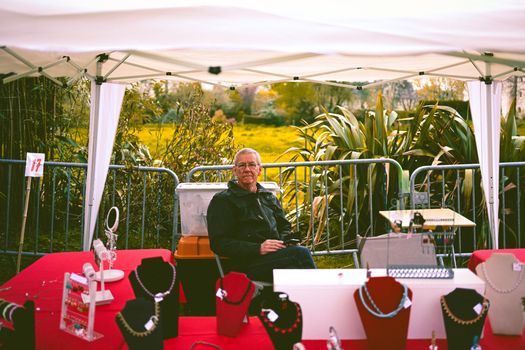
A mature man sits under a canopy in a jewelry booth displaying necklaces outdoors. Photo: Kwami Heude Izawaki / Pexels
Stepping into the bustling world of a craft fair, your booth is not just a space; it's a silent salesperson, a brand ambassador, and an experience waiting to unfold. The psychology behind effective craft booth design goes far beyond simply arranging products; it's about understanding human behavior, visual cues, and the subtle art of persuasion. From the moment a potential customer glances your way, their brain is making rapid assessments. Is your booth inviting? Does it look professional? Can they easily understand what you sell? These initial impressions are critical, often determining whether someone stops or walks by. One of the core psychological principles at play is the 'primacy effect,' meaning people tend to remember the first things they see. Your booth's overall aesthetic and the products immediately visible from the aisle are paramount. A cluttered or unorganized booth can trigger a sense of overwhelm, causing visitors to retreat. Conversely, a clean, well-structured, and visually appealing display creates a sense of calm and intrigue. Color theory plays a significant role; warm colors like reds and oranges can evoke energy and excitement, while cool colors like blues and greens can convey tranquility and professionalism. Your choice of colors should align with your brand's personality and the mood you wish to create. Another crucial aspect is creating a 'path of discovery.' Instead of bombarding visitors with everything at once, design your booth to guide their eyes and feet. Use varying heights, focal points, and clear pathways to encourage exploration. Think of it as a mini-retail store experience. People enjoy the hunt, the process of finding something unique. If everything is laid out flat on a table, the sense of discovery diminishes. Strategic lighting can also draw attention to specific products, acting as a spotlight on your best sellers or new arrivals. Humans are naturally drawn to light, and a well-lit product appears more attractive and valuable. Moreover, incorporating elements of sensory marketing – a pleasant scent, soft background music (if permitted), or a tactile sample – can create a more immersive and memorable experience, forging a stronger connection with your brand. Remember, people buy with their emotions, and a booth that evokes positive feelings is more likely to convert browsers into buyers. Understanding these psychological underpinnings is the first step toward crafting a truly impactful display. For more on creating a strong brand presence, explore branding for artisans.

Essential Elements of a Captivating Craft Fair Display
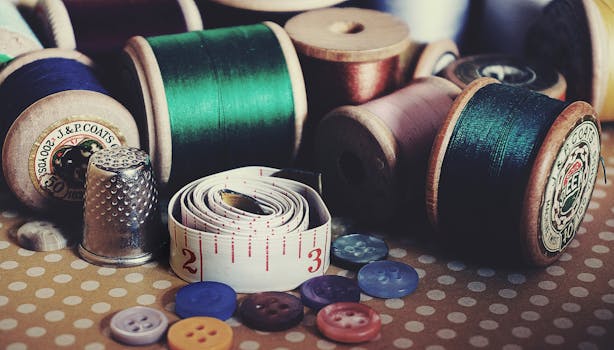
Close-up of vintage sewing essentials including threads, buttons, thimble, and measuring tape. Photo: Suzy Hazelwood / Pexels
Building a captivating craft fair display requires a thoughtful combination of structural elements, visual merchandising techniques, and personal touches that reflect your unique brand. Start with your foundation: tables and shelving. These aren't just surfaces; they are stages for your products. Invest in sturdy, professional-looking tables that can be draped or covered to create a cohesive look. Adjustable shelving units, risers, and tiered displays are invaluable for adding vertical interest, preventing a flat, uninspired presentation. Varying heights breaks the monotony and allows customers to view products from different angles, enhancing their perceived value. Beyond the basic structure, signage is your silent spokesperson. Clear, concise, and branded signage is non-negotiable. This includes your business name, logo, pricing (clearly visible for each item or category), and a brief, compelling statement about your craft or brand mission. Don't forget to include your social media handles and website address – easy-to-scan QR codes are a modern, effective addition. Your signage should be legible from a distance and consistent with your overall brand aesthetic, reinforcing professionalism and trustworthiness. Consider a banner that can be seen from across the aisle, drawing people in before they even reach your immediate space. Lighting is often overlooked but dramatically impacts how your products are perceived. Natural light can be beautiful, but many indoor venues lack adequate illumination. Battery-operated LED spotlights, fairy lights, or clip-on lamps can transform your display, highlighting intricate details, making colors pop, and creating a warm, inviting glow. Position lights strategically to eliminate shadows and draw attention to your best pieces. Props and decorative elements should enhance, not distract from, your products. Choose items that tell a story related to your craft – a vintage sewing machine for textile artists, natural elements for nature-inspired jewelry, or rustic crates for handmade soaps. These details add personality and context, helping customers visualize your products in their own lives. Finally, ensure you have a dedicated space for transactions and customer interaction. A clean, uncluttered checkout area with a friendly face makes the purchasing process smooth and pleasant, leaving a lasting positive impression.

Maximizing Space and Flow in Small Booths
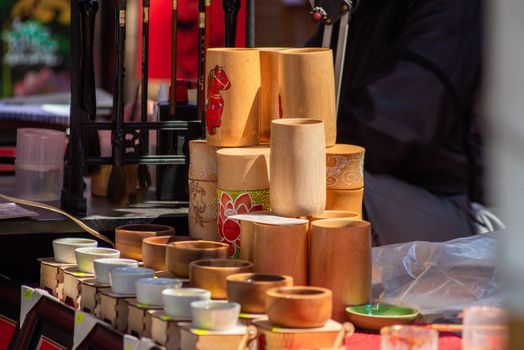
A close-up of a stack of wooden cups displayed at an outdoor market stall, showcasing handcrafted artistry. Photo: Ty Nguyễn / Pexels
Many craft fair vendors operate within compact booth spaces, often 10x10 feet or even smaller. The challenge isn't just fitting everything in, but doing so in a way that feels open, inviting, and encourages exploration rather than claustrophobia. Maximizing space and flow in a small booth is an art form that prioritizes verticality, clever storage, and strategic layout. The first rule for small spaces is to 'go up.' Utilize every inch of vertical space with tiered shelving, wall grids, pegboards, and hanging displays. This not only showcases more product but also draws the eye upward, making the booth feel larger than it is. Wall-mounted shelves or hooks can keep tables clear and uncluttered, preventing a 'piled-up' look that overwhelms visitors. Collapsible or modular display units are your best friends, allowing for flexible arrangements and easy transport. Next, consider your booth's layout to optimize customer flow. Avoid creating barriers or dead ends. An L-shaped or U-shaped configuration can work well, inviting customers into the space rather than making them feel like they're just browsing from the aisle. If you have a 10x10 booth, resist the urge to put a table directly across the front, creating a wall. Instead, angle a table, or place two tables along the sides, leaving an open entrance. This encourages customers to step inside, where they are more likely to spend time and make a purchase. Ensure there's enough room for at least two people to comfortably browse side-by-side without feeling cramped. Remember, personal space is important, and a crowded booth can deter potential buyers. Smart storage is crucial for maintaining a professional appearance. Use storage bins or containers that fit neatly under tables and are hidden by tablecloths. These can hold extra inventory, packaging supplies, and personal items, keeping your selling space pristine. Don't forget about your personal comfort and space too; a tiny stool or chair that tucks away neatly can provide much-needed rest during a long day. Finally, keep your product selection focused. In a small space, fewer, well-displayed items are more impactful than a vast, jumbled array. Curate your collection to showcase your best work and most popular items, making it easier for customers to make decisions. For more tips on efficient organization, check out our guide on craft business organization.

Common Craft Fair Display Mistakes and How to Avoid Them

Even the most talented crafters can falter when it comes to booth display, and avoiding common pitfalls is as important as implementing stellar ideas. Recognizing these mistakes beforehand can save you stress, time, and potentially lost sales. Here are some frequent errors and how to sidestep them: * **Clutter Overload:** * **Mistake:** Piling too many products onto tables, making it difficult for customers to see individual items or appreciate their craftsmanship. It creates visual noise and overwhelms the eye. * **Solution:** Embrace the 'less is more' philosophy. Curate your display, showcasing a limited number of hero products and keeping backup inventory neatly stored. Use vertical space to spread out items and create breathing room. * **Lack of Clear Pricing:** * **Mistake:** Not displaying prices clearly or making customers ask for every item. This creates awkwardness and can deter purchases, as many people are uncomfortable asking. * **Solution:** Price every item individually, or use clear signage for price ranges or categories. Ensure prices are visible and legible from a comfortable distance. Use attractive, branded price tags. * **Poor Lighting:** * **Mistake:** Relying solely on venue lighting, which is often dim or unflattering, making products appear dull or colors inaccurate. * **Solution:** Bring your own lighting! Battery-operated LED spotlights, clip-on lamps, or even string lights can dramatically improve visibility and create an inviting ambiance. Highlight your best pieces with focused light. * **Neglecting the Back Wall:** * **Mistake:** Leaving the back wall of your booth bare or using it only for storage, missing a huge opportunity for branding and display. * **Solution:** Utilize your back wall for a branded banner, hanging displays, pegboards, or a compelling visual story. This is often the first thing people see from a distance, so make it count. * **Inconsistent Branding:** * **Mistake:** Having a display that doesn't match your product style, business cards, or online presence. This creates confusion and undermines your brand identity. * **Solution:** Ensure all elements – colors, fonts, materials, and overall aesthetic – are cohesive and reflect your brand's personality. Consistency builds recognition and trust. * **No Customer Interaction Space:** * **Mistake:** Creating a barrier between you and the customer with tables directly across the front, making it hard for people to step in and engage. * **Solution:** Design your layout to invite customers into your space. Leave an open entrance, or angle your tables. Have a clear, comfortable area for conversations and transactions. * **Forgetting to Look from the Aisle:** * **Mistake:** Only seeing your booth from the inside, missing how it appears to passing customers. * **Solution:** Step out of your booth regularly and view it from different angles, just as a customer would. Take photos to get an objective perspective and identify areas for improvement.

Comparison

FeatureProfessional DisplayDIY Basic SetupRental Options
Initial CostHighLowMedium
PortabilityModular/ModerateEasyN/A (on-site)
CustomizationExtensiveLimitedSome
Brand ImpactStrongModerateVaries
DurabilityHighMediumHigh
Setup TimeModerateFastModerate
Professionalism

What Readers Say

"Applying these craft fair booth display ideas completely transformed my pottery sales. The suggestion to use vertical space made my 10x10 booth feel so much larger and more inviting, leading to more engagement."

Sarah J. · Austin, TX

"I used to just throw my jewelry on a table. After reading this, I invested in proper lighting and risers, and the difference was immediate. My booth looked so much more polished and attracted a higher-end clientele."

Mark D. · Portland, OR

"The advice on customer flow was a game-changer. Re-arranging my tables to create an open entrance led to a 40% increase in foot traffic and, consequently, a significant boost in sales at my last show!"

Emily R. · Nashville, TN

"While some ideas require a bigger budget, the core principles of decluttering and clear pricing were incredibly helpful. My display is cleaner, and customers seem more comfortable browsing now."

David L. · Denver, CO

"As a new vendor, I felt overwhelmed. This guide broke down craft fair booth display ideas into manageable steps, from branding to lighting. My first fair felt professional and successful thanks to these tips!"

Jessica M. · Miami, FL

Frequently Asked Questions

What are the most crucial elements for an eye-catching craft fair booth?

The most crucial elements include a clear, cohesive brand theme, varying display heights to create visual interest, excellent lighting to highlight products, and clear, legible pricing. Also, ensure a welcoming layout that invites customers into your space rather than creating a barrier.

I have a very small budget for my display. What are the best low-cost ideas?

Focus on DIY solutions like using old crates or sturdy cardboard boxes covered with fabric for risers. Good lighting can be achieved with battery-operated LED fairy lights or clip-on lamps. Simple, well-designed signage can be printed at home or a local print shop. Focus on cleanliness and organization above all.

How do I make my products stand out among many similar vendors?

Differentiation comes from your unique brand story, exceptional product quality, and a display that visually communicates your distinct style. Use props that relate to your craft, incorporate personal touches, and ensure your booth aesthetic is consistent with your product's vibe. Excellent customer service also makes a huge difference.

How much should I expect to spend on a basic craft fair booth display?

A basic, effective display can range from $100-$500 for essentials like tablecloths, risers, basic signage, and some lighting. A more professional, custom setup could cost $1000+, but many elements can be acquired gradually or through DIY. Prioritize what makes the biggest visual impact first.

Are grid walls or pegboards better for displaying products?

Both grid walls and pegboards are excellent for vertical display. Grid walls offer more flexibility with hooks and baskets, often easier to assemble, and are generally sturdier for heavier items. Pegboards offer a cleaner aesthetic and can be more customizable with various peg styles, but might be less robust for very heavy products. The best choice depends on your specific product needs and aesthetic preference.

Who should invest time in improving their craft fair booth display?

Anyone participating in craft fairs, art shows, or handmade markets, from seasoned artisans to first-time vendors, should invest time in improving their booth display. A compelling display directly impacts customer engagement, brand perception, and ultimately, sales, making it a critical aspect of success for any craft business.

What are the risks of a poorly designed craft fair booth?

The risks include low customer traffic, decreased sales, a negative brand impression, and difficulty standing out from competitors. A cluttered or unprofessional booth can also give the impression of lower quality products, regardless of the actual craftsmanship, leading to missed opportunities and wasted effort.

What are future trends in craft fair booth display ideas?

Future trends lean towards sustainability with eco-friendly materials, enhanced interactivity through digital elements like QR codes for product info or payment, and highly personalized, immersive experiences that tell a deeper brand story. Modular, adaptable displays that can be easily reconfigured for various venues will also become more prevalent.

Elevate your craft fair presence and captivate your audience. By implementing these strategic craft fair booth display ideas, you're not just selling products; you're creating an unforgettable experience that boosts your brand and your bottom line. Start designing your dream booth today and watch your sales soar!

Topics: craft fair booth display ideascraft show setup tipsart fair display strategiesvendor booth designhandmade market presentation
Leo List

IE Escorts NO Escorts US Escorts NZ Escorts AU Escorts
Brampton weed
Adultwork EstrelaBet Vai de Bet R7 Bet Betão Galera Bet Rainbet Bet9ja Shop SportyBet BetKing Sisal Loto Foot Hollywoodbets YesPlay Odibets RushBet Jugabet BetWarrior BetCity MSport betPawa Fortebet