✓ Custom craft stamps offer unparalleled personalization for all your projects.
✓ Materials range from traditional rubber to durable photopolymer for different uses.
✓ Design options include text, logos, illustrations, and intricate patterns.
✓ Prices vary based on size, complexity, and material, but are accessible for most budgets.
How It Works
1
Conceptualize Your Design
Begin by envisioning what you want your stamp to represent. Consider text, images, or a combination, and think about the size and detail required for your crafting needs.
2
Choose a Reputable Vendor
Research and select a custom stamp maker known for quality and customer service. Look for vendors offering various materials and design flexibility to match your project.
3
Submit Your Artwork
Upload your design file (vector graphics are often preferred) or use the vendor's online design tool. Clearly communicate any specific requirements or desired effects for your stamp.
4
Review and Approve Proof
Most vendors provide a digital proof of your custom stamp before production. Carefully review all details for accuracy and make any necessary adjustments before giving final approval.
Why Invest in Personalized Rubber Stamps for Your Crafting
Photo: Huỳnh Như Mavi / Pexels
In the vibrant world of crafting, personalization is the golden thread that weaves individuality into every project. While off-the-shelf stamps offer convenience, the ability to buy custom craft stamps elevates your work to an entirely new level. Imagine having a stamp that perfectly encapsulates your brand logo for handmade goods, a unique monogram for personalized stationery, or an intricate pattern that exists nowhere else but in your creative vision. This isn't just about adding a mark; it's about imprinting your identity, telling a story, and creating pieces that are genuinely one-of-a-kind. Custom stamps empower crafters, small business owners, and hobbyists alike to achieve a level of detail and consistency that is otherwise impossible. They transform ordinary items into extraordinary keepsakes, making gifts more thoughtful and products more professional.
The benefits extend beyond mere aesthetics. For small businesses, custom stamps are an incredibly cost-effective branding tool. Instead of expensive custom printing for every piece of packaging, a well-designed custom stamp can add a professional, branded touch to bags, boxes, tags, and even thank-you notes. This not only reinforces your brand identity but also adds a handmade charm that resonates with customers. For personal projects, whether it's scrapbooking, card-making, fabric printing, or pottery, a custom stamp allows for endless creative expression. You can design stamps for specific events like weddings or birthdays, create unique borders for journaling, or even make your own intricate patterns for textile art. The control you gain over your designs means you're no longer limited by what's commercially available; your imagination becomes the only boundary. Furthermore, the durability of a high-quality custom stamp means it's a long-term investment. Unlike digital prints that can fade or single-use stickers, a well-maintained stamp will provide countless impressions, making it a sustainable and economical choice for repetitive designs. It also fosters a deeper connection to your craft, as you're not just applying a design, but applying *your* design, brought to life through a tool crafted specifically for you. This deep level of customization and personal touch is precisely why crafters are increasingly turning to bespoke stamping solutions to differentiate their work and truly make it their own.
Navigating the Options: Materials, Types, and Design Considerations for Custom Stamping Supplies
Photo: cottonbro studio / Pexels
When you decide to buy custom craft stamps, understanding the various options available is crucial for making an informed decision that perfectly suits your crafting needs. The primary material choices typically include traditional rubber and photopolymer. Rubber stamps are renowned for their durability and ability to hold fine detail, making them ideal for long-term, heavy-duty use across various surfaces, including paper, fabric, and even clay. They are often mounted on wooden blocks, offering a sturdy grip and classic aesthetic. Photopolymer stamps, on the other hand, are clear, allowing for precise placement of your impression. They are highly versatile, often more affordable for intricate designs, and excellent for use with a wide range of inks. The choice between these materials often comes down to budget, desired lifespan, and the level of precision needed for placement.
Beyond materials, you'll encounter different types of custom stamps. Self-inking stamps are fantastic for high-volume applications, offering quick, consistent impressions without needing a separate ink pad. They are commonly used for business branding, return addresses, or repetitive labeling. Traditional mounted stamps (rubber or photopolymer) require an external ink pad but offer greater flexibility in terms of ink color and type, making them popular for artistic and varied crafting projects. Embossing stamps, while less common for general crafting, create a raised, tactile design, adding a sophisticated dimension to paper crafts. Your project's specific requirements – whether it's speed, artistic flexibility, or a unique textural effect – will guide your choice of stamp type.
Design considerations are paramount when creating custom craft stamps. High-resolution artwork is essential, with vector files (like AI, EPS, SVG) generally preferred by manufacturers as they can be scaled without loss of quality. If you're submitting a raster image (like JPG, PNG), ensure it's at least 300 DPI at the final stamp size to avoid pixelation. Think about the complexity of your design; extremely fine lines or very small text might not translate well on smaller stamps, especially with certain materials or ink types. Consider the negative space within your design, as this will determine the areas that *don't* get inked. For text, choose clear, legible fonts. If your design has multiple elements, ensure there's enough spacing between them to prevent smudging or bleeding. Finally, remember that stamps create a mirror image of your design, so if you're including text, it will be reversed on the stamp itself to appear correctly when stamped. Always double-check proofs carefully to ensure your vision is accurately captured before production begins. This meticulous approach to design and material selection ensures your custom stamp will be a functional and beautiful extension of your creative toolkit.
Where to Find Quality Custom Craft Stamp Design Services in the US
Photo: cottonbro studio / Pexels
Finding a reliable and high-quality provider when you're ready to buy custom craft stamps is a critical step in bringing your vision to life. The United States boasts a diverse array of manufacturers and online retailers specializing in custom stamp creation, each offering unique advantages. Online platforms are often the most convenient starting point. Websites like Etsy are treasure troves for independent artisans who offer bespoke stamp services, providing a personal touch and often catering to highly specific or artistic requests. Many of these sellers allow direct communication for design consultation, which can be invaluable for complex projects. Beyond individual sellers, dedicated custom stamp websites such as Stamp-Connection, RubberStamps.com, or The StampMaker are established players with robust online design tools and a wide selection of materials, sizes, and stamp types. These larger companies often have streamlined processes, competitive pricing, and faster turnaround times, especially for more standard designs or bulk orders.
When evaluating potential vendors, several factors should guide your decision. Firstly, look at their reputation and customer reviews. Positive feedback regarding print quality, accuracy of design reproduction, and customer service is a strong indicator of reliability. Secondly, examine their design submission process. Do they accept various file formats? Do they offer an intuitive online design tool if you don't have ready-made artwork? The ease of translating your idea into a printable design is crucial. Thirdly, consider the range of materials and options they provide. If you need a specific type of stamp (e.g., self-inking, rubber, photopolymer, specific handle type), ensure the vendor offers it. Fourth, inquire about turnaround times and shipping costs, especially if you have a deadline. Some providers offer expedited services for an additional fee.
Finally, don't overlook local craft stores or printing shops. While less common for custom stamp manufacturing, some specialized local businesses might offer custom stamp services or partner with local manufacturers. Supporting local businesses can sometimes provide a more hands-on design consultation experience, though their pricing and range of options might differ from larger online retailers. Regardless of where you choose to buy custom craft stamps, always request a digital proof of your design before final production. This allows you to catch any errors or make last-minute adjustments, ensuring the final product perfectly matches your expectations. A little due diligence in vendor selection can save you time, money, and ensure your custom stamp is a tool you'll cherish and use for years to come, consistently delivering crisp, beautiful impressions that elevate all your crafting endeavors.
Maximizing Your Investment: Tips for Using and Maintaining Custom Craft Stamps
Once you've made the decision to buy custom craft stamps, knowing how to properly use and maintain them will ensure their longevity and consistently high-quality impressions. Improper use or storage can quickly degrade even the best-made stamp, leading to smudged images, damaged surfaces, or premature wear. Here are essential tips to maximize your investment:
* **Choose the Right Ink:** The type of ink you use can significantly impact your results and the stamp's lifespan. Water-based inks are generally safe for most rubber and photopolymer stamps and are easy to clean. Pigment inks offer opaque, vibrant colors but can be thicker and require more thorough cleaning. Solvent-based inks (for non-porous surfaces like plastic or metal) are aggressive and should only be used with stamps specifically designed for them, as they can damage standard rubber or photopolymer over time. Always match your ink to your project surface and stamp material.
* **Proper Stamping Technique:** For clear impressions, apply even pressure across the entire stamp surface. Avoid rocking the stamp, which can lead to blurry edges. Practice on scrap material until you find the right amount of pressure for your specific stamp and desired effect. For larger stamps, consider using an acrylic block for photopolymer or a rocking motion (front to back) for mounted rubber stamps to ensure full coverage.
* **Immediate Cleaning is Key:** This is perhaps the most crucial maintenance tip. After each use, especially with darker or pigment inks, clean your stamp immediately. Dried ink is much harder to remove and can build up, affecting future impressions. Use a damp cloth or a specialized stamp cleaner. Avoid harsh solvents, abrasive materials, or scrubbing brushes, as these can damage the delicate details of your stamp. For rubber stamps, a gentle wipe with a baby wipe or a specialized stamp cleaner is usually sufficient. For photopolymer, warm water and mild soap work well. Ensure your stamps are completely dry before storing them.
* **Optimal Storage Conditions:** Store your custom craft stamps away from direct sunlight, extreme temperatures, and humidity. UV light can cause photopolymer stamps to yellow and become brittle, and can also degrade rubber. Store them flat in a cool, dry place. If your stamps are clear photopolymer, consider storing them in a light-blocking container or album to prevent yellowing. For mounted rubber stamps, a sturdy drawer or shelf is ideal. Proper storage prevents warping, cracking, and deterioration of the stamp material.
* **Protecting Fine Details:** For stamps with intricate designs or very fine lines, be extra gentle during cleaning and storage. Avoid bending or creasing photopolymer stamps, and ensure rubber stamps aren't subjected to pressure that could distort their shape. Using a soft brush (like an old toothbrush) with stamp cleaner can help get into tiny crevices without damaging the design.
By following these simple yet effective tips, your custom craft stamps will remain in excellent condition, providing countless crisp, beautiful impressions for all your creative endeavors. They are an investment in your craft, and with proper care, they will continue to be a valuable tool for years to come.
Common Mistakes to Avoid When Designing and Ordering Custom Craft Stamps
Embarking on the journey to buy custom craft stamps can be incredibly rewarding, but a few common pitfalls can lead to disappointment if not avoided. Being aware of these mistakes upfront can save you time, money, and ensure your final stamp meets your expectations.
* **Low-Resolution Artwork:** This is arguably the most frequent mistake. Submitting a low-resolution image (e.g., a small web image) for a larger stamp will result in a pixelated, blurry, or jagged impression. Always provide the highest resolution artwork possible, preferably a vector file (like AI, EPS, SVG) that can be scaled infinitely without loss of quality. If using a raster image (JPG, PNG), ensure it's at least 300 DPI at the *final desired stamp size*.
* **Ignoring Negative Space and Line Thickness:** Many crafters overlook the importance of negative space (the areas that won't be inked) and the thickness of lines in their design. If lines are too thin, they might not hold ink well or could break down over time. If elements are too close together, they can fill in with ink, creating a muddy impression. Discuss minimum line thickness requirements with your chosen vendor, especially for intricate designs.
* **Forgetting Mirror Image for Text:** Stamps create a mirror image of your design. While most online design tools or vendors will automatically reverse text, if you're submitting raw artwork, you must ensure any text is reversed before submission, otherwise, it will stamp backward. Always double-check the proof for text orientation.
* **Underestimating Stamp Size:** It's easy to misjudge how a design will look at a specific stamp size. A design that looks great on a large screen might be too intricate or illegible when shrunk down to a 1-inch stamp. Conversely, a simple design might look sparse on a very large stamp. Print your design out at the actual size you intend to order before submitting it to get a realistic preview.
* **Not Requesting or Reviewing Proofs:** Always, always request a digital proof. This is your last chance to catch errors, typos, or design flaws before the stamp is manufactured. Review it meticulously for size, proportion, text, and overall appearance. Don't rush this step.
* **Choosing the Wrong Stamp Material for the Application:** As discussed, different materials (rubber, photopolymer) and types (self-inking, mounted) are best suited for different uses. Using a fragile photopolymer stamp for heavy-duty industrial marking, or expecting a self-inking stamp to provide artistic flexibility with multiple ink colors, will lead to dissatisfaction. Match the stamp to its intended purpose.
* **Overlooking Vendor Reputation and Support:** Don't just go for the cheapest option. Research vendor reviews, their customer service policies, and their expertise. A reputable vendor can offer valuable advice on design optimization and material selection, preventing costly mistakes. Good communication with your vendor is invaluable.
By being mindful of these common errors, you can navigate the custom stamp ordering process with confidence, ensuring you receive a high-quality, functional, and beautiful custom craft stamp that perfectly fulfills your creative vision.
Comparison
Feature
Rubber Stamps (Custom)
Photopolymer Stamps (Custom)
Self-Inking Stamps (Custom)
Off-the-Shelf Stamps
Durability
Excellent
Good
Good
Varies
Detail Retention
Very Good
Excellent
Good
Varies
Cost (per stamp)
Medium-High
Low-Medium
Medium-High
Low
Ink Color Flexibility
High (use any pad)
High (use any pad)
Limited (built-in pad)
Limited
Design Customization
✓
✓
✓
✗
Ease of Use
Requires separate pad
Requires separate pad
Very Easy
Easy
Precision Placement
Good
Excellent (clear)
Good
Good
Best For
Heavy use, art
Intricate designs, variety
High volume, business
Basic, quick needs
What Readers Say
★★★★★
"I needed a unique logo stamp for my handmade jewelry packaging, and finding where to buy custom craft stamps was a breeze with their service. The rubber stamp I received is incredibly detailed and durable, giving my brand a truly professional touch. It's exactly what I envisioned!"
Sarah J. · Austin, TX
★★★★★
"As a scrapbooker, I'm always looking for personalized elements. I ordered a custom photopolymer stamp with a specific floral pattern, and the clarity of the impression is outstanding. It's easy to clean and has become a staple in my crafting kit."
Mark D. · Portland, OR
★★★★★
"Our small business needed a return address stamp with our custom font. The self-inking custom stamp we got is perfect – it saves so much time and looks incredibly sharp on all our mail. It’s made our branding so much more consistent."
Emily R. · Miami, FL
★★★★★
"I was looking to buy custom craft stamps for my pottery, and the process was quite smooth. The detail on the rubber stamp for clay was good, though I did have to experiment a bit with pressure to get the perfect impression. Overall, a great addition to my tools."
David L. · Denver, CO
★★★★★
"I created a custom stamp for my wedding invitations, featuring our unique monogram. The quality was exceptional, and it added such a personal and elegant touch that guests truly noticed. It was a highlight of our DIY wedding preparations."
Jessica M. · Chicago, IL
Frequently Asked Questions
What kind of designs can I create when I buy custom craft stamps?
You can create virtually any design, including text (names, addresses, quotes), logos, intricate illustrations, monograms, patterns, and even signatures. The only limitations are often the resolution of your artwork and the physical size constraints of the stamp, especially for very fine details.
Are custom craft stamps expensive?
The cost of custom craft stamps varies widely based on size, material (rubber vs. photopolymer), complexity of the design, and whether it's a mounted or self-inking stamp. While more expensive than generic stamps, they are a cost-effective branding and personalization tool that offers long-term value, often starting from $20-$30 for basic designs.
How do I submit my artwork for a custom stamp?
Most vendors prefer vector files (like .AI, .EPS, .SVG) as they offer the best quality and scalability. If you only have a raster image (.JPG, .PNG, .TIFF), ensure it's high-resolution (at least 300 DPI at the final stamp size) to avoid pixelation. Many online services also offer intuitive design tools for creating simple text or uploading basic images.
What's the difference between rubber and photopolymer custom stamps?
Rubber stamps are highly durable, excellent for heavy use and various surfaces, and generally mounted on wood. Photopolymer stamps are clear, allowing for precise placement, often more affordable for intricate designs, and great for a wide range of inks, but can be less durable for extremely heavy, daily use compared to traditional rubber.
Can I use custom craft stamps on fabric or other non-paper surfaces?
Yes, many custom craft stamps can be used on fabric, wood, clay, and other non-porous surfaces. The key is to select the appropriate type of ink for the surface and ensure your stamp material is compatible. Always test on a discreet area first to ensure desired results and permanence.
Who should consider buying custom craft stamps?
Anyone looking to add a unique, personalized, or branded touch to their projects can benefit. This includes small business owners for branding, crafters for unique designs, teachers for classroom use, individuals for personalized gifts or stationery, and artists for mixed-media work.
Will my custom stamp design be kept private?
Reputable custom stamp manufacturers typically have policies to protect customer designs and intellectual property. Your artwork is generally not shared or used for other customers without your explicit permission. If privacy is a major concern, inquire about their specific IP protection policies before ordering.
What are some emerging trends in custom craft stamp designs?
Current trends include minimalist line art, intricate botanical illustrations, personalized mandalas, custom bullet journal elements, and unique branding for eco-friendly packaging. There's also a growing demand for stamps that combine text with custom illustrations for a truly bespoke look.
Ready to infuse your crafting with unparalleled individuality and professionalism? Explore the endless possibilities when you buy custom craft stamps. Transform your ideas into tangible, repeatable art and make every impression uniquely yours.

 Photo: Huỳnh Như Mavi / Pexels
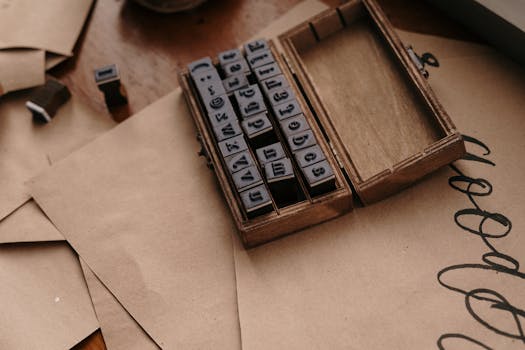 Photo: cottonbro studio / Pexels
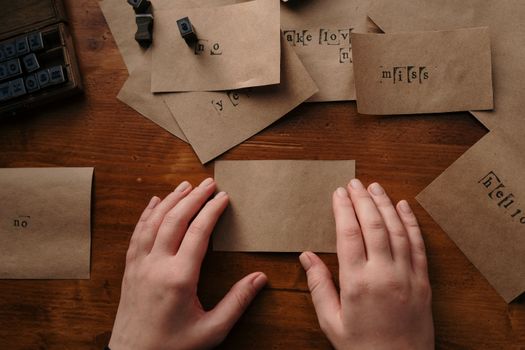 Photo: cottonbro studio / Pexels