Unleash Creativity: The Best Craft Kits for Kids Ages 8-12
craft kits for kids ages 8-12

Unleash Creativity: The Best Craft Kits for Kids Ages 8-12

Ignite imagination and skill development with engaging, age-appropriate craft kits designed for pre-teens.

Find Your Kit Now

Key Takeaways

  • ✓ Crafting enhances fine motor skills and hand-eye coordination in 8-12 year olds.
  • ✓ Engaging in creative projects boosts problem-solving abilities and critical thinking.
  • ✓ Craft kits offer a screen-free alternative, promoting focus and patience.
  • ✓ Choosing age-appropriate kits ensures safety, engagement, and a sense of accomplishment.

How It Works

1
Identify Interests

Observe what types of activities your child enjoys, whether it's art, science, or building. This helps narrow down the vast array of available craft kits.

2
Research & Select a Kit

Look for kits specifically designed for ages 8-12, considering complexity, materials, and reviews. Ensure it aligns with their interests and developmental stage.

3
Set Up a Creative Space

Designate a well-lit, organized area for crafting where materials can be spread out without worry. This promotes a positive and focused crafting experience.

4
Encourage & Enjoy

Allow your child to take the lead, offering guidance only when needed. Celebrate their efforts and the finished product, fostering a love for creative expression.

Why Craft Kits are Essential for Developing Minds (Ages 8-12)
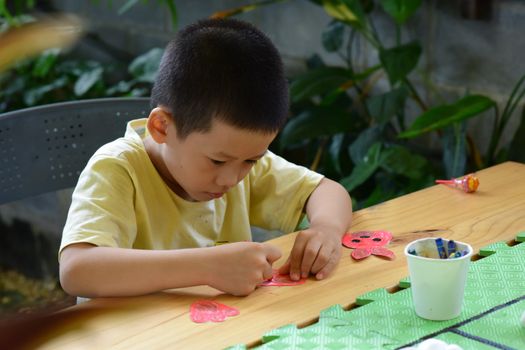
Young boy focused on a craft project at home, surrounded by colorful materials. Photo: Sóc Năng Động / Pexels
The age range of 8 to 12 is a fascinating and pivotal period in a child's development, marked by rapid cognitive growth, burgeoning independence, and an increasing desire for self-expression. During these years, often referred to as 'tweens,' children are transitioning from concrete thinking to more abstract reasoning, and their fine motor skills are becoming highly refined. This makes craft kits for kids ages 8-12 not just a source of entertainment, but a powerful developmental tool. Unlike younger children who might focus on the sensory experience of crafting, tweens are often driven by the desire to create something tangible, something that reflects their personality and skills. They appreciate challenges and the satisfaction of following instructions to produce a complex item, or conversely, using a kit as a springboard for their own unique designs. One of the most significant benefits of engaging with craft kits at this age is the enhancement of problem-solving skills. Many kits, especially those involving engineering, robotics, or complex art forms like jewelry making or model building, require children to interpret diagrams, follow sequences, and troubleshoot when things don't go as planned. This isn't just about assembling pieces; it's about understanding cause and effect, planning ahead, and adapting. For instance, a kit to build a small robot might involve wiring and mechanical assembly, teaching basic principles of engineering in a hands-on, engaging way. Similarly, a complex embroidery kit demands patience, precision, and the ability to correct mistakes, all valuable life skills. Furthermore, craft activities provide a crucial outlet for emotional expression. As tweens navigate the complexities of social relationships and personal identity, having a creative space to channel their thoughts and feelings can be incredibly therapeutic. Whether they are designing a personalized journal cover, painting a canvas, or creating unique wearable art, they are infusing their creations with their own experiences and perspectives. This process fosters self-esteem and a sense of accomplishment, especially when their work is admired by others. It also teaches them the value of perseverance; completing a challenging project, even with initial struggles, builds resilience and confidence. In an increasingly digital world, craft kits offer a much-needed screen-free alternative, promoting mindfulness and focused attention. Engaging with tactile materials – clay, fabric, beads, wood – stimulates different parts of the brain than digital interactions. This sensory engagement can be calming and help reduce stress, allowing children to disconnect from external pressures and immerse themselves in the present moment. It encourages patience and meticulousness, qualities that are often overlooked in fast-paced digital environments. Moreover, many craft kits can be collaborative, providing opportunities for children to work together with siblings or friends, fostering teamwork and communication skills. For more insights on the broader benefits of creative play, explore this guide to fostering creativity in children.

Navigating the Diverse World of Craft Kits for Tweens
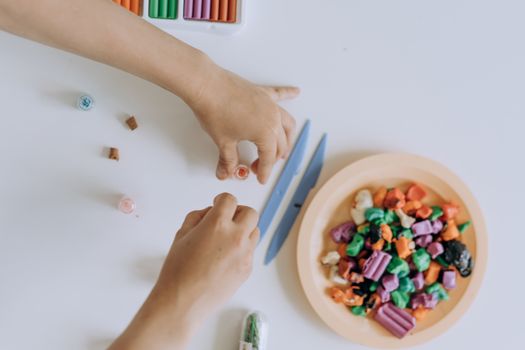
Hands crafting with colorful clay on a white surface, top view with artistic tools. Photo: Mikhail Nilov / Pexels
The market for craft kits for kids ages 8-12 is incredibly diverse, reflecting the wide range of interests and developmental stages within this age group. When selecting a kit, it's crucial to consider not just the age recommendation on the box, but also your child's individual preferences, skill level, and attention span. A kit that might be perfect for one 10-year-old who loves intricate details could be frustrating for another who prefers quick, impactful results. Understanding the different categories of craft kits can help parents and gift-givers make informed choices that truly resonate with the child. One popular category is 'Art & Design' kits, which encompass everything from advanced drawing and painting sets to fashion design portfolios and pottery wheels. These kits often introduce children to specific art techniques, materials, and even art history in an accessible way. For example, a watercolor painting kit might include high-quality paints, brushes, and paper, along with tutorials on blending and shading. A fashion design kit could come with fabric swatches, stencils, and design templates, encouraging children to explore their inner designer and understand basic garment construction. These kits nurture aesthetic appreciation, color theory, and spatial reasoning. Another rapidly growing area is 'Science & STEM-focused Crafts.' These kits cleverly blend creativity with educational principles, making learning fun and hands-on. Examples include crystal growing kits, soap making kits, bath bomb creation sets, and even simple electronics kits that allow children to build light-up creations or motorized toys. These aren't just crafts; they're experiments that teach chemistry, physics, and engineering concepts through practical application. They often come with detailed instructions that explain the scientific principles behind the craft, turning a fun activity into a valuable learning experience. The satisfaction of seeing a chemical reaction lead to a beautiful crystal or a self-made circuit light up is immense. 'Textile & Fiber Arts' remain a classic choice, offering a tactile and often calming crafting experience. This category includes knitting, crocheting, embroidery, tie-dyeing, friendship bracelet making, and even weaving kits. These activities are excellent for developing fine motor skills, patience, and pattern recognition. A friendship bracelet kit, for instance, can be a great social activity, allowing children to create gifts for their friends while mastering various knotting techniques. More advanced kits might introduce basic sewing machine skills or complex embroidery stitches, opening up a world of possibilities for custom clothing, home decor, and gifts. These crafts also teach the value of slow, deliberate work and the beauty of handmade items. Finally, 'Building & Model Making' kits appeal to children who enjoy assembling and constructing. This can range from intricate LEGO architecture sets and wooden model kits to DIY dollhouses, birdhouses, or even miniature furniture. These kits often require following detailed instructions, understanding spatial relationships, and using tools safely. They are fantastic for developing spatial reasoning, logical thinking, and perseverance. The sense of achievement upon completing a complex model is incredibly rewarding, fostering a lifelong appreciation for design and construction. When choosing, consider the complexity and the time commitment required, ensuring it aligns with the child's readiness for such a challenge.

Top Considerations When Choosing the Perfect Craft Kits for Kids Ages 8-12

Bright stationery set on a white background with colorful scissors and markers. Photo: Pixabay / Pexels
Selecting the ideal craft kits for kids ages 8-12 requires a thoughtful approach beyond just picking a colorful box. Several factors come into play that can significantly impact the child's enjoyment, learning, and overall crafting experience. Understanding these considerations will help you make a choice that truly fosters their creativity and development. First and foremost is **Age-Appropriateness and Skill Level**. While most kits will have an age recommendation, this is often a general guideline. An 8-year-old might be ready for more complex projects if they're already adept at crafting, while a 12-year-old new to crafts might benefit from something simpler. Look for kits that offer a balance: challenging enough to be engaging and teach new skills, but not so difficult that they lead to frustration and abandonment. Read reviews from other parents or guardians to gauge the true complexity. Some kits might require adult supervision or assistance, which can be a bonding experience but is important to know upfront. For instance, a pottery wheel kit might be age-appropriate but could require more direct adult involvement than a bead art kit. Next, consider the **Type of Craft and Materials Included**. Does the kit align with the child's existing interests or offer an exciting new avenue for exploration? If they love drawing, a graphic novel creation kit could be perfect. If they're fascinated by science, a DIY slime or soap-making kit might spark their curiosity. Evaluate the quality and safety of the materials. Are paints non-toxic? Are small parts clearly labeled for choking hazards (though less of a concern for this age group, it's still good practice)? Are there enough materials to complete the project, and perhaps even extra for experimentation? A kit that runs out of crucial components halfway through can be incredibly disappointing. Look for durable, well-made tools and supplies that will last through the project and potentially beyond. **Educational Value and Developmental Benefits** are also critical. Beyond just keeping them busy, what skills does the kit aim to develop? Does it enhance fine motor skills, spatial reasoning, problem-solving, or critical thinking? Does it introduce them to new concepts in art, science, or engineering? The best kits subtly integrate learning into the fun of creation. For example, a stop-motion animation kit teaches storytelling, technology, and patience, while a calligraphy set can improve handwriting and artistic expression. Think about whether the kit offers opportunities for open-ended play or if it's a one-and-done project. Kits that provide room for personalization and continued use often offer greater long-term value. Finally, think about **Mess Factor and Storage**. Some crafts are inherently messier than others. While a bit of mess can be part of the fun, consider your household's tolerance and the availability of a dedicated crafting space. Kits that include trays or easy-to-clean materials can be a lifesaver. Also, assess whether the finished product is something that can be displayed, used, or easily stored. A beautiful piece of jewelry or a functional ceramic bowl might be cherished, while a flimsy, quickly forgotten item might not be worth the investment. For more ideas on how to organize a creative space, check out this guide to organizing craft supplies effectively.

Tips for Maximizing the Crafting Experience and Avoiding Common Pitfalls
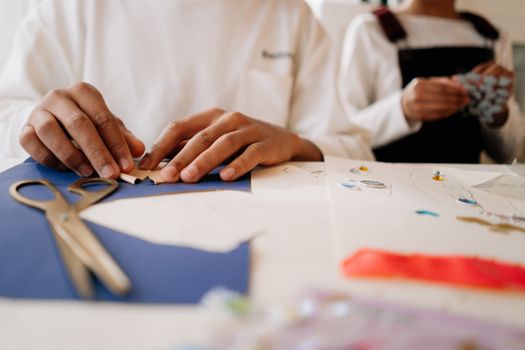
Children engaging in arts and crafts with paper and scissors, focusing on creativity and fun. Photo: cottonbro studio / Pexels
To ensure that craft kits for kids ages 8-12 truly deliver on their promise of creativity, learning, and fun, it's helpful to approach the crafting experience with a few strategies in mind. Avoiding common pitfalls can turn potential frustration into rewarding moments of achievement. **1. Set the Stage for Success:** Before diving in, help your child prepare their workspace. This means finding a clean, well-lit area where they can spread out without fear of damaging surfaces or losing small parts. Lay down newspaper or a craft mat if the project involves paint, glue, or other potentially messy materials. Having all components laid out and organized before starting can prevent interruptions and reduce anxiety. Ensure good ventilation if using materials with strong odors, like certain glues or paints. **2. Encourage Independence, Offer Support:** The sweet spot for this age group is allowing them to lead the project while being available for guidance. Resist the urge to take over, even if you see them struggling. Instead, ask guiding questions like, 'What does the next step say?' or 'What do you think might happen if you try it this way?' This fosters problem-solving and builds confidence. Celebrate their efforts, not just the perfect outcome. The process of creation is often more valuable than the final product itself. **3. Read Instructions Together (or Independently):** Many kits for this age group come with detailed, often illustrated instructions. Encourage your child to read them carefully from start to finish before beginning. This helps them understand the entire scope of the project and anticipate steps. For younger tweens or those new to complex instructions, reading through it together can be beneficial. For older, more confident crafters, allow them to tackle it independently, stepping in only if they ask for help. **4. Embrace Imperfection and Experimentation:** Crafting is not always about perfection; it's about expression and learning. If a project doesn't turn out exactly like the picture on the box, that's okay! Encourage your child to embrace their unique creation. Many kits also include extra materials or offer opportunities for customization. Encourage them to deviate from the instructions, mix colors, add their own flair, or even use leftover materials for a completely new mini-project. This cultivates innovation and a less rigid approach to creativity. **5. Clean Up Together and Display Creations:** Make cleaning up part of the crafting process. This teaches responsibility and helps maintain an organized creative space for future projects. Most importantly, find a way to display or use their finished creations. Whether it's hanging a painting, wearing a handmade piece of jewelry, or showcasing a constructed model, acknowledging their work boosts their self-esteem and validates their efforts. This positive reinforcement encourages them to continue exploring their creative potential. Consider framing their artwork or dedicating a shelf to their craft kit masterpieces.

Comparison

FeatureArt & Design KitsScience & STEM KitsTextile & Fiber Arts Kits
Key Skill FocusCreativity, Aesthetics, Fine MotorProblem-solving, Logic, Scientific PrinciplesPatience, Fine Motor, Pattern Recognition
Mess LevelModerate (paints, glue)Varies (slime, soap, crystals)Low (yarn, beads, fabric)
Adult SupervisionLow to ModerateModerate to High (chemicals, small parts)Low
Open-Ended Play
Typical Project Time1-3 hours per project2-4 hours (often multi-stage)Varies (short to long-term)

What Readers Say

"My 9-year-old daughter absolutely adored the 'Make Your Own Bath Bombs' craft kit. It was engaging, taught her a bit of chemistry, and she loved using the finished products. Highly recommend for a fun, hands-on activity that results in something useful!"

Sarah J. · Austin, TX

"We got the robotics construction kit for my 11-year-old son, and he spent hours meticulously following the instructions. It was challenging but not overwhelming, and seeing his little robot move after he built it was fantastic. Great for budding engineers."

Mark P. · Seattle, WA

"The jewelry making kit was a huge hit with my 10-year-old and her friends. They made matching bracelets and necklaces, which resulted in a tangible, beautiful outcome they could wear and share. It really sparked their creativity and fine motor skills."

Emily R. · Denver, CO

"The tie-dye kit was fun, but definitely required more setup and cleanup than I anticipated. My 12-year-old loved the creative freedom, and the shirts turned out great, but be prepared for a bit of a mess. Still, a very memorable experience."

David L. · Chicago, IL

"As a homeschool mom, finding educational yet fun activities is key. The 'Create Your Own Comic Book' kit was perfect for my 8-year-old. It combined art with storytelling and writing, keeping her engaged for days. Excellent for fostering multiple skills."

Jessica M. · Miami, FL

Frequently Asked Questions

What kind of craft kits are best for an 8-year-old who gets easily frustrated?

For an 8-year-old prone to frustration, look for kits with clear, step-by-step instructions, fewer small parts, and projects that yield quick, visible results. Friendship bracelet kits, simple painting by numbers, or beginner clay modeling sets can be great choices as they offer immediate gratification and build confidence.

Are craft kits for kids ages 8-12 safe, especially with smaller components or chemicals?

Reputable craft kits designed for ages 8-12 undergo safety testing. Always check for non-toxic labels on paints and glues. For kits involving chemicals (like bath bomb making) or small parts, ensure adult supervision is provided, especially at the younger end of the age range, and follow all safety guidelines meticulously. Most kits are designed with safety in mind for this age group.

How can I encourage my pre-teen to stick with a craft kit until it's finished?

Break down larger projects into smaller, manageable steps, celebrating each mini-accomplishment. Set aside dedicated 'crafting time' to create a routine, and work on it together if they welcome your involvement. Remind them of the satisfaction of completing a project and display their work proudly to boost motivation.

Are expensive craft kits always better quality for kids ages 8-12?

Not necessarily. While higher-priced kits can sometimes offer better quality materials or more complex projects, many affordable kits provide excellent value and engaging experiences. Focus on reviews, age-appropriateness, and alignment with your child's interests rather than just the price tag. Sometimes simpler kits spark more creativity.

How do craft kits compare to digital art or gaming for child development at this age?

Craft kits offer unique developmental benefits that complement digital activities. They primarily foster fine motor skills, tactile sensory engagement, spatial reasoning, and real-world problem-solving, which are often less emphasized in digital environments. They also provide a screen-free outlet for creative expression and can enhance focus and patience.

Who benefits most from engaging with craft kits for kids ages 8-12?

Children who benefit most are those looking for a constructive outlet for creativity, those who enjoy hands-on learning, and those who could use a boost in fine motor skills, patience, or problem-solving. They are also excellent for kids seeking screen-free engagement and a sense of accomplishment through tangible creations.

What are common allergens or irritants to watch out for in craft kits?

Common irritants can include certain glues, paints (especially acrylics if not washed off quickly), and sometimes dyes in fabrics. Look for kits that explicitly state 'non-toxic' and 'hypoallergenic' where applicable. If your child has known allergies, check ingredient lists carefully, especially for things like latex in glues or certain pigments.

What's the future trend for craft kits for kids ages 8-12?

The trend is moving towards more STEM-integrated crafts, eco-friendly materials, and kits that offer open-ended creative possibilities rather than just a single project. Expect to see more kits combining coding with crafting, sustainable art supplies, and platforms that allow kids to design and personalize their projects online before creating them physically.

Unlock a world of imagination and skill-building for your pre-teen. Dive into our curated selections and find the perfect craft kits for kids ages 8-12 to inspire their next masterpiece and foster a lifelong love for creativity.

Topics: craft kits for kids ages 8-12craft projects for pre-teenscreative kits for tweensDIY kits for 8-12 year oldseducational craft kits
Leo List
Brampton weed
Adultwork EstrelaBet Vai de Bet R7 Bet Betão Galera Bet Rainbet Bet9ja Shop SportyBet BetKing Sisal Loto Foot Hollywoodbets YesPlay Odibets RushBet Jugabet BetWarrior BetCity MSport betPawa Fortebet