✓ Fabric glues come in various formulations: permanent, temporary, washable, and non-washable.
✓ Consider the fabric type, project's purpose, and desired durability when choosing.
✓ Always test glue on an inconspicuous area before full application.
✓ Many fabric glues require curing time to achieve maximum bond strength.
How It Works
1
Prepare Your Fabric
Ensure your fabric is clean, dry, and free of any sizing or lint. Pre-wash fabrics if recommended by the glue manufacturer to remove any finishes that might inhibit adhesion.
2
Apply Glue Sparingly
Apply a thin, even layer of glue to one of the surfaces you intend to bond. Avoid over-applying, as this can lead to messy results, longer drying times, and a stiff finish.
3
Join and Secure
Carefully press the two fabric pieces together, aligning them as desired. Apply firm, even pressure for a few seconds to ensure good contact and initial adhesion.
4
Allow to Cure
Follow the manufacturer's instructions for drying and curing times. Most fabric glues require several hours, or even up to 72 hours, to achieve full strength and washability.
Understanding Fabric Adhesives: Types and Their Uses
Photo: Pavel Danilyuk / Pexels
Choosing the best craft glue for fabric isn't a one-size-fits-all decision. The world of fabric adhesives is diverse, offering specialized solutions for nearly every textile project imaginable. To make an informed choice, it's crucial to understand the different types available and what makes each suitable for particular applications. Generally, fabric glues can be categorized by their permanence, flexibility, and washability. Permanent fabric glues, as their name suggests, create a lasting bond that is designed to withstand washing and wear. These are ideal for projects like hemming garments, appliqué, or creating durable fabric art. Look for terms like "permanent bond," "washable," or "dry cleanable" on the packaging. These glues often dry clear and remain flexible, preventing stiffness that could compromise the fabric's drape or feel. Their chemical composition allows them to penetrate and interlock with the fabric fibers, creating a strong, almost integral bond. Brands like Aleene's Fabric Fusion and Dritz Liquid Stitch are popular choices in this category, known for their reliability and ease of use. They often come in squeeze bottles with fine tips for precise application, which is essential for detailed work.
Temporary fabric glues, on the other hand, are designed for applications where you need to hold fabric in place temporarily before sewing or for positioning elements that might be adjusted later. These are incredibly useful for quilting, patchwork, or holding zippers in place. They typically dry tacky but can be easily removed or washed out without leaving residue or damaging the fabric. Spray adhesives, like Sulky KK 2000, are common in this category, offering a light, even coating over larger areas. Glue sticks specifically designed for fabric also fall into this group, providing a clean, mess-free application for smaller, more precise temporary holds. The key benefit here is the ability to reposition without commitment, saving time and frustration during the creative process. It's a fantastic tool for crafting intricate designs where precision is paramount, allowing for adjustments before the final, permanent step.
Then there are specialized fabric glues tailored for unique needs. For instance, some glues are formulated for attaching embellishments like rhinestones, sequins, or beads to fabric. These often have a thicker consistency and a stronger initial tack to hold small, heavy objects in place until they cure. Others are designed for specific fabric types, such as leather or denim, providing a bond that matches the material's inherent characteristics. For outdoor fabrics or items exposed to moisture, water-resistant or waterproof fabric glues are essential. These contain additives that prevent the bond from breaking down when wet, making them suitable for outdoor cushions, awnings, or even swimwear repairs. Understanding these distinctions empowers you to select the best craft glue for fabric that perfectly matches your project's demands, ensuring both aesthetic success and long-term durability. Always read the product descriptions carefully, paying attention to details regarding drying time, flexibility, and washability to ensure it aligns with your expectations and project requirements. The right glue can make all the difference between a project that lasts and one that quickly falls apart.
Key Factors for Choosing the Right Fabric Glue
Photo: RDNE Stock project / Pexels
Selecting the best craft glue for fabric involves more than just picking up the first bottle you see. Several critical factors should influence your decision to ensure your project not only looks good but also stands the test of time. First and foremost, consider the *fabric type* you're working with. Different fabrics react differently to adhesives. Natural fibers like cotton, linen, and denim generally bond well with most fabric glues due to their porous nature, which allows the glue to penetrate and create a strong mechanical bond. Synthetic fabrics such as polyester, nylon, or rayon, especially those with a smooth or slick finish, can be more challenging. For these, you might need a glue specifically formulated for synthetics or one that boasts superior adhesion properties. Fabrics with a loose weave or delicate structure, like silk or chiffon, require glues that dry clear and remain extremely flexible to avoid stiffening or staining. Heavy-duty fabrics like canvas or upholstery might demand a stronger, more robust adhesive that can withstand significant stress and movement.
Secondly, the *purpose of your project* is paramount. Are you creating a decorative piece that won't be washed, like a wall hanging or a piece of fabric art? Or are you mending a garment that will undergo frequent washing and wear? For decorative, non-washable items, a general-purpose fabric glue might suffice. However, for clothing, accessories, or anything that will be laundered, a washable fabric glue is non-negotiable. These glues are formulated to resist water and detergent, maintaining their bond even after multiple wash cycles. Similarly, if the item needs to withstand outdoor elements, look for glues labeled as water-resistant or waterproof. The flexibility of the dried glue is another crucial aspect. If the fabric needs to remain soft and pliable – think children's clothing, costumes, or anything that drapes – choose a glue that dries flexible. Stiff glues can make fabric uncomfortable to wear and may crack over time, compromising the bond and the aesthetic of your work.
Finally, *drying and curing time* and *application method* play a significant role. Some projects require a quick-drying glue for fast assembly, while others allow for a longer curing time for maximum strength. Always check the product label for specific instructions on drying and full curing times. Many glues require 24-72 hours to reach their maximum bond strength and washability. The application method also varies. Some glues come with fine tips for precise lines, perfect for intricate details or narrow seams. Others are designed for broader application, like spray adhesives for large areas or glues that can be spread with a brush for even coverage. Consider how you'll be applying the glue and choose a product that facilitates that process. For instance, if you're working with small embellishments, a glue with a precision applicator will be invaluable. By carefully evaluating these factors – fabric type, project purpose, desired flexibility, and application needs – you can confidently select the best craft glue for fabric that will ensure the success and longevity of your creative endeavors.
Top Contenders: Best Craft Glues for Fabric Projects
Photo: RDNE Stock project / Pexels
When it comes to the best craft glue for fabric, several brands and formulations consistently rise to the top, favored by crafters for their reliability, versatility, and performance. One of the most highly regarded options is **Aleene's Fabric Fusion Permanent Fabric Adhesive**. This glue is a true workhorse, celebrated for its strong, permanent bond on a wide variety of fabrics, including cotton, denim, felt, and even synthetics. It dries clear, remains flexible, and is completely machine washable and dry cleanable once fully cured. Its non-toxic formula makes it a favorite for clothing repairs, appliqué, and general fabric crafting. The consistency is perfect for precision application, and it doesn't soak through most fabrics, preventing stiff spots. Many crafters rely on Fabric Fusion for its ability to create a professional, no-sew finish that truly lasts. For anyone serious about fabric crafting, this is often the first glue recommended for its all-around excellence. It's an essential tool for any crafter's kit, suitable for everything from simple repairs to complex textile art.
Another strong contender is **Dritz Liquid Stitch Permanent Fabric Adhesive**. This glue is specifically designed as a no-sew alternative for hemming, mending, and appliqué. It creates a durable, washable bond that holds up exceptionally well to repeated laundering. Liquid Stitch is particularly known for its ability to create a strong edge bond, preventing fraying and providing a clean finish without the need for a needle and thread. It dries clear and remains flexible, making it ideal for garments where comfort and drape are important. Crafters often praise its ability to handle heavier fabrics like denim and canvas with ease, making it a go-to for patching jeans or creating sturdy fabric accessories. Its precise applicator tip allows for controlled lines, which is crucial for neat hems and detailed work. While it requires a bit of curing time, the resulting bond is incredibly reliable, offering a fantastic solution for those who prefer to avoid sewing or need a quick, strong fix.
For projects involving embellishments, **E6000 Fabri-Fuse Adhesive** is an excellent choice. While E6000 is famous for its industrial strength, the Fabri-Fuse variant is specifically formulated for fabric, offering a strong yet flexible bond that resists cracking and peeling. It's perfect for attaching rhinestones, beads, sequins, and other decorative elements to fabric, as well as for general fabric-to-fabric bonding. It dries clear and is machine washable and dry cleanable, making it suitable for items that will be worn or used frequently. The slightly thicker consistency provides good initial tack, holding embellishments in place while the glue cures. Its versatility extends to various materials, allowing you to bond fabric to non-fabric surfaces like wood or metal, which is fantastic for mixed-media projects. Lastly, for temporary holds or quilting, **Sulky KK 2000 Temporary Spray Adhesive** is invaluable. This acid-free, odorless, and colorless spray allows for repositionable placement of fabric pieces, making it ideal for appliqué, embroidery, and basting quilt layers. It won't gum up needles and washes out completely, leaving no residue. While not a permanent solution, it’s an indispensable tool for achieving precision before committing to a permanent bond or stitch. Each of these glues offers unique advantages, ensuring there's a perfect adhesive for every fabric crafting need.
Expert Tips for Flawless Fabric Gluing and Common Mistakes to Avoid
Photo: cottonbro studio / Pexels
Achieving flawless results with fabric glue requires more than just picking the best craft glue for fabric; it also involves proper technique and an awareness of common pitfalls. Here are some expert tips to ensure your projects turn out perfectly, along with mistakes to steer clear of.
**Expert Tips for Flawless Fabric Gluing:**
* **Always Pre-Wash Fabrics:** New fabrics often have sizing or finishes that can prevent glue from adhering properly. Washing and drying your fabric beforehand removes these barriers, ensuring a stronger, more reliable bond. Do not use fabric softener, as this can also leave a residue.
* **Test on Scraps:** Before applying glue to your main project, always test it on a small, inconspicuous scrap of the same fabric. This allows you to check for discoloration, stiffness, bleed-through, and bond strength without risking your entire piece. This step is especially crucial for delicate or unknown fabric types.
* **Apply Thin, Even Layers:** Less is often more with fabric glue. Applying too much glue can lead to a stiff, unsightly bond, longer drying times, and potential bleed-through. Use a thin, even bead or layer. For larger areas, spread the glue with a craft stick or brush for consistent coverage.
* **Use Clamps or Weights:** For optimal adhesion, apply firm, even pressure to the bonded areas while the glue dries. Use fabric clips, clothes pins, heavy books, or weights to hold the pieces securely in place. This ensures maximum contact between the fabric and the adhesive, resulting in a stronger bond.
* **Allow Full Curing Time:** Drying time and curing time are not the same. While a glue might be dry to the touch in an hour, it often requires 24-72 hours to fully cure and achieve its maximum strength and washability. Resist the urge to wash or put stress on the bonded area prematurely.
* **Work in a Well-Ventilated Area:** Some fabric glues can have strong fumes. Ensure you're working in a space with good airflow, or consider wearing a mask if you're sensitive to odors.
**Common Mistakes to Avoid:**
* **Using the Wrong Glue:** This is perhaps the biggest mistake. Using a non-washable glue on a garment or an inflexible glue on a draped fabric will lead to project failure. Always match the glue's properties to your project's requirements.
* **Not Cleaning the Fabric:** As mentioned, residues on fabric are adhesion killers. Skipping the pre-wash or working on soiled fabric will significantly weaken the bond.
* **Applying Too Much Glue:** Over-application leads to messy edges, stiff areas, and can even cause the glue to seep through to the visible side of the fabric, leaving permanent stains or discoloration.
* **Impatience:** Rushing the drying or curing process is a recipe for disaster. Removing clamps too soon or washing before the glue has fully cured will compromise the bond and can cause the fabric pieces to separate.
* **Ignoring Temperature and Humidity:** Extreme temperatures or high humidity can affect glue drying times and bond strength. Follow manufacturer recommendations for optimal application conditions.
* **Not Storing Glue Properly:** Always cap your glue tightly after use and store it according to the manufacturer's instructions. Improper storage can cause the glue to dry out, thicken, or lose its adhesive properties, rendering it useless for future projects. By adhering to these tips and avoiding common missteps, you can ensure your fabric gluing projects are successful, durable, and look professionally finished.
Comparison
Feature
Aleene's Fabric Fusion
Dritz Liquid Stitch
E6000 Fabri-Fuse
Primary Use
General Fabric Bonding, Appliqué
Hems, Mending, No-Sew Seams
Embellishments, Fabric-to-Fabric
Washability
Machine Washable, Dry Cleanable
Machine Washable, Dry Cleanable
Machine Washable, Dry Cleanable
Flexibility (Dried)
High
High
Medium-High
Drying Clear
✓
✓
✓
Initial Tack
Medium
Medium-High
High
Curing Time
24-72 hours
24-72 hours
24-72 hours
Best For
Versatile projects, clothing
Strong hems, sturdy repairs
Heavy embellishments, mixed media
What Readers Say
★★★★★
"Aleene's Fabric Fusion is truly the best craft glue for fabric! I used it to hem my curtains and they've held up perfectly through multiple washes. No stiffness, no peeling, just a clean, strong bond."
Sarah J. · Austin, TX
★★★★★
"I was skeptical about no-sew solutions, but Dritz Liquid Stitch changed my mind. It saved my favorite jeans with a quick patch, and the repair is practically invisible and incredibly durable. Highly recommended!"
Mark D. · Portland, OR
★★★★★
"For attaching rhinestones to dance costumes, E6000 Fabri-Fuse is unmatched. It holds everything securely through vigorous movement and washes, ensuring my designs sparkle without falling off. A total lifesaver!"
Emily R. · Miami, FL
★★★★★
"While I love the strength of Fabric Fusion, I sometimes wish it dried a little faster for quick projects. However, the wait is definitely worth it for the permanent, flexible results it delivers."
Jessica L. · Denver, CO
★★★★★
"As a quilter, Sulky KK 2000 temporary spray adhesive is my secret weapon. It perfectly holds my layers for basting without any residue or gumming up my needle. Makes intricate quilting so much easier."
David K. · Chicago, IL
Frequently Asked Questions
What is the most searched question about the best craft glue for fabric?
The most searched question often revolves around 'Which fabric glue is truly permanent and washable?' Crafters are consistently looking for an adhesive that offers a strong, lasting bond that can withstand repeated laundering without losing its integrity, ensuring their projects endure wear and tear.
Is fabric glue really as strong as sewing?
While fabric glue can create a very strong and durable bond, especially high-quality permanent options, it's generally not considered to be as strong or as long-lasting as a well-executed sewn seam for structural applications. However, for many decorative purposes, hems, or minor repairs, fabric glue offers a fantastic, often more convenient, alternative.
How do I make fabric glue dry faster?
To potentially speed up drying time, ensure you've applied a thin layer of glue, work in a warm, low-humidity environment, and ensure good air circulation around the project. Some crafters use a hairdryer on a low, cool setting from a safe distance, but always check the glue's instructions as excessive heat can sometimes weaken the bond or damage fabric.
How much does good quality fabric glue cost?
Good quality fabric glue typically ranges from $5 to $15 per bottle or tube, depending on the brand, size, and specific formulation. While there are cheaper options, investing in a reputable brand often pays off in terms of bond strength, durability, and a professional finish, making it a cost-effective choice in the long run for successful projects.
How does fabric glue compare to hot glue for fabric?
Fabric glue generally offers a more flexible, washable, and durable bond for fabric-to-fabric applications compared to hot glue. Hot glue can be stiff, creates a bulky bond, and often doesn't hold up well to washing or significant movement. Fabric glues are formulated to penetrate fibers and cure into a lasting, pliable bond, whereas hot glue sits on the surface and can crack or peel.
Who should use the best craft glue for fabric?
Anyone involved in fabric crafting, clothing repair, costume making, quilting, or home decor projects can benefit greatly from using the best craft glue for fabric. It's ideal for those who want a no-sew solution, need to secure embellishments, or require a temporary hold before permanent stitching.
Are fabric glues safe to use on all fabrics, including delicate ones?
Most fabric glues are safe for a wide range of fabrics, but it's crucial to always test on a scrap, especially with delicate materials like silk or chiffon. Some glues might be too thick or cause discoloration on very fine fabrics. Always choose a glue specifically noted for flexibility and clear drying for delicate textiles.
What are the future trends for fabric adhesives?
Future trends in fabric adhesives are likely to focus on even greater sustainability, with more eco-friendly and biodegradable formulations. We can also expect advancements in smart glues that offer enhanced properties like self-healing, improved breathability for activewear, and specialized formulations for advanced technical textiles, pushing the boundaries of no-sew applications.
Armed with this comprehensive guide, you're now ready to select the best craft glue for fabric that perfectly matches your project's needs. Explore the top contenders, apply our expert tips, and avoid common mistakes to ensure your fabric creations are not only beautiful but also built to last. Start crafting with confidence today!

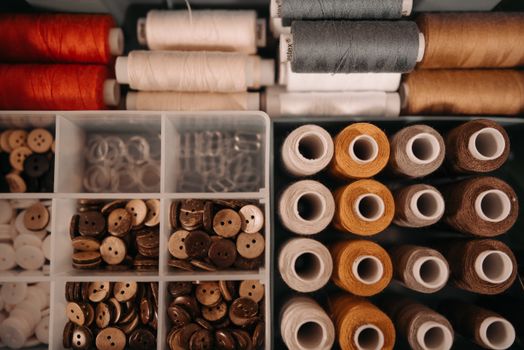 Photo: Pavel Danilyuk / Pexels
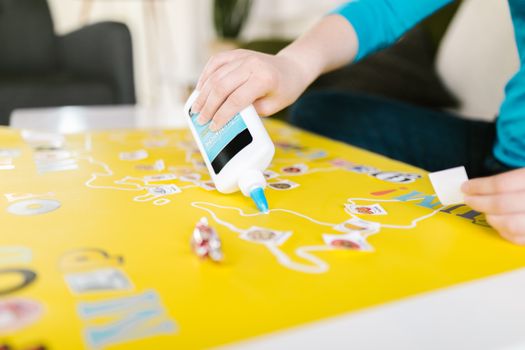 Photo: RDNE Stock project / Pexels
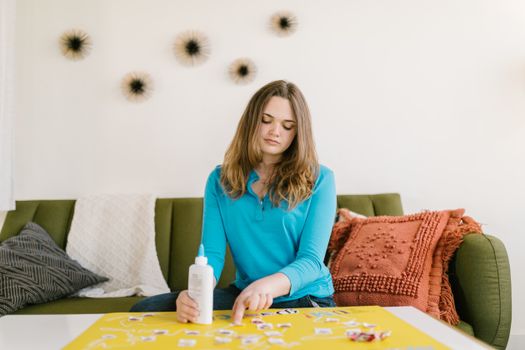 Photo: RDNE Stock project / Pexels
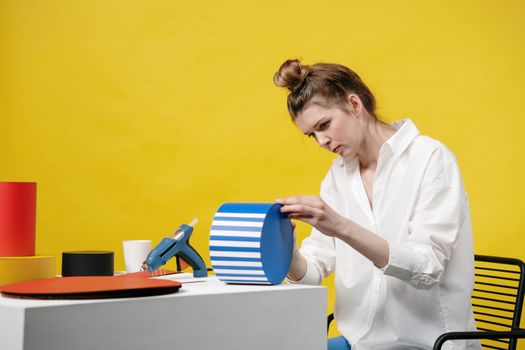 Photo: cottonbro studio / Pexels